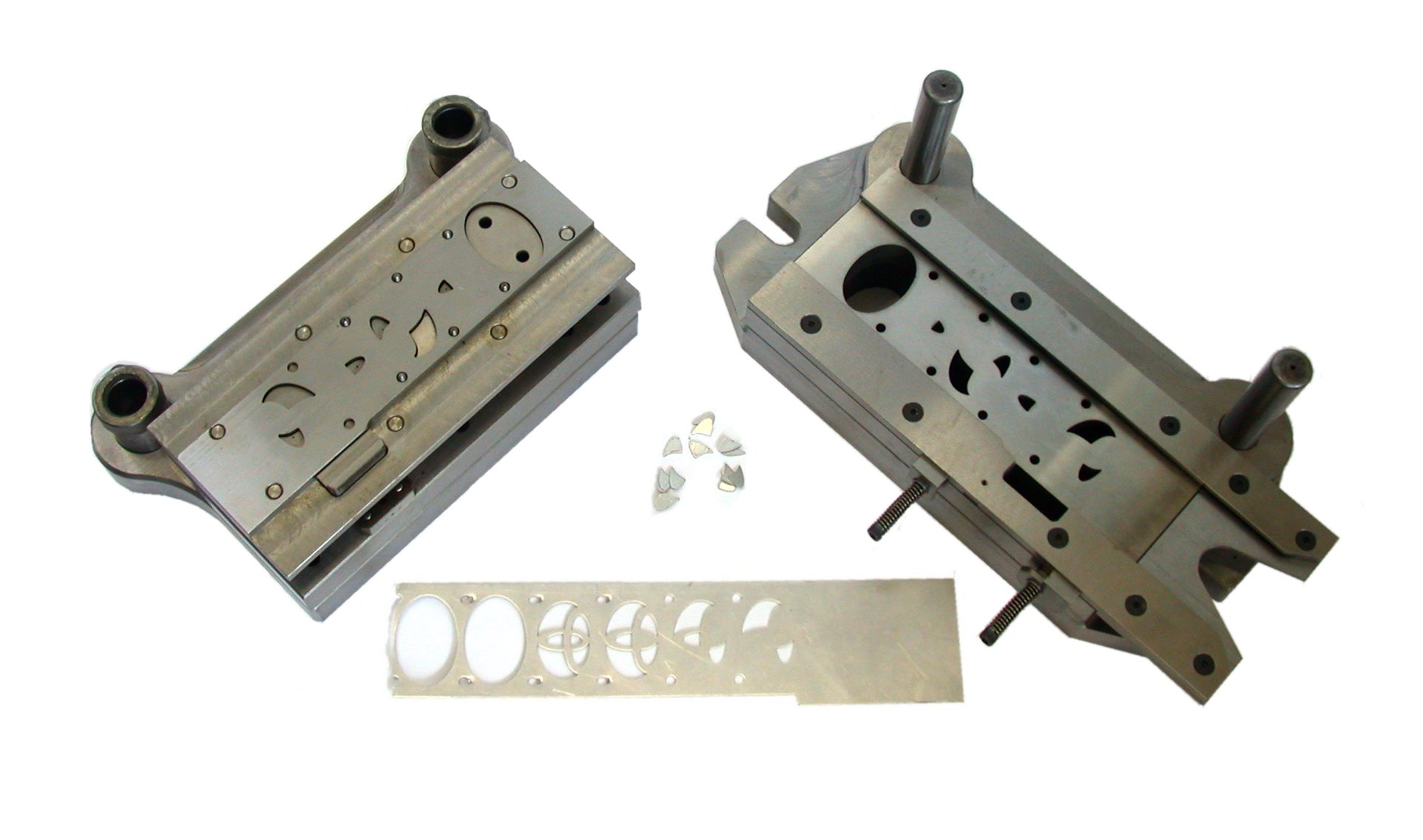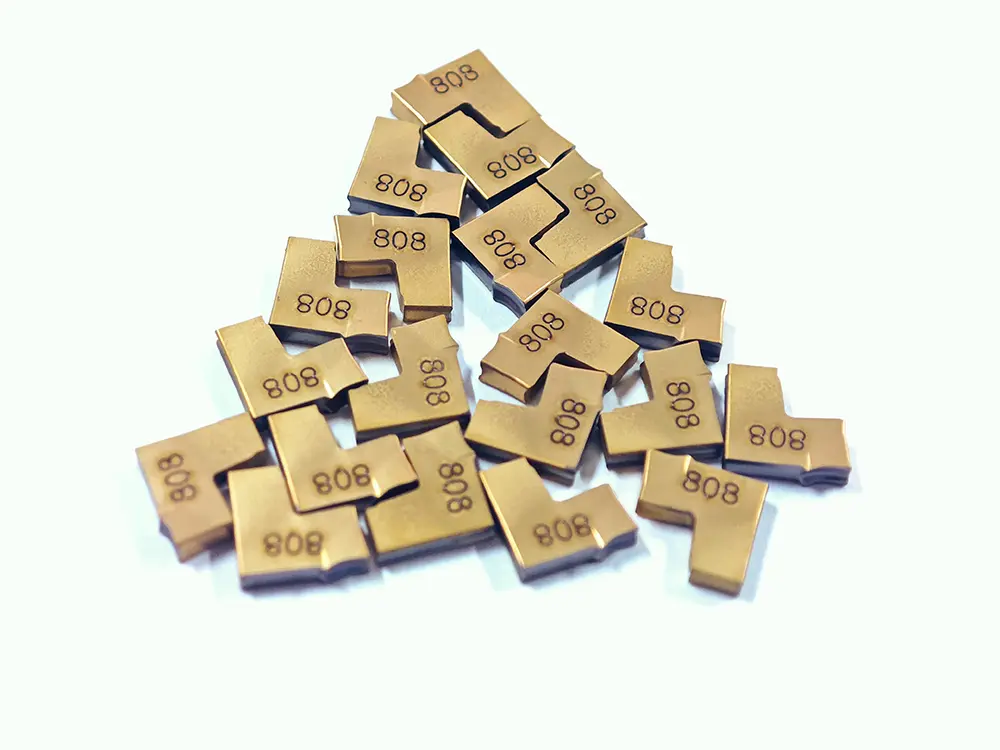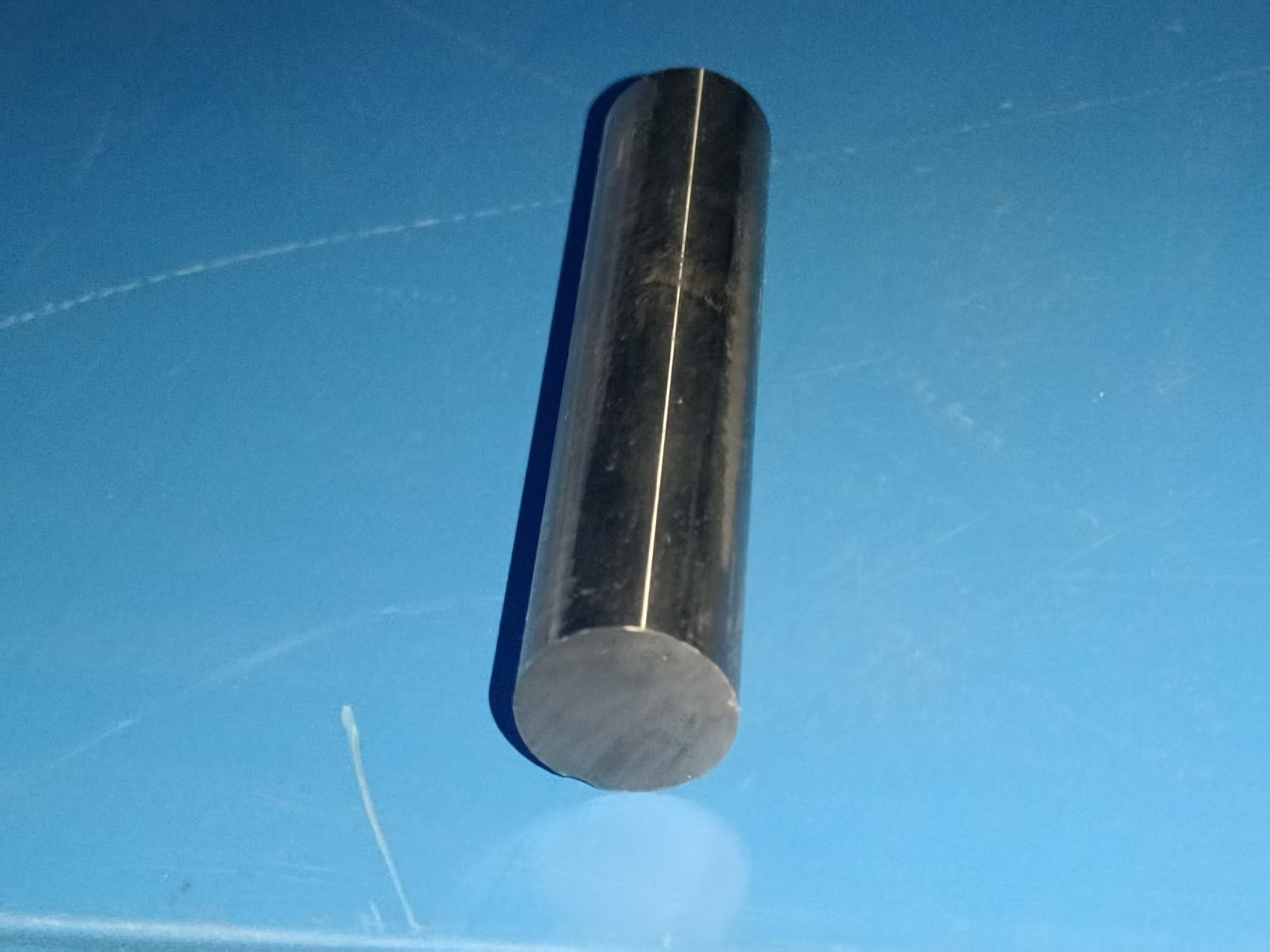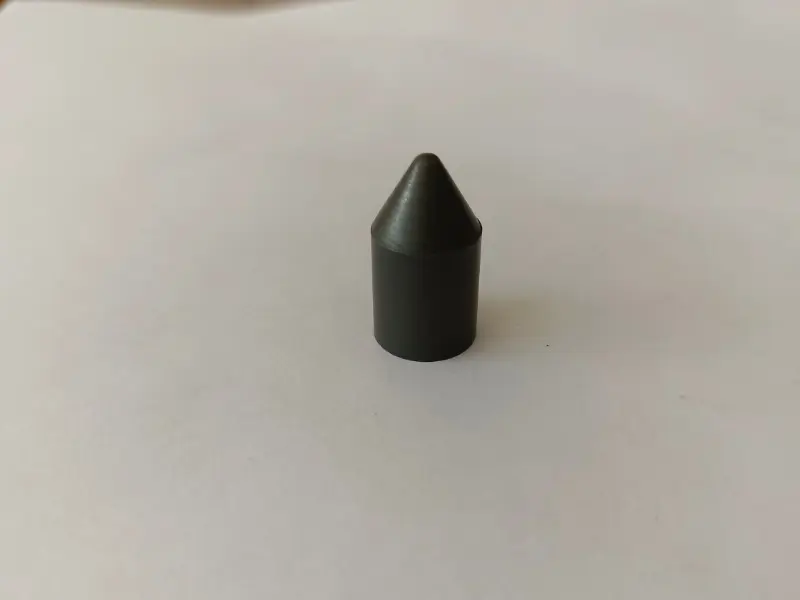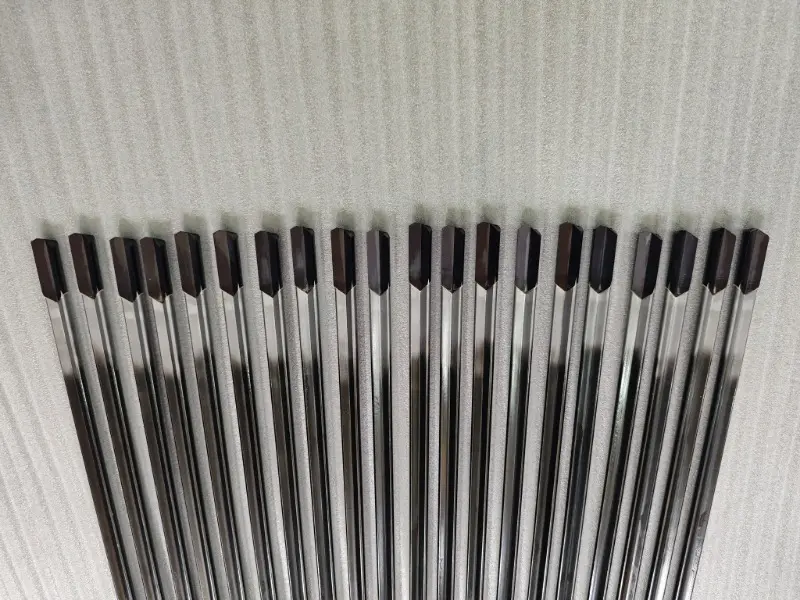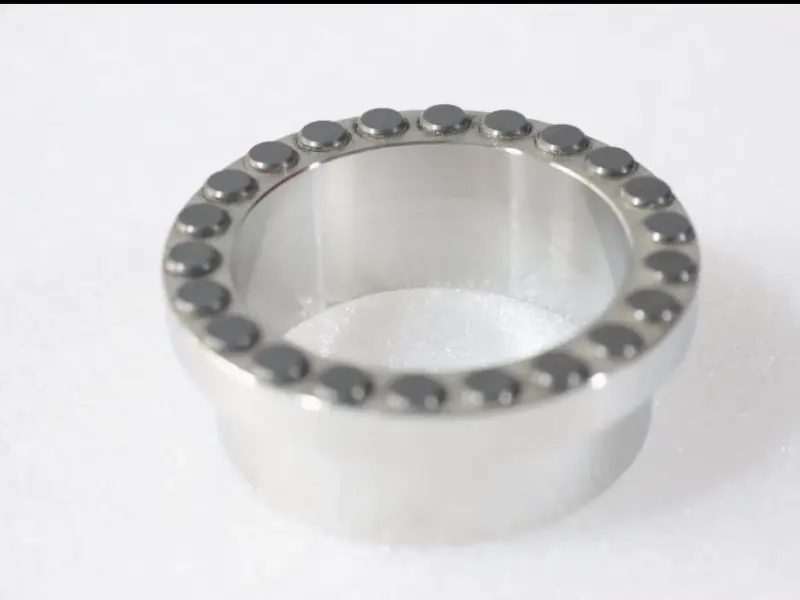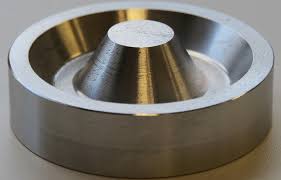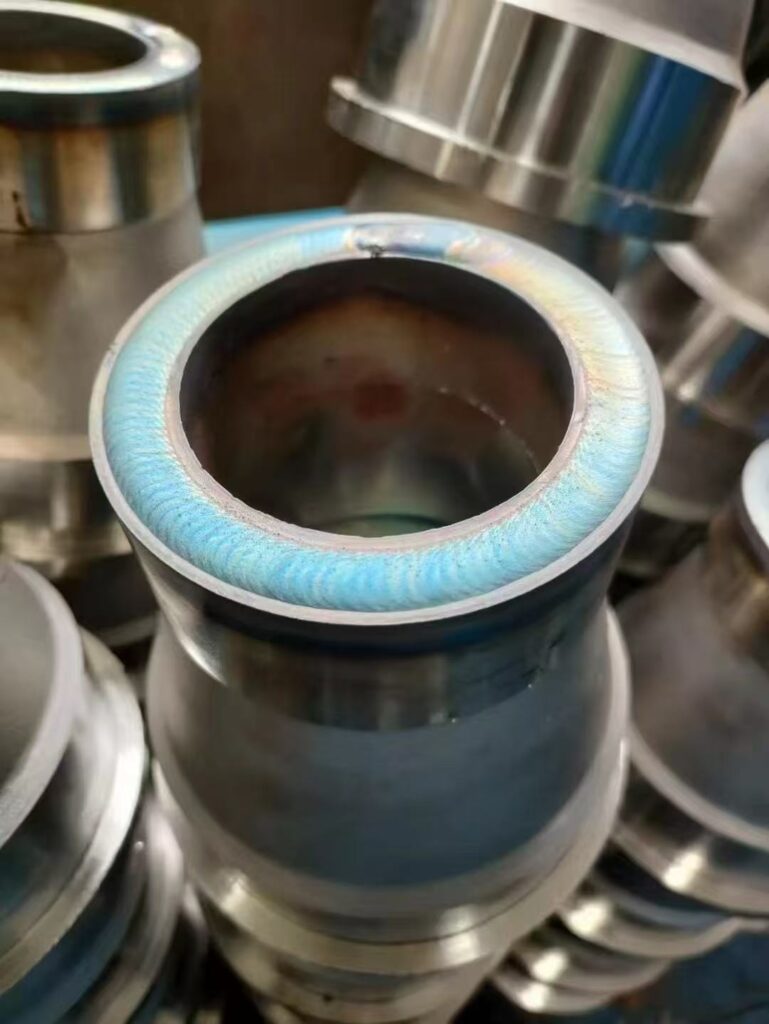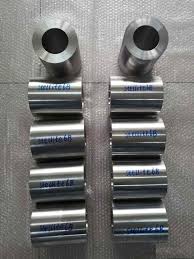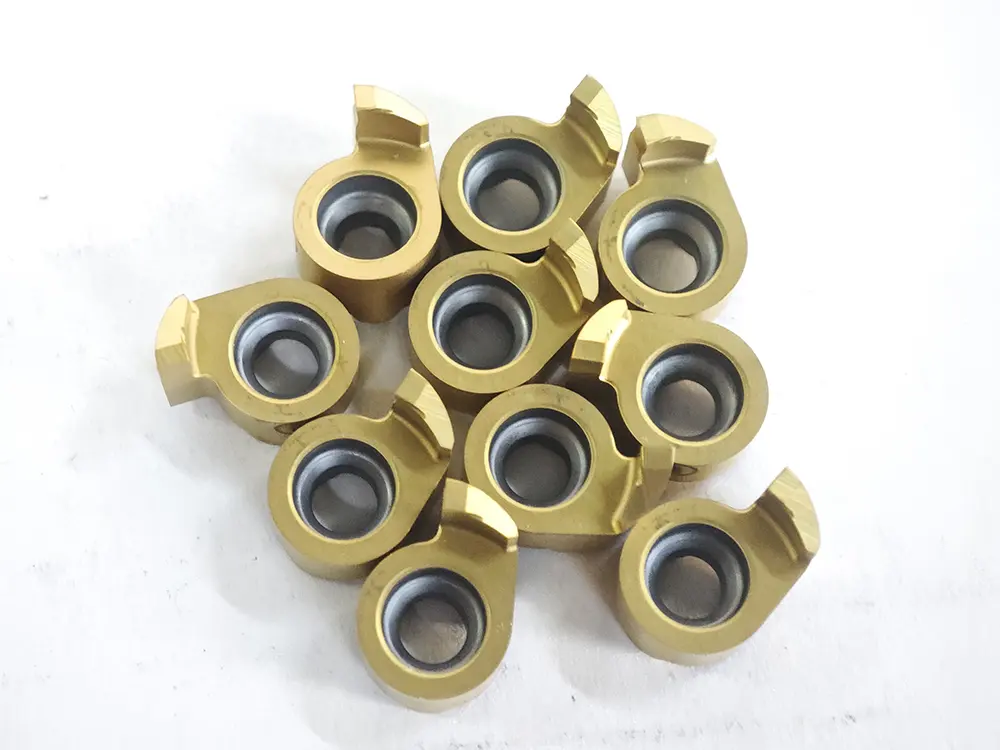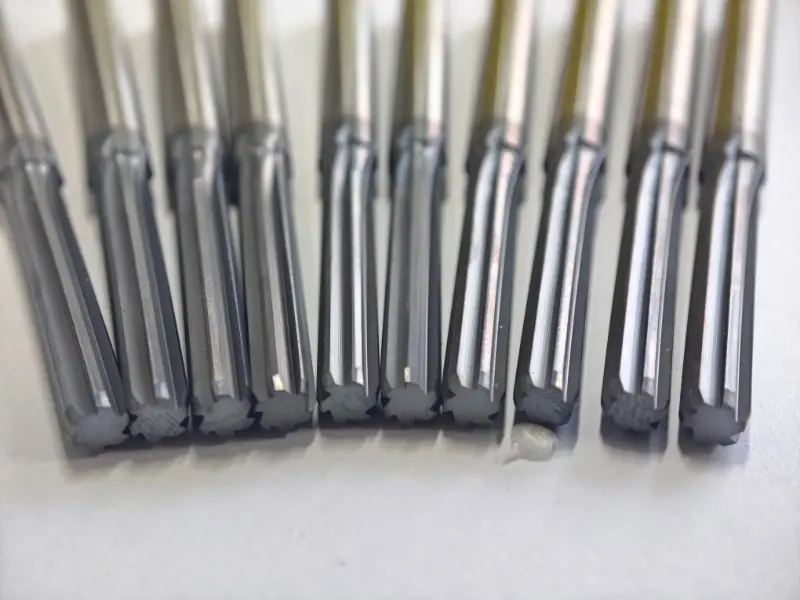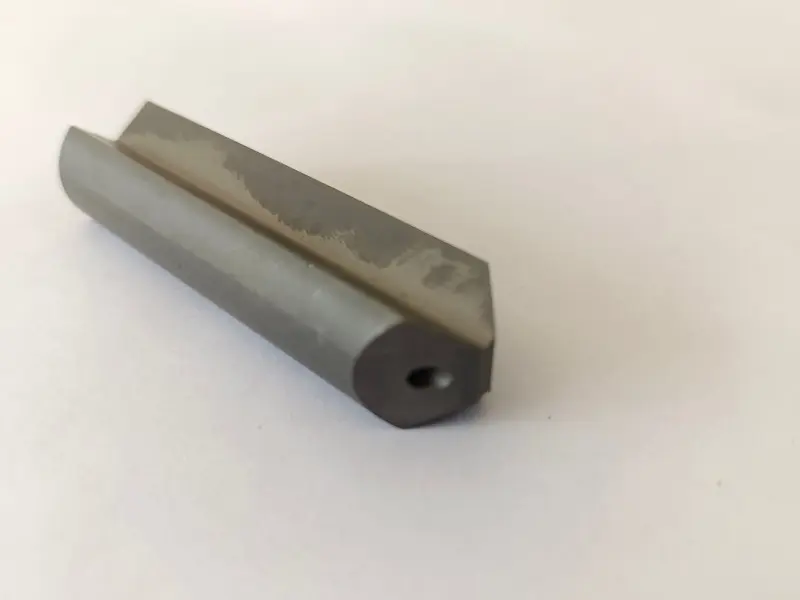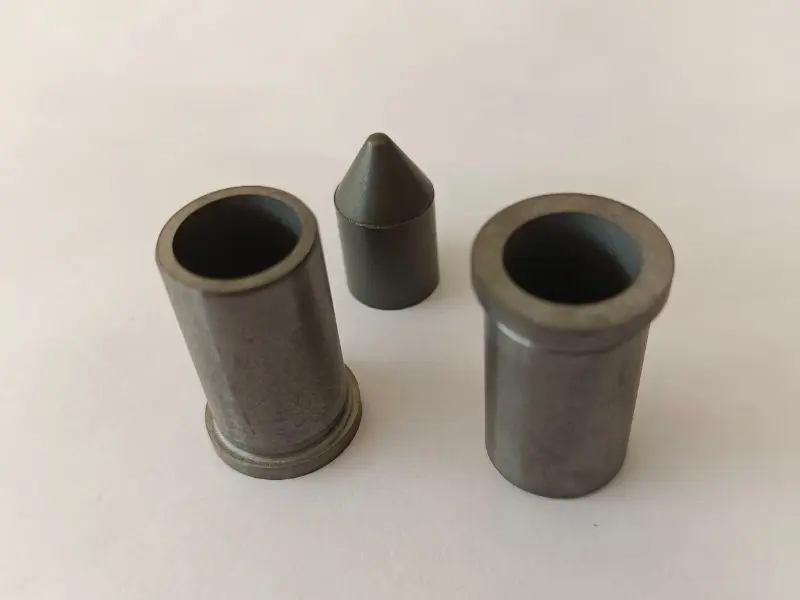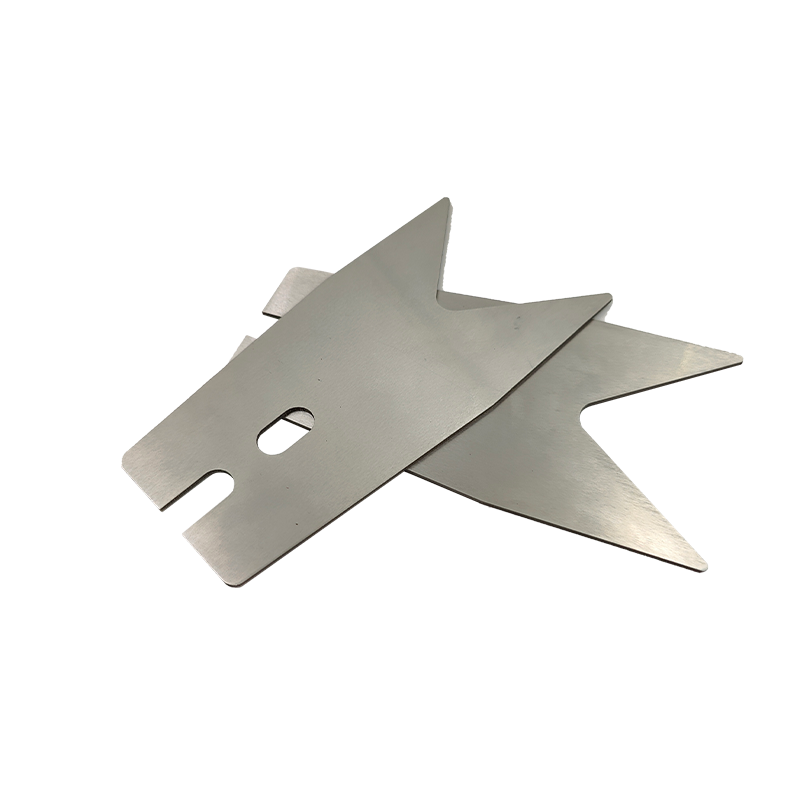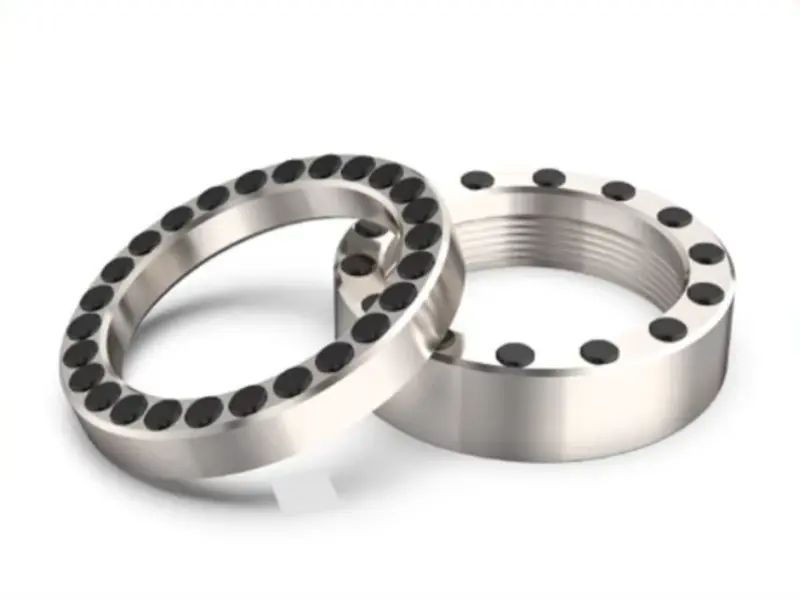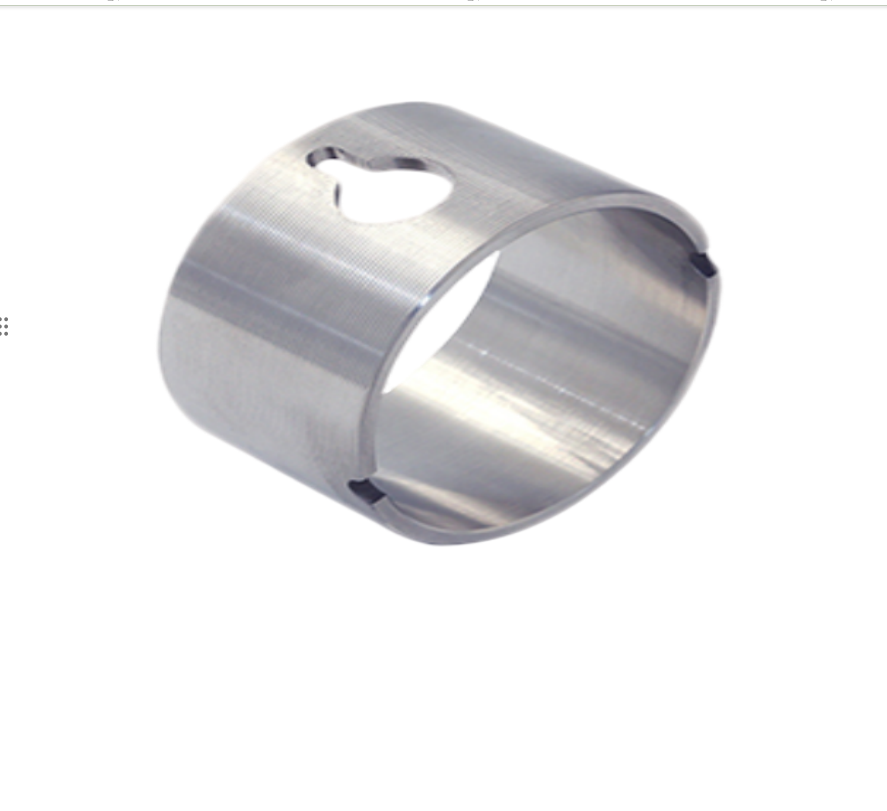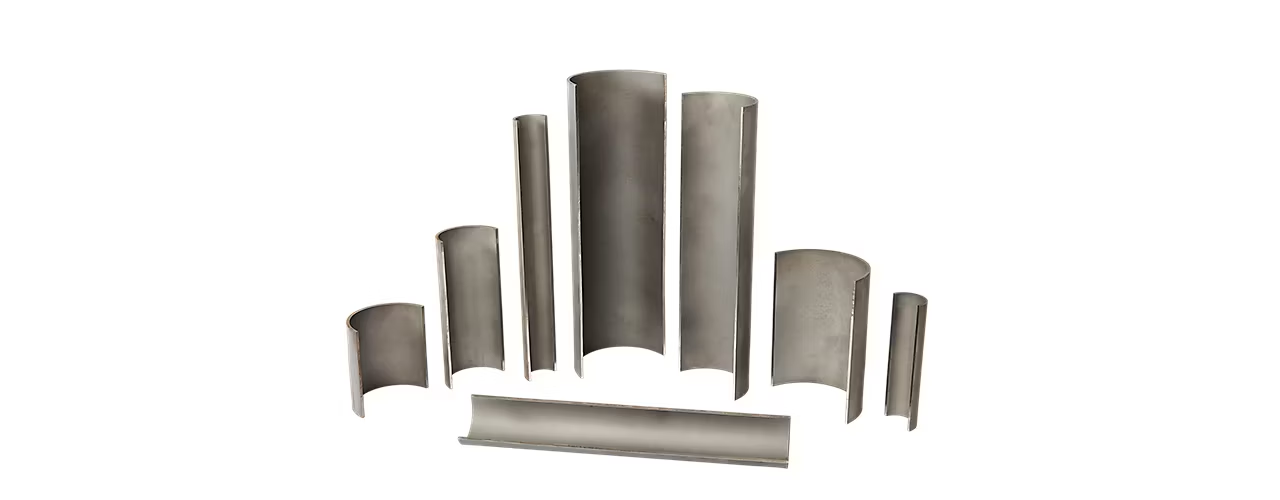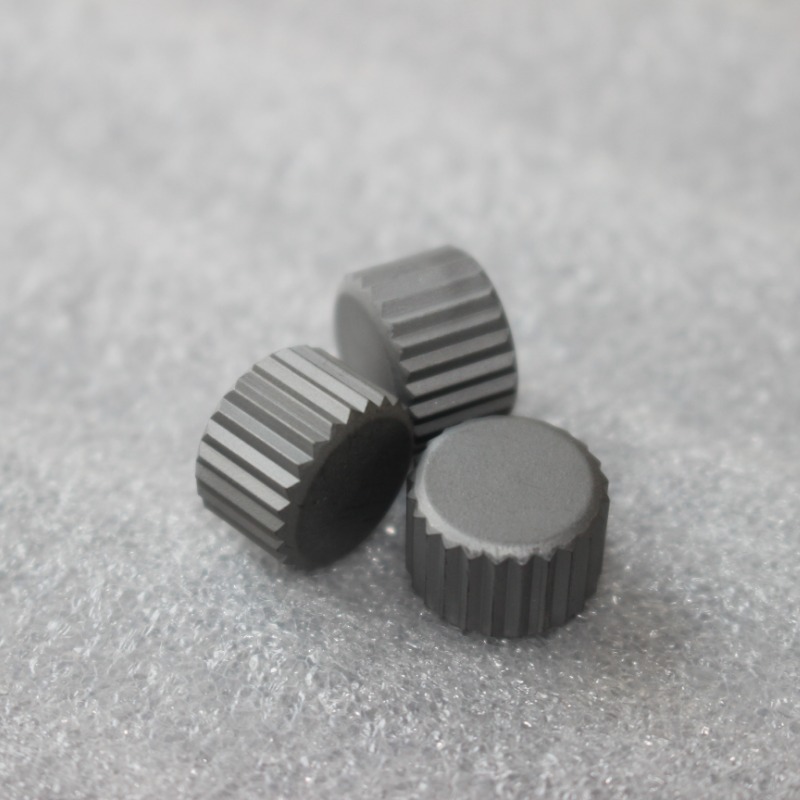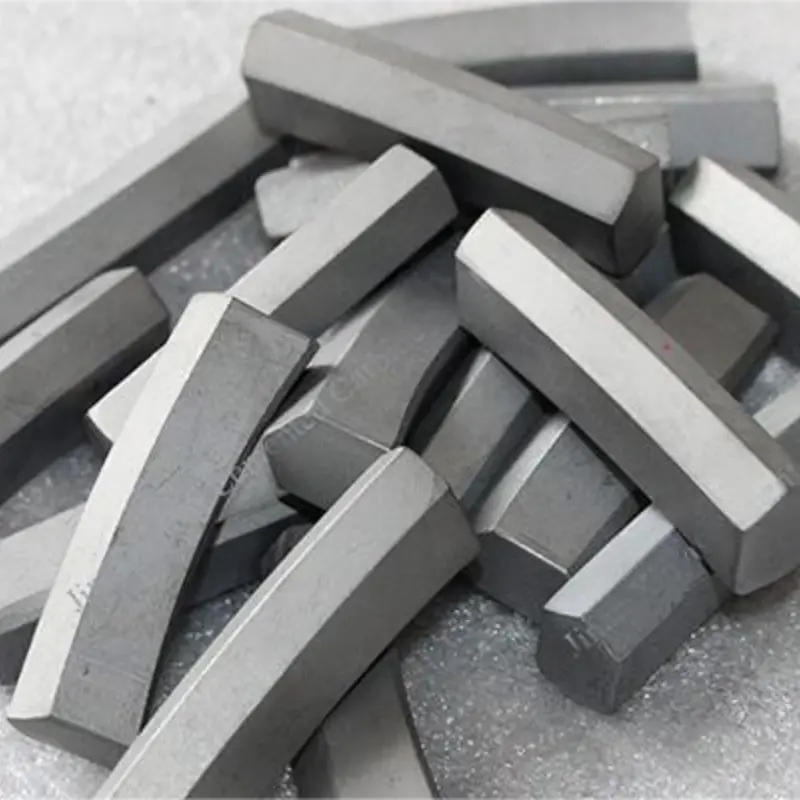
Stellite alloy hot forging dies are core toolings specially designed for high-temperature and high-pressure forging working conditions, and are particularly indispensable in the production of electro-upsetting forming for engine valves. The Stellite 6 alloy forging dies manufactured by our company can withstand high temperatures, intense cyclic thermal stress and mechanical wear, and possess outstanding red hardness and deformation resistance. They ensure the dimensional accuracy of the die cavity is maintained during continuous production, and forge precision forgings with consistent specifications and excellent surface quality.

Product Details
Stellite alloy hot forging dies are core toolings specially designed for high-temperature and high-pressure forging working conditions, and are particularly indispensable in the production of electro-upsetting forming for engine valves. The Stellite 6 alloy forging dies manufactured by our company can withstand high temperatures, intense cyclic thermal stress and mechanical wear, and possess outstanding red hardness and deformation resistance. They ensure the dimensional accuracy of the die cavity is maintained during continuous production, and forge precision forgings with consistent specifications and excellent surface quality.
| Grade | C | Mn | Si | Cr | Ni | Mo | W | Fe | Co | Density/g/cm3 | Hardness/HRC |
| Stellite 6 | 0.9~1.4 | 1.0 | 1.5 | 27~31 | 3.0 | 1.5 | 3.5~5.5 | 3.0 | Bal. | 8.30 | 38~44 |
Application Fields
Stellite alloy hot forging dies are applied in the forging and forming of intake and exhaust valves for automobile engines, precisely forging one end of the high-temperature heated valve stem into the valve head.
Advantages and Services
Compared with traditional die steel, the core advantage of Stellite alloy hot forging dies lies in their excellent comprehensive high-temperature properties. They can resist softening and deformation at high temperatures to ensure product precision, and possess outstanding resistance to abrasive wear and adhesive wear, which significantly reduces die loss and maintenance frequency. This guarantees a stable product qualification rate and lower unit production costs, laying a solid foundation for continuous and mass production.