Cemented carbide, commonly known as "industrial teeth," is an alloy material made from hard compounds of refractory metals (mainly tungsten carbide WC) and binder metals (mainly cobalt Co) through powder metallurgy. It possesses extremely high hardness, wear resistance, strength, and corrosion resistance.
The following are the main application areas of cemented carbide and their detailed descriptions:
This is the largest application area for cemented carbide, widely replacing traditional high-speed steel, and is the core of modern metal processing.
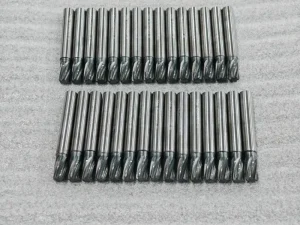
Turning, Milling, and Drilling: Used for machining steel, cast iron, non-ferrous metals, and high-temperature alloys. Cemented carbide inserts (such as ISO standard inserts) are fixed to the tool holder by welding or mechanical clamping.
Deep Hole Machining Tools: Such as the gun drills and BTA drills you previously inquired about, almost all of their cutting heads are made of cemented carbide to withstand the high pressure and friction during deep hole machining.
Woodworking Tools: Used for high-speed cutting of wood. Because wood often contains sand particles, ordinary steel is easily worn, while cemented carbide can maintain its sharpness for a long time.
Features: Hardness up to HRA 89-94, good red hardness (can maintain good cutting performance at around 1000℃).
Drill Bits and Drill Teeth: Oil drilling drill bits, coal mining machine cutting teeth, tunnel boring machine cutter heads. The tips of these components are inlaid with cemented carbide teeth, used to break rocks and coal seams.
Mining Tools: Rock drill bits, impact drill rods.
Features: Coarse-grained cemented carbide (impact-resistant type) should be selected to prevent chipping under impact loads.
Breaking rocks in extremely harsh environments requires materials with extremely high impact toughness and wear resistance.
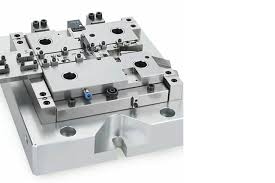
Cemented carbide molds are mainly used for high-life, high-precision forming processes.
Cold Heading Dies: Used for manufacturing fasteners such as screws, nuts, and rivets. Because cold heading involves applying immense pressure to metal at room temperature, the molds are highly susceptible to wear. Tungsten carbide molds have a lifespan tens of times longer than high-speed steel molds.
Drawing Dies: Used to draw metal wires into fine filaments of various diameters (such as electrical wires, copper cores for cables, and fine steel wires). The tungsten carbide drawing die hole determines the final precision and surface quality of the wire.
Powder Metallurgy Molds: Used for pressing and shaping metal powders.
IC Packaging Molds: Inserts and molds used in the semiconductor chip packaging process.
Printed Circuit Board (PCB) Micro-drills: Used to drill tiny through-holes on printed circuit boards (diameters can be as small as 0.1mm or less).
Lead Frames: Used for supporting and connecting semiconductor chips.
Features: Extremely high dimensional stability and low thermal expansion coefficient, ensuring micron-level machining accuracy.
With the miniaturization of electronic products, tungsten carbide is used to manufacture extremely precise components.
In addition to being used as cutting tools for processing automotive parts, tungsten carbide is also directly used in critical functional components of automobiles.
Fuel Systems: Injector nozzles in diesel engine high-pressure common rail systems. Due to injection pressures exceeding 2000 bar and the abrasive nature of the fuel, tungsten carbide must be used to ensure sealing and wear resistance.
Valve Tappets: Wear-resistant components in the engine valve mechanism.
Brake Pads: Some high-performance brake pads contain tungsten carbide particles to enhance the friction coefficient.
Nozzles: Water nozzles for textile water jet looms, nozzles for sandblasting equipment, and oil atomizing nozzles.
Sealing Rings: Mechanical seals used in pumps, compressors, and other equipment to prevent fluid leakage while withstanding friction.
Measuring Tools: Measuring surfaces of precision measuring tools such as calipers and micrometers.
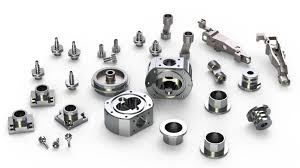
Utilizing its high wear resistance, it is used to manufacture easily worn mechanical parts.
Utilizing its high hardness, wear resistance, and unique metallic luster.
Mobile Phone Components: Buttons, camera decorative rings, SIM card trays, etc., for high-end mobile phones.
Watches: Watch cases and straps for high-end watches (such as Rado watches), offering exceptional durability.
Jewelry: Tungsten carbide rings and necklaces, with hardness second only to diamonds, preventing deformation or scratching.
Dental Materials: Dental drills (extremely wear-resistant), dental implants.
Orthopedic Implants: Wear-resistant heads for artificial joints (such as hip joint ball heads).
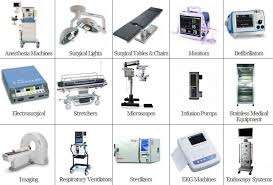
Surgical Instruments: Scissors, bone saws, and other tools requiring long-term sharpness and corrosion resistance.
Primarily utilizing its biocompatibility (especially cobalt-free tungsten carbide) and corrosion resistance.