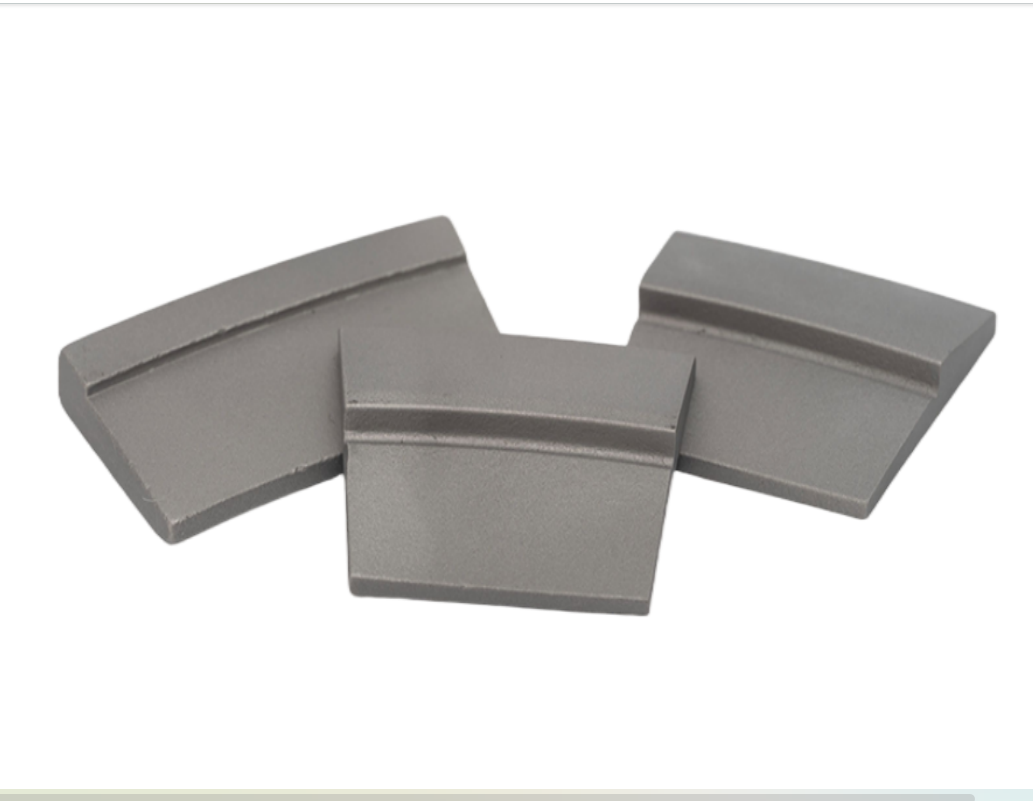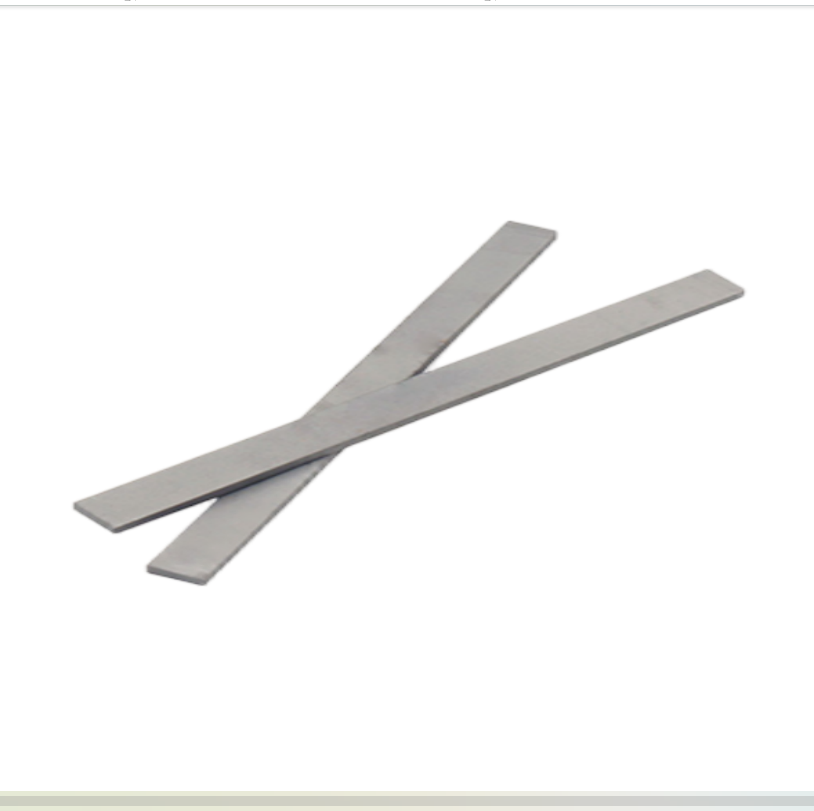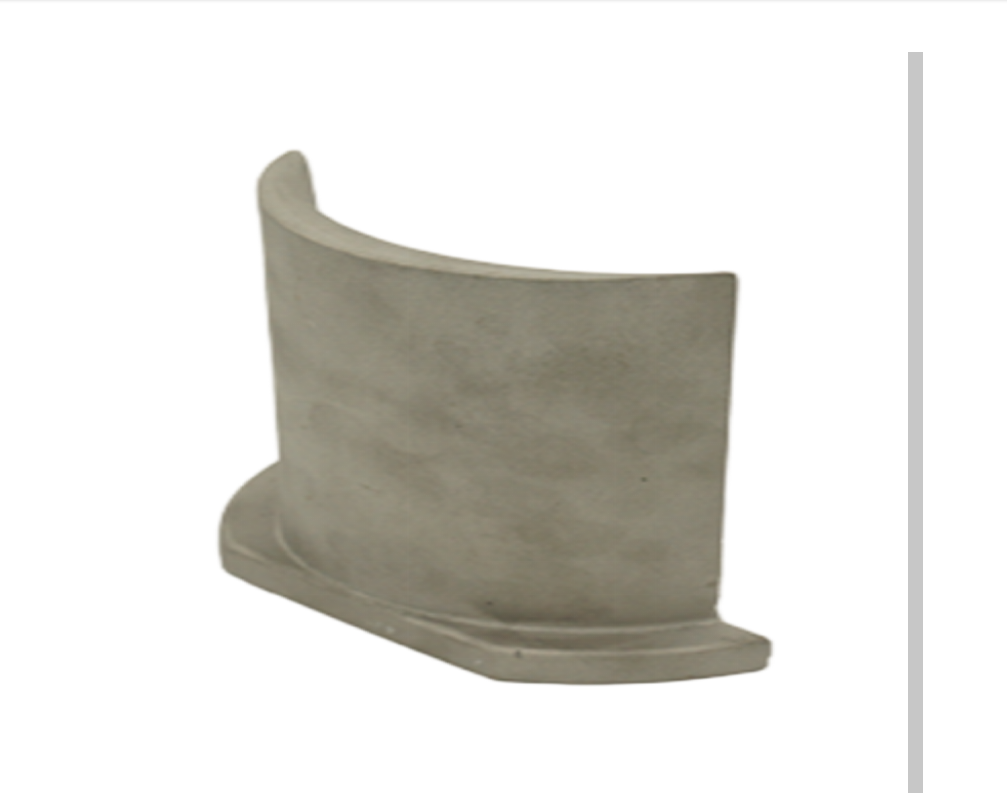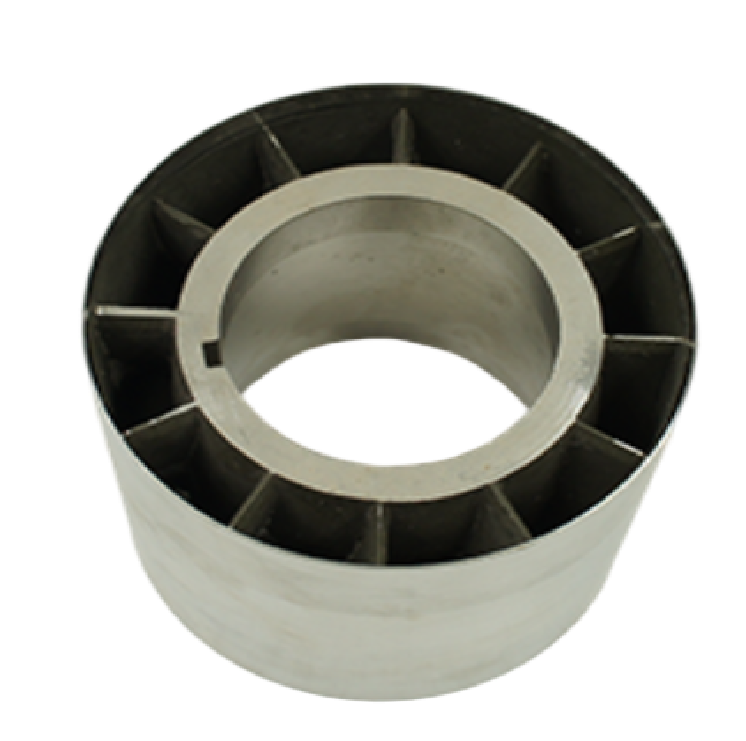
During operation, the screen plates of paper machines are in long-term contact with corrosive liquids and fluids, while also withstanding intense scouring. As a result, they suffer from severe wear and corrosion, and screen plates made of conventional materials have a short service life.
Water droplets that corrode the leading edges of blades usually form in the L-0 zone of steam turbines. Steam-water corrosion will initiate cracks on the blades and cause them to propagate, leading to catastrophic damage. Welding Stellite 6 alloy protection plates onto the leading edges of blades or overlaying Stellite alloy powder can significantly mitigate water droplet erosion and crack propagation, thus reducing the occurrence of failures. Chemical Composition and Typical Properties
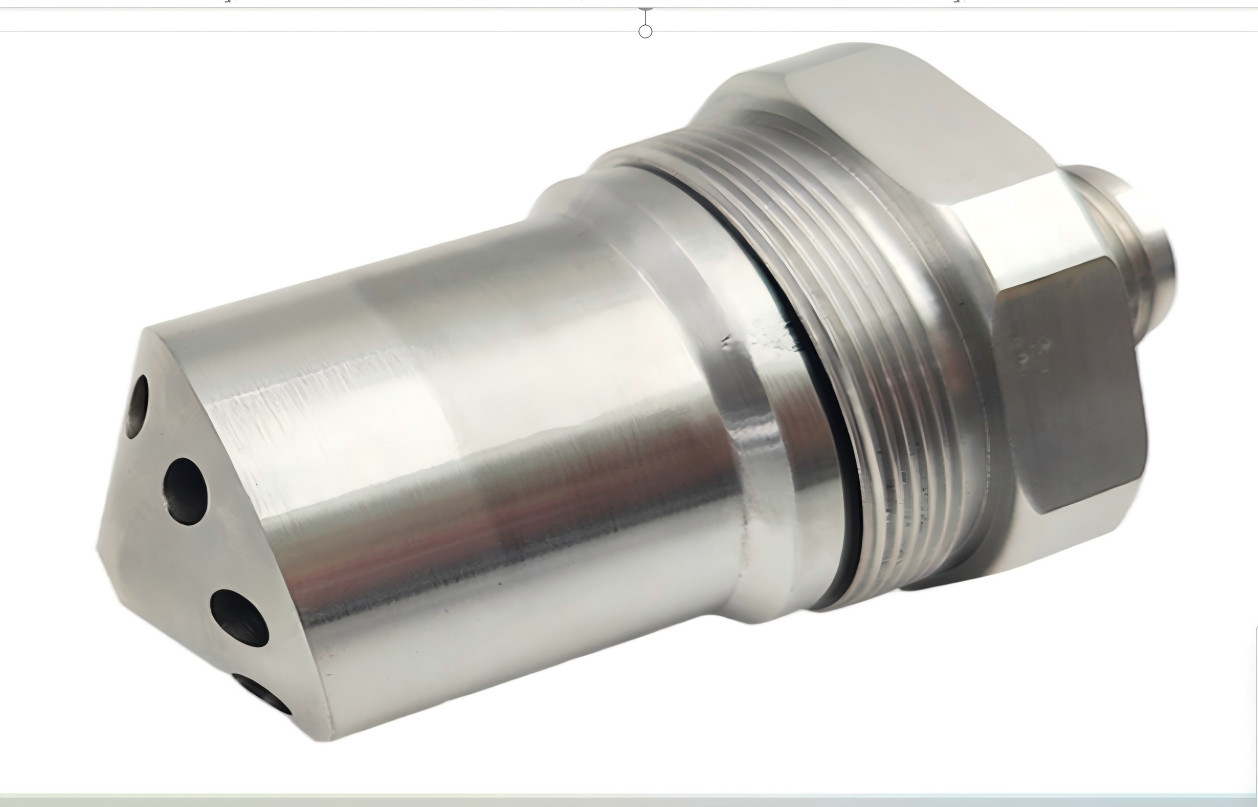
Denitration is a critical environmental protection technology, designed to reduce nitrogen oxide emissions generated by industrial facilities such as coal-fired power plants. In an enterprise’s denitration system, Stellite alloy nozzles serve as highly important components. They are used to spray denitration agents, promoting the reaction between nitrogen oxides and denitration agents to convert them into harmless substances, which improves the efficiency and stability of the denitration system and reduces maintenance costs.
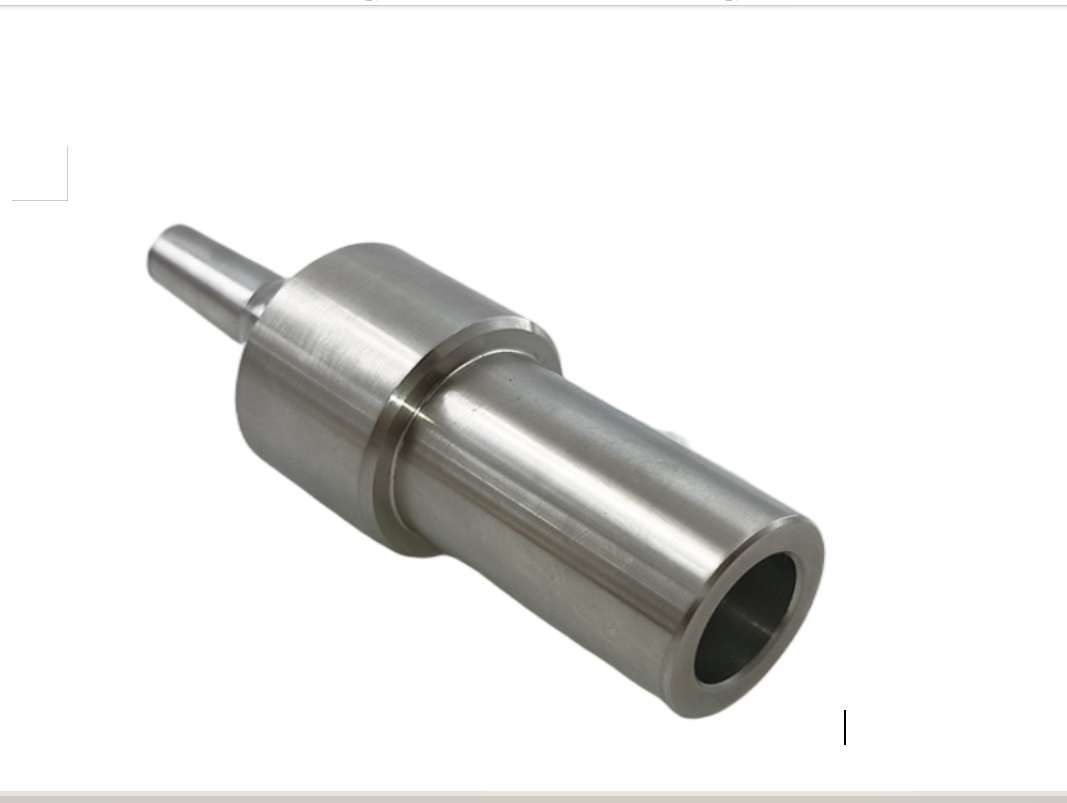
Nozzles typically operate in high-temperature and corrosive environments, so materials with excellent high-temperature resistance and strong corrosion resistance are required. They are usually manufactured from Stellite 6 and Stellite 12. These nozzles are commonly used in the fabrication of components for fluid catalytic cracking unit (FCCU) reactors and regenerators in petroleum refining.
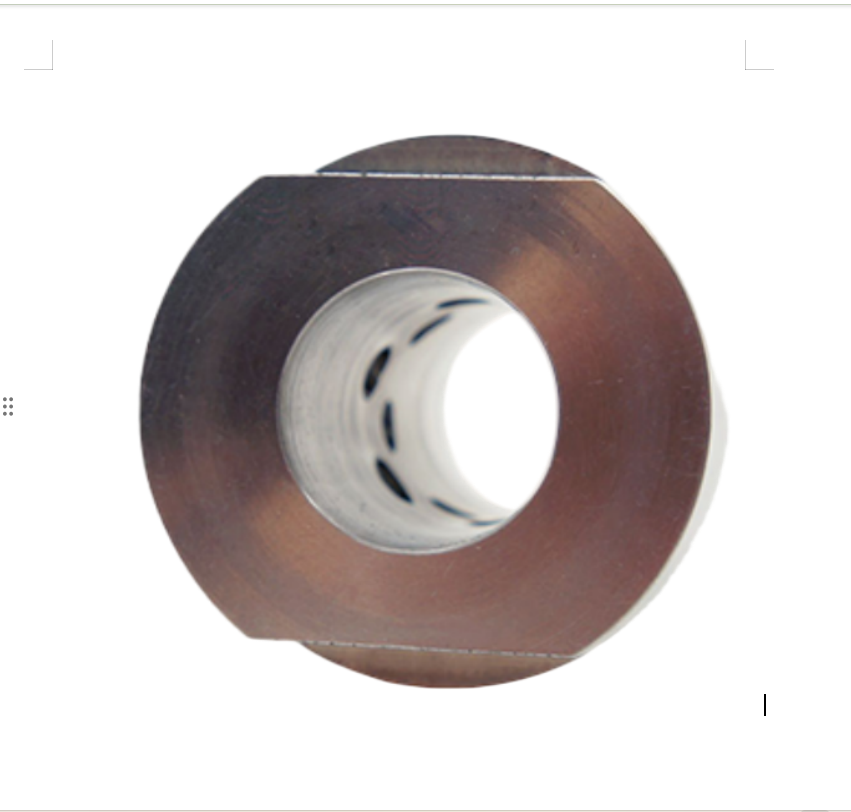
The water nozzle (also referred to as a bushing) is divided into fixed and movable types, and it operates under extremely harsh working conditions. For instance, the medium contains solid particles, features strong impact, and has destructive effects such as abrasion, corrosion and impact. Thanks to its excellent corrosion resistance, wear resistance and impact resistance, Stellite alloy is often used for manufacturing pump and valve fittings.
Our company manufactures Stellite alloy bushings by precision casting or powder metallurgy processes, which are widely used in various valves. The outer diameter of the product ranges from φ10 mm to φ600 mm, and the inner diameter ranges from φ5 mm to 500 mm. Customized production is also available according to customer requirements.
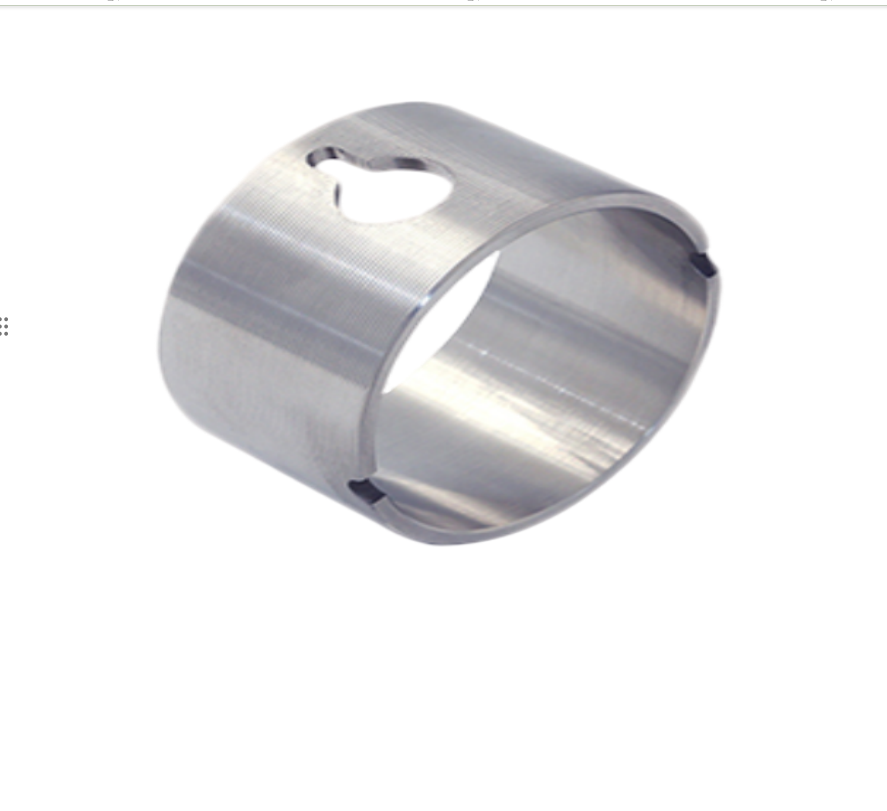
Stellite alloy bushings and sleeves are widely used in galvanizing lines of steel mills for manufacturing galvanized steel sheets, especially those production lines dedicated to steel sheets applied in automobiles and household appliances. Material selection is carried out in accordance with design requirements, which stipulate that bushings and sleeves shall be made of two different grades of Stellite alloys with distinct hardness levels-one featuring high hardness and the other low hardness.
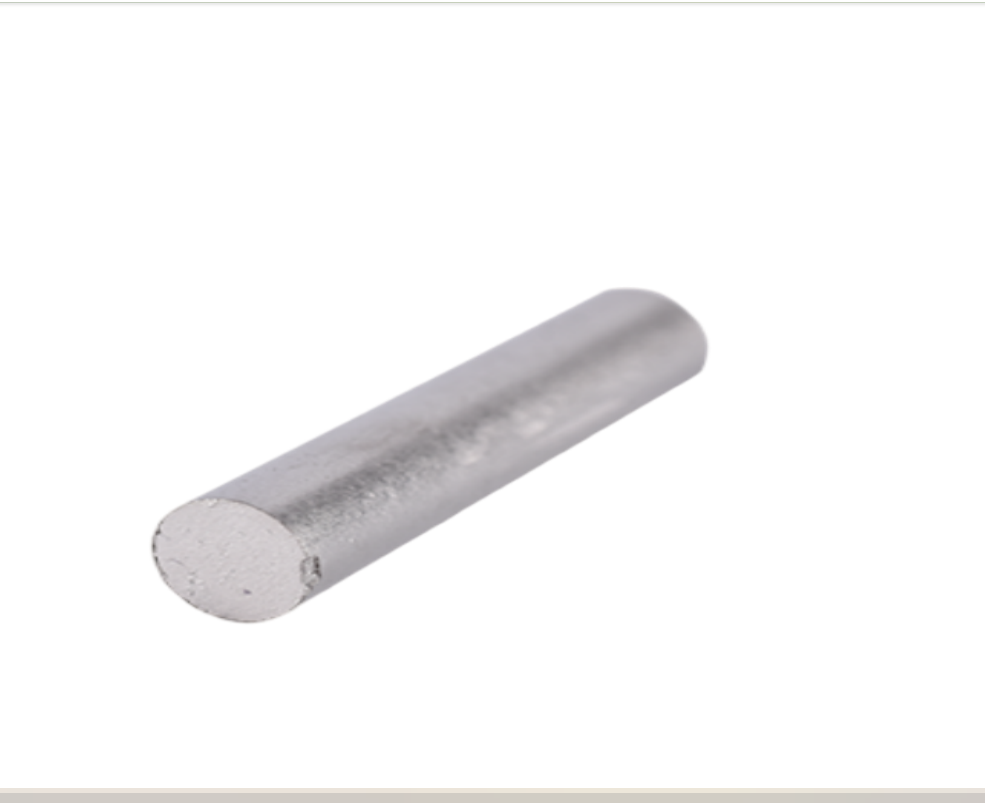
Our company mainly manufactures Stellite T400 and Stellite 6 alloy shafts for turbochargers and wastegates, and the materials have passed the testing and verification of OEM manufacturers.
Stellite alloy probes are mainly applied in acidic media and corrosive environments within the oil and gas industry. The Stellite alloy probes manufactured by our company using powder metallurgy process boast superior wear resistance and corrosion resistance, making them one of the critical components of valves.
Stellite alloy stators are applied in the generators of deep well detectors, serving as a critical component in petroleum logging equipment. Since they operate at high speed and come into contact with fluids such as mud and gravel during service, they are required to possess excellent wear resistance, corrosion resistance and good material toughness. Stellite 6 alloy perfectly addresses all the above requirements.
Product Details The rotor is applied in the generator of deep well detectors, serving as a critic...
Stellite alloy valve balls and valve seats are critical components of oil well pumps used in oilfields, and their quality directly determines the service life of the pumps. Sucker rod pumps are suspended inside the tubing via support joints, suitable for oil extraction in high-temperature deep wells and deviated wells, with excellent corrosion and high-temperature resistance.