Exploring the Best Woodworking Tools for Every Beginner and All Skill Levels
Stepping into a workshop smells like potential. It smells like sawdust and timber. But for a beginner, it can also feel overwhelming. There are thousands of gadgets, shiny machines, and sharp blades staring back at you. Which ones do you actually need? Which ones are just expensive paperweights? As a manufacturer of high-precision cutting solutions, we understand that the quality of the cut determines the quality of the project. This article is worth reading because we are going to break down the specific woodworking tools that offer the best value, durability, and precision, regardless of your experience.
We will break down the must-have woodworking gear into manageable categories. We aren’t just listing items; we are explaining the mechanics behind why certain tools can make or break a project. From the humble hand tool to the roaring table saw, we will guide you through building a shop that works as hard as you do.
What are the essential woodworking tools every beginner needs?
When you first start, you don’t need a factory floor full of equipment. You need a curated list of essential woodworking tools that cover the basics of cutting, joining, and finishing. The beginner often makes the mistake of buying cheap "all-in-one" kits. This is a trap. It is better to own five high-quality tools than fifty pieces of junk.
The core of your kit starts with measuring and marking. If you cannot measure it, you cannot cut it. A combination square and a reliable tape measure are non-negotiable. Next, you need a way to cut. A simple circular saw or a quality hand saw can handle most construction lumber. Finally, you need to hold things together. A set of drills and drivers is vital. But remember, the most essential tool is patience. Woodworking projects take time.
The best woodworking tools for a novice are ones that offer versatility. For example, a random orbital sander is indispensable. It smooths out mistakes and prepares the surface for finishing. Don’t overlook safety gear. Sawdust is bad for your lungs, so dust collection (even a shop vac) is part of the tools needed list.
Why is the table saw considered the heart of the shop?
Ask any pro woodworker what the first major purchase should be, and they will almost unanimously say the table saw. It is the anchor of the workshop. Why? Because it provides repeatable precision. A table saw allows you to rip boards (cut with the grain) to consistent widths and crosscut (cut across the grain) to exact lengths.
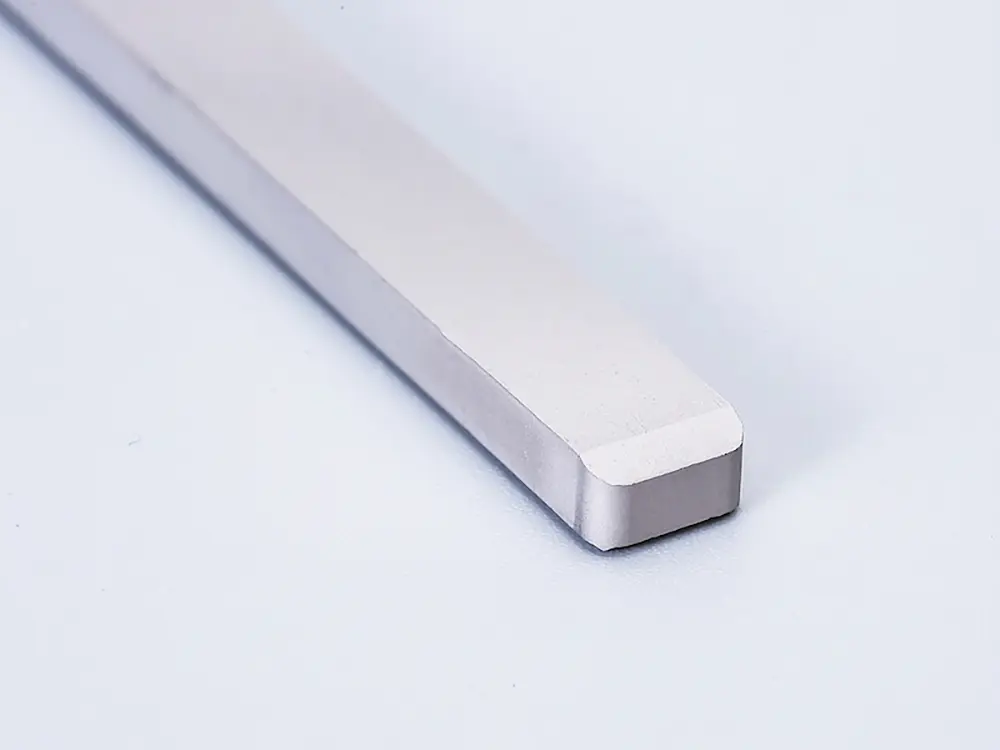
However, a table saw is only as good as its setup. You need a flat top and a sturdy fence. The blade is also crucial. Many woodworking tools come with cheap stock blades. Upgrading to a blade with high-quality carbide tips—similar to the Carbide Strips we manufacture for industrial applications—can transform a mediocre saw into a precision machine. The carbide stays sharp longer, giving you cleaner cuts and less burning.
Safety on a table saw is paramount. Use a miter gauge for crosscuts and never use the fence as a stop block for crosscuts to avoid kickback. The table saw is a powerful machine that demands respect. Once mastered, it opens up a world of joinery and cabinetry that other saws simply cannot match in terms of speed and accuracy.
Hand tool vs. Power tools: Which should you buy first?
The debate between hand tool purists and power tools enthusiasts is endless. The truth is, the best tools are usually a mix of both. Woodworking power tools provide muscle and speed. They remove material quickly and handle the heavy lifting. If you are breaking down sheet goods, a circular saw or track saw is essential.
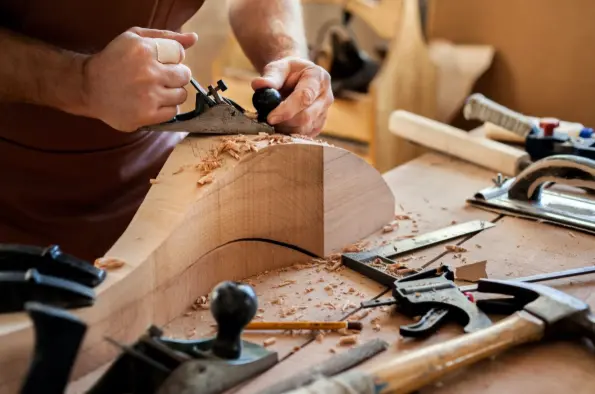
However, woodworking hand tools provide finesse. A power tool can ruin a piece of wood in a blink of an eye if you slip. A hand tool, like a plane or scraper, allows you to sneak up on the perfect fit. For a beginner, learning to use a hand saw teaches you about the mechanics of the cut—how the wood reacts, how the grain changes direction.
Ideally, your shop should have a balance. Use power tools for dimensioning stock and woodworking hand tools for fine-tuning joints. This hybrid approach caters to different skill levels and ensures you have the right tool for the specific task at hand, whether it is rough construction or fine furniture making.
How do woodworking hand tools like the chisel and mallet refine your work?
A set of chisels is the hallmark of a serious woodworker. A chisel is not just for carving; it is a precision instrument for cleaning up joints. When you cut a dovetail or a mortise, the machine might leave a rounded corner or a rough bottom. A sharp chisel, driven by a wooden mallet, pares away thin shavings to create a perfect fit.
The chisel must be sharp. A dull chisel is dangerous because it requires more force and is more likely to slip. Learning to sharpen your tools is a rite of passage. You need water stones or diamond plates. The goal is to get the back flat and the bevel to a razor’s edge.
The mallet works in tandem with the chisel. Unlike a metal hammer, which delivers a sharp, jarring shock, a wooden or urethane mallet delivers a dead blow that transfers energy efficiently without damaging the tool handle. Using a chisel and mallet connects you to the history of carpentry, giving you tactile feedback that a router or saw never could.
What makes the band saw and jig saw perfect for curves?
Not everything in woodworking projects is a straight line. When you need to cut a curve or an irregular shape, you turn to the band saw or the jig saw. The band saw is a stationary machine with a continuous loop blade. It is incredibly versatile. It can resaw thick boards into thinner veneers, cut sweeping curves for chair legs, or cut precise tenons.
The jig saw is the portable cousin. It is handheld and perfect for cutting shapes out of large panels that won’t fit on a band saw. While a jig saw isn’t as precise as a band saw, it is a must-have woodworking tools item because of its portability.
For the band saw, blade selection is key. A wide blade is for straight cuts and resawing; a narrow blade allows for tight radius curves. The tension must be set correctly to prevent the blade from wandering. Both the band saw and the jig saw allow the woodworker to escape the tyranny of the square box and introduce organic shapes into their designs.
Is a compound miter saw necessary for accurate angles?
The compound miter saw, often called a chop saw, is designed for one thing: cutting precise crosscuts and angles. If you are doing trim work, framing, or molding, this is an essential tool. It can swing to cut a miter (an angle across the face) and tilt to cut a bevel (an angle through the thickness).
For a beginner, a sliding compound miter saw is often the second big purchase after a table saw. It allows you to crosscut wide boards that a standard non-sliding miter saw cannot handle. It is all about the angle. When building picture frames or crown molding, being off by half a degree leaves an ugly gap.
A quality miter station often includes stop blocks and extended wings to support long workpieces. This setup ensures repeatability. If you need to cut four legs to the exact same length, a stop block on a miter saw station is the most accurate way to do it. It saves time and ensures your furniture sits flat on the floor without wobbling.
Why is a high-quality router the most versatile tool?
The router is the magician of the workshop. It is a high-speed motor that spins a bit to cut profiles, groove edges, or hollow out areas. With the right bits, a router can create fancy edge profiles (like round-overs or ogees), cut dadoes for shelving, or even flatten rough slabs of lumber.
There are two main types: fixed base and plunge base. A plunge router allows you to lower the spinning bit into the wood, which is essential for stopped cuts or mortises. Many kits come with both bases. For heavy work, you might mount a powerful router in a table, effectively turning it into a shaper.
The performance of a router depends heavily on the bit. Cheap bits burn the wood and dull quickly. End mill (with indexable inserts) and solid carbide router bits are superior choices. They hold a sharp edge under the high RPMs of the router, leaving a surface so smooth it often requires little sanding. A high-quality router setup is a gateway to professional-looking joinery.
How do you ensure precision with a square and tape measure?
"Measure twice, cut once" is the oldest cliché in carpentry, but it is true. However, you need the right tools like a precision combination square to make those measurements count. A combination square is not just for checking 90-degree angles. It can measure depth, mark 45-degree angles, and act as a straight edge.
The tape measure is your primary tool for rough layout. Look for one with a standout stiff enough to reach across a sheet of plywood without collapsing. For finer work, however, rely on a steel rule or the scale on your combination square. Tape measures can have a little "slop" in the hook at the end, which is designed to move to account for internal vs. external measurements, but it can sometimes lead to errors if you aren’t careful.
Precise layout lines are critical. A thick pencil line can be 1/16th of an inch wide—that is a huge margin of error in fine woodworking. Many pros use a marking knife instead of a pencil. The knife severs the wood fibers, creating a physical groove that you can rest your chisel or saw blade in, ensuring the cut starts exactly where it should.
What is the role of the jointer and planer in preparing stock?
If you buy pre-surfaced lumber from a home center, you might skip these. But if you want to use rough-sawn hardwood (which is cheaper and better looking), you need a jointer and a planer. These machines work as a team to mill lumber square and flat.
The jointer makes one face flat and one edge square to that face. It removes the twist and cup from a board. Once you have a flat reference face, you run the board through the planer. The planer makes the second face parallel to the first and brings the board to the exact thickness you need.
Without a jointer and planer, you are fighting the wood. Your joints won’t close tight because the boards aren’t truly flat. While they are expensive heavy-duty machines, they are the key to moving from intermediate to advanced woodworking. For those with limited space, hand planes can perform the same tasks, though they require much more physical effort and skill.
Why is the lathe the king of turning bowls and spindles?
Most woodworking tools cut square/straight lines. The lathe is different. It spins the workpiece while you introduce a tool to shape it. It is the only machine where you are in constant contact with the wood while it moves. The lathe is used to make table legs (spindles), pens, and perhaps most famously, a wooden bowl.
Turning is a specific sub-genre of woodworking. It requires a different set of tools like gouges, scrapers, and parting tools. The lathe allows for artistic expression that flat-work doesn’t. You can shape a curve by eye and feel.
A lathe can be addictive. Seeing a rough log transform into a polished bowl in an hour is incredibly satisfying. It generates a lot of shavings, so good dust collection is vital. Whether you want to make intricate pens or massive serving platters, the lathe offers a creative freedom that is unique in the shop.
How do clamps act as your third hand?
You can never have enough clamps. It is a joke among woodworkers, but it is true. A clamp holds the wood while the glue dries, or holds the workpiece to the workbench while you saw or rout. Without a good clamp, your joinery will fail.
There are many types. Bar clamps are great for panel glue-ups. Pipe clamps are a cheaper alternative for long reach. F-style clamps are quick to apply and great for holding work down. A beginner should buy a variety of sizes. You need short clamps for small boxes and long clamps for table tops.
Pressure matters. You want enough pressure to close the joint and squeeze out a little glue, but not so much that you starve the joint or crush the wood fibers. Using a caul (a scrap piece of wood) between the clamp and your project distributes the pressure and protects the surface. The clamp is the unsung hero that ensures your assembly stays square and tight.
Keeping Your Tools Sharp: The Key to Success
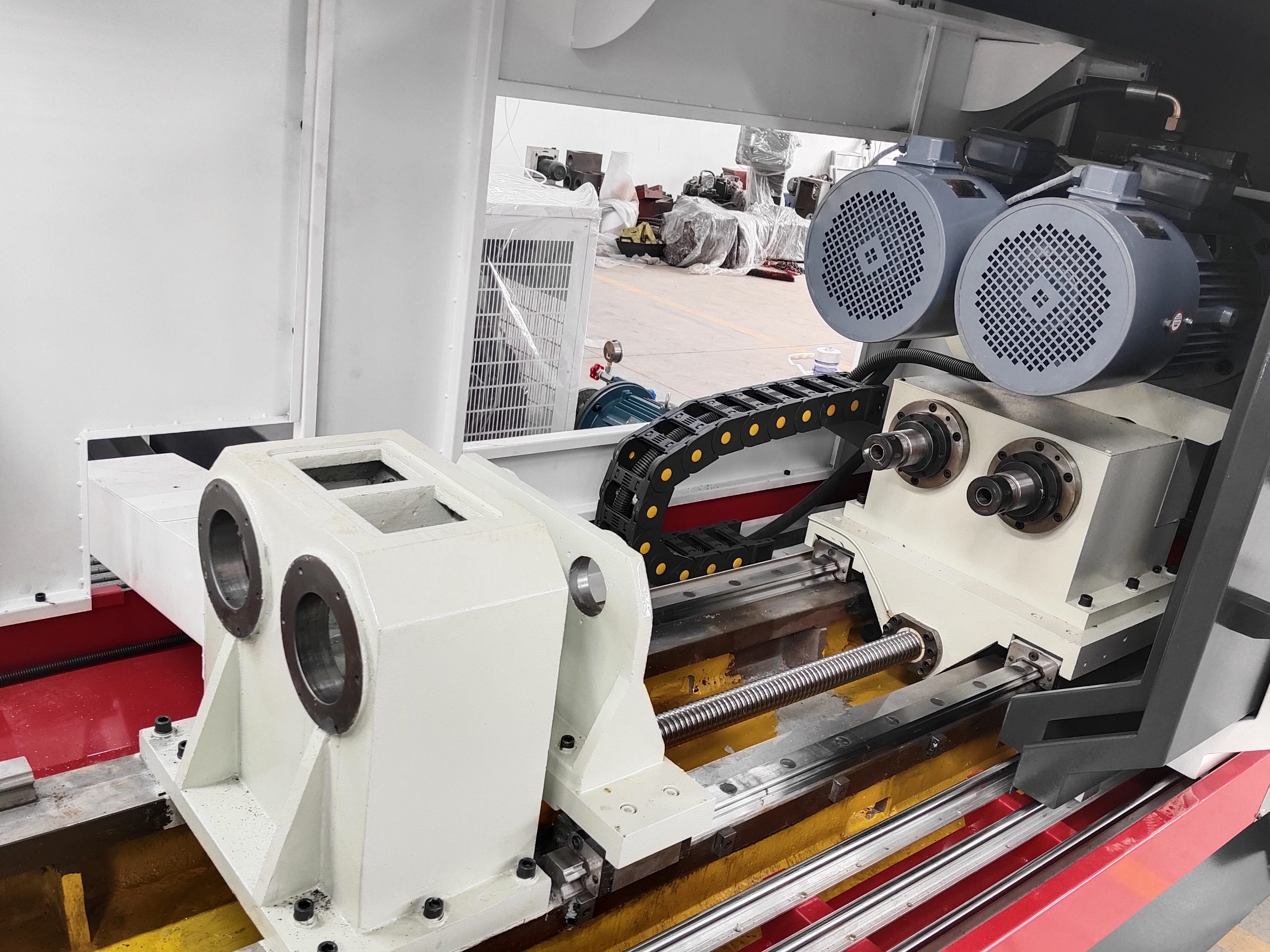
Whether it is a chisel, a hand saw, or a router bit, a dull tool is a dangerous tool. Dull tools require more force, generate more friction (heat), and leave a ragged finish. At Drillstar, we specialize in grinding technology, so we know the value of a sharp edge. A Drill Bit Grinding Machine might be overkill for a home wood shop, but the principle applies: maintain your edges.
For woodworking, you should learn to sharpen your hand tools. For power tools blades like circular saw blades or miter saw blades, it is often better to send them out to a professional sharpening service. However, keeping them clean of pitch and resin will extend their life significantly. A sharp tool cuts with a whisper; a dull tool screams.
Summary: Must-Have Woodworking Tools Checklist
Building a workshop is a journey, not a sprint. Start with the essentials and upgrade as your skills grow. Here are the main takeaways for equipping your shop:
- Start Basic: A combination square, tape measure, and a set of chisels are the foundation of precision.
- The Big Three: Prioritize a table saw, miter saw, and router as your primary power tools.
- Don’t Forget the Hand Tools: A block plane and a hand saw give you control that machines cannot match.
- Clamp It: Buy more clamps than you think you need. They are your extra hands.
- Safety First: Dust collection, eye protection, and hearing protection are essential for a long career as a woodworker.
- Quality over Quantity: Invest in high-quality blades and bits (like carbide) to get the best performance from your saws.
- Specialty Tools: Add a band saw, jointer, or lathe only when your specific type of woodworking requires them.
Whether you are building a simple birdhouse or a complex dining table, having the right woodworking tools for beginners and pros alike makes the process safer, faster, and much more enjoyable. Happy building!