If there is one thing that keeps a machine shop manager awake at night, it is the fear of inconsistent tool performance. You know the feeling. You have a massive order of aerospace parts, the machine is running, and suddenly—snap. The tool breaks, the part is scrapped, and your margin takes a hit. At Dezhou Drillstar Cutting Tool Co., Ltd, we see this scenario play out constantly. The root cause? Often, it is not the machine; it is the choice of cutting tool material.
This article is your comprehensive guide to understanding the cutting tool material landscape. We will dive deep into why carbide has become the industry standard, explore where ceramic cutting tools shine, and look at superhard materials like cubic boron nitride. Whether you are cutting cast iron, aluminum, or hardened steel, understanding the properties of these materials is the secret to unlocking better tool life and surface finish.
Why is the choice of cutting tool material critical for your machining operations?
The selection of the cutting tool is arguably the most important decision in the manufacturing process. The cutting tool is the point of contact between your expensive machine tool and the raw workpiece. If that contact point fails, everything else stops.
First, consider the heat. During machining operations, temperatures at the cutting edge can soar to over 1000°C. If the cutting tool material lacks hot hardness, it will soften and deform. This leads to poor tolerances and a rejected part. Materials used in cutting tools must maintain their stability even when the heat is on.
Second, we have to talk about wear resistance. A tool that wears down too quickly requires frequent changes. This downtime kills efficiency. By choosing the right cutting tool with the appropriate balance of toughness and wear resistance, you ensure that your production line keeps moving. It is about predictability. When a distributor like you sells a tool to a machine shop, they need to know it will last for 500 parts, not fail at 50.
What are the main types of cutting tool materials available today?
The history of metal cutting is really a history of materials science. Over the last century, we have moved from simple carbon steels to advanced composites that can cut through hardened alloys like butter.
Here is a quick breakdown of the types of cutting tool materials we commonly see:
- High-Speed Steel (HSS): The old reliable. Tough, but lacks speed.
- Cemented Carbide: The workhorse. Excellent wear resistance and speed capabilities.
- Ceramics: The speed demons. Great for high heat, but brittle.
- Cermets: A blend of ceramic and metal. Great for finishing.
- Superhard Materials (CBN & PCD): The specialists for extreme hardness or abrasive materials.
Understanding these types of cutting materials helps you match the tool to the application. You wouldn’t use a glass hammer to drive a nail, and you shouldn’t use HSS to turn hardened mold steel.
Why is cemented carbide the industry standard for modern machining?
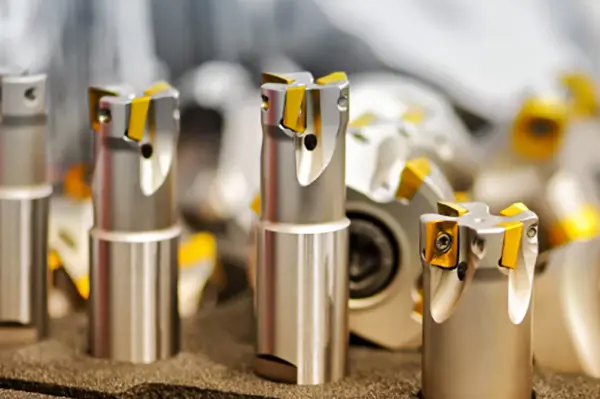
If you walk into any modern CNC shop, the vast majority of tools you see—end mills, drills, inserts—are made of cemented carbide. But what exactly is it?
Cemented carbide is a composite material. It consists of hard tungsten carbide particles cemented together by a metallic binder, usually cobalt. Think of it like concrete: the tungsten is the aggregate (stone), and the cobalt is the cement. This combination gives carbide tools a unique advantage. They are incredibly hard, offering high wear resistance, but the cobalt binder provides enough toughness to withstand the cutting forces without shattering immediately.
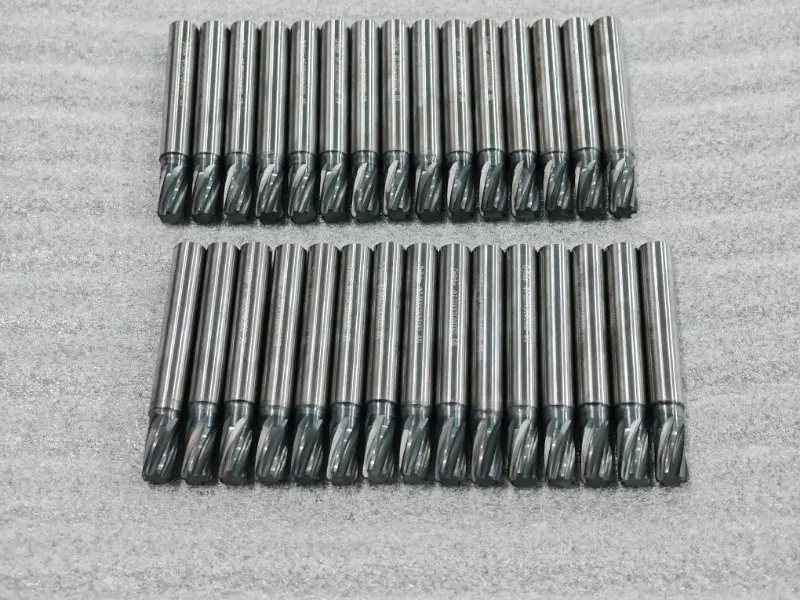
At Drillstar, we use high-quality micro-grain carbide rods to manufacture our Solid Carbide Rods. The finer the grain, the sharper the edge we can grind, and the stronger the tool. Carbide cutting tools can run at speeds 2 to 3 times faster than HSS, which translates directly to money saved on machine time.
How do High-Speed Steel (HSS) tools compare to carbide cutting tools?
You might wonder, if carbide is so great, why does high-speed steel still exist? High-speed steel (HSS) was a revolution when it was introduced, allowing for much high cutting speeds than older carbon tool steels.
The main advantage of HSS is its toughness. It can absorb shocks and vibrations that would snap a carbide tool. This makes HSS ideal for:
- Older, less stable machines.
- Interrupted cuts.
- Complex form tools that are difficult to grind from solid carbide.
However, HSS has a major weakness: hot hardness. When the cutting speed increases, heat generates rapidly. At around 600°C, HSS loses its hardness. In contrast, cemented carbide tools retain their hardness at much higher temperatures. For high-production environments where cycle time is king, carbide cutting is almost always the superior choice.
When should you use ceramic cutting tools in your machine?
Ceramic cutting tools are a fascinating category. They are composed primarily of aluminum oxide or silicon nitride. These materials are incredibly hard and chemically stable. They don’t react with the workpiece material, which prevents a type of wear called crater wear.
Ceramic cutting shines in specific scenarios:
- High-Speed Turning: You can run ceramics at incredible surface speeds.
- Hard Turning: Machining hardened steel (up to 60-65 HRC).
- Superalloys: Machining nickel-based alloys used in jet engines.
However, ceramic materials have low thermal shock resistance (in some grades) and are very brittle. If you have a machine with loose bearings or if you are doing heavy interrupted cuts, a ceramic cutting tool might shatter. They require a rigid setup. But when applied correctly, ceramic cutting tools can remove metal at rates that carbide just can’t touch.
What is Cubic Boron Nitride (CBN) and why is it the second hardest material?
When we talk about the hardest materials on earth, diamond is number one. But right behind it is cubic boron nitride (CBN). CBN is the second hardest material known to man.
CBN is primarily used for machining hard ferrous metals. Unlike diamond, CBN does not react with carbon at high temperatures, making it safe for cutting steel. Tools are used with CBN tips to machine hardened steels, cast irons, and sintered irons.
Using CBN allows manufacturers to replace grinding operations with machining. This is a process known as "hard turning." Instead of setting up a grinding wheel, you use a CBN insert to turn a hardened shaft to size. This is much faster and more environmentally friendly as it uses less coolant.
Are diamond cutting tools (PCD) the ultimate solution for non-ferrous materials?
Polycrystalline Diamond (PCD) tools are the hardest cutting tools available. Diamond cutting offers unparalleled wear resistance. However, there is a catch. You cannot use diamond to cut steel.
Why? Because steel contains carbon, and diamond is pure carbon. At the high temperatures of machining, the carbon atoms in the diamond want to migrate into the steel. This causes rapid chemical wear.
Therefore, PCD tools are the best cutting tool choice for non-ferrous materials. This includes:
- Aluminum alloys (especially high-silicon aluminum used in automotive engines).
- Copper and brass.
- Carbon fiber composites.
- Abrasive materials like wood and ceramics.
If you are machining aluminum housings for electronics, a PCD tool can last 50 to 100 times longer than a cemented carbide cutting tool.
How do coatings like Titanium Nitride improve the cutting edge?
The base material is only half the story. To get the most out of a tool, we often apply a thin coating. The most famous one is that gold-colored coating you see on drill bits: Titanium Nitride (TiN).
Coatings serve several purposes:
- Hardness: They are harder than the substrate, protecting the cutting edge.
- Lubricity: They reduce friction between the tool and the chip, reducing heat.
- Thermal Barrier: They have lower thermal conductivity, keeping the heat in the chip and out of the tool.
Beyond TiN, we use advanced coatings like Titanium Carbonitride (TiCN) and Aluminum Titanium Nitride (AlTiN). AlTiN is particularly good for carbide cutting tools used in dry machining because when it gets hot, it forms a protective layer of aluminum oxide.
What factors should guide your selection of the cutting tool?
The choice of cutting tool material shouldn’t be a guess. It should be a calculated decision based on specific variables. When we consult with clients about our Carbide Drills, we ask:
- Workpiece Material: Is it soft aluminum or abrasive cast iron? Materials like titanium require tools with specific chemical properties to prevent seizing.
- Hardness: If the HRC is above 50, you need high-performance carbide or CBN.
- Machine Condition: Is your spindle rigid? If yes, you can use harder, more brittle grades. If not, you need toughness.
- Production Volume: For a prototype, HSS might be cheap and fine. For 10,000 parts, the cost-per-part of a coated carbide tool is far lower.
The right tool is the one that gives you the lowest cost per hole or per machined surface, not necessarily the one with the lowest price tag on the box.
How do we define and measure tool life in different materials?
Tool life is generally defined as the time a tool cuts effectively before it fails or produces unacceptable parts. Failures happen due to tool wear, chipping, or plastic deformation.
In cemented carbide cutting, we look for predictable wear patterns. We want the flank wear to grow slowly and evenly. If the cutting edge chips (micro-cracks), the tool can fail catastrophically.
Different types of cutting generate different wear.
- Crater Wear: A concave depression on the tool face, caused by chemical reaction and heat. Common in steel cutting.
- Flank Wear: Abrasion on the side of the tool. This is the normal end-of-life mechanism for most carbide tools.
Using materials with high hot hardness and chemical stability (like titanium carbide coatings or silicon nitride ceramics) delays these wear mechanisms.
How does thermal conductivity affect the cutting process?
Heat is the enemy. The ability of a material to handle heat is defined by its thermal conductivity.
In some cases, you want high conductivity. For example, PCD (diamond) has very high thermal conductivity, which helps pull heat away from the cutting zone when machining aluminum.
In other cases, you want low conductivity. Ceramic cutting tool material often has low thermal conductivity. This keeps the heat in the chip and the workpiece, protecting the tool structure. However, this also means the ceramic is susceptible to thermal shock. If you blast coolant onto a hot ceramic insert, it might crack like a hot glass in cold water.
Understanding this helps in choosing cutting tool strategies—such as whether to run wet (with coolant) or dry.
Balancing Cost vs. Performance: A Manufacturer’s Perspective
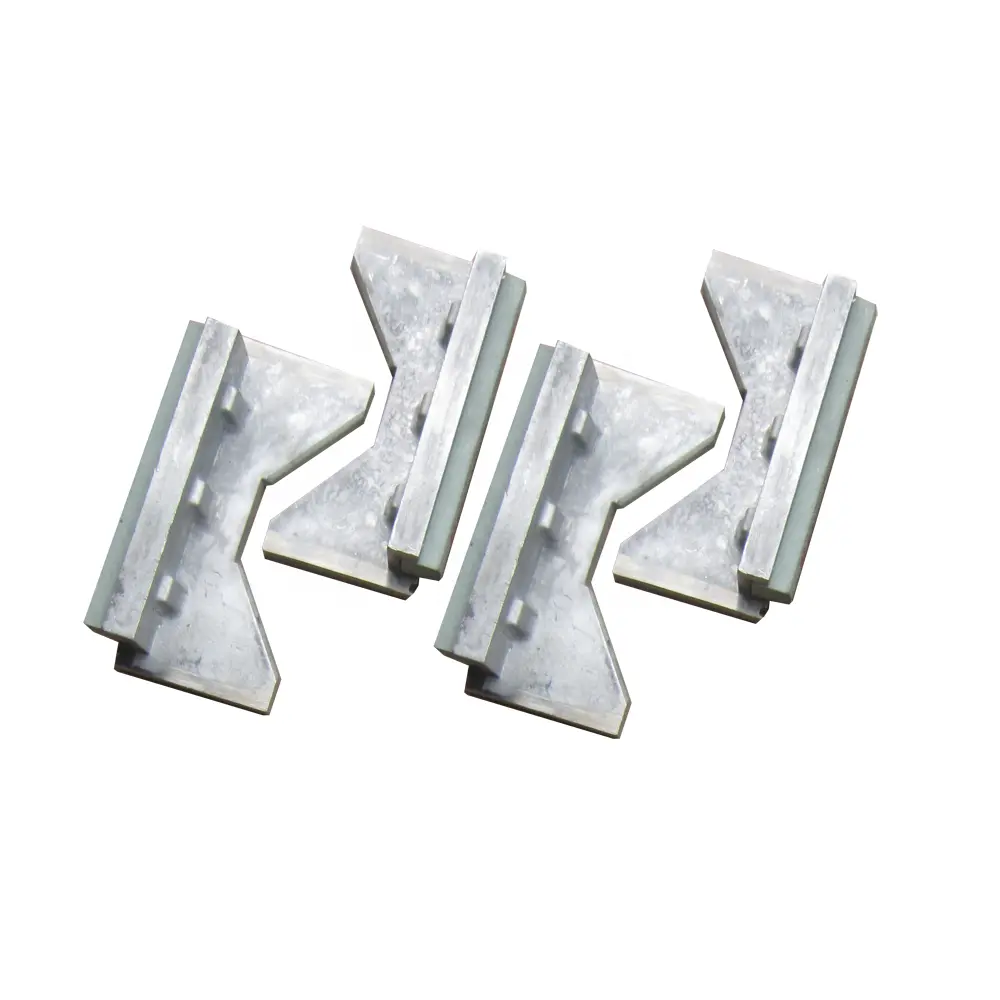
As a manufacturer of Cemented Carbide Inserts, I often have to explain to distributors why a tool costs what it does.
A standard tool might use a coarser grain tungsten carbide. It’s cheaper. A premium tool uses sub-micro grain carbide with 12% cobalt and a multi-layer nano-coating. The premium tool might cost 30% more but last 300% longer.
For machining operations where downtime is expensive (like on a massive automated production line), the expensive tool is actually the cheaper option. However, for a small job shop doing one-off repairs, the high cutting performance of premium grades might be overkill.
The guide to cutting tool purchasing is simple: calculate the cost per part, not the cost per tool.
Summary: Key Takeaways for Selecting Cutting Tool Materials
Navigating the world of cutting tool inserts and solid tools can be complex. Here are the most important things to remember from this guide:
- Cemented Carbide is King: It offers the best balance of hardness and toughness for 80% of cutting applications.
- Match the Material: Use PCD for non-ferrous materials like aluminum. Use CBN for hard steels. Use ceramics for superalloys.
- Heat Management: High temperatures kill tools. Select materials with appropriate hot hardness and thermal conductivity.
- Coatings Matter: Titanium nitride and other PVD/CVD coatings significantly extend tool life by reducing friction and blocking heat.
- Cost vs. Value: Don’t just look at the price tag. A sharp cutting edge that lasts longer reduces machine downtime and scrap rates.
- HSS has a Niche: Don’t discount high-speed steel for unstable setups or older machines where toughness beats speed.
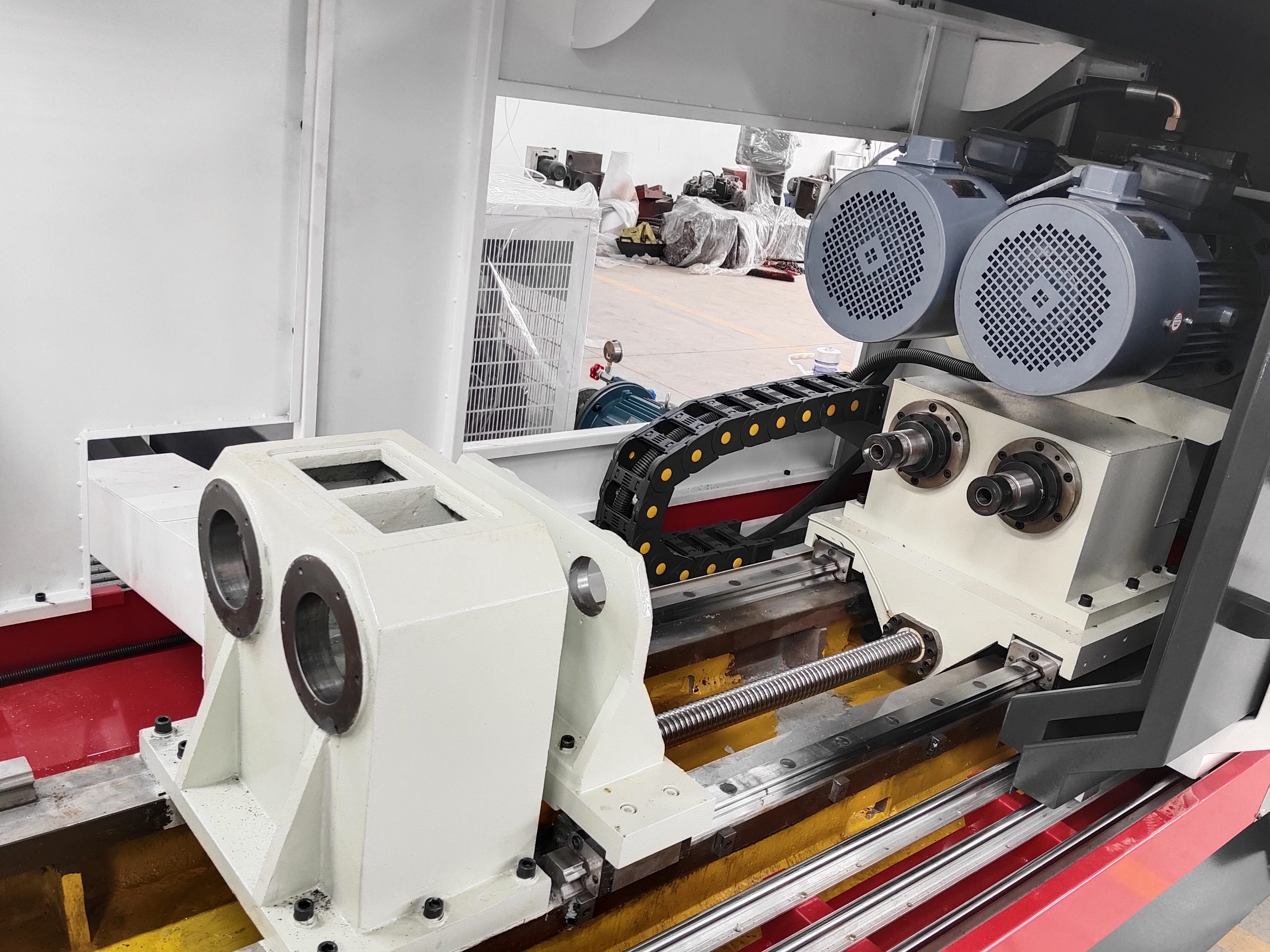
At Drillstar, we are committed to helping you find the right cutting tool for the job. Whether you need standard Drill Bit Grinding Machine solutions or custom carbide profiles, understanding the science of the material is the first step toward machining success.