Every great manufacturing project begins long before the metal hits the CNC machine. It starts deep in the ground. As a manufacturer of high-precision cutting tools, I often think about the raw materials that make our industry possible. Before we can machine a turbine blade or a mold, someone has to find the ore. This is the world of mineral exploration.
Mineral exploration is the systematic search for materials that can be mined and processed economically. It is a high-stakes game of science, technology, and intuition. This article is worth reading because it peels back the layers of the earth to show you how we identify potential mineral deposits. We will look at the different methods used, from geological mapping to advanced geophysical surveys, and explain why the drill remains the ultimate truth-teller in the mining industry.
What is mineral exploration and why is it vital?
Mineral exploration is not just about wandering around with a pickaxe. It is a sophisticated, multi-stage process designed to find a mineral deposit that is large and rich enough to mine. Without exploration activities, the supply of copper, lithium, iron, and rare earth elements would dry up. This would halt everything from electronics manufacturing to construction.
The process begins with a broad idea, often called a prospect. A company identifies a region with the right geology to host valuable minerals. They then systematically narrow down the search area. The goal is to reduce the risk of the expensive stages, like drilling, by gathering as much data as possible first. Successful exploration projects are the lifeblood of the global economy, providing the raw materials for everything we build.
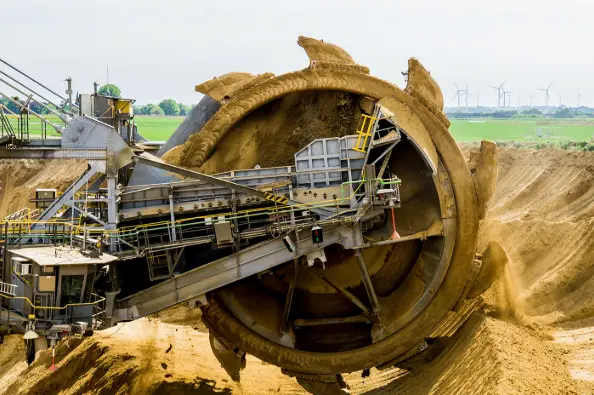
Before any heavy machinery arrives, a geologist hits the ground. Geological mapping is the systematic documentation of rock types and structures exposed at the surface. By walking the ground, geologists can identify visible signs of mineralization, such as specific alteration patterns or rock formations known to host ore bodies.
This surface geology provides the first clues about the subsurface. The geologist records the orientation of rock layers, faults, and folds. This geological information is crucial. It helps the team understand the history of the land and predict where minerals might be hiding underground. It is a low-cost, high-value activity that guides all subsequent exploration activities.
What role do geochemical surveys play in identifying mineral potential?
Ores don’t always sit on the surface; they are often buried under soil or vegetation. This is where geochemical surveys come in. As rocks weather and break down, they release trace amounts of metals into the surrounding environment. Geochemical sampling involves collecting soil, sediment, or rock chips to test for these trace elements.
Technicians might use portable XRF analyzers in the field for instant results, or send samples to a lab. They are looking for “anomalies”—areas where the concentration of a target metal is higher than the background level. For example, high copper levels in a stream sediment sample could indicate a copper deposit upstream. Geochemical methods allow companies to identify and evaluate potential mineral targets without digging deep holes yet.
How do geophysical surveys reveal the geology beneath?
While geochemistry looks at chemistry, geophysical surveys look at physics. These surveys measure the physical properties of rocks, such as magnetism, density, and electrical resistivity. Geophysical methods allow us to “see” underground without breaking the ground, much like an X-ray sees inside the body.
Geophysical surveys can be conducted from the air (airborne), on the ground, or even down a drill hole. They help define the size and shape of geological structures that might host minerals. By combining geochemical and geophysical data, exploration teams can build a compelling case for where to position their drills. This integration reduces the guesswork involved in locating a mineral deposit.
Why are magnetic and electromagnetic surveys used in mineral exploration?
One of the most common techniques is the magnetic survey. Magnetic surveys measure variations in the Earth’s magnetic field caused by magnetic minerals like magnetite or pyrrhotite. These surveys are excellent for mapping different rock types and faults hidden beneath the soil.
Electromagnetic (EM) surveys are also widely used in mineral exploration. These surveys use an induced current to detect conductive bodies underground. Massive sulfide deposits (which are rich in copper, lead, and zinc) are often highly conductive. When an EM survey lights up a specific area, it is a strong indicator of mineral potential. These surveys measure variations that the human eye simply cannot see.
Can seismic and gravity surveys provide a three-dimensional view?
For deeper or larger structures, geologists turn to seismic and gravity surveys. Gravity surveys measure tiny differences in the Earth’s gravitational pull caused by variations in rock density. Dense ore bodies, like iron ore, will create a positive gravity anomaly.
Seismic surveys provide a detailed image of the subsurface geology. By sending sound waves into the ground and measuring how they bounce back, geologists can map stratigraphy and faults. This data is often used to create three-dimensional models of a basin or deposit. While seismic is expensive and requires significant data processing, it is invaluable for understanding the deep structure of potential mineral deposits.
What is the importance of trenching and pitting?
Before bringing in a big drill rig, it is often wise to do some trenching and pitting. This involves using an excavator to dig a long trench or a pit across a geochemical anomaly. The goal is to expose the bedrock beneath the soil and cover.
Trenching and pitting allow the geologist to see the rock types and structures in situ. They can take continuous channel samples along the trench to get a better idea of the mineral content. It is a bridge between surface mapping and drilling. It confirms if the anomaly in the soil is coming from the bedrock directly below or if it has been transported from somewhere else.
How does the drill validate the existence of an ore body?
Ultimately, you cannot mine a magnetic anomaly or a soil sample. You have to see the rock. The drill is the most critical tool in the exploration process. Drilling methods vary, but the two most common are reverse circulation drilling (RC) and diamond core drilling.
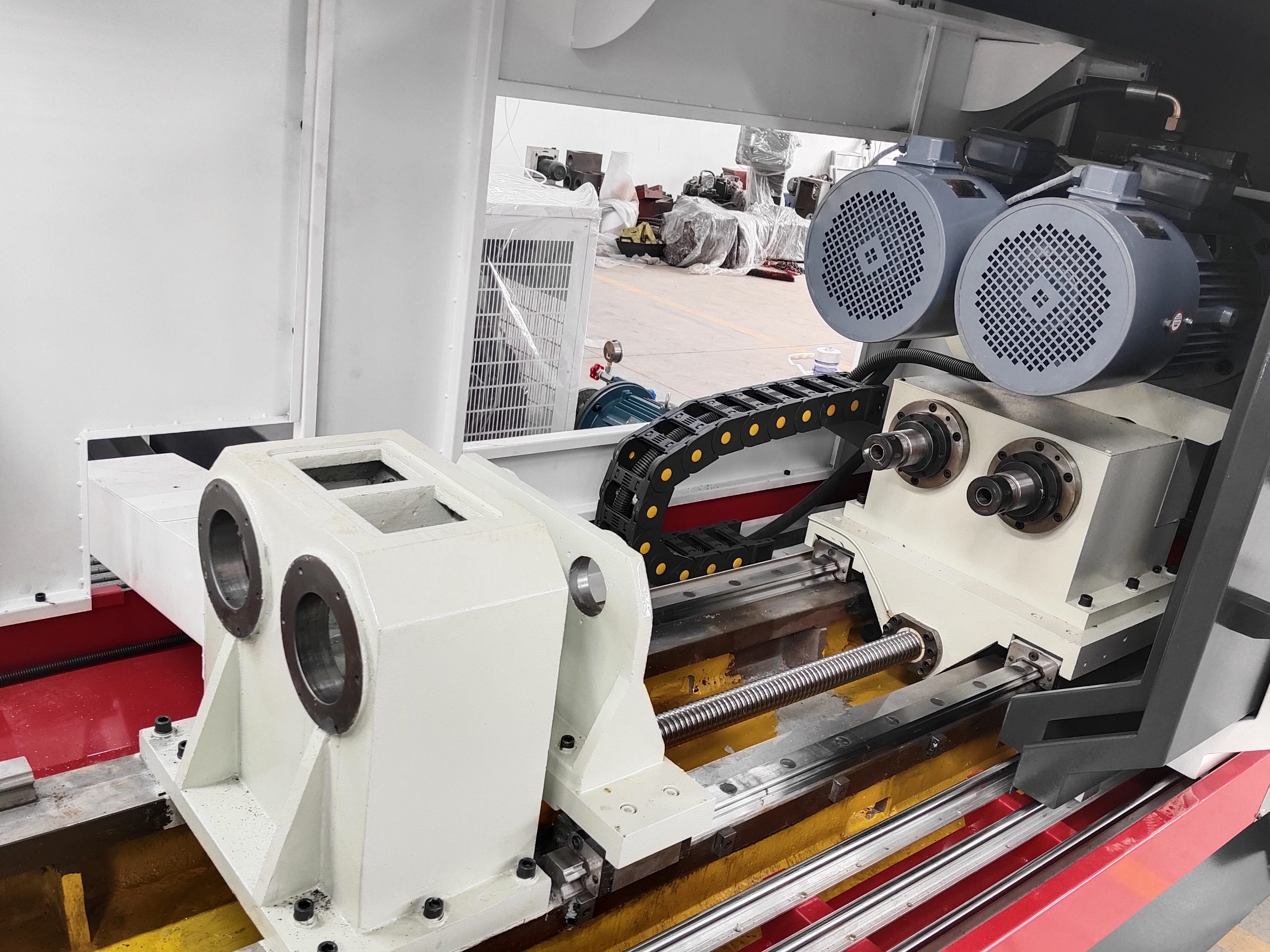
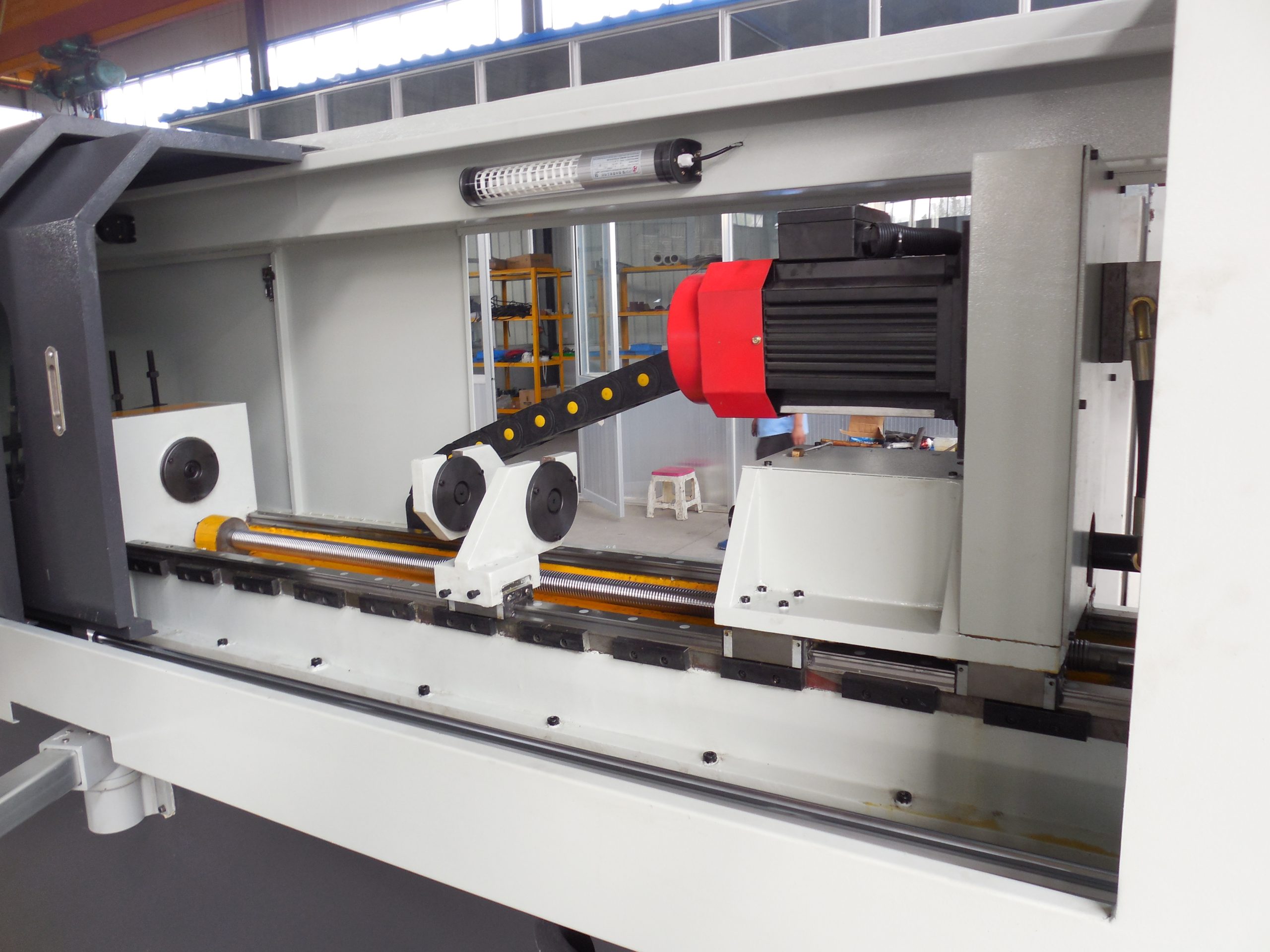
Diamond drilling involves extracting cylindrical core samples of solid rock. This core provides the most detailed information about rock texture, structure, and grade. As a manufacturer of Cemented Carbide Gun Drill Bit and other high-performance tools, we understand the stress placed on these bits. They must cut through hard, abrasive rock thousands of meters deep. The drill provides the “truth” about the mineral deposit. It confirms the depth, thickness, and quality of the ore.
What are the environmental impact assessments required?
Modern mineral exploration is strictly regulated. Before any significant disturbance occurs, companies must conduct environmental impact assessments. They must consider the local flora, fauna, and water systems.
Exploration activities must minimize damage. For example, drilling methods are chosen to limit the footprint. Companies are required to rehabilitate the land after they are done. This includes capping drill holes, refilling trenches, and replanting vegetation. Protecting groundwater from contamination is a top priority. A responsible exploration program proves that we can extract resources while respecting the environment.
How do companies decide if a prospect is economically viable?
Finding minerals is one thing; making money is another. After the drill results are in, the data is fed into a resource model. This model estimates the tonnage and grade of the mineral resources.
Engineers and geologists then conduct feasibility studies. They look at the cost to extract the ore, the metallurgical recovery (how much metal can be separated), and the current market prices. This decision-making process determines if the project moves from exploration efforts to mining operations. Only a small fraction of prospects ever become mines, but those that do provide the economically critical materials our society relies on.
In my line of work at Drillstar, we see firsthand how the quality of the drill bit affects the success of exploration. Whether it is a Cemented Carbide Ball Tooth used in percussion drilling or a precision core bit, the tool must perform. If a drill bit fails deep in a hole, it costs time and money to retrieve.
Consistent tooling allows exploration companies to drill deeper and faster. We use advanced materials like tungsten carbide and Stellite Alloy Welding Electrode materials to ensure our tools can withstand the extreme abrasive materials found in the earth’s crust. Reliable tools mean reliable samples, and reliable samples lead to better decisions.
Summary: Key Takeaways on Mineral Exploration
Mineral exploration is a complex, data-driven science. It requires patience, investment, and a lot of drilling. Here are the main points to remember:
- Foundation: Geological mapping sets the stage by identifying surface rock types.
- Chemistry: Geochemical surveys analyze soil and sediment to find hidden anomalies.
- Physics: Geophysical surveys (Magnetic, Seismic, EM) see inside the earth to map subsurface structures.
- The Truth Machine: The drill is essential. Core samples are the only way to prove the grade and existence of ore bodies.
- Sustainability: Managing environmental impact and planning for rehabilitation is mandatory.
- Economics: Data from exploration activities determines if a project is economically viable for mining.
From the first soil sample to the final feasibility study, mineral exploration is the engine that drives the global supply chain. It turns a rocky outcrop into the resources that build our future.