A flawless manufacturing operation requires far more than just powerful, heavy machinery; it demands absolute precision exactly at the point of contact. This comprehensive article explores the highly technical and intricate world of the drawing die. We will dive deep into why selecting the right drawing die actually dictates the success of your entire production line. We will also explain how upgrading to advanced superhard materials can drastically cut your expensive downtime. If your shop is tired of snapping wires, dealing with unacceptable surface defects, or constantly swapping out worn tooling, this guide will show you how to start maximizing your daily output efficiently.
In the fast-paced world of industrial fabrication, consistency is everything. Whether you are supplying the automotive sector or providing aerospace components, your raw materials must meet incredibly tight tolerances. Understanding the fundamental mechanics inside your tooling will give you a massive competitive edge.
The wire drawing process is a brilliant yet brutal method of mechanical deformation. You start with a thick wire rod. This metal wire is then grabbed tightly by mechanical grips. Next, it is pulled through the die. As it passes through the narrowing opening, the cross-sectional area shrinks, simultaneously increasing its overall length. It is a continuous operation driven entirely by pulling tension, rather than pushing compression.
The pulling force required to do this is immense. This force literally alters the internal grain structure of the material at a microscopic level. When drawing wire, you drastically increase the tensile strength of the metal through a phenomenon known as work hardening. A standard drawing machine can spool miles of this newly formed material in mere minutes.
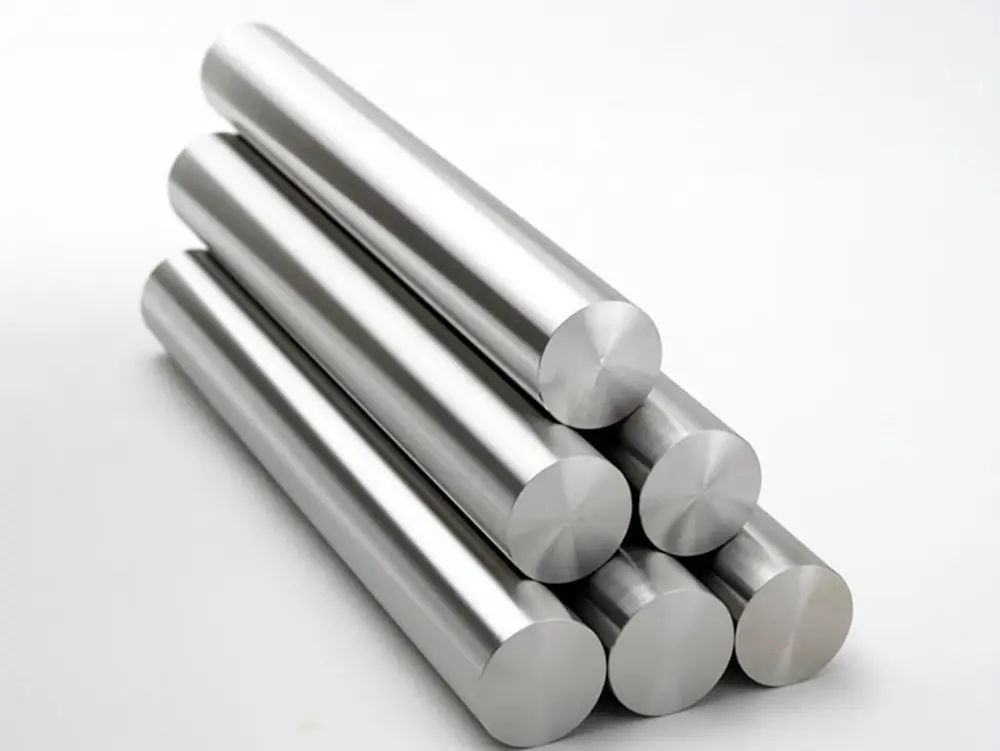
Whether you are producing thick steel bars for construction purposes or ultra thin wires for delicate electronics, the core physics remain exactly the same. The wire is drawn continuously until it reaches the exact target dimension required by the customer. Understanding this fundamental transformation helps operators troubleshoot issues before they result in scrapped batches.
Similar to a heavy-duty Extrusion Die, the drawing die acts as the absolute gatekeeper of your factory floor. The interaction between the wire and the die is incredibly violent. We are talking about severe sliding friction and intense, localized heat generation. A high-quality die must withstand this brutal, abrasive environment without losing its geometric shape. If the die surface degrades even slightly, the wire quality instantly drops to unacceptable levels.
Think critically about the quality of the final product your facility ships. A compromised tool will score the metal, leaving deep, unacceptable marks that can lead to micro-cracking downstream. The wire and the die surface are in constant, aggressive physical contact during production. A premium wire drawing die ensures that the final wire maintains perfect concentricity, roundness, and a mirror-like finish. This is exactly why top manufacturers obsess over the specific die material and its exact internal geometric profile.
Why is the carbide die still the backbone of the wire drawing industry?
Take a walk through any major manufacturing facility across the globe today. You will undoubtedly see carbide tooling everywhere. The carbide die remains the absolute, undisputed workhorse used in the wire drawing sector. To manufacture these robust tools, engineers take raw tungsten powder and mix it with a cobalt binder. This creates tungsten carbide, a composite material boasting incredible hardness and industrial durability.
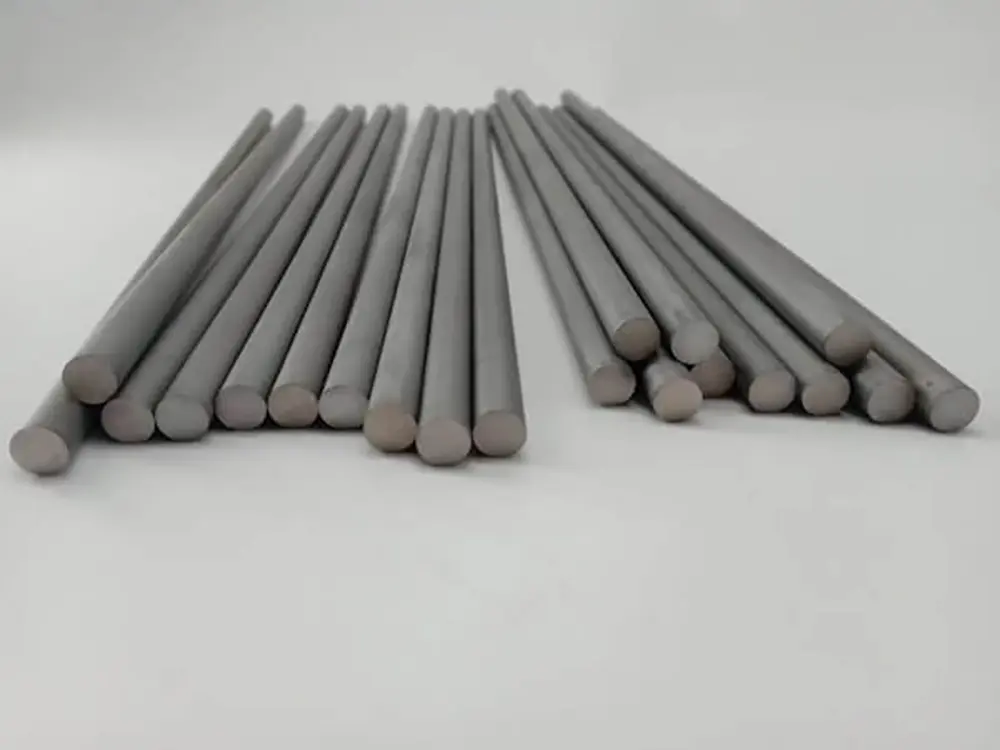
For drawing steel, nothing currently beats the cost-to-performance ratio of a carbide die. When producing thick architectural cables or a standard steel wire, the sheer impact resistance of the carbide nib prevents catastrophic shattering under heavy loads. It offers exceptional wear resistance against highly abrasive metals. At Drillstar, we utilize similar advanced metallurgical principles when crafting ourSolid Tungsten Carbide Rods because we know firsthand how well this alloy survives daily shop abuse. Carbide handles a wide range of applications flawlessly, making it a staple in the inventory of any serious CNC distributor or production manager.
When should you invest in superhard diamond dies for your wire?
While carbide is a fantastic, versatile option, certain high-tech jobs demand the absolute extreme. Enter the remarkable diamond dies. These are made of diamond, making them the most wear-resistant tools on the planet. The extreme hardness of diamond allows these advanced tools to hold their exact diameter for astonishingly long periods, far outlasting any conventional steel or alloy tool.
You deploy these expensive dies when dimensional consistency over long runs is completely non-negotiable. They truly excel at drawing fine wires and delicate ultra thin wires. In these specific applications, even a microscopic deviation in tooling size causes an immediate break in the line. They are heavily utilized for drawing soft metals like copper and aluminum, especially for the telecommunications industry. Despite the significant upfront cost, the massive die lifespan often results in a much lower overall cost-per-foot produced, delighting pragmatic procurement managers focused on long-term ROI.
How do PCD (Polycrystalline Diamond) and natural diamond compare for wire drawing?
When selecting diamond dies for your facility, you generally have two main choices. You can choose PCD or a natural diamond insert. PCD stands for polycrystalline diamond. It is a synthetic, superhard mass created in laboratories under immense heat and extreme pressure. Because PCD features randomly oriented crystals, it is incredibly tough and highly resistant to impact. It wears evenly across its entire surface. Crucially, it lacks the natural cleavage planes that can sometimes cause a mined natural stone to crack unpredictably.
On the other hand, natural diamond dies offer the absolute pinnacle of smoothness. If your specific application requires an optical-grade, flawless finish on precious metals, natural is definitely the way to go. However, PCD has largely taken over for general high-precision drawing because of its incredibly predictable die life and consistent performance. We see this synthetic toughness mirrored in modern, cutting-edge turning technology, much like the advanced CD Texture Cutter (Diamond Turning Tool) used to achieve flawless mirror finishes on CNC lathes.

What role does proper lubrication play in the drawing process?
You can purchase the most expensive wire drawing die in the world. However, without proper lubrication, it will fail rapidly and spectacularly. Friction inherently generates high heat. Too much unmitigated heat will literally weld the hot wire to the die. A high-performance liquid or powder lubricant acts as a vital protective barrier. It effectively cools the hot zone and flushes away microscopic metallic debris before it can cause scratches.
A good wet emulsion or dry drawing powder lubricant significantly reduces friction. It helps to actively dissipate heat away from the critical deformation zone. When the thin lubrication boundary breaks down due to starvation, you get immediate, direct metal-to-metal contact. This inevitably causes a destructive wear ring to form at the exact point where the metal enters the tool. In highly automated, modern setups, every single die uses advanced fluid delivery systems and sensors. This sophisticated cooling protects the expensive tooling from premature thermal failure.
How do you combat die wear and maximize service life?
Unfortunately, die wear is an inevitable part of physics. But with the right strategies, it can be strictly managed and minimized. The vast majority of damage occurs exactly where the incoming metal first impacts the narrowing funnel. This area experiences maximum wear due to the sudden, violent compressive forces applied to the raw material. You combat this primarily by carefully selecting the die material based heavily on the abrasiveness and hardness of the incoming rod.
Routine, scheduled inspection is absolutely key for shop efficiency. Before a drawing die completely fails and ruins a batch, skilled technicians can often repolish the profile. They can accurately resize it to a slightly larger diameter for the next stage in the line. Utilizing extremely tough structural inserts, very similar in concept to a Cemented Carbide Wear-Resistant Bushing, extends your overall machinery life. Protecting the shop environment against abrasive dust and filtering coolant also increases your tool’s service life immensely.
Can you achieve a massive reduction of wire in a single pass?
In most practical, real-world cases, no. Trying to aggressively force a massive reduction of wire through a single die usually snaps the metal instantly or shatters the expensive tool. The drawing speed and the material’s innate physical limits completely prevent it. Instead, smart manufacturers utilize multiple dies arranged in a long, continuous series. You need multiple dies on a wire drawing machine to achieve extreme diameter changes safely.
As the wire travels swiftly down the production line, it is pulled through the die sequentially. Each die slightly reduces the cross-sectional profile by a mathematically calculated percentage. This smart, progressive method allows the material to be drawn down through different diameters safely without exceeding its tensile limits. By strategically spreading the heavy deformation work across a whole range of die sizes, the tension always remains safely below the breaking point. This multi-stage wire drawing process is highly efficient and drastically reduces scrap rates.
What are the key internal components of a wire drawing die?
Look closely inside a drawing die, and you will find a highly engineered, multi-zone geometry. It is absolutely not just a simple hole drilled through metal. First, the material enters the approach angle (or reduction cone). This is the crucial, heavily stressed zone where actual plastic deformation happens. The angle must perfectly match the wire material to ensure a smooth, uninterrupted flow.
Next, it passes directly into the bearing zone. This is a perfectly cylindrical section that strictly dictates the exact final diameter and ensures the wire is perfectly round. Finally, there is a back relief or exit cone. The back relief prevents the hot metal from scraping or snagging as it springs back slightly upon leaving the tight bearing area. Every single millimeter matters when you are chasing perfection in manufacturing.
How do you choose the materials for wire drawing dies based on your needs?
Selecting the materials for wire drawing dies boils down to perfectly matching the tool to the specific production run. You have a wide range of materials to pull in today’s market, including steel, copper, gold, and incredibly tough aerospace alloys. Each of these unique metals demands a customized, tailored approach.
If you are pulling heavy, highly abrasive alloy steel, standard tungsten carbide is undeniably your best bet. If you are drawing hundreds of miles of copper for standard household cable, PCD is the accepted industry standard for both unmatched speed and longevity. When extreme surface perfection on medical or aerospace fine wires is the primary goal, natural diamond takes the crown. The materials used inside the die must always be significantly harder and vastly more wear-resistant than the material you pull.
Summary: Key Takeaways for Wire Drawing Success
Mastering the complexities of drawing technology is what separates average machine shops from elite, high-volume manufacturing powerhouses. Here are the most vital points to remember:
- The Physical Foundation: The wire drawing process relies entirely on controlled tensile pulling force to achieve massive plastic deformation without breaking the substrate.
- Strategic Material Selection: Always choose a carbide die for tough industrial steels, deploy PCD for extremely long runs of soft metals, and reserve natural diamond for the absolute finest surface finishes.
- Friction is the Ultimate Enemy: Implementing proper lubrication drastically reduces friction, cools the tool efficiently, and prevents a premature, catastrophic wear ring.
- Precision Internal Geometry: The calculated approach angle, the precise cylindrical bearing zone, and the smooth back relief all work synergistically to guarantee exact dimensions.
- Proactive Maintenance: Routine, scheduled inspection of your wire drawing die greatly extends its die lifespan, ensuring a highly profitable and interruption-free operation.
At Drillstar, we understand the relentless pressures of industrial manufacturing. Whether you are searching for advanced Stellite Alloy Powder for custom hardfacing or need reliable insights into solid carbide performance, knowing exactly how your tools interact with your materials is the foundation of long-term success.