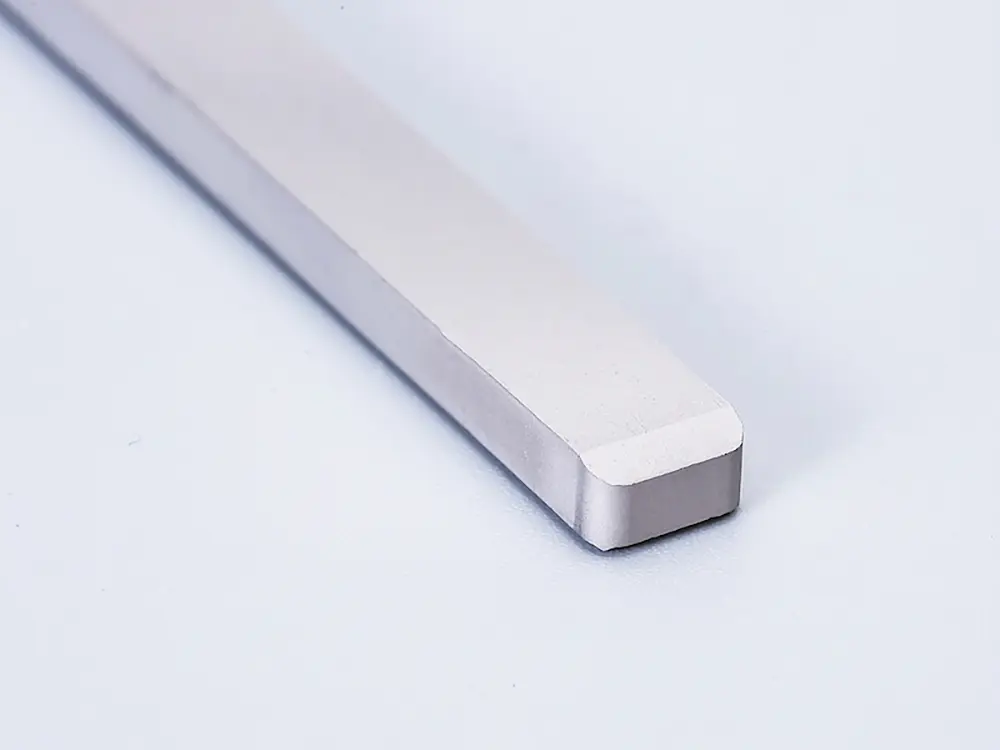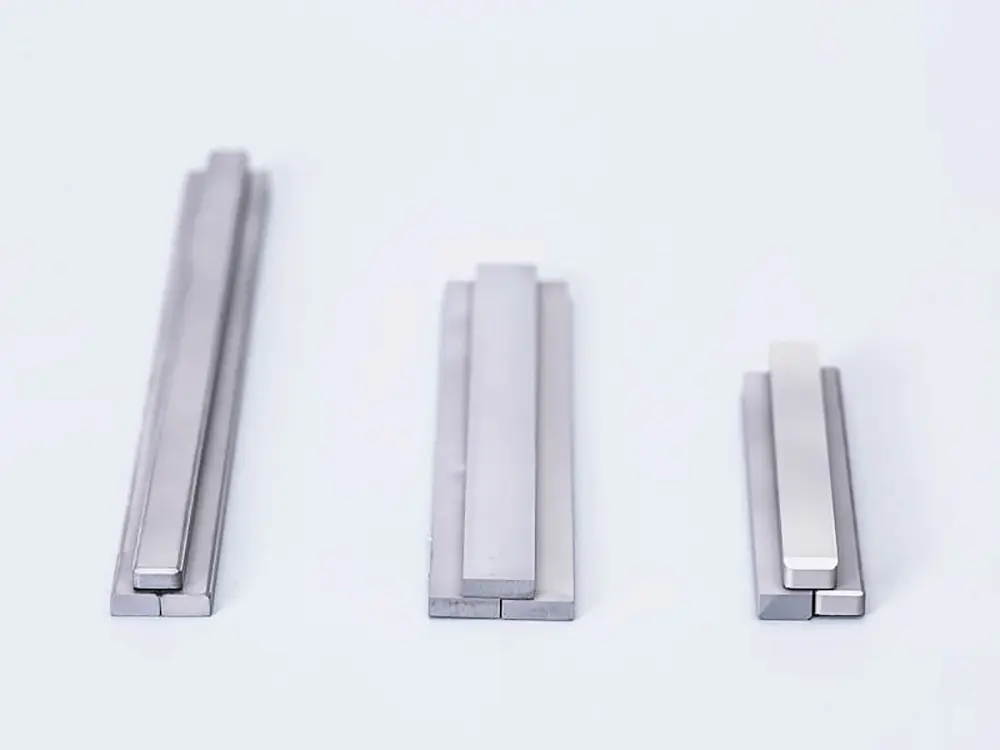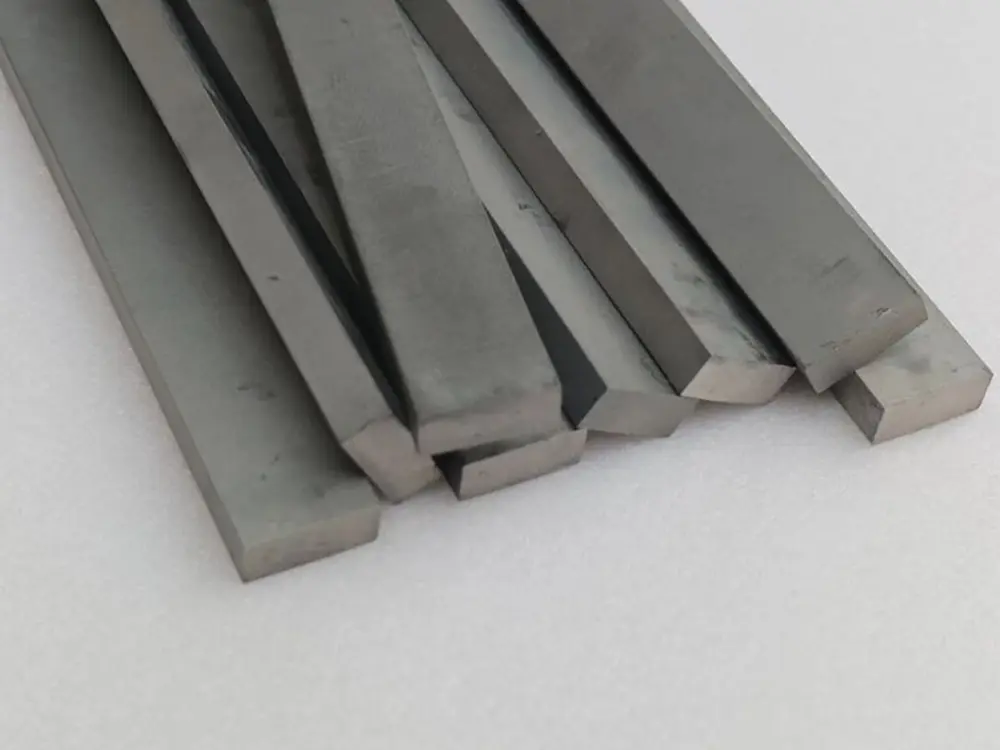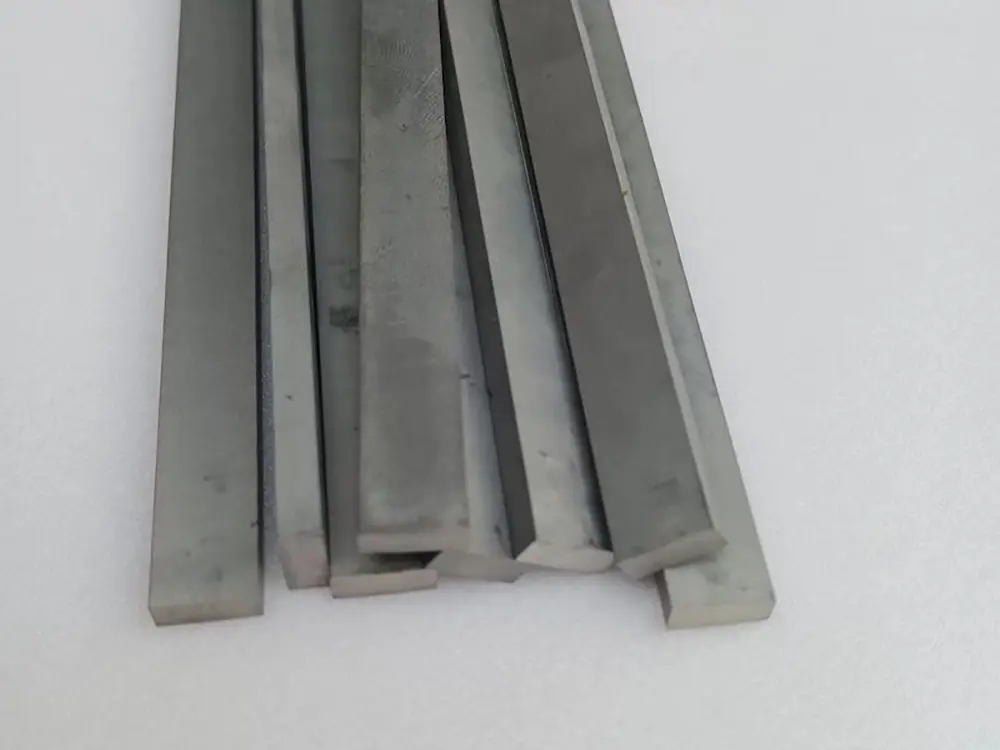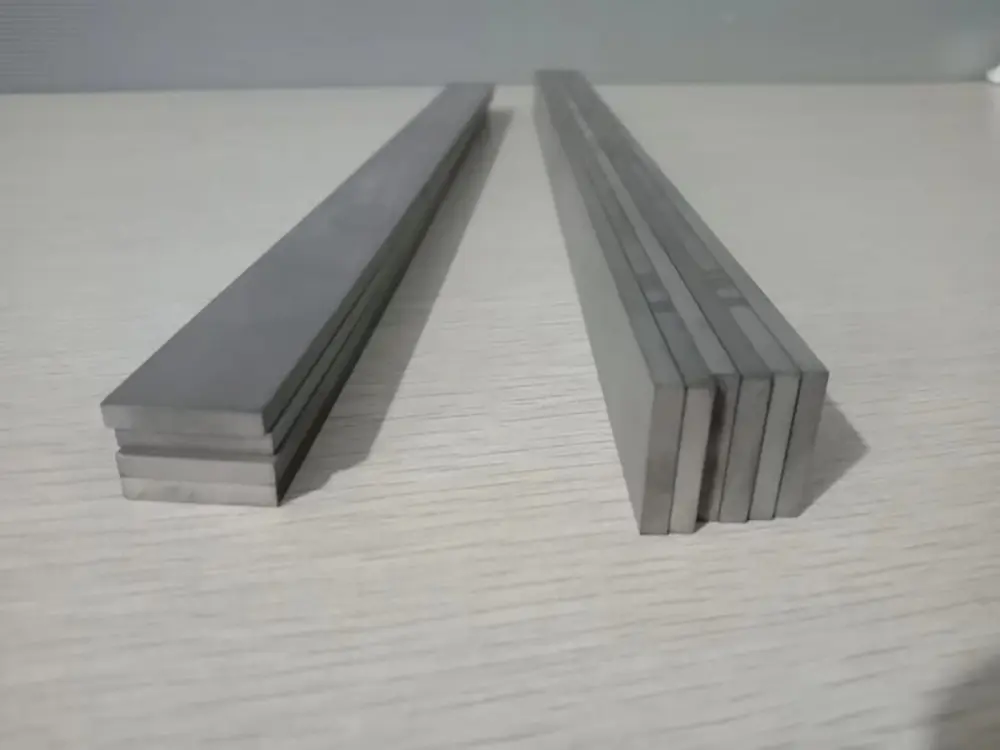


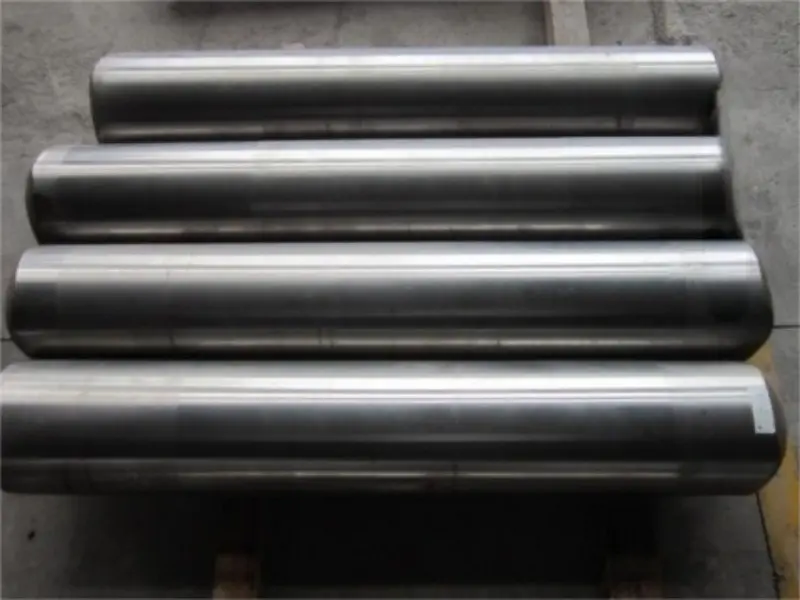
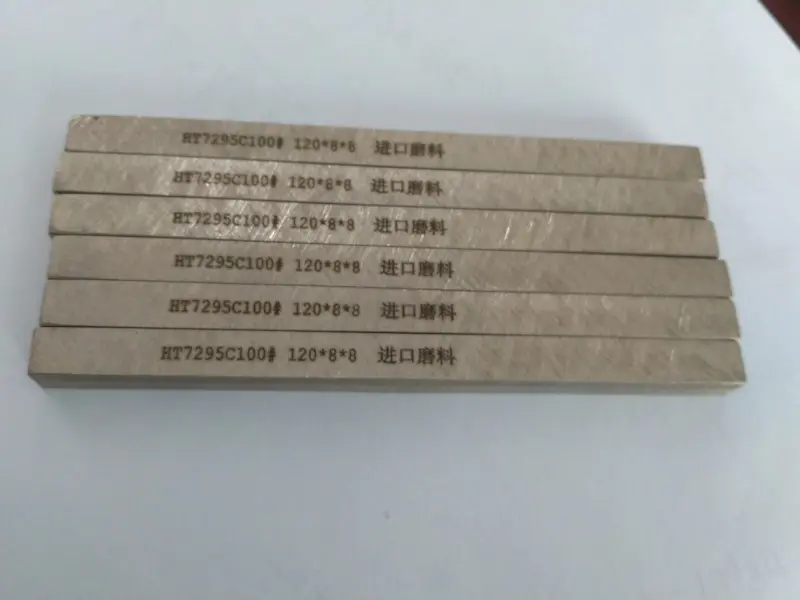
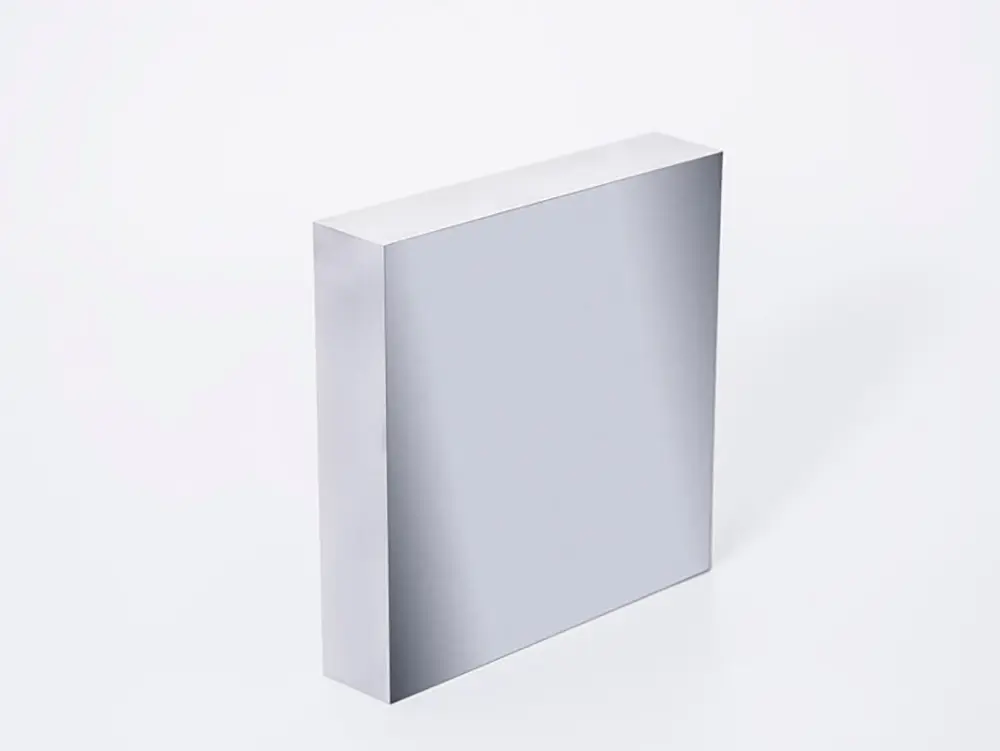
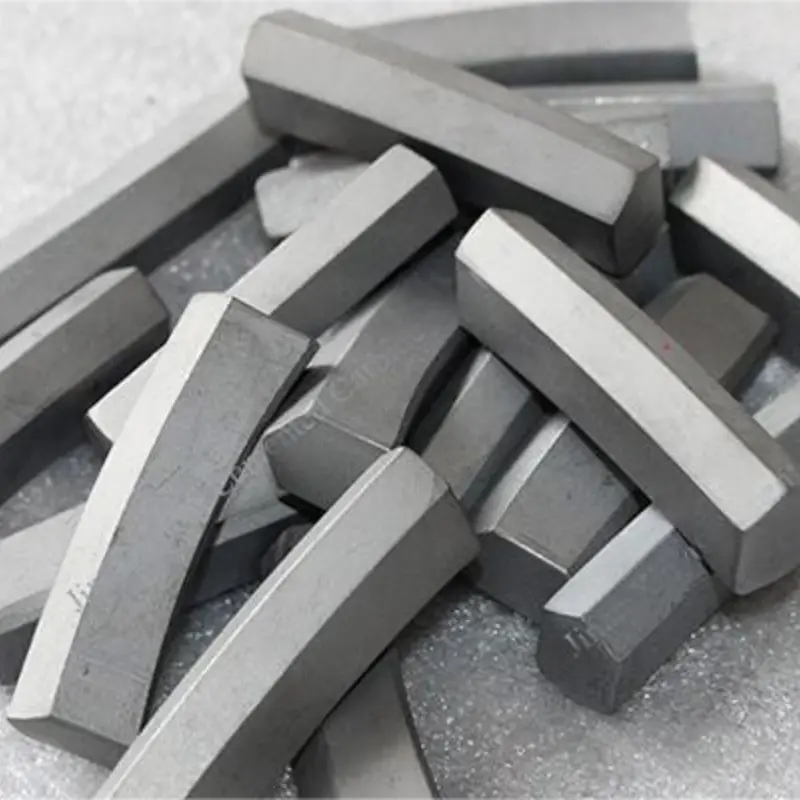
Carbide strips, also known as tungsten carbide strips or cemented carbide flat bars, are rectangular or flat-bar-shaped pieces made from tungsten carbide. They are engineered to provide superior wear resistance as protective liners or cutting edges on machinery and equipment subjected to severe abrasion.
Exceptional Abrasion Resistance: The primary property, offering excellent protection against wear from sand, gravel, ore, coal, and other abrasive materials.
High Strength and Rigidity: Possesses high compressive strength and maintains its shape under heavy load, resisting deformation.
Good Impact Toughness: With proper grade selection, it can withstand moderate levels of impact alongside extreme abrasion.
Customizable Geometry: Available in various standard and custom thicknesses, widths, and lengths to suit different application needs.
Carbide strips are manufactured through a powder metallurgy process:
Powder Preparation: Tungsten carbide powder is mixed with a cobalt (or nickel) binder.
Pressing: The powder mixture is pressed in a mold to form a "green" strip of the desired dimensions.
Sintering: The pressed strip is heated in a vacuum furnace at high temperatures. This sinters the powder particles, creating a dense, solid, and incredibly hard material.
Carbide strips are widely used across industries as a cost-effective solution to extend equipment life by protecting vulnerable surfaces.
Wear Protection Liners: Bonded or bolted onto surfaces in equipment like:
Chutes, Hoppers, and Silos: To resist abrasion from falling bulk materials.
Fan Blades and Housing: In industrial fans handling dusty or particulate-laden air.
Pump Casings and Impellers: For handling abrasive slurries.
Cutting and Shearing Edges: Used as the sharp, durable edge on:
Circular Saw Blades for cutting wood, plastics, and non-ferrous metals.
Shear Blades for metal processing.
Paper and Plastic Cutting Knives.
Guide Rails and Wear Parts: Used in automation, conveyors, and machinery where components are subject to constant sliding friction.
The following table summarizes the key features for a quick overview:
| Feature | Description | Advantage |
| Form | Rectangular or flat-bar shaped tungsten carbide. | Ideal for protecting flat or curved surfaces and creating long, straight cutting edges. |
| Material | Tungsten carbide with a cobalt/nickel binder. | Provides a perfect balance of wear resistance and mechanical strength. |
| Manufacturing | Powder pressing and sintering. | Ensures a consistent, high-quality, and pore-free structure. |
| Core Function | Abrasion-resistant protection & precision cutting. | Significantly extends the service life of critical equipment components. |
| Key Benefit | Reduced Downtime and Maintenance Costs. | Protects less durable base materials, leading to higher operational efficiency. |
| Common Applications | Wear liners, saw blade tips, shear blades, guide rails. | A versatile and essential component for combating wear in industrial settings. |
In summary, Carbide Strips are a fundamental and highly effective engineering solution for combating wear. Their simple strip form makes them incredibly versatile for application as protective armor or sharp, long-lasting edges, providing a reliable and economical way to enhance the durability of machinery operating in abrasive environments.
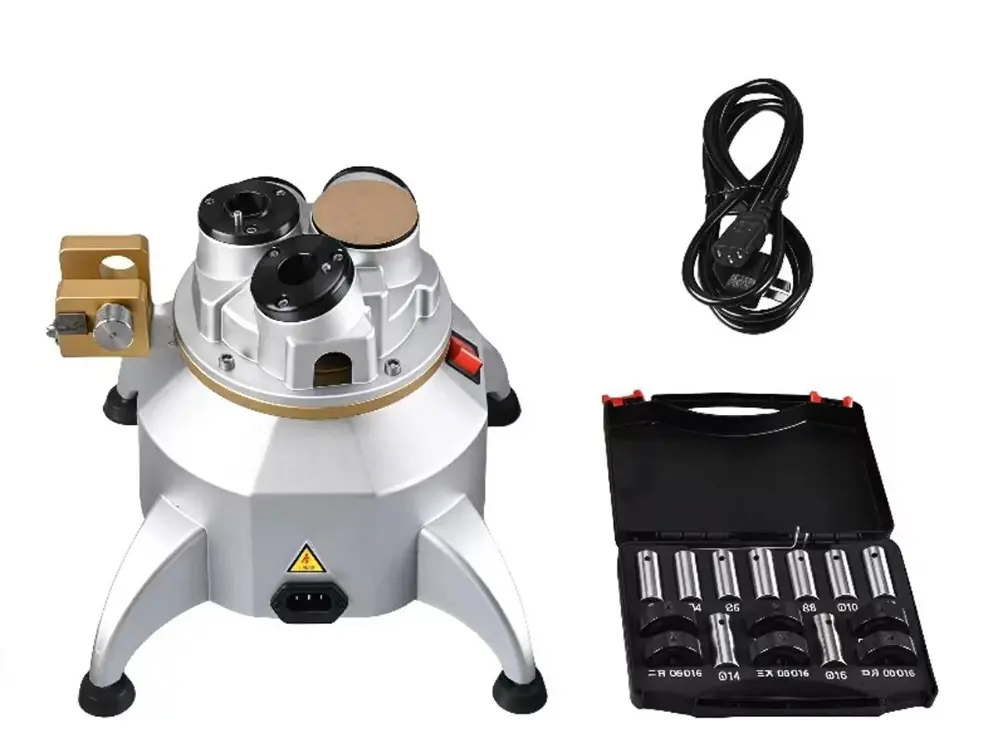
Parameter Model×3 is a portable knife sharpener that can grind 2-blade,3-blade, and 4...
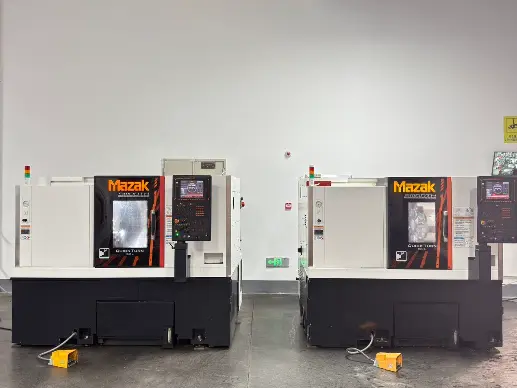
Product parameter Japanese MAZAK Machine Tools Model Production Date Basic Confi...
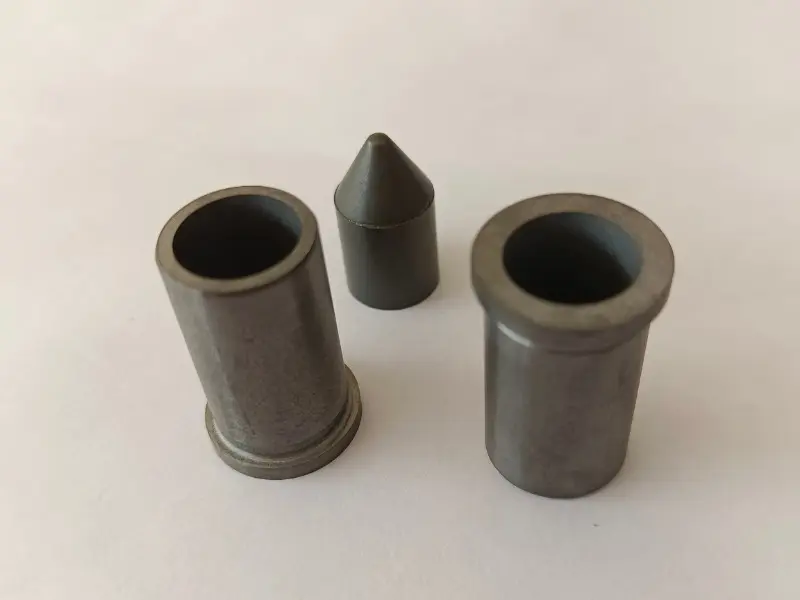
The wear-resistant bushing is a versatile wear-resistant protective component made of high-quality cemented carbide material. It is widely used in machinery manufacturing, automation equipment, hydraulic systems and other fields to reduce friction and wear between moving parts and protect base parts. It has the characteristics of compact structure, easy installation, good wear resistance and long service life, and can be customized in size and material according to different working conditions.
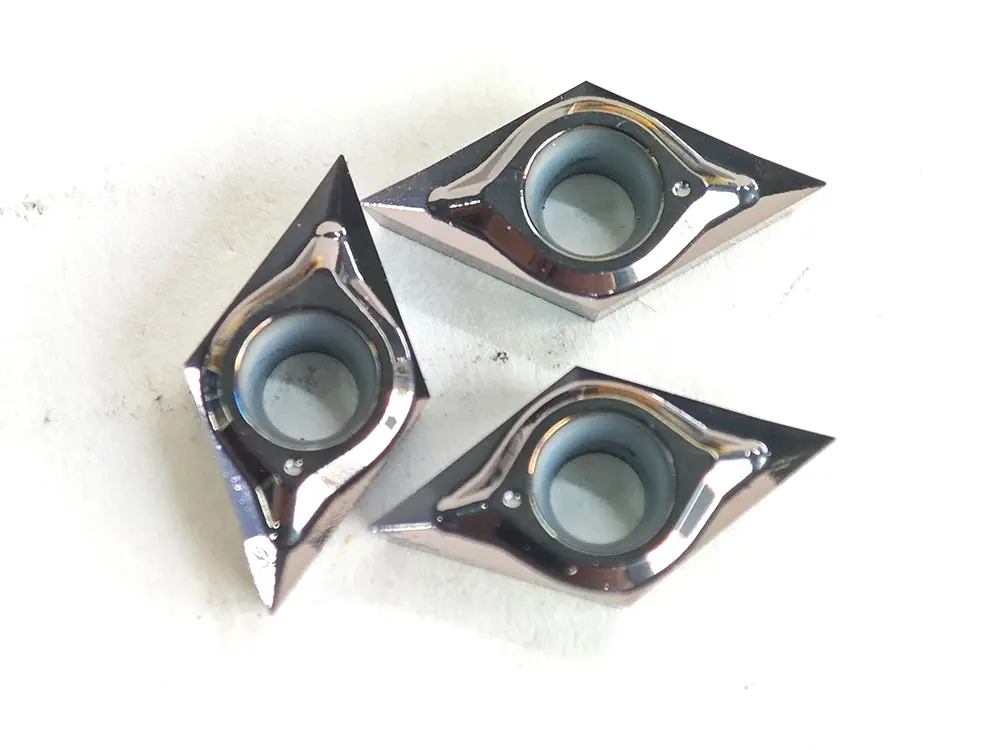
Rhombic CNC inserts are among the most widely used types of indexable inserts in CNC turning and boring processes. They are named for their rhombic shape (a quadrilateral with parallel opposite sides and fixed included angles between adjacent sides), and are primarily suitable for operations such as external turning, internal boring, and face turning.
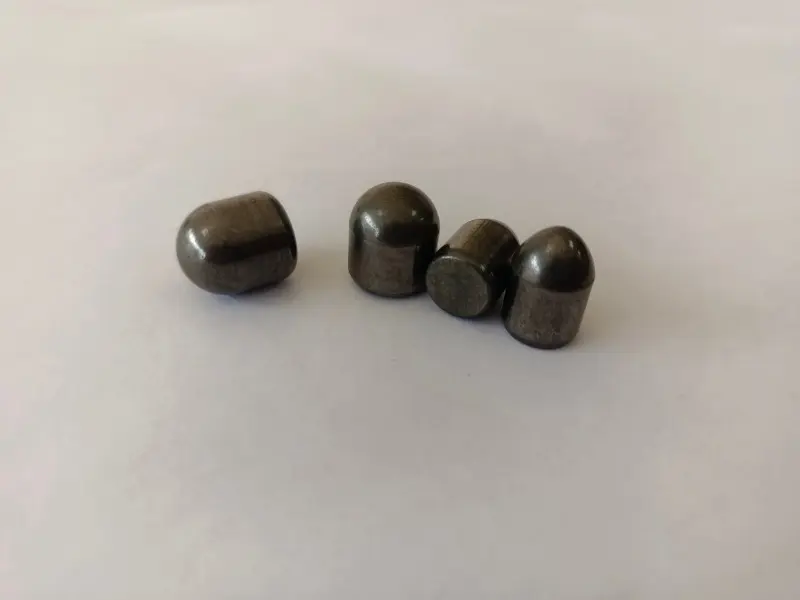
Cemented carbide ball tooth is a multi-functional cemented carbide cutting/crushing component with a spherical head. It has excellent impact toughness, wear resistance and cutting performance. Widely used in mining, tunnel excavation, building crushing and other fields, it is installed on drilling rigs, crushers, excavators and other equipment. It can efficiently crush hard materials such as rocks, ores and concrete, and is a key wearing part in the geology, mining and construction industries.
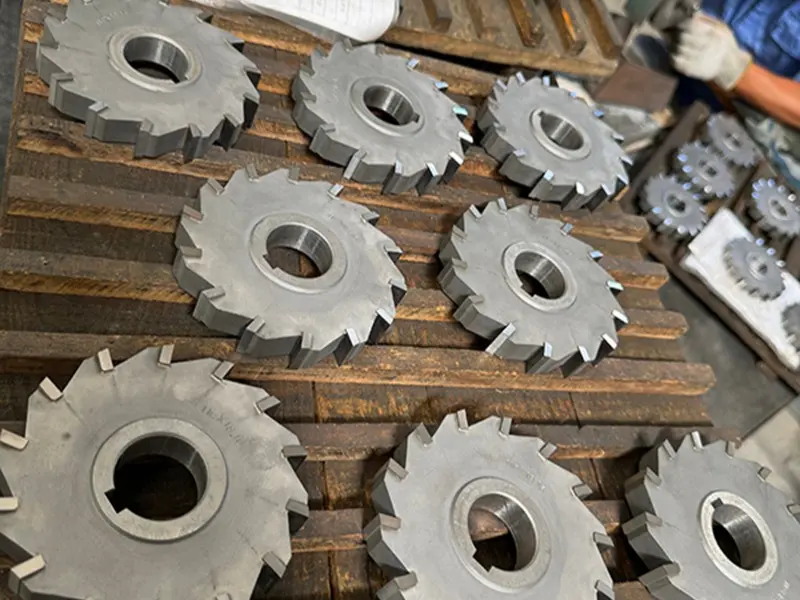
Our triple-blade end mills combine precision manufacturing (5-axis grinding) and premium materials (e.g., YG10X carbide) to deliver consistent performance in industrial production.
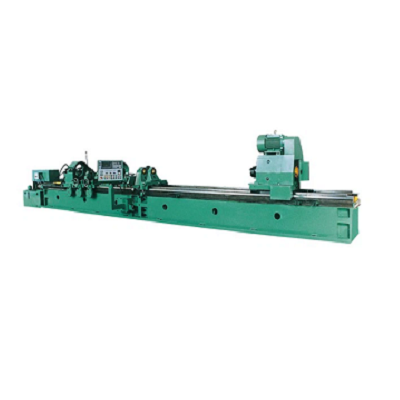
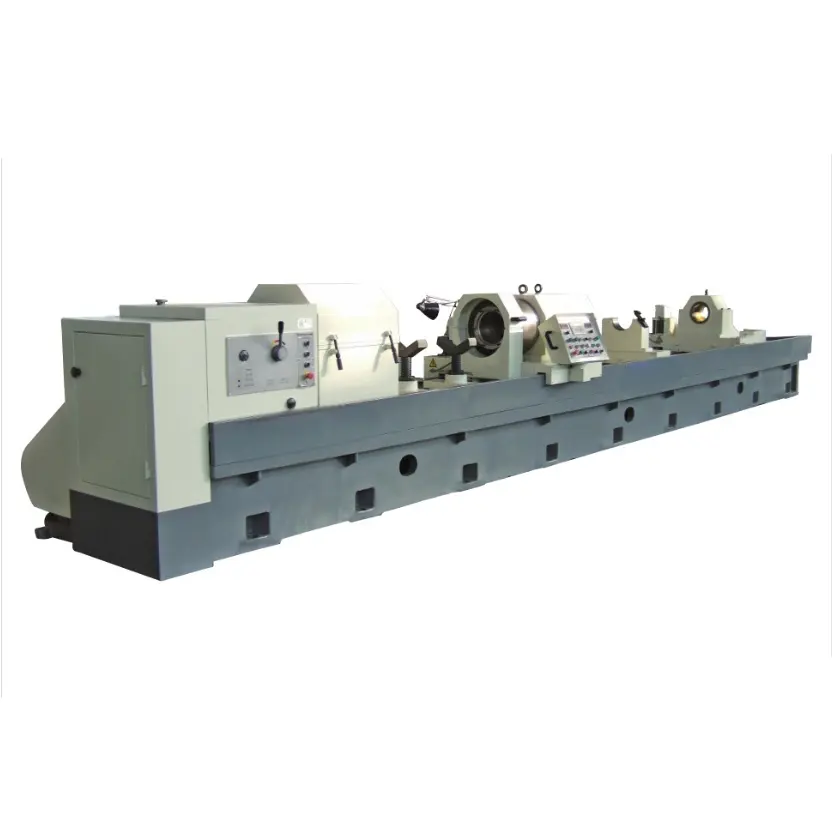
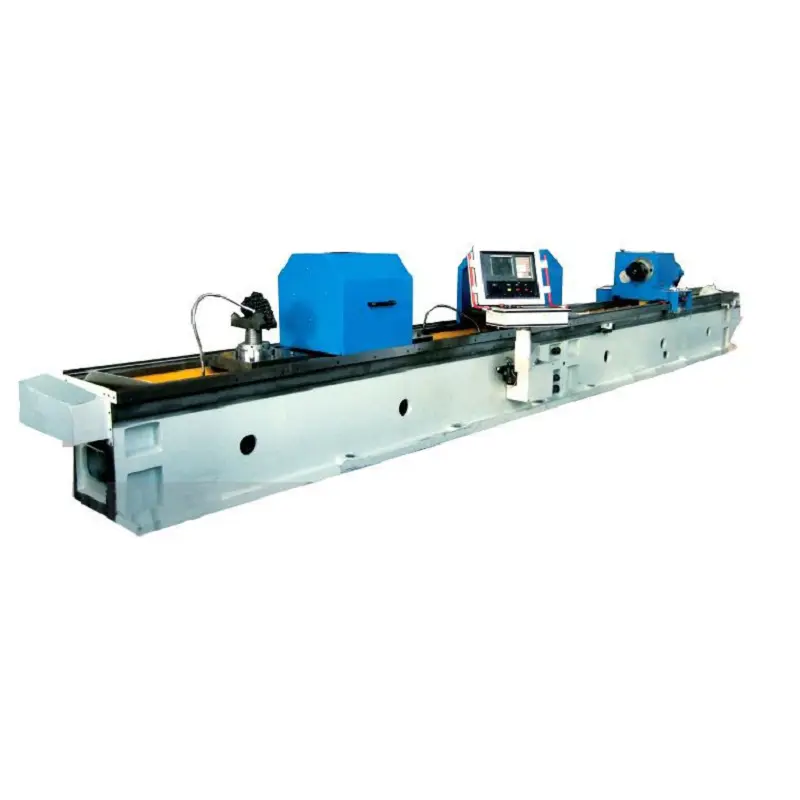
HMS25 HMS35 HMS50 Deep Hole Honing Machine is specially used for finishing the inner hole surface of various hydraulic cylinders, cylinders and other cylindrical parts. After machining, the aperture accuracy of the parts reaches above it7, and the surface roughness reaches ra0.2-0.4 μ m。 The machine tool can also carry out local honing to correct the taper and ovality of parts.
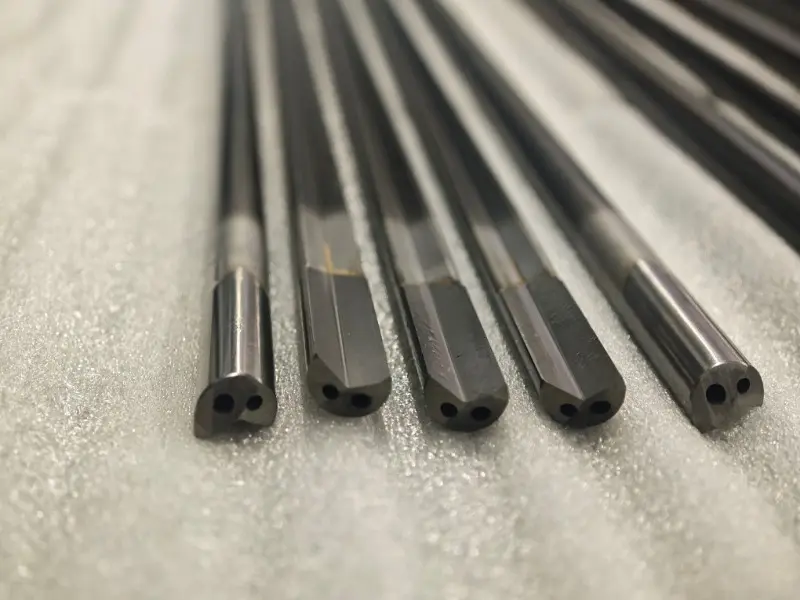
Tip diameter range:2.00mm~45.00mm Three-segment grinding tip:characterized by stable size,high hole surface finish,and high hole straightness and concentricity.It is perfect for applications in automotive shafts,mold cross holes,and hot runners,and has many applicationsin fields with high requirements for holes such as automotive shafts,hot runners,and so on.
Technical Parameters Item Specification Range Honing Diameter Range Φ25mm - Φ100...
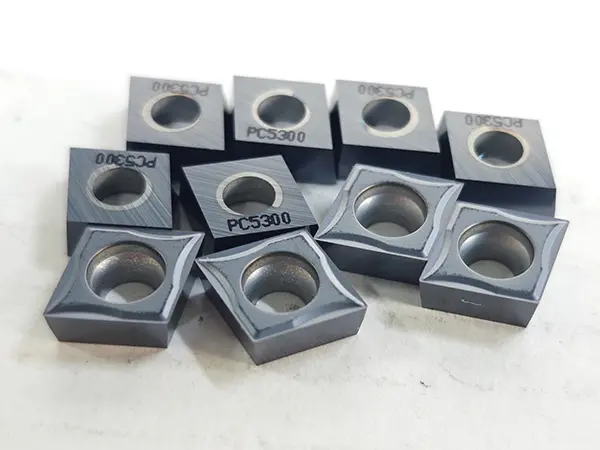
Square CNC turning inserts are one of the commonly used cutting tools in CNC turning processes.
Carbide drill bits are high-performance cutting tools designed for drilling into hard, abrasive, or challenging materials. They are distinguished by their cutting edges or tips, which are made from tungsten carbide, a composite material known for its superior hardness and wear resistance compared to standard high-speed steel (HSS).
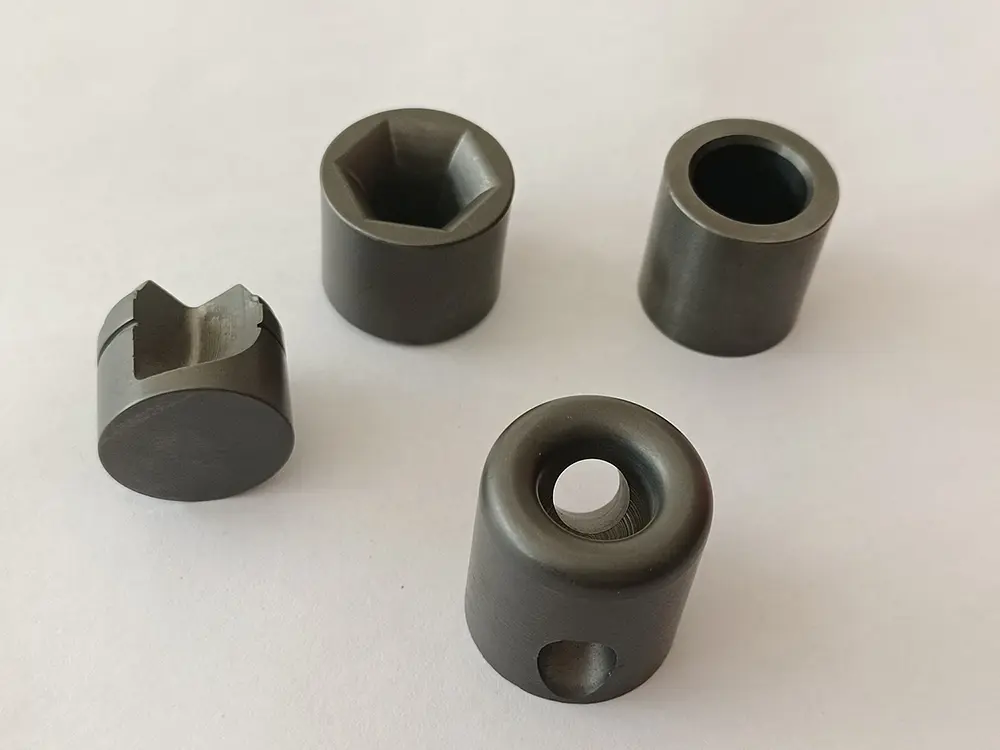
The cemented carbide wear-resistant bushing dedicated to the geology and mining field is made of cemented carbide material with high cobalt content and high hardness. It is used in key parts of geological exploration and mining equipment to provide wear resistance, impact resistance and sealing protection. It can effectively extend the service life of equipment under harsh working conditions (such as high wear, high pressure, and dusty environments), and is suitable for drilling rigs, roadheaders, conveying equipment, etc.
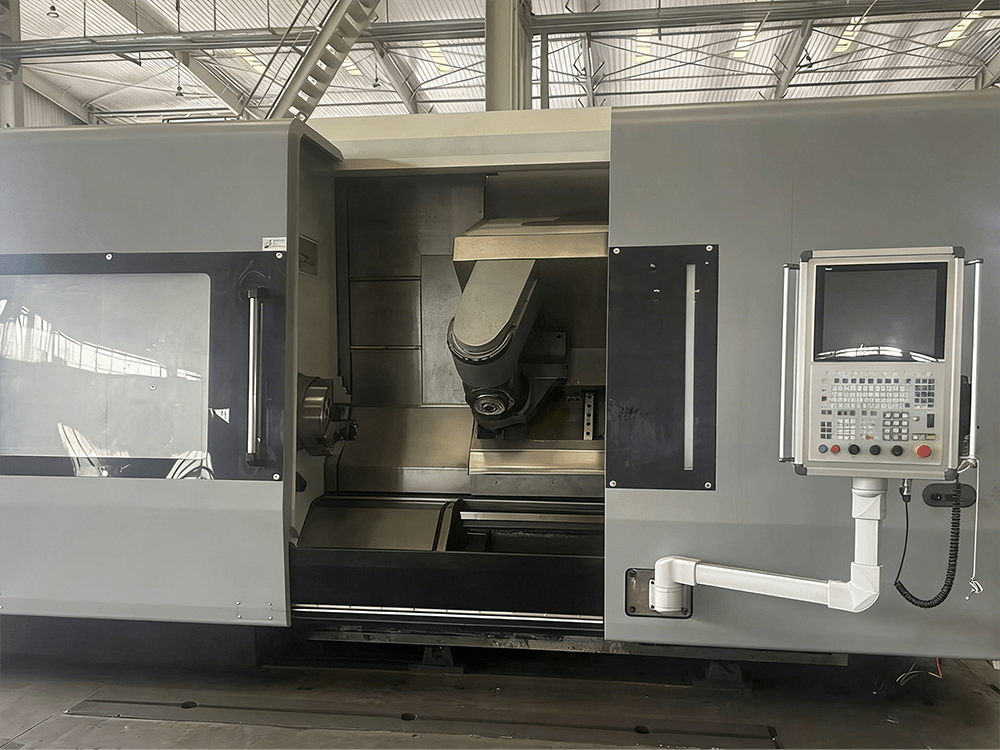
Main instruction Adopting 45°slant bed, the longitudinal and transversal guide way ad...
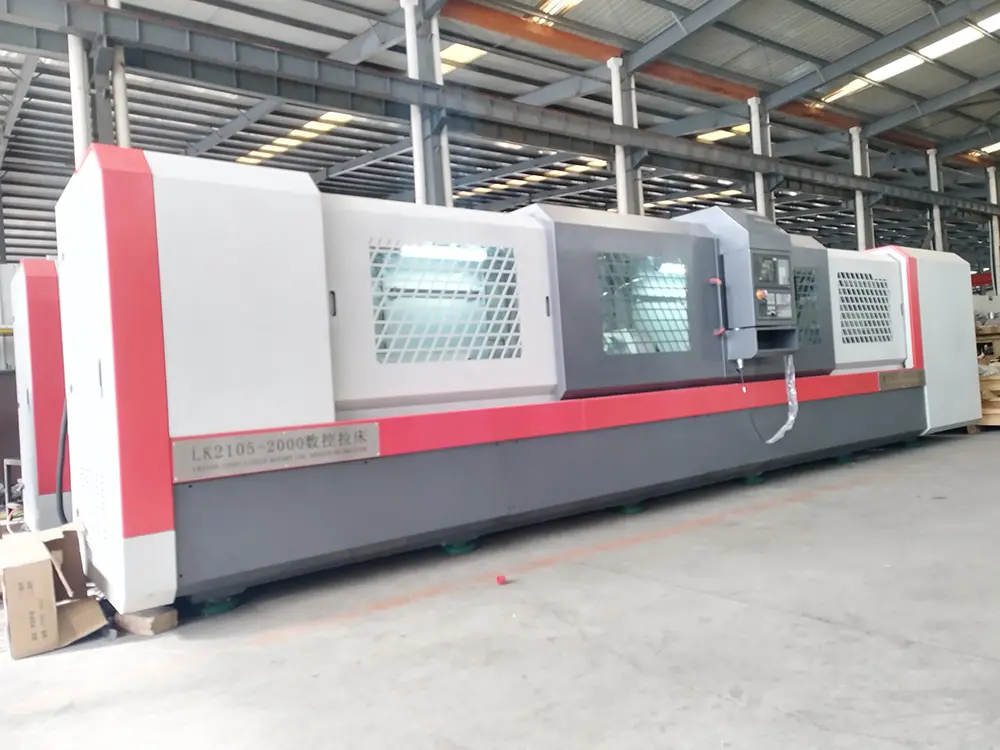
1.Equipment model: LK2120-5000 2. Rated tension: 150kN 3. Maximum stroke: 5000mm 4.Equipment use: The equipment is used to process variable lead and non-variable lead internal spirals, as well as linear grooves, and is suitable for processing products with equal wall thickness stators
Workpiece Material Cutting Speed Vc (m/min) Inspection Spec - Drill Bit Dia(≤12.00-22.00mm) Inspe...
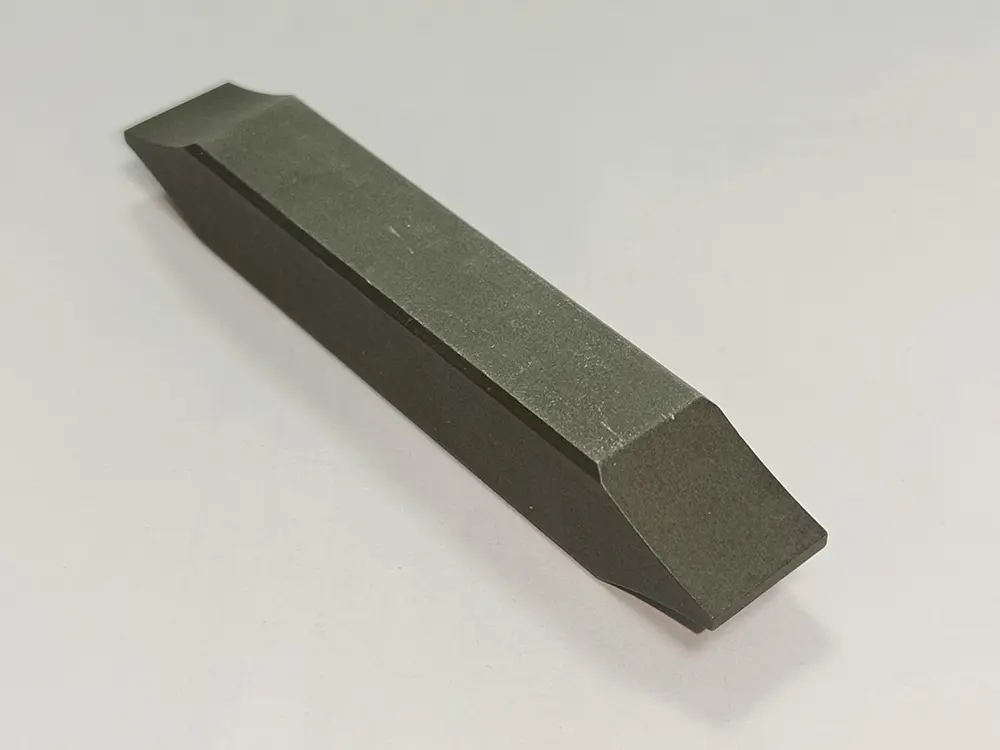
The CD Texture Cutter (Diamond Turning Tool) is a precision cutting tool made of high-quality diamond or cemented carbide substrate with diamond coating. It is mainly used to process uniform and high-gloss CD textures (concentric circular textures) on the surface of metal, composite materials and other workpieces. Widely applied in electronic equipment casings, decorative parts, precision mechanical components and other fields, it features high cutting precision, strong wear resistance and excellent processing surface quality.