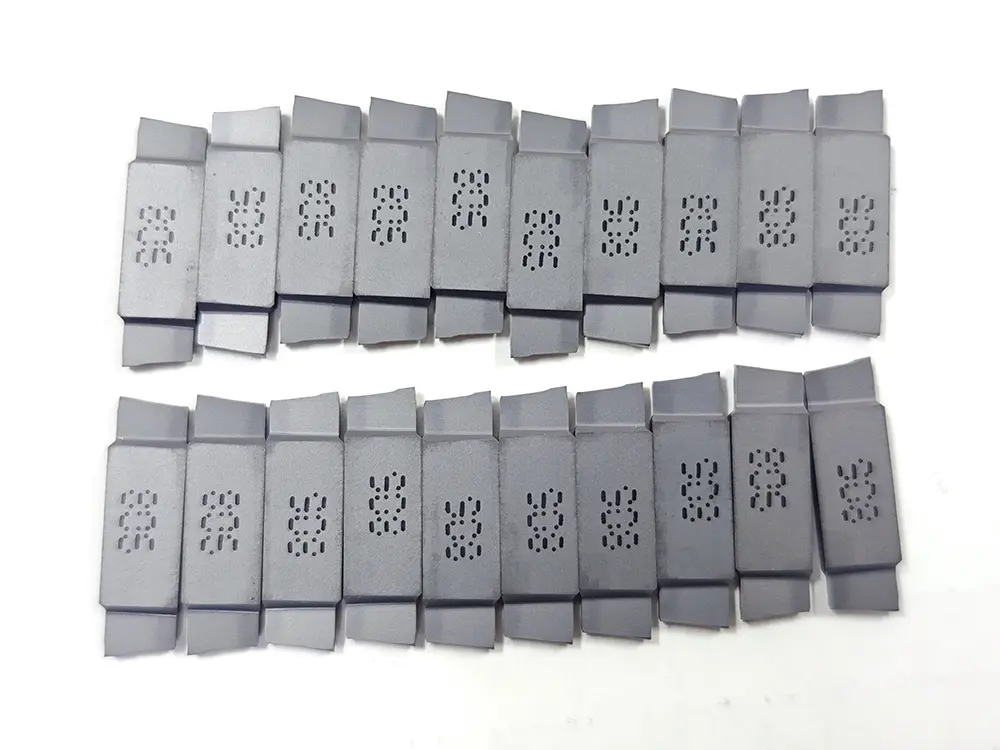
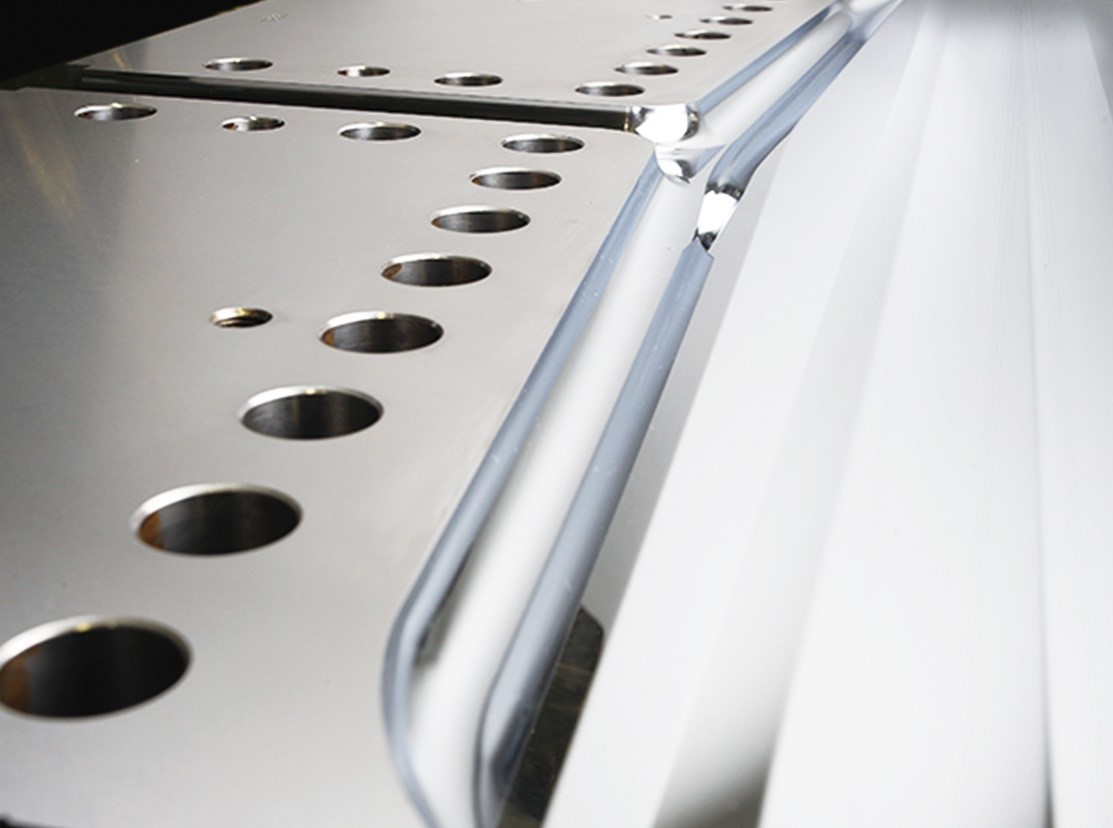
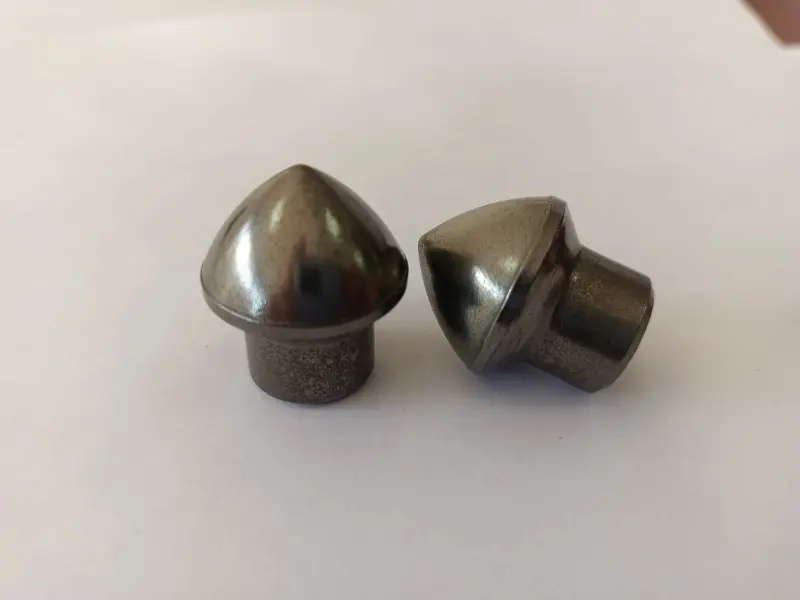
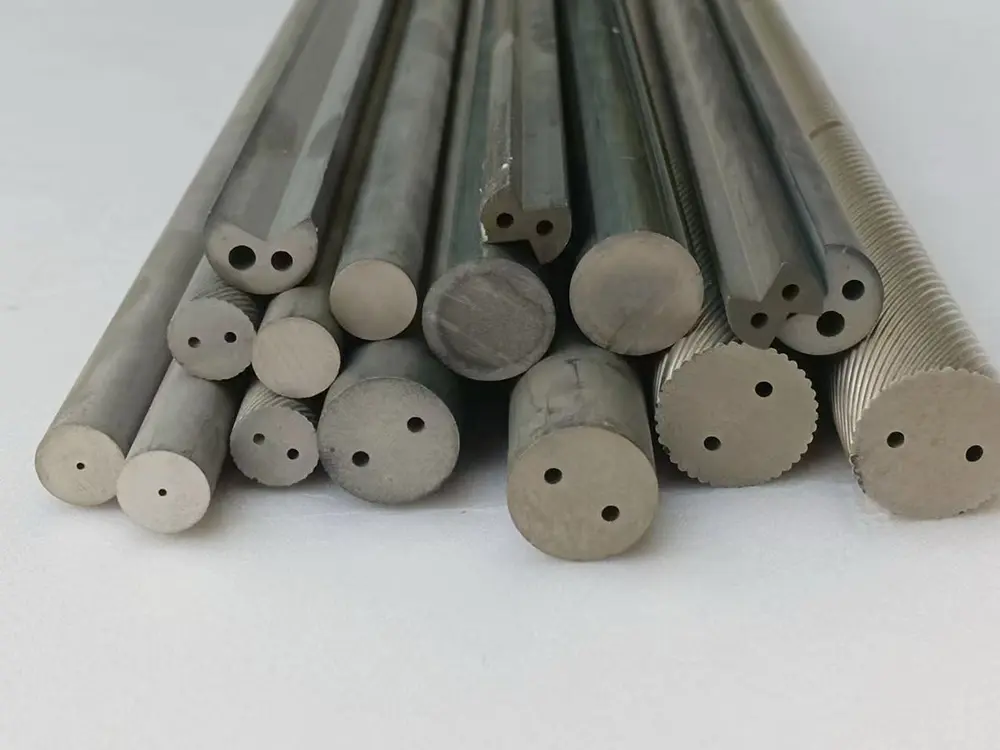
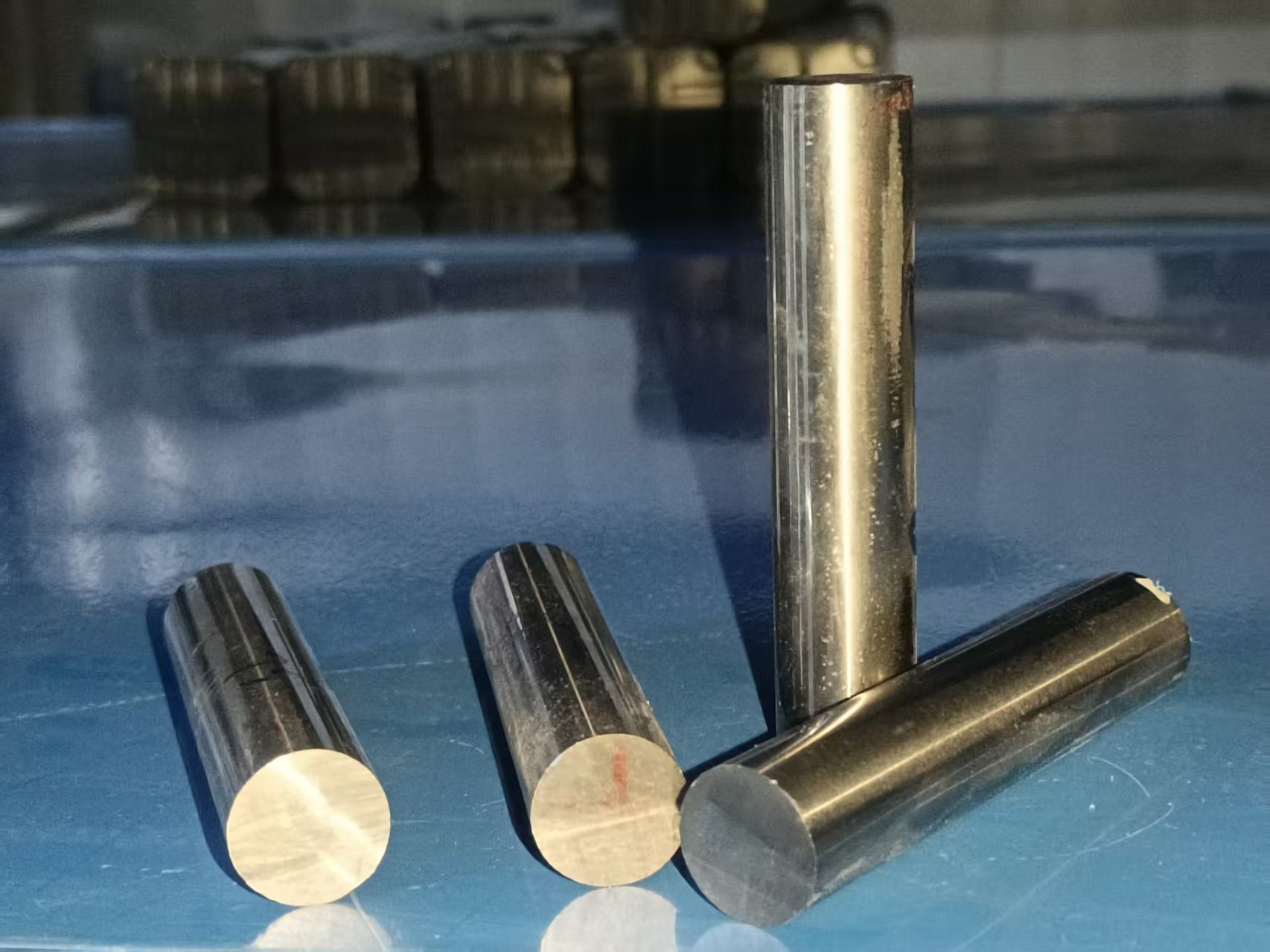
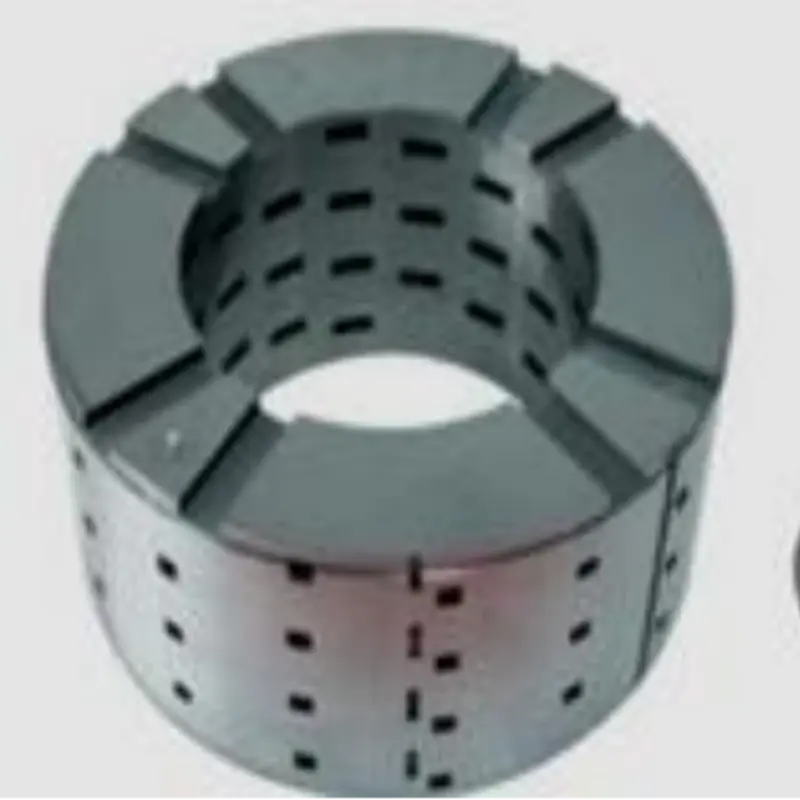
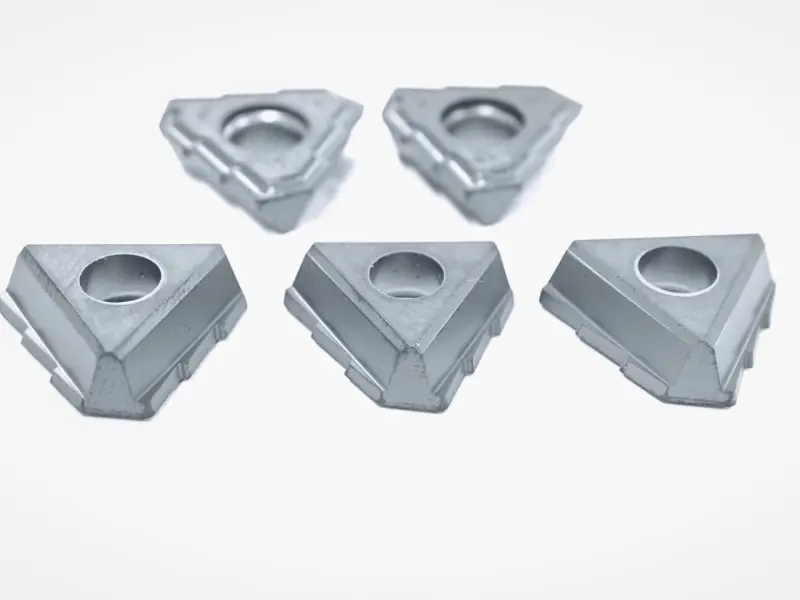
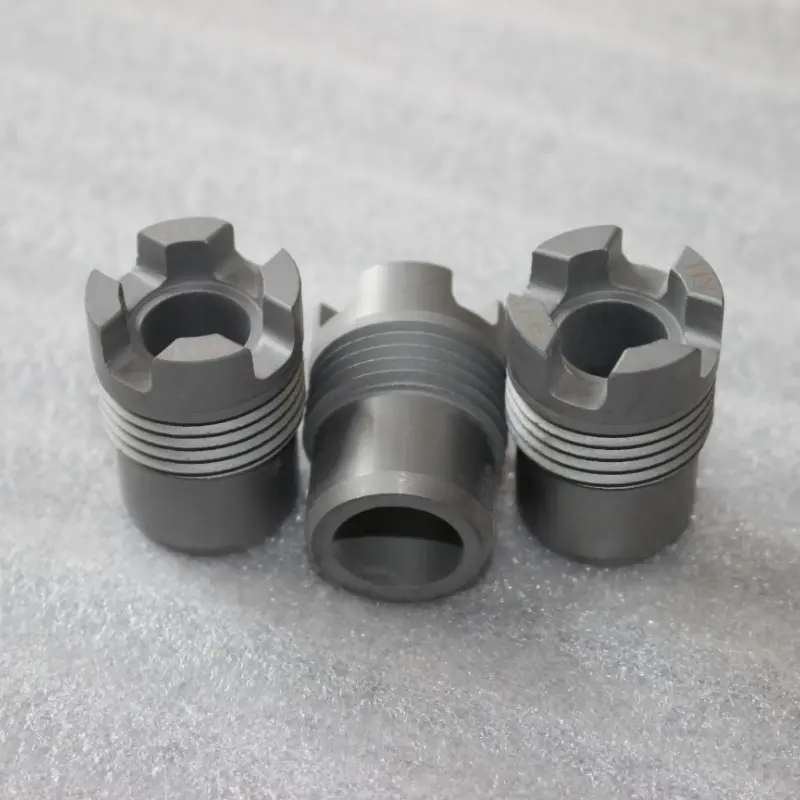
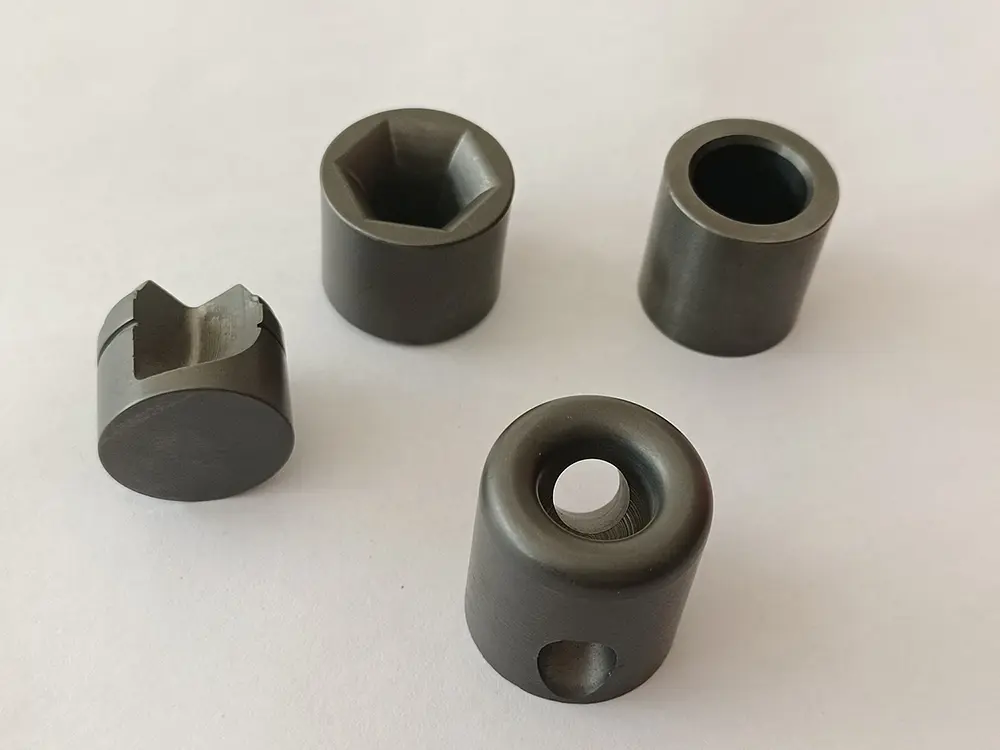
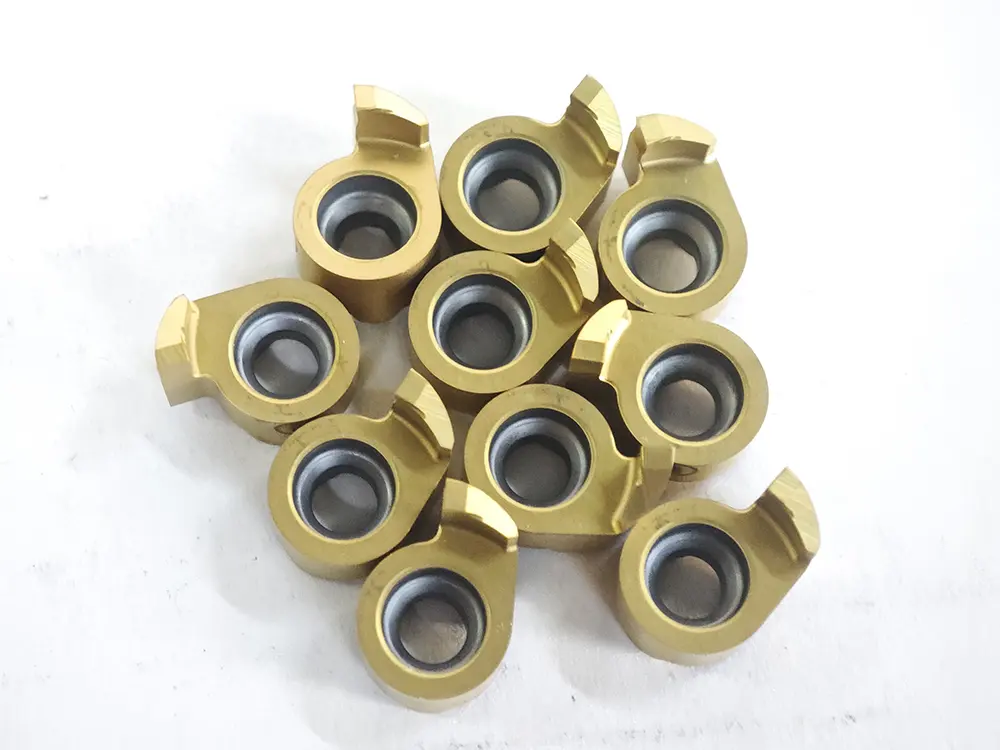
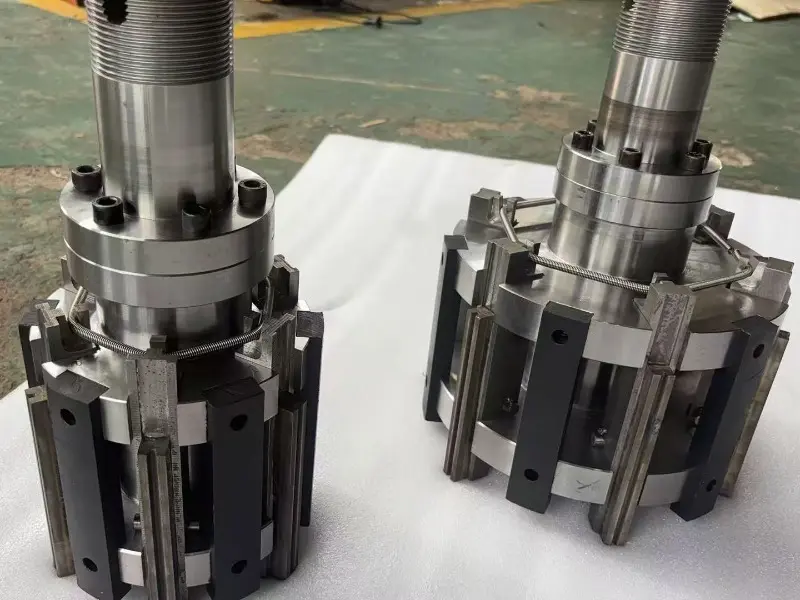
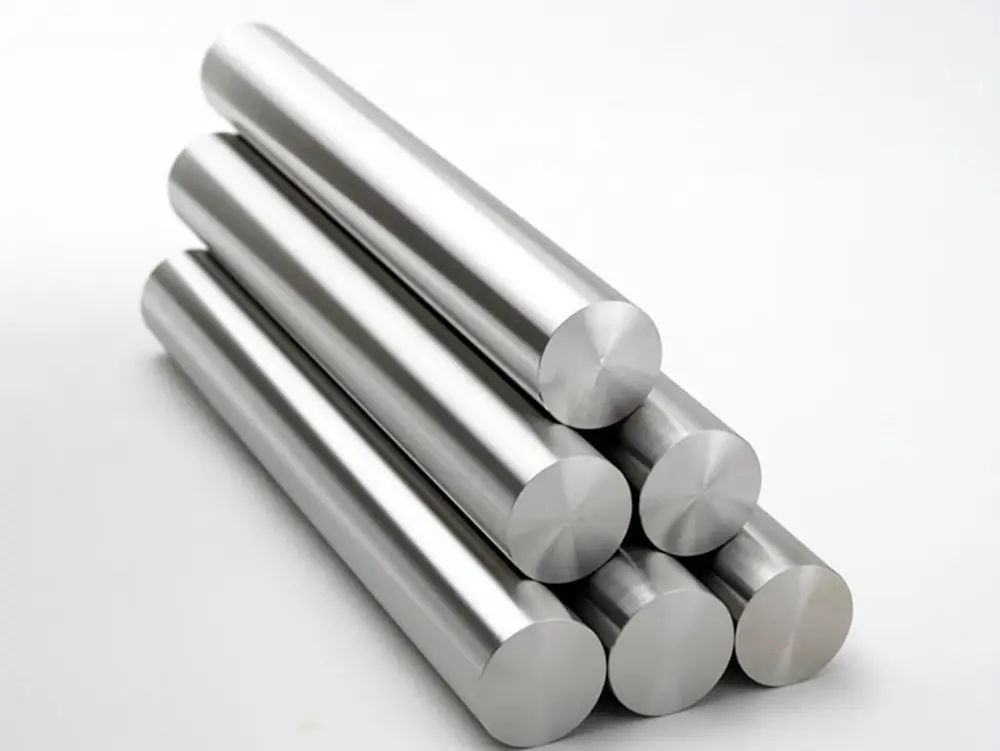
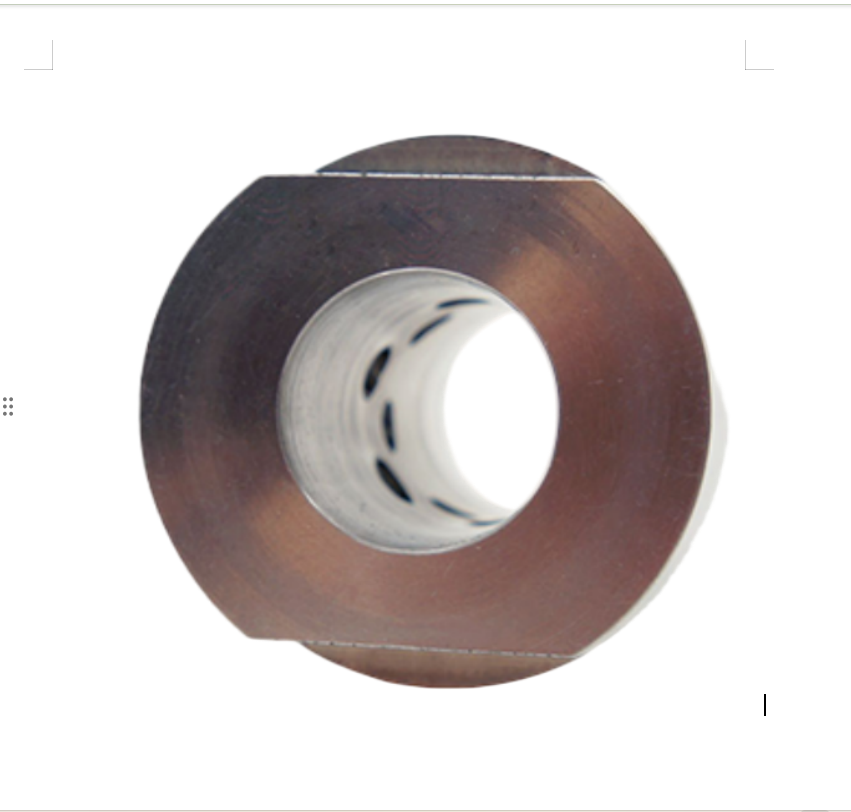
These components are critical in industries where controlling abrasive fluid flow is essential:
Mining & Mineral Processing: For tailings lines, slurry transport, and dewatering systems.
Water Jet Cutting: As the on/off and control valves for the high-pressure abrasive water stream.
Dredging: Used in valves controlling the flow of water-sediment mixtures.
Power Plant (Ash Handling): For managing abrasive fly ash and bottom ash slurries.
Industrial Water & Wastewater: In systems handling water with high solid content.
The following table summarizes the key features for a quick overview:
| Feature |
Description |
Advantage |
| Core Concept |
A valve with tungsten carbide wear parts for abrasive service. |
Solves the problem of rapid valve failure in abrasive fluid applications. |
| Material |
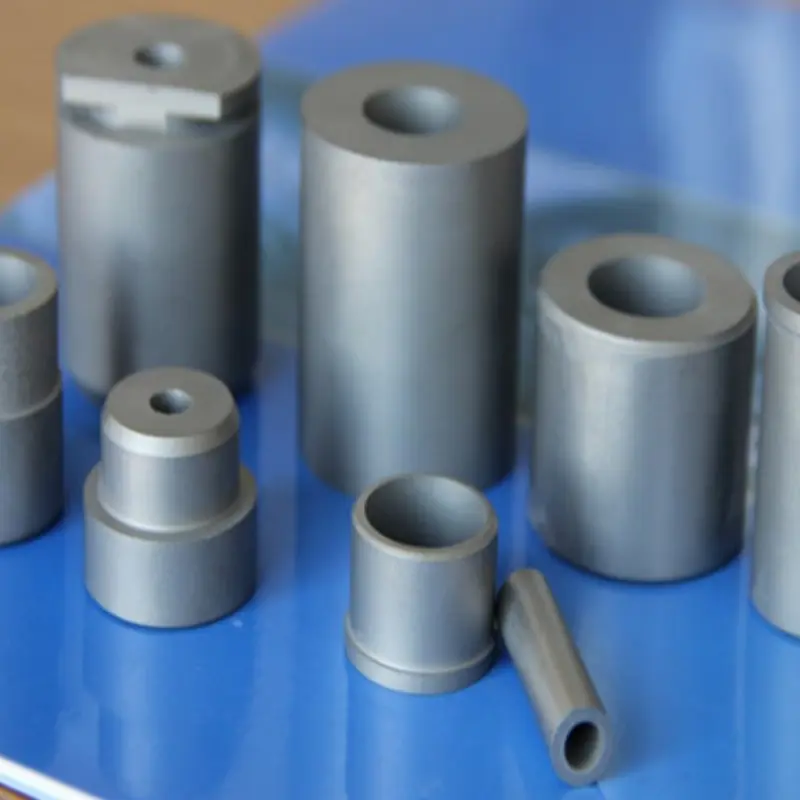
Tungsten carbide used for critical internals (trim) or small precise parts. |
Provides unmatched wear resistance, extending valve life by orders of magnitude. |
| Key Benefit |
Drastically Reduced Maintenance & Downtime. |
Lowers the total cost of ownership despite a higher initial investment. |
| Common Wear Mechanism |
Abrasive Slurry Erosion. |
Specifically engineered to combat this type of damage. |
| Typical Configuration |
Carbide trim (seat, plug) inside a robust metal valve body. |
A cost-effective design that combines wear resistance with structural strength. |
| Primary Industries |
Mining, Dredging, Water Jet Cutting, Ash Handling. |
Essential for reliable operation in the most challenging fluid control environments. |
In summary, a Carbide Water Tap is not a common plumbing item but a high-performance industrial valve engineered for reliability where standard valves would fail rapidly. Its use of tungsten carbide for key components makes it the definitive solution for controlling abrasive water and slurry flows, ensuring system integrity and operational continuity.