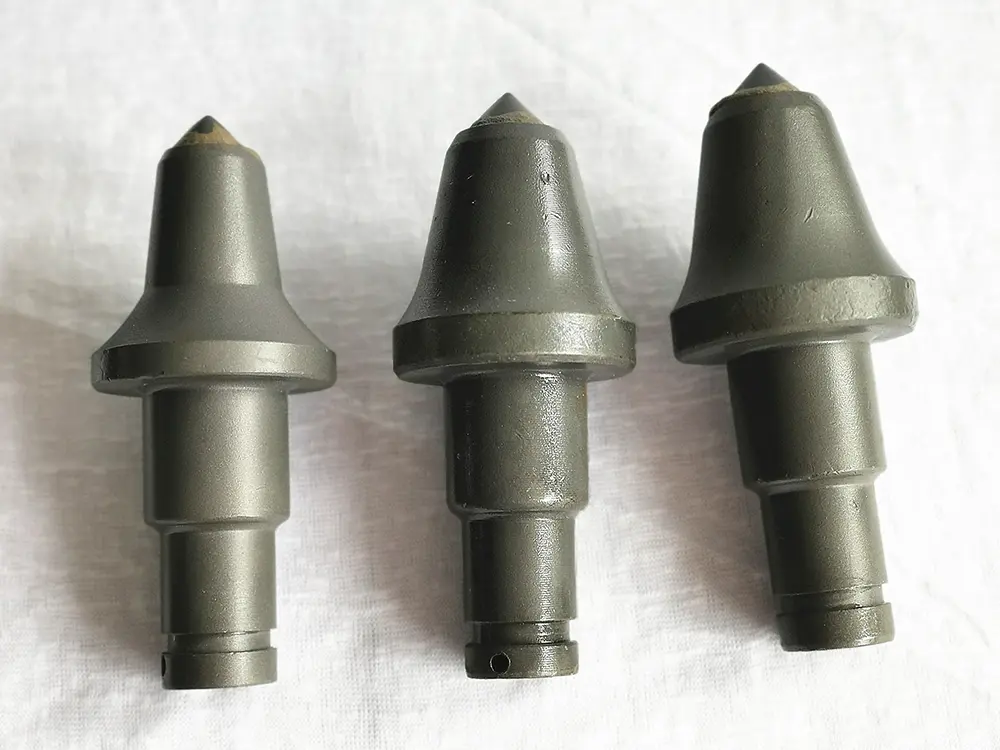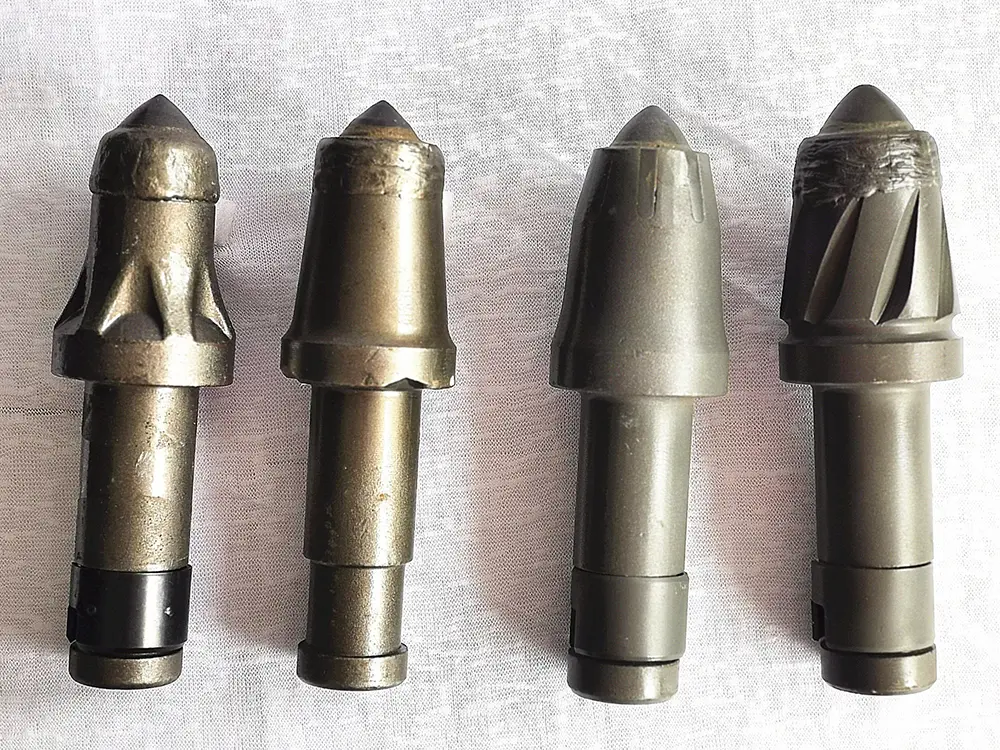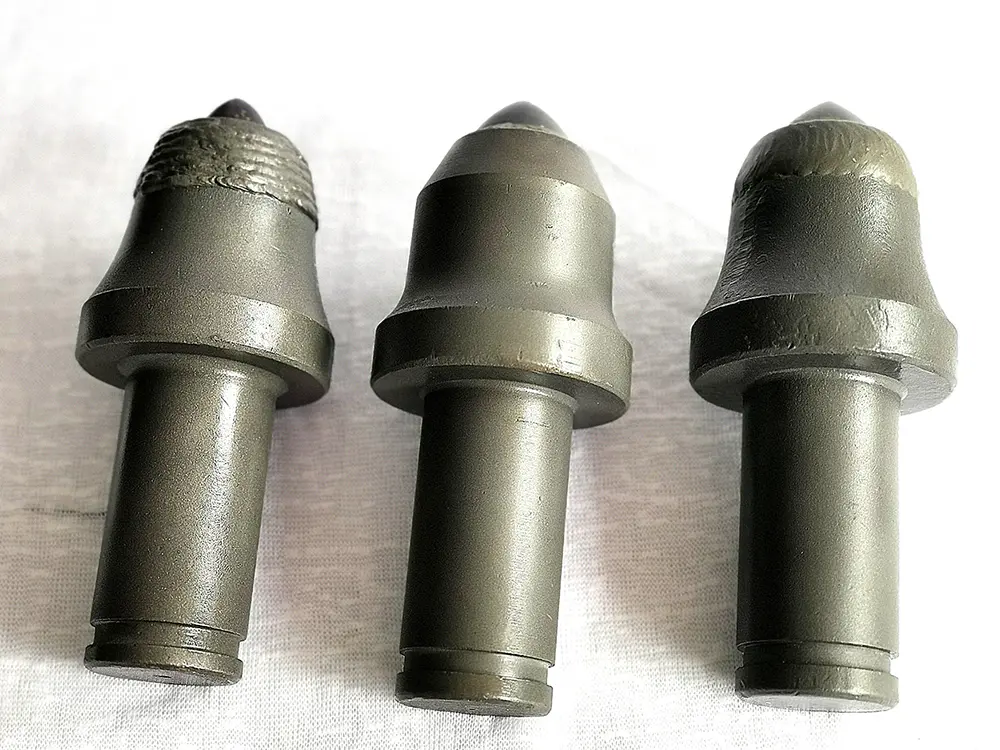


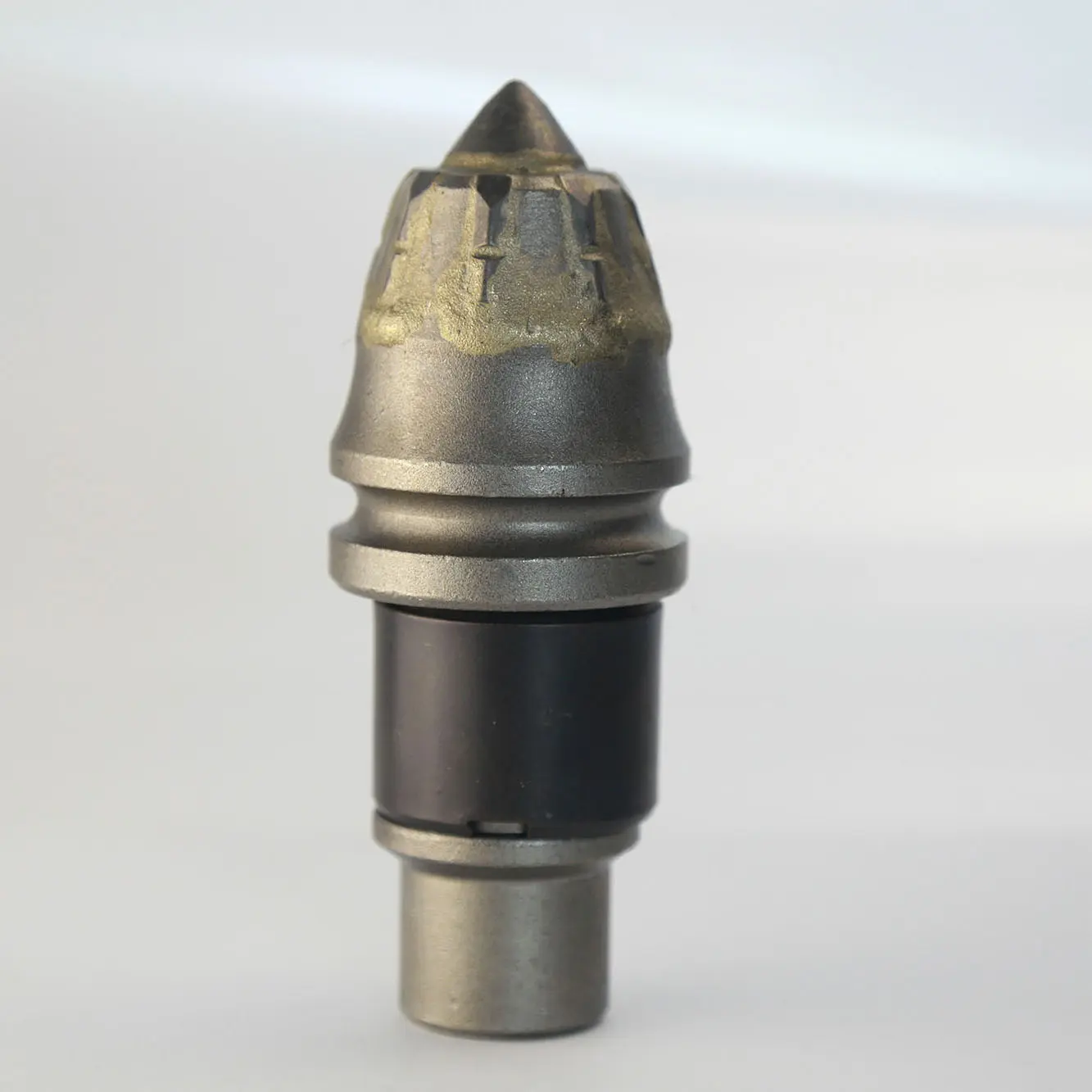
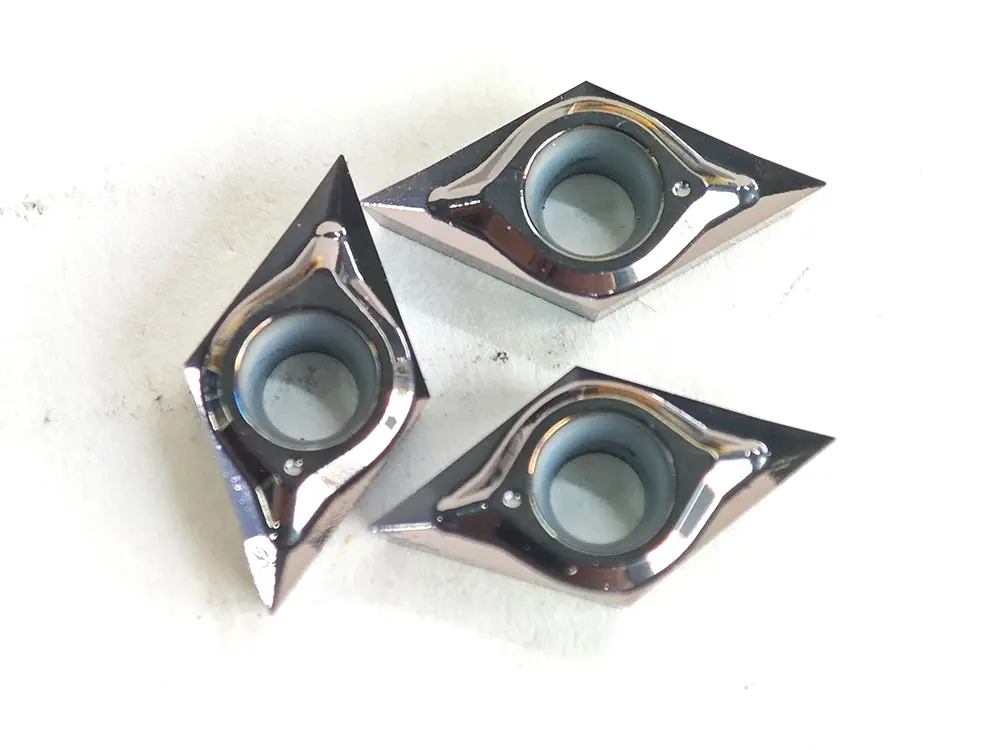
Coal Picks, also known as miner picks, conical picks, or rock picks, are essential cutting tools used in the mining and tunneling industries. They are specifically designed to fracture and excavate materials like coal, soft rock, and other minerals by being mounted on rotating drums of continuous miners, roadheaders, and shearers.
Their primary function is to act as the point of attack, transferring the machine’s power into concentrated impact and shear force to break the material.
Tungsten Carbide Tip: The cutting tip is made of tungsten carbide, known for its superior hardness and wear resistance. This is crucial for cutting through abrasive materials. The tip is brazed onto a steel body.
Steel Body/Shank: The body is made of high-quality, tough alloy steel that can withstand significant impact loads and bending forces without breaking. The shank is precision-machined to fit securely into a block or holder on the machine's drum.
Conical/Chisel Shape: Coal picks typically have a pointed (conical) or chisel-shaped head. This design allows them to penetrate and fracture the material efficiently, creating chips rather than just grinding it to dust.
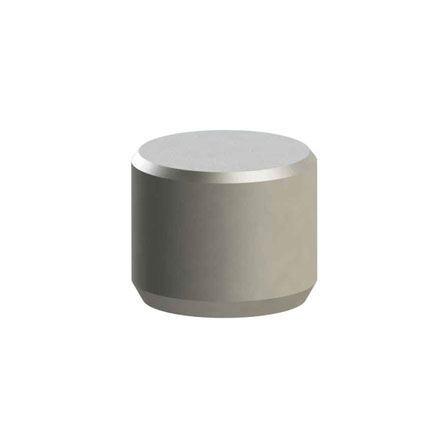
Retention System: They are held in place by a mechanical retention system, usually a ceramic button and spring clip or a similar locking mechanism. This system keeps the pick securely in the block while allowing it to rotate during operation.
Similar to carbide ball teeth, the efficiency and longevity of many coal picks rely on their ability to rotate:
As the drum rotates, the pick strikes and penetrates the coal face or rock.
The asymmetric forces acting on the conical tip cause it to rotate slightly in its holder with each impact.
This rotation ensures that wear is distributed evenly around the carbide tip, preventing the formation of a single flat spot. This "self-sharpening" effect maintains a sharp cutting profile and significantly extends the pick's service life.
Coal picks are fundamental tools in various excavation and mining operations:
Underground Coal Mining: The primary application, used on continuous miners, longwall shearers, and roadheaders.
Tunnel Boring & Drifting: Used in soft to medium-hard rock tunneling and mine development.
Trenching & Surface Excavation: Employed on smaller trenchers and excavators for cutting through consolidated soils and soft rock.
The following table summarizes the key features for a quick overview:
| Feature | Description | Advantage |
| Head Shape | Pointed (conical) or chisel-shaped. | Efficiently penetrates and fractures material. |
| Material | Tungsten carbide tip brazed onto a tough steel body. | Combines extreme wear resistance with impact toughness. |
| Core Mechanism | Free rotation within a locked holder (for most types). | Promotes even wear, self-sharpening, and longer service life. |
| Primary Function | Fracture and excavate coal and soft to medium-hard rock. | Highly efficient for rapid material removal in mining. |
| Key Benefit | Increased Production Efficiency & Reduced Downtime. | Maintains cutting performance, reducing the frequency of replacement. |
| Common Applications | Continuous miners, shearers, roadheaders, tunneling machines. | The standard cutting tool for modern mechanical mining. |
In summary, Coal Picks are critical consumable components in the mining industry. Their robust design, combining a hard tungsten carbide tip with a tough steel body and a rotation mechanism, ensures high productivity and operational efficiency in challenging underground and surface environments.
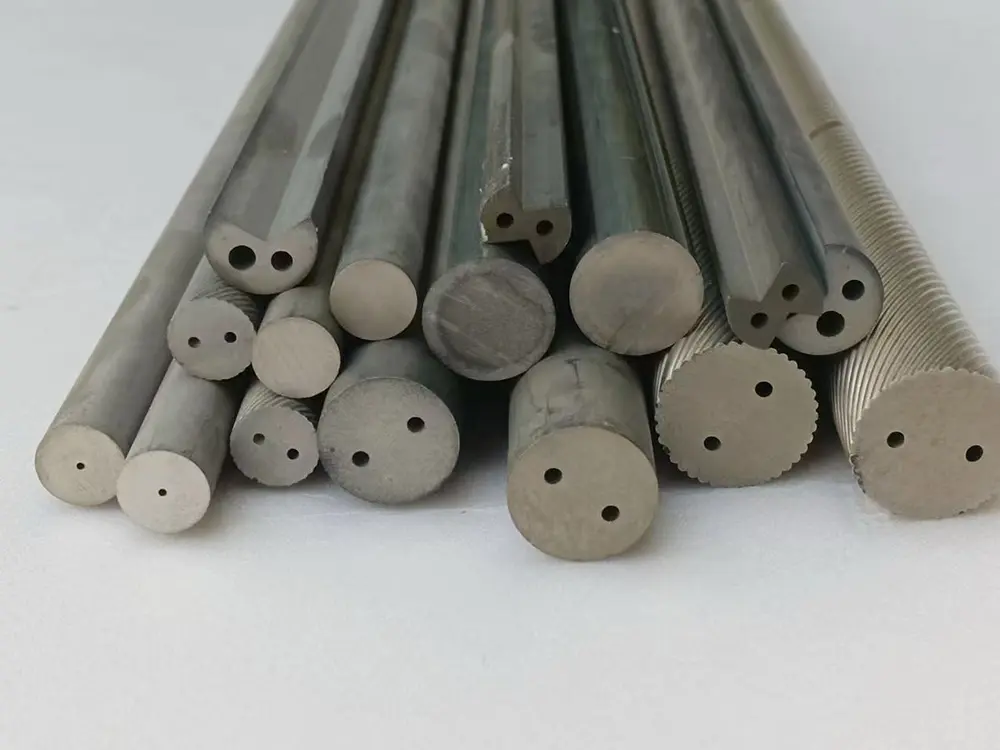
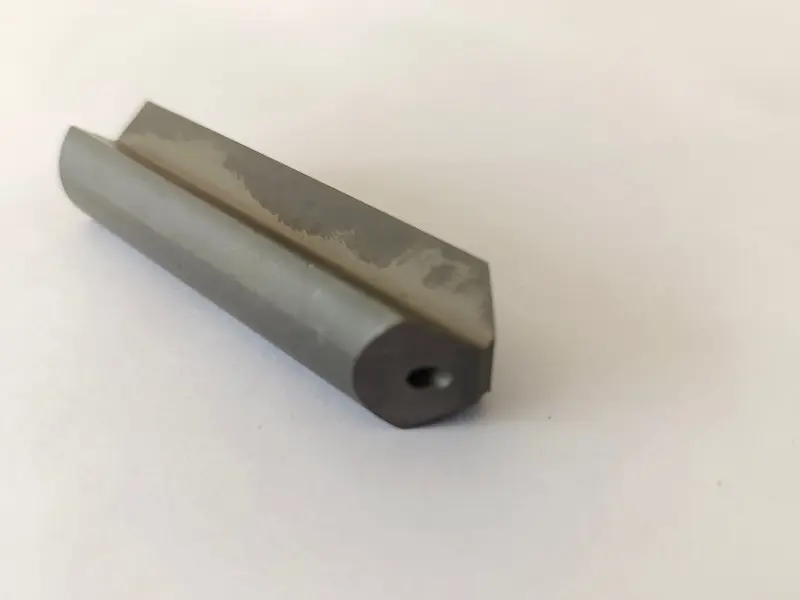
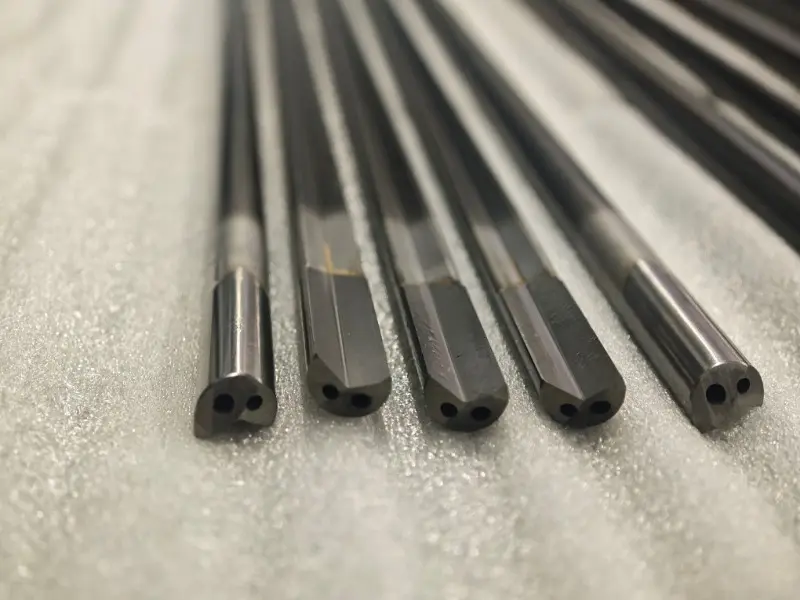
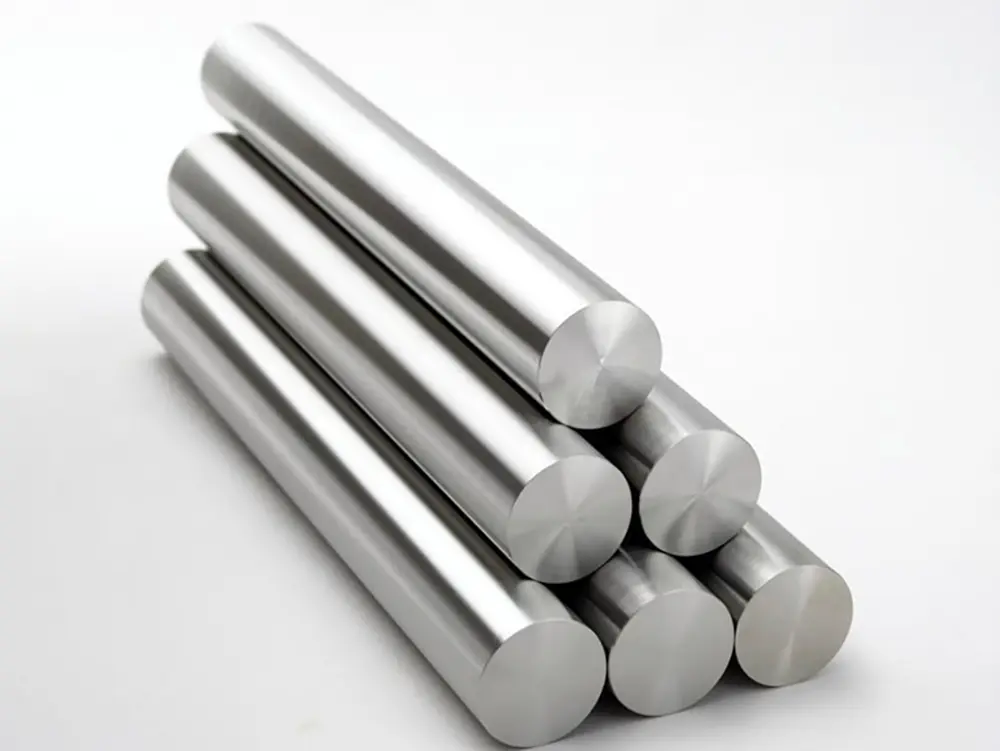
Threaded carbide rod with holes are mainly used for processing tungsten parts or as a tool bit of processing lathe, conductors, steel-making burdening and additives.
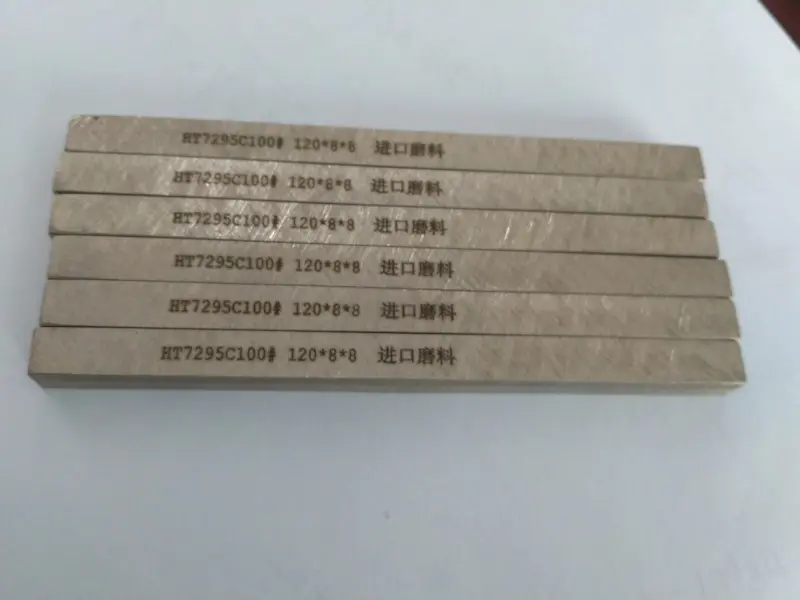
Our Metal bond CBN/diamond honing stone has the advantage of longer life, higher efficiency and cost effective, can support Sunnen, Nissin, Nagel and Gehring honing machine, widely used in the auto parts (connecting rod, cylinder, fork, rocker arm), sewing parts, mould making, carbide tooling and compressor industry. We provide state of art quality and competitive price and look forward to cooperate with you.
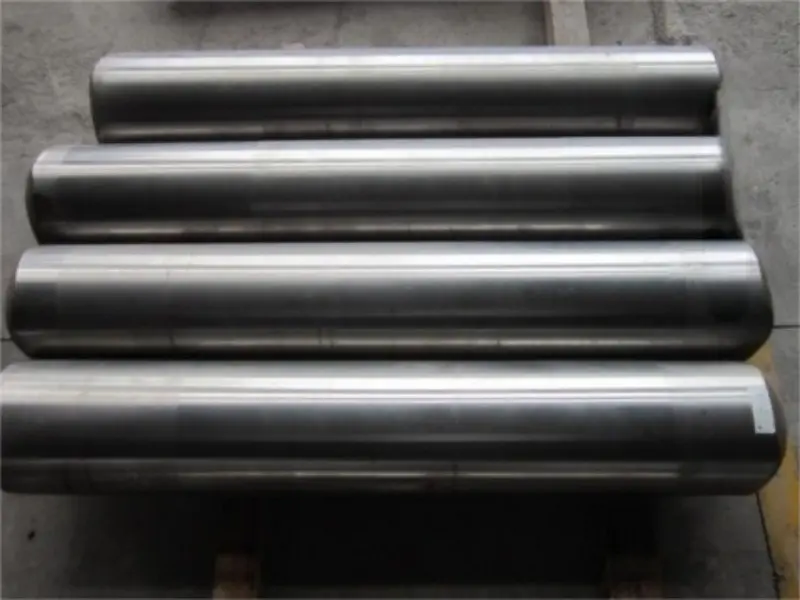
Nickel-based wrought superalloys are a class of high-performance materials designed for exceptional mechanical strength, creep resistance, and structural stability at elevated temperatures, typically above 540°C (1000°F). The term “wrought” signifies that these alloys are shaped into their final form through thermomechanical processes such as forging, rolling, or extrusion, which results in a fine, directional grain structure that provides superior tensile and fatigue properties compared to their cast counterparts. They are the backbone of high-temperature rotating components in aerospace and power generation, where failure is not an option.
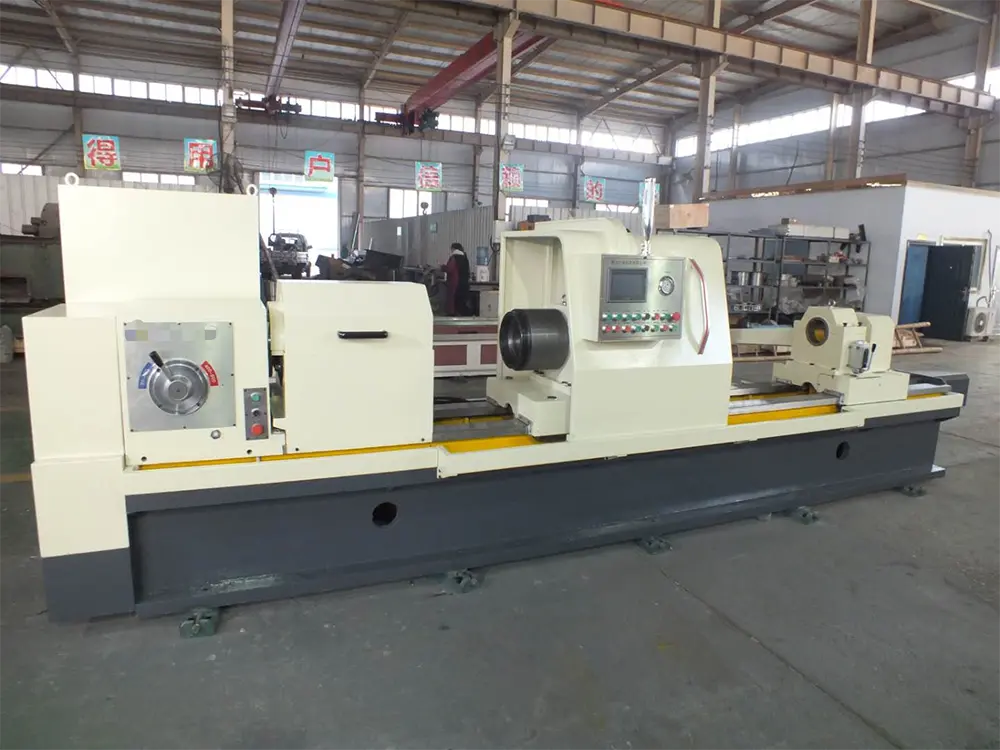
Large aperture deep hole drill i a deep hole machining machine that integrates BTA drill cutter drill,and gun dril,with a driling diameter of up to φ120mm. High efficient,high-precision,and high smoothness machining of large holes,with a smoothness of Ra0.4~0.8.
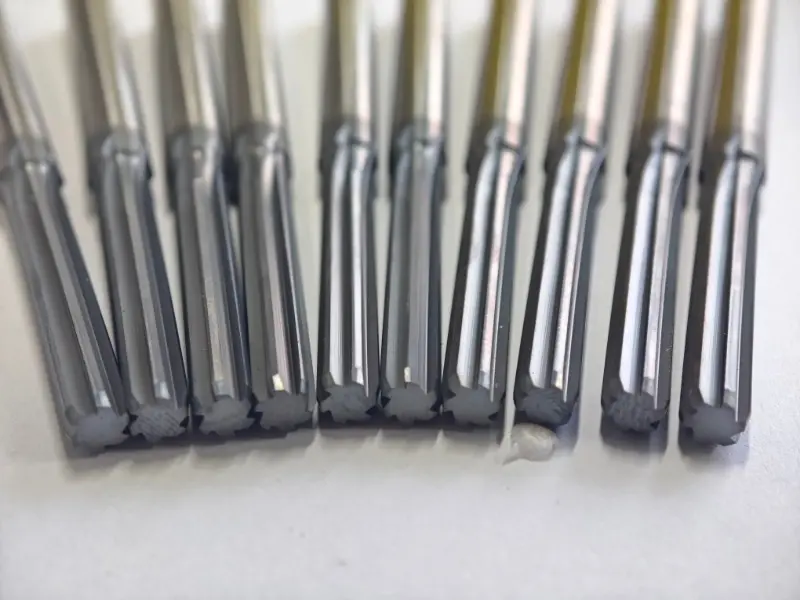
Indexable reamers are precision hole-finishing tools for metalworking, featuring replaceable carbide inserts (no regrinding needed) and modular designs. They deliver high accuracy, efficiency, and cost-effectiveness in mass production, replacing traditional solid reamers for medium-to-large batch machining. Our reamers are engineered with advanced insert clamping, internal coolant systems, and wear-resistant coatings to meet strict tolerance and surface finish requirements.
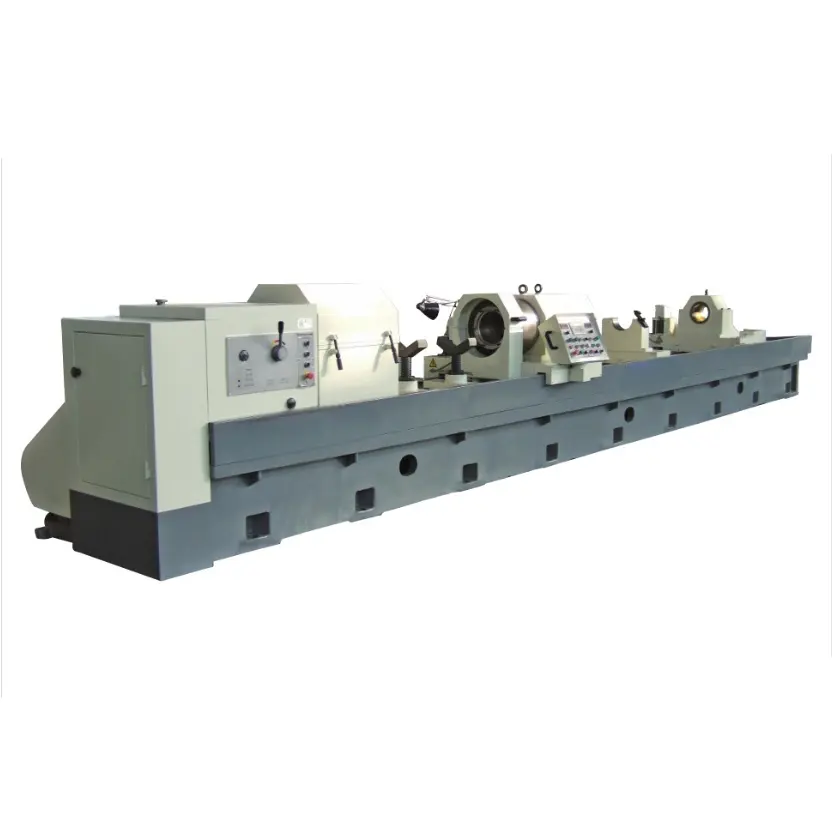
2M2150 deephole honing machine is ideal equipment for deephole machining with high accuracy and high efficiency.This machine is matde with SIEMENS or FANUC CNC system.AC servo motor,honing box adopt stepless speed,and it also mated with Germany ATLANTA high accuracy racks and gears to realize the reciprocating of honing head and it can control the honing position too.This machine is matde with linear guide way and it have service life and high accuracy.
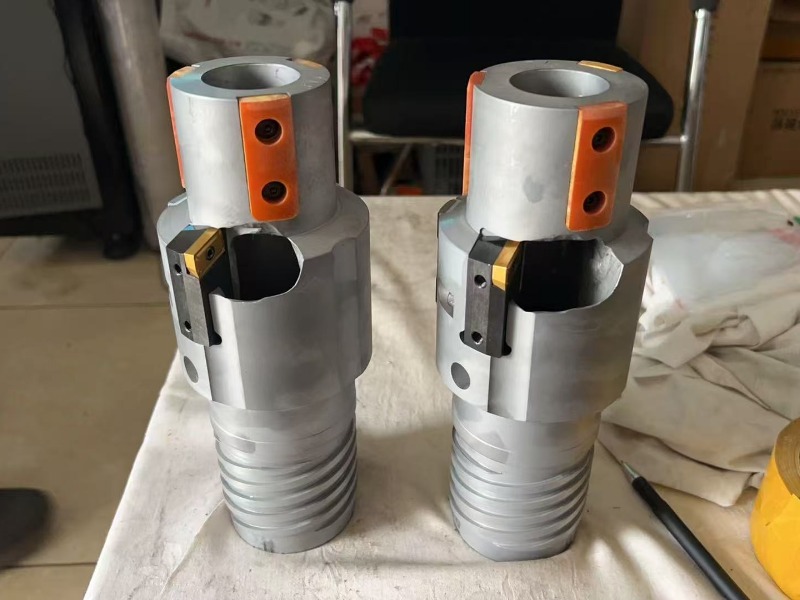
Model: Customizable (e.g., DHF-XX Series) Brand: DRILLSTAR Origin: China
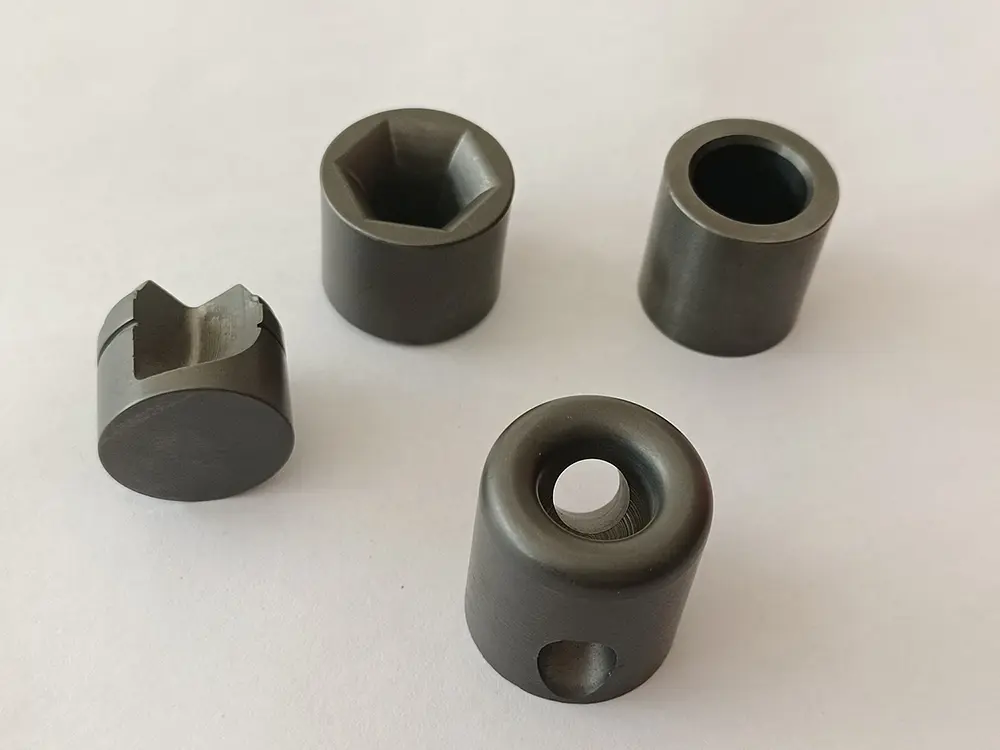
The cemented carbide wear-resistant bushing dedicated to the geology and mining field is made of cemented carbide material with high cobalt content and high hardness. It is used in key parts of geological exploration and mining equipment to provide wear resistance, impact resistance and sealing protection. It can effectively extend the service life of equipment under harsh working conditions (such as high wear, high pressure, and dusty environments), and is suitable for drilling rigs, roadheaders, conveying equipment, etc.
Product parameter project unit parameter process scope Maximum rotary dia...
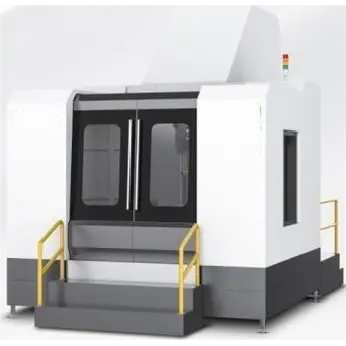
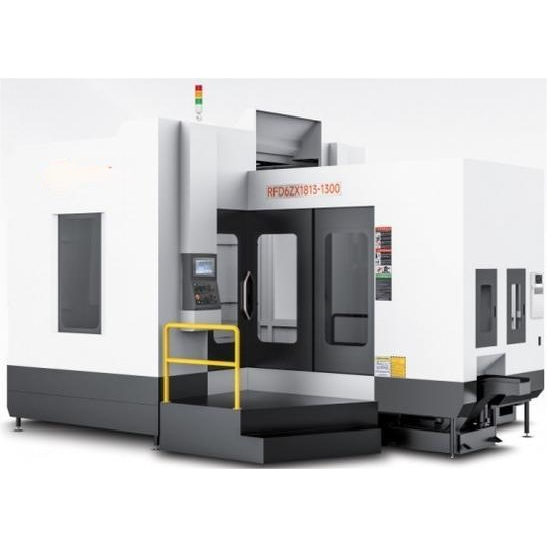
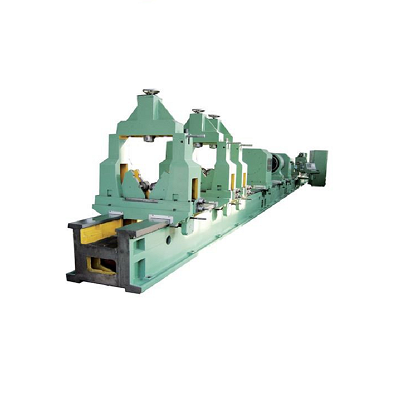
The RFD6ZX1010-1000 six-axis drilling and milling compound deep hole drilling machine is mainly used for deep hole drilling and milling. Equipped with a high-precision CNC turntable (B-axis) and a sliding table rotation axis (A-axis), it can complete five-sided drilling and milling with one clamping. This expands the machine’s processing range, reduces clamping times, greatly improves processing accuracy and efficiency, and effectively saves production costs. It is mainly used for oblique hole processing in molds, mechanical parts, etc.
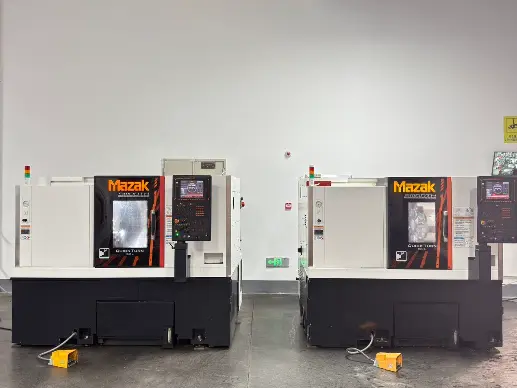
Product parameter Japanese MAZAK Machine Tools Model Production Date Basic Confi...
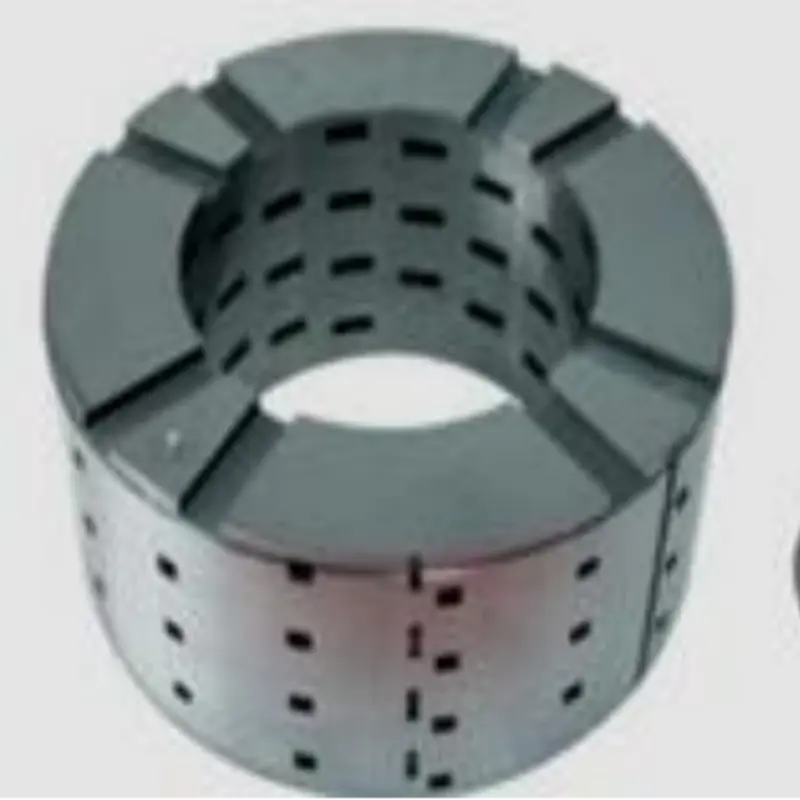
Valve internals refer to the critical components housed within a valve body that directly control the flow, direction, and pressure of a fluid (liquid or gas). While the valve body contains the pressure, it is the internals that perform the essential work of sealing, modulating, and shutting off the flow. Their performance and durability are paramount to the entire system’s reliability. These components are typically designed as replaceable parts, allowing for maintenance and repair without replacing the entire valve body.
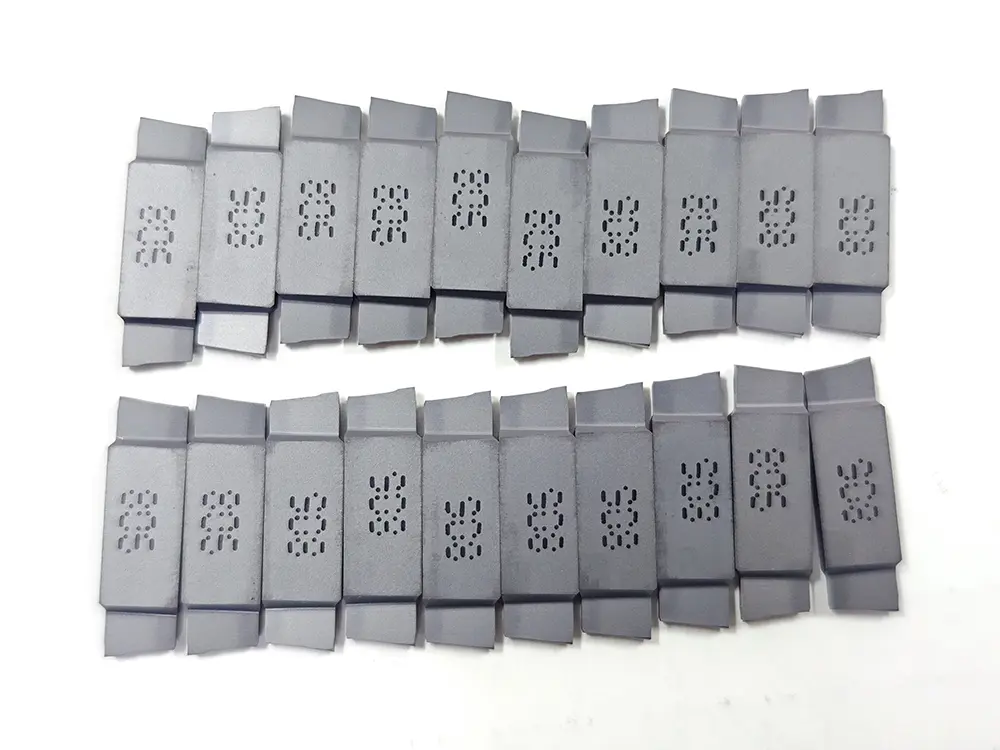
V-CUT knives (also known as V-shaped cutting knives or V-groove knives) are specialized tools for PCB (Printed Circuit Board) processing, metal sheet grooving, and V-groove machining of materials such as acrylic and plastic. Below is a detailed description from the perspectives of core characteristics, classification, parameters, and applications:
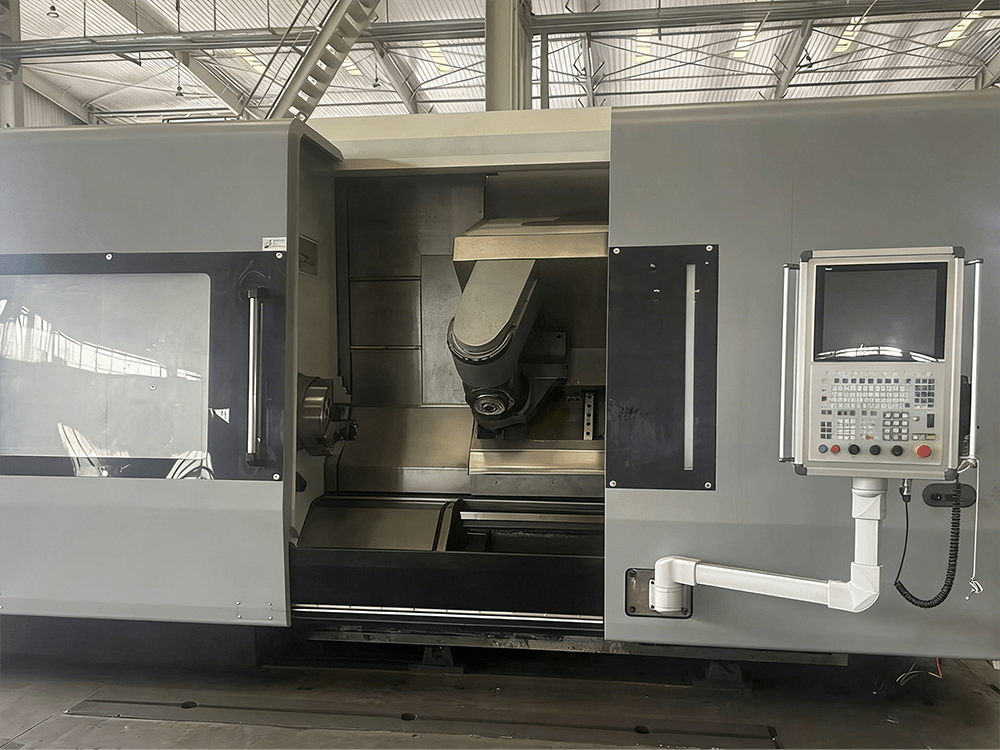
Main instruction Adopting 45°slant bed, the longitudinal and transversal guide way ad...
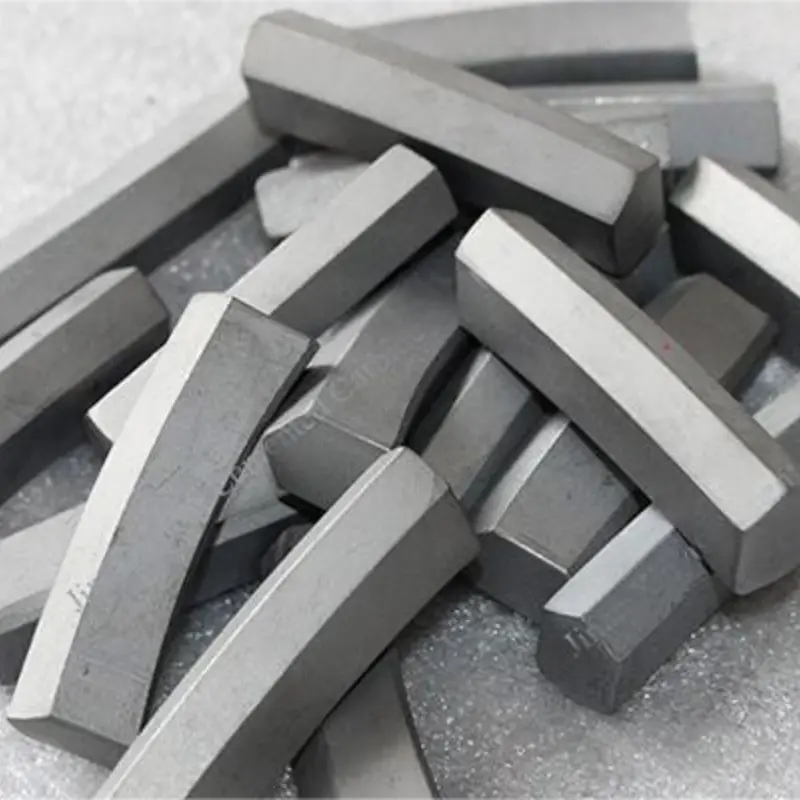
Carbide drill bits are high-performance cutting tools designed for drilling into hard, abrasive, or challenging materials. They are distinguished by their cutting edges or tips, which are made from tungsten carbide, a composite material known for its superior hardness and wear resistance compared to standard high-speed steel (HSS).