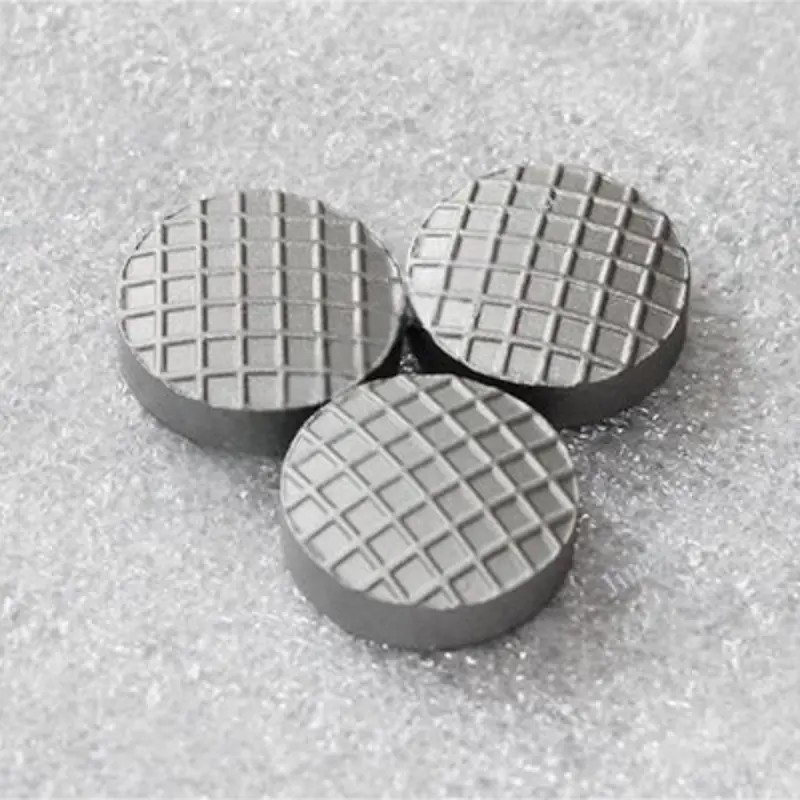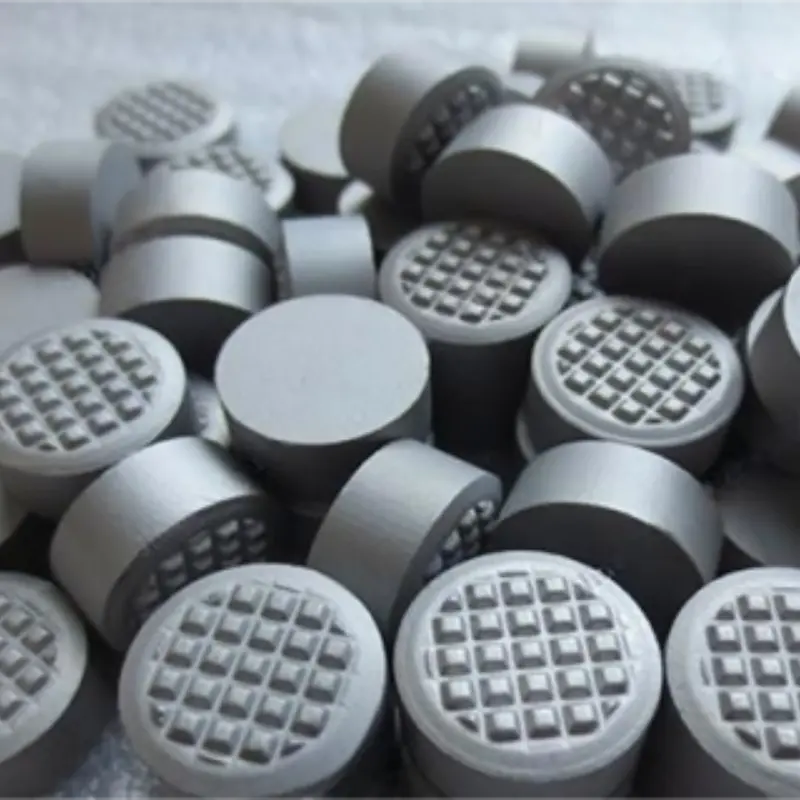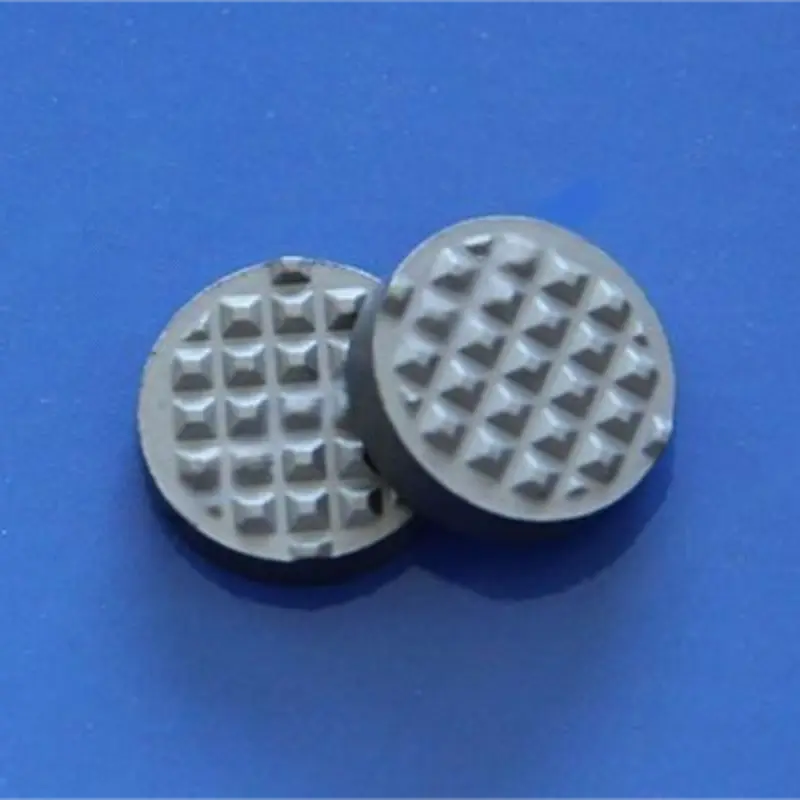


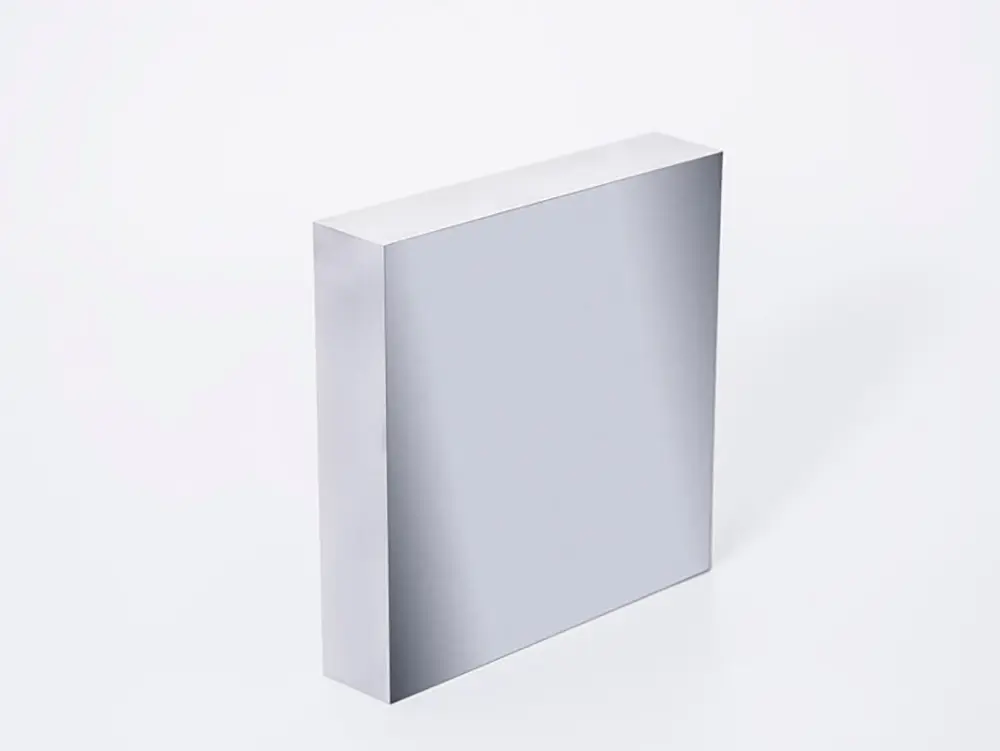
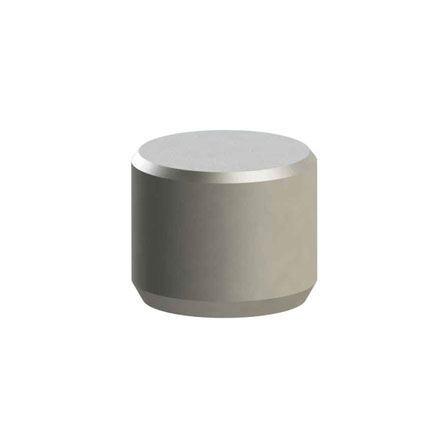
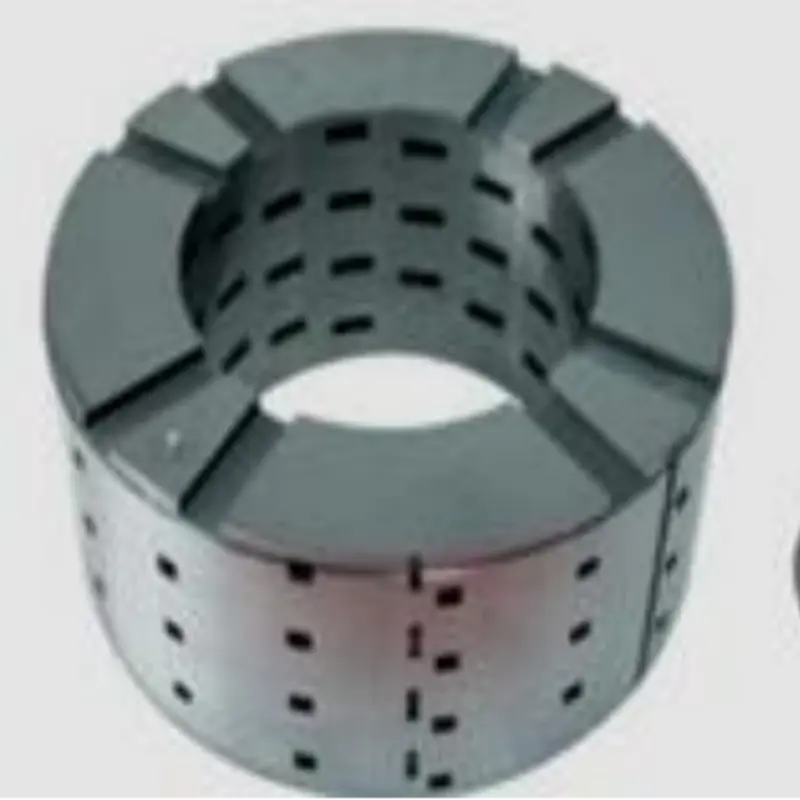
A Composite Sheet Substrate refers to a base material, typically in sheet form, that is composed of two or more distinct physical or chemical phases combined to create a new material with superior properties compared to its individual components. In advanced industrial contexts, this often involves combining a tough, ductile matrix (like a metal or polymer) with a hard, reinforcing phase (like ceramic particles or fibers) to achieve a balance of strength, toughness, and other specific functional properties.
These substrates are engineered to serve as a foundational platform for further processing or as a core structural component in demanding applications.
Tailored Properties: The primary advantage is the ability to design a material with a specific set of properties not found in a single material. This includes optimizing for:
High Strength-to-Weight Ratio: Especially in polymer or metal matrix composites reinforced with carbon or ceramic fibers.
Enhanced Wear Resistance: Achieved by embedding hard particles like tungsten carbide or ceramic into a metal matrix.
Improved Thermal or Electrical Conductivity: By incorporating conductive fibers or particles.
Controlled Thermal Expansion: Critical in electronics to match the expansion of semiconductors.
Multi-Functionality: A single composite sheet can be designed to perform multiple roles, such as providing structural support, wear resistance, and thermal management simultaneously.
Anisotropy: Properties can be engineered to be directional (anisotropic), such as being strong in one direction due to aligned fibers, which is ideal for specific load-bearing applications.
The "composite sheet substrate" is a broad category. Key types include:
Metal Matrix Composites (MMC): A metal base (e.g., aluminum, copper) reinforced with ceramic particles (e.g., silicon carbide, boron carbide) or fibers.
Ceramic Matrix Composites (CMC): A ceramic matrix (e.g., silicon carbide) reinforced with ceramic fibers, providing exceptional high-temperature strength and fracture toughness compared to monolithic ceramics.
Polymer Matrix Composites (PMC): A polymer resin (e.g., epoxy) reinforced with continuous fibers (e.g., carbon, glass, aramid). These are the classic "composite" sheets used in aerospace and sporting goods.
Laminated Composites: Multiple layers of different materials (e.g., metals, polymers) are bonded together to create a sheet with properties derived from each layer.
Composite sheet substrates are foundational in high-tech industries:
Electronics Packaging: Used as substrates for semiconductor chips and circuits. Examples include:
Direct Bonded Copper (DBC): A ceramic sheet (like Al₂O₃ or AlN) with copper bonded to both sides, used for power modules.
Metal Core PCBs: A metal base (like aluminum) with a dielectric layer and circuit layer, used for LED lighting.
Aerospace & Defense: As structural panels for aircraft skins, satellite components, and armor systems, where lightweight and high strength are critical.
Wear-Resistant Liners: MMC sheets containing tungsten carbide or other hard phases are used to line equipment in mining, agriculture, and material handling.
Thermal Management: As heat sinks or spreaders in high-power electronics, leveraging composites with high thermal conductivity (e.g., Al-SiC).
The following table summarizes the key features for a quick overview:
| Feature | Description | Advantage |
| Core Concept | A base sheet made by combining two or more different materials. | Enables creation of materials with property combinations impossible for a single material. |
| Key Principle | Synergy. The matrix and reinforcement work together to create superior properties. | Achieves an optimal balance, e.g., toughness from the matrix and hardness from the reinforcement. |
| Common Reinforcements | Particles (Carbide, Ceramic), Fibers (Carbon, Glass). | Imparts specific properties like wear resistance or high strength. |
| Common Matrices | Metals (Al, Cu), Polymers (Epoxy), Ceramics (SiC). | Provides the continuous phase, offering toughness, and binding the reinforcement. |
| Primary Driver | Performance and Functionality. | Allows for lightweight, efficient, and durable designs in advanced engineering. |
| Key Industries | Electronics, Aerospace, Automotive, Defense, High-end Manufacturing. | The enabling material for technological advancement in these sectors. |
In summary, a Composite Sheet Substrate is a highly engineered foundational material. It is not a simple raw material but a sophisticated platform designed from the atomic level up to provide specific mechanical, thermal, and electrical properties, making it indispensable for modern high-performance applications.
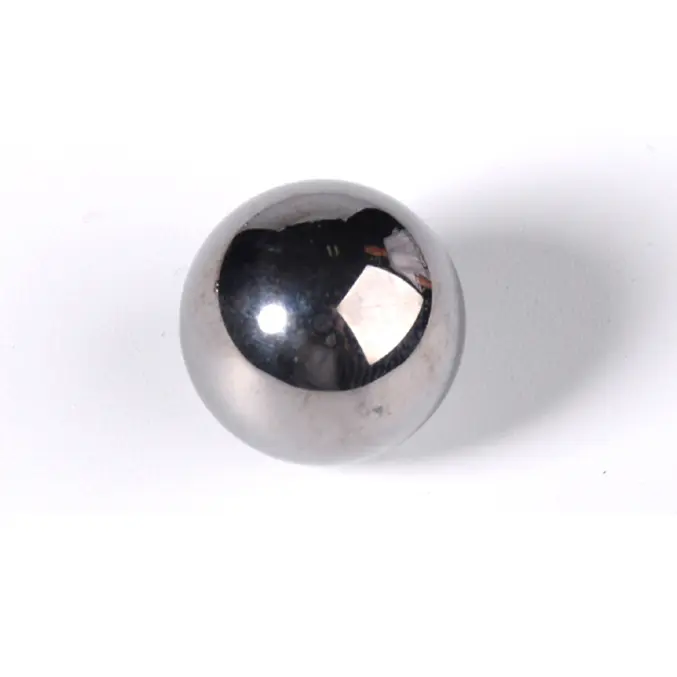
Cemented carbide ball is a spherical cemented carbide product made by high-precision forming and sintering processes. It has extremely high hardness, wear resistance, corrosion resistance and dimensional accuracy. Widely used in bearings, valves, precision instruments, abrasive media and other fields, it can be used as rolling elements, seals, grinding media, etc., with the characteristics of long service life and stable operation.
Product parameter project unit parameter process scope Maximum rotary dia...
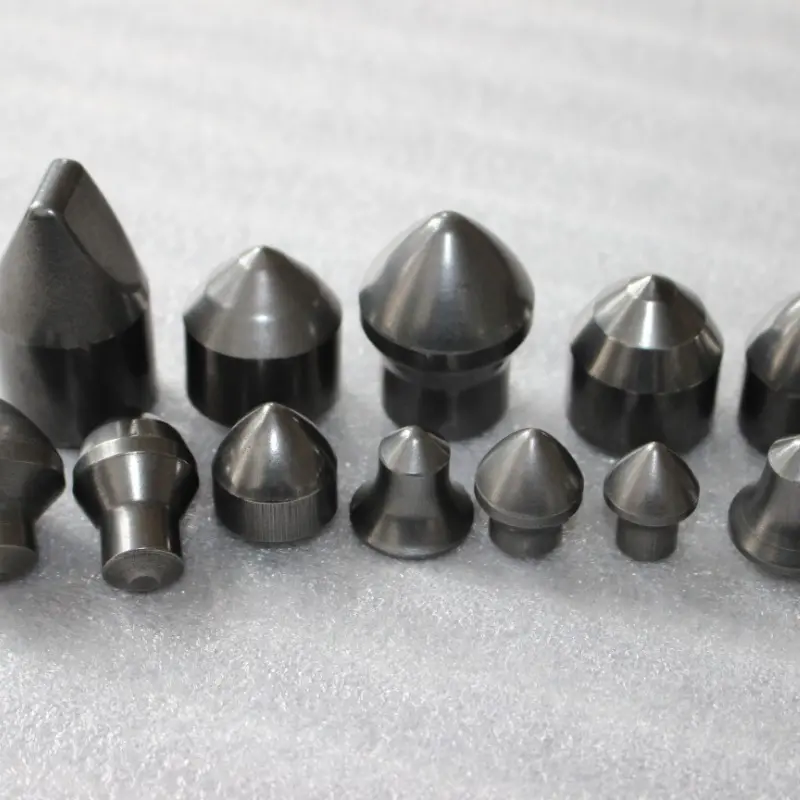
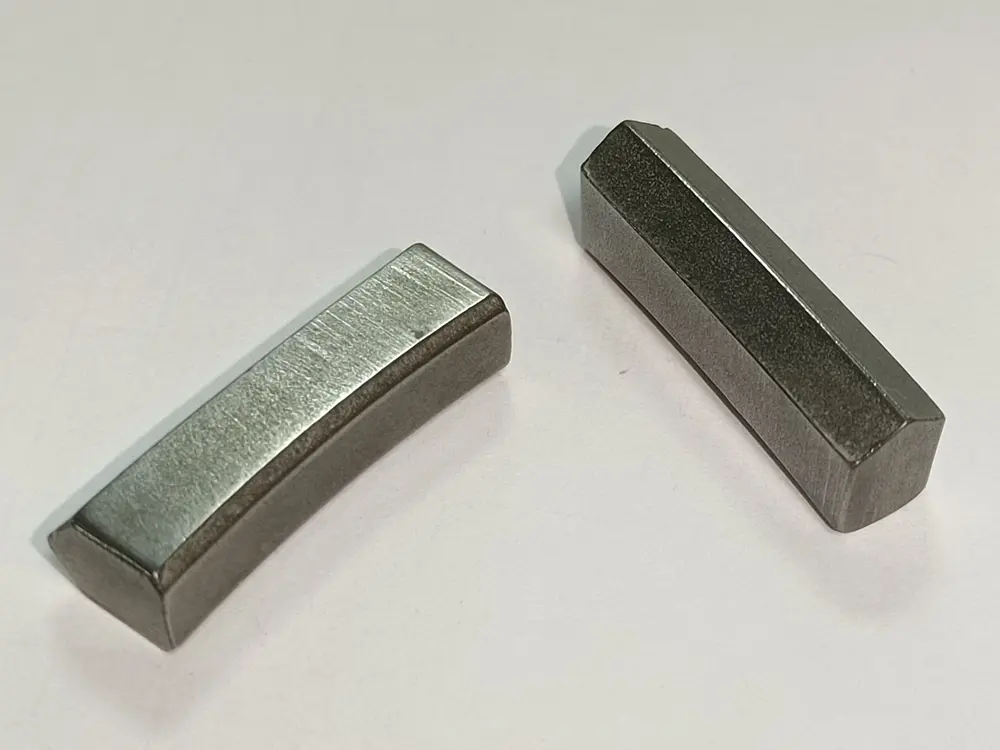
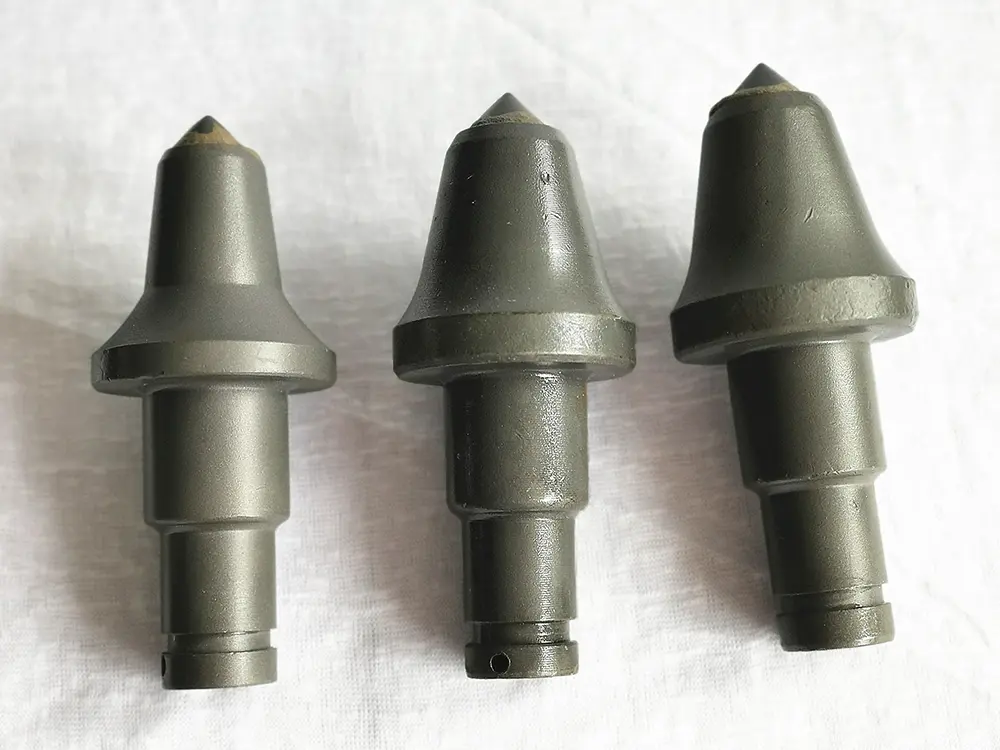
Carbide cutting teeth refer to the tooth-like or tip components made from tungsten carbide, a composite material known for its exceptional hardness, wear resistance, and durability. These teeth are typically brazed or mounted onto various tools and machinery to serve as the primary cutting, drilling, or grinding surface.
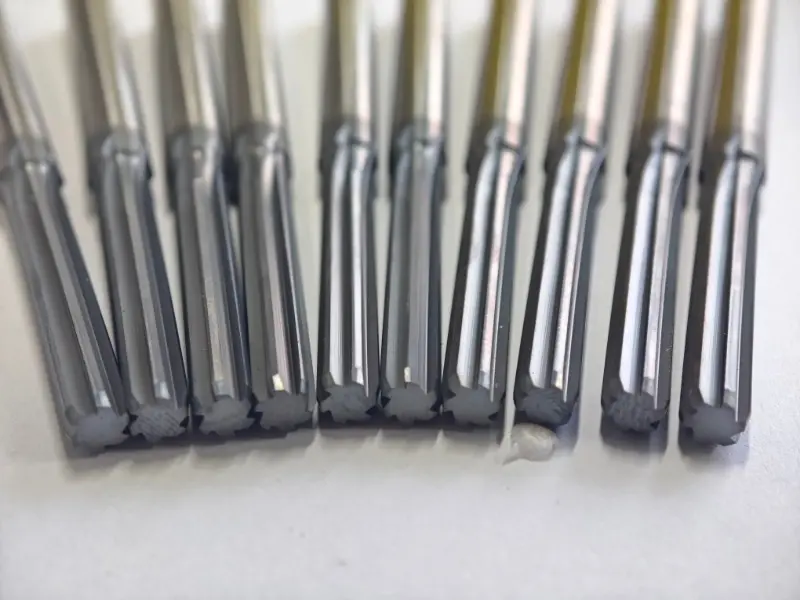
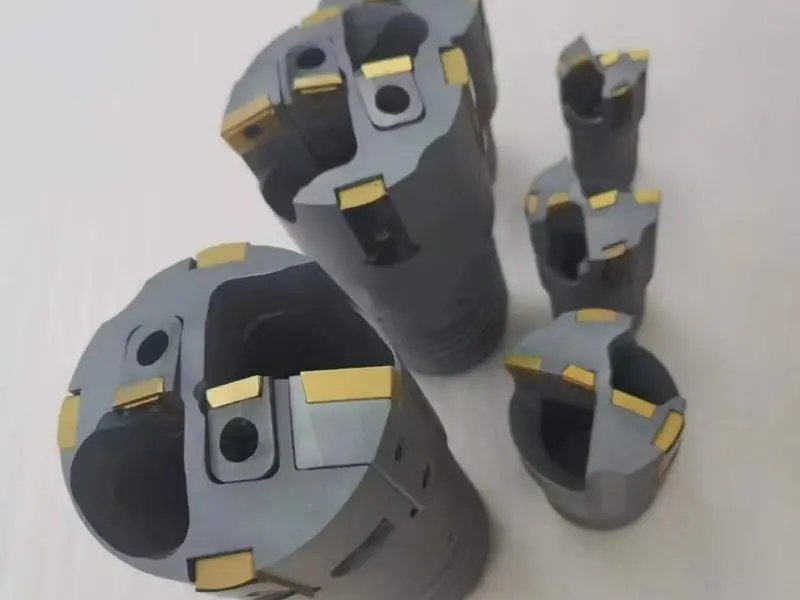
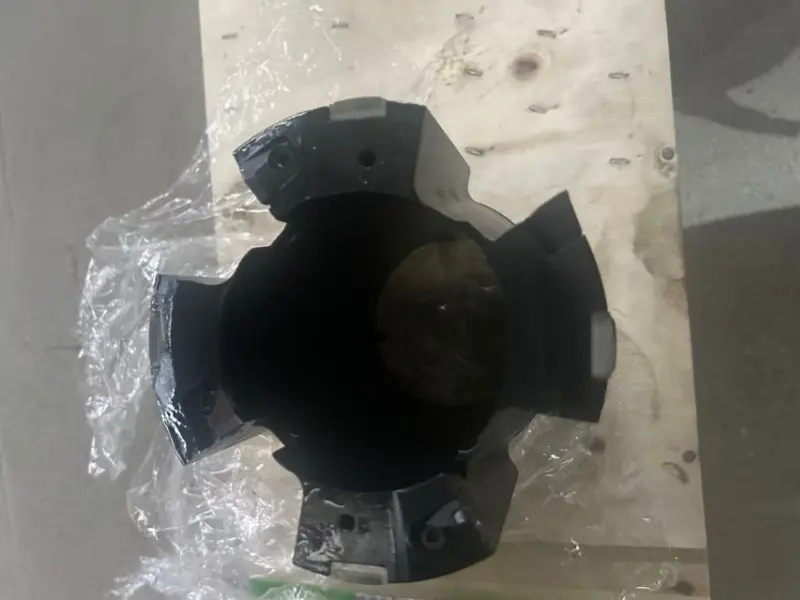
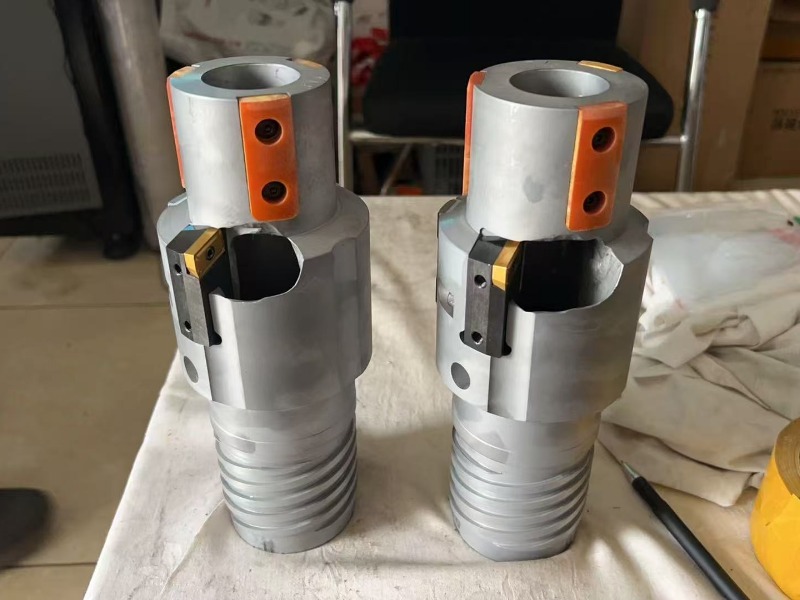
Indexable reamers are precision hole-finishing tools for metalworking, featuring replaceable carbide inserts (no regrinding needed) and modular designs. They deliver high accuracy, efficiency, and cost-effectiveness in mass production, replacing traditional solid reamers for medium-to-large batch machining. Our reamers are engineered with advanced insert clamping, internal coolant systems, and wear-resistant coatings to meet strict tolerance and surface finish requirements.
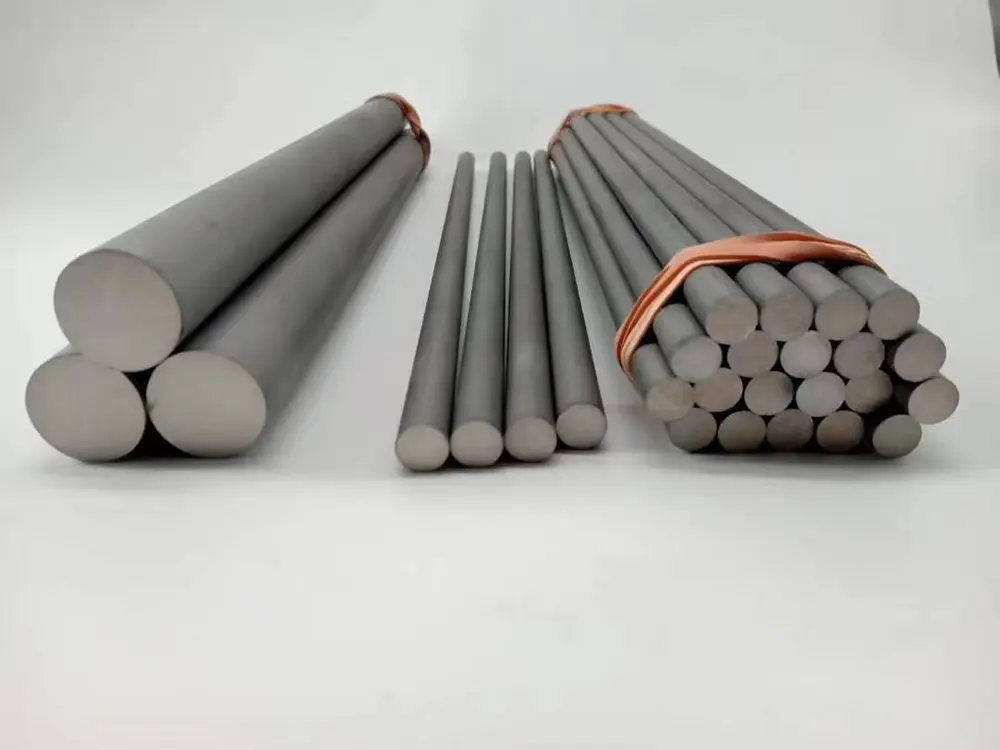
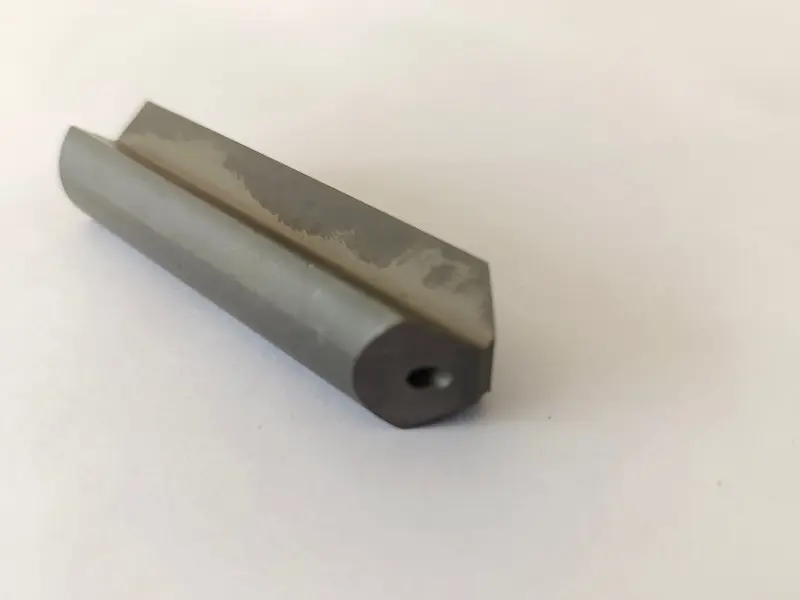
A Grade Carbide manufactures solid tungsten carbide rods in a wide range of carbide grades, lengths, and diameters. We offer both ground(h5 and h6) and as sintered (unground) solid rods, length 330mm and 310mm, and cut to length.
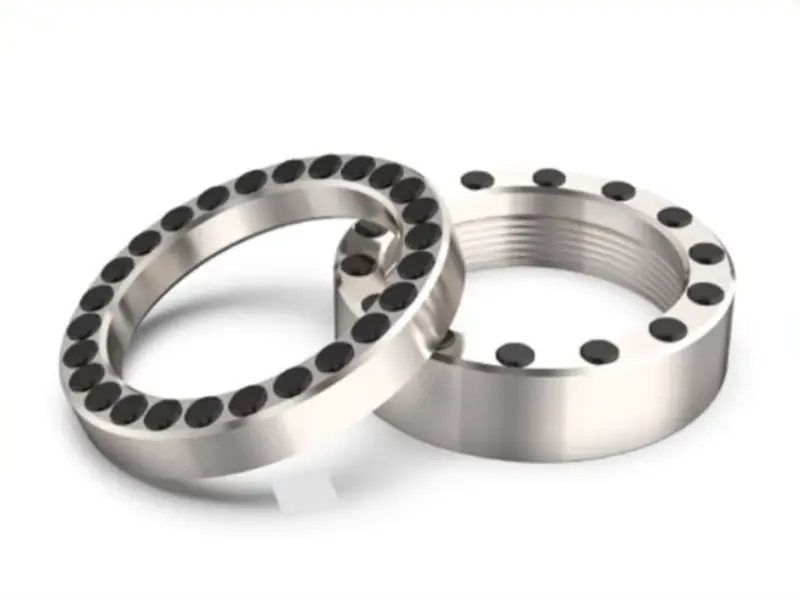
Service Areas Screw Motors, Rotary Steerable Systems, Downhole Drilling Tools, etc. ...
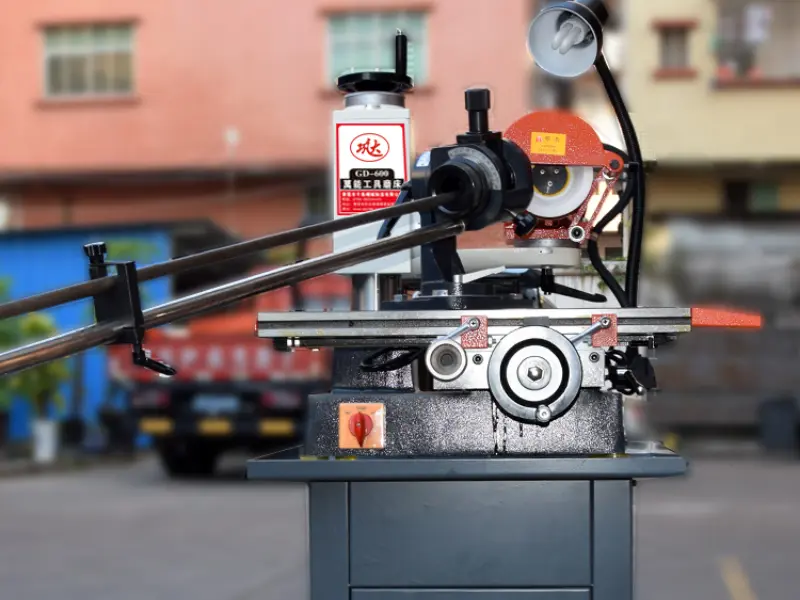
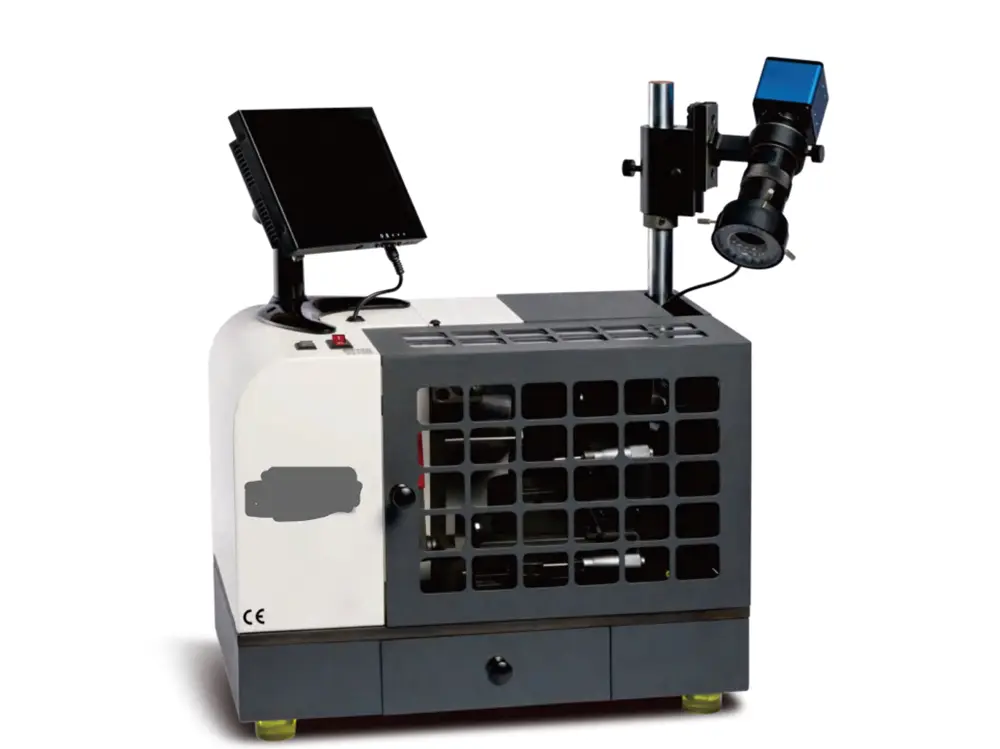
GD-600 Standard gun drill sharpening machine adopt precision rolling track, high-speed motor. The motion is smooth and the friction is small. Grinder can rotate in horizontal and vertical plane. Widely applicable to machine tools with sharpening Fixture canbe accurate and effective grinding a variety of gun drill.50Q Gun Drills Gun Drill Sharpening Fixture is specialized used in dedicated tooling the compact structure, of setup is reasonable and convenient, adjustment is simple, processing is time-saving(once setup to be completed by all angle grinding), the processing of drilling edge, high precision, good accuracy. Grinding range is φ 5-φ 32
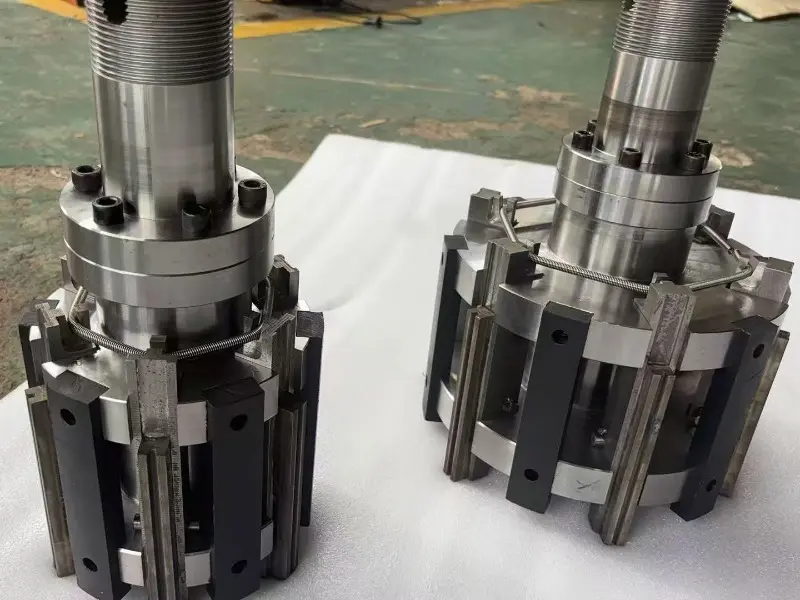
Technical Parameters Item Specification Range Honing Diameter Range Φ25mm - Φ100...
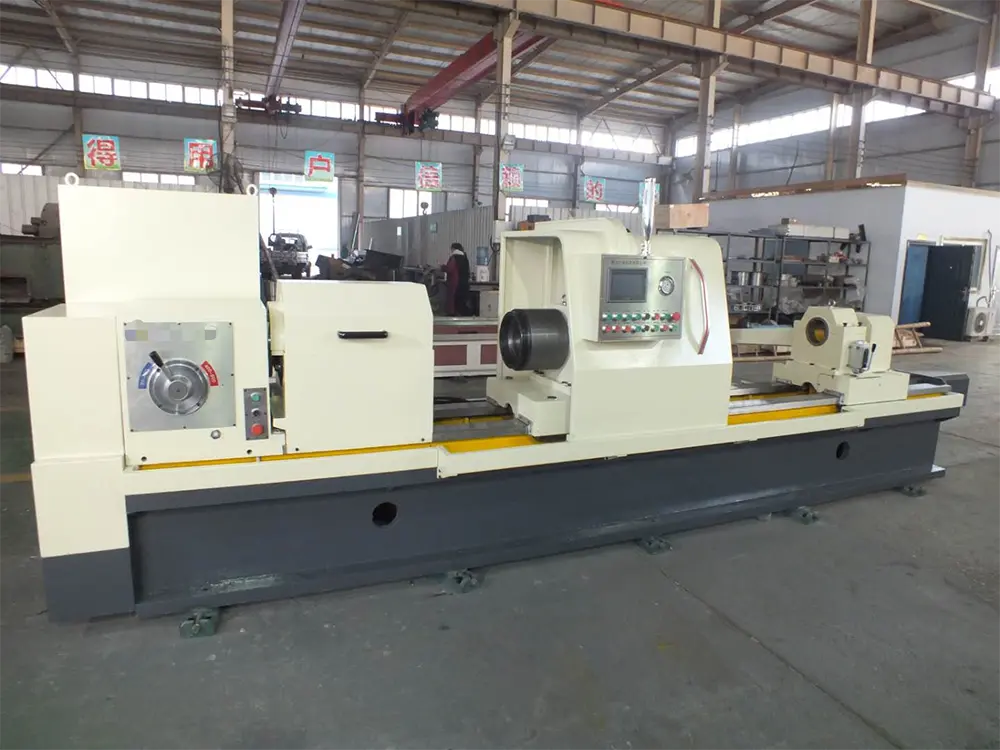
Large aperture deep hole drill i a deep hole machining machine that integrates BTA drill cutter drill,and gun dril,with a driling diameter of up to φ120mm. High efficient,high-precision,and high smoothness machining of large holes,with a smoothness of Ra0.4~0.8.
Parameter ■This machine is portable, accurate, and durable, equipped witha diamond gr...
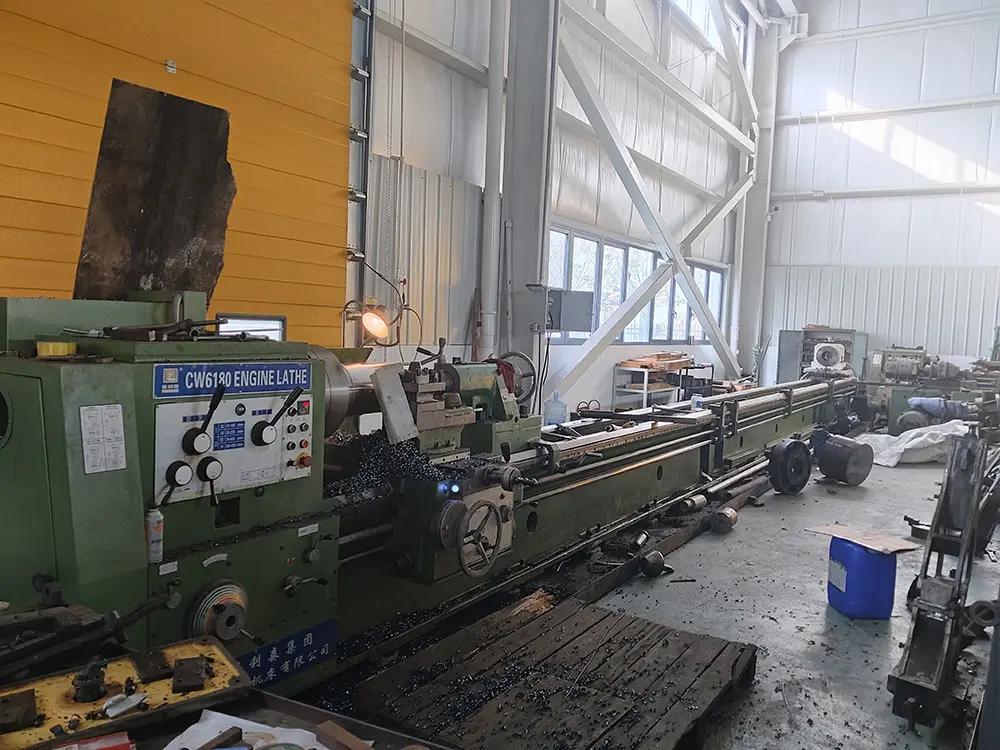
The lathes are suitable for machining various small and medium-sized steel parts. They can turn the inner holes, outer circles, end faces, cones and various threads – metric, imperial, module and diametral pitch threads – of various workpieces, and can also undertake drilling and boring functions.
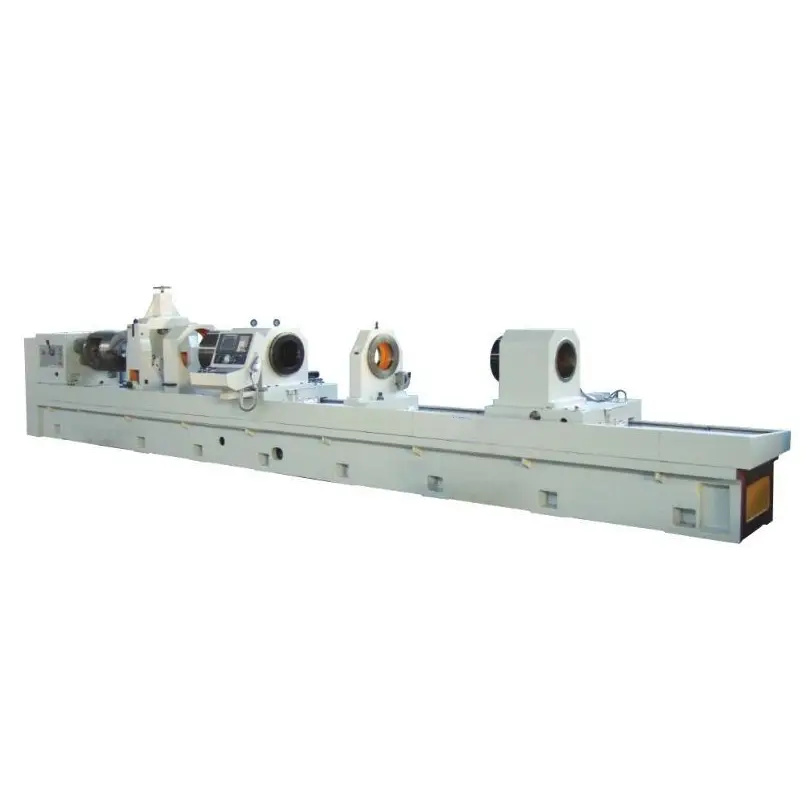
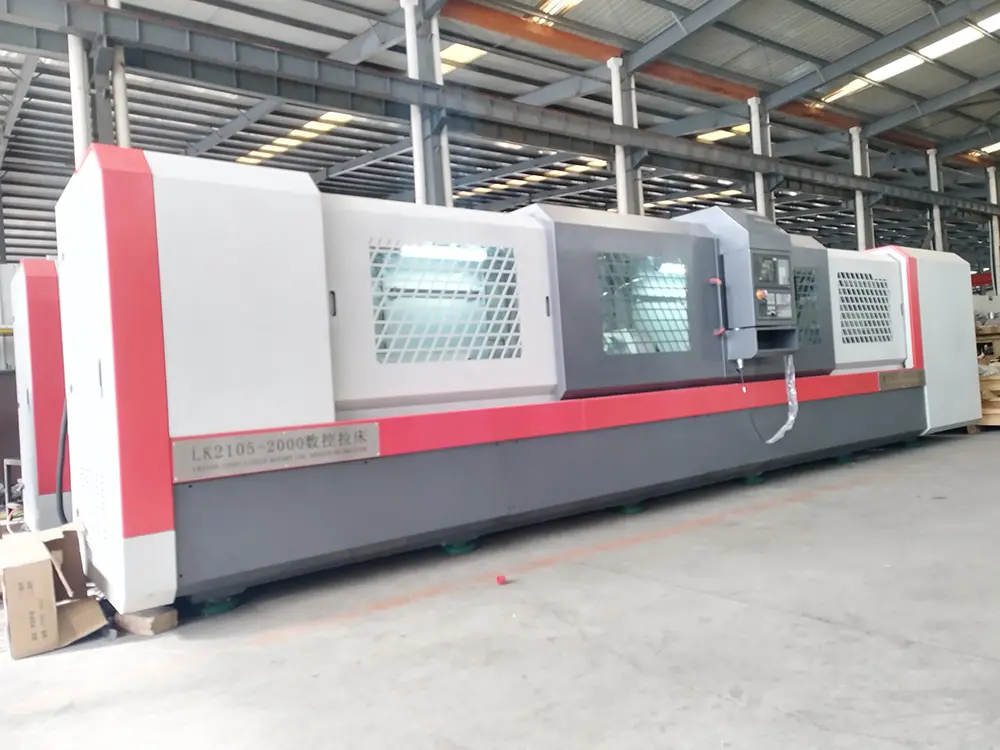
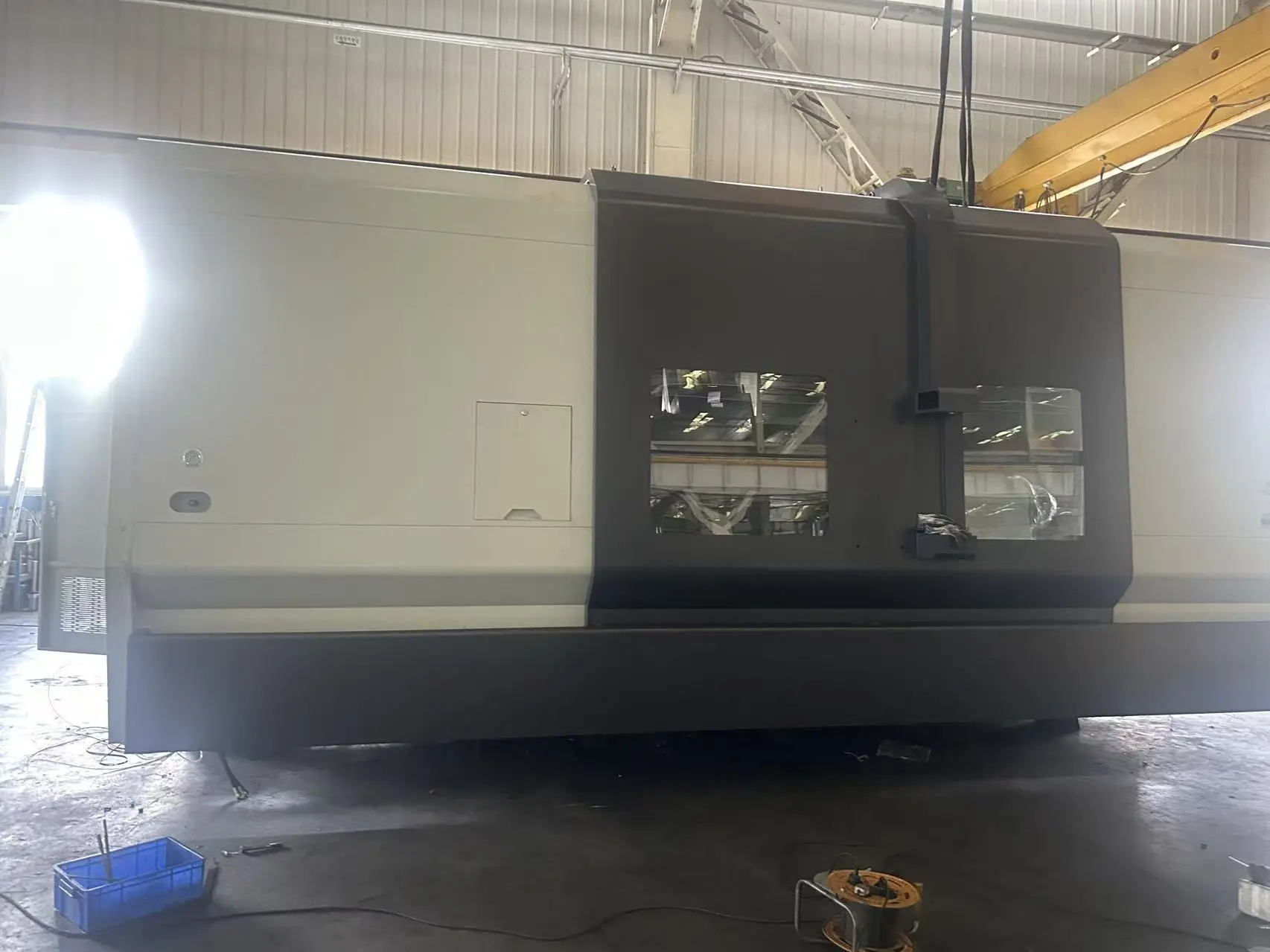
This machine tool is a special-purpose machine tool for machining cylindrical deep-hole parts. It is suitable for boring cylindrical deep-hole workpieces. During boring, an oil feeder is used to supply oil, and the chips are discharged to the chip hopper at the head of the machine through the cutting zone. During drilling, an internal chip removal method (BTA) is used, that is, an oil feeder supplies oil, and the chips are discharged from the inside of the drill rod to the chip hopper at the rear of the machine through the cutting zone.
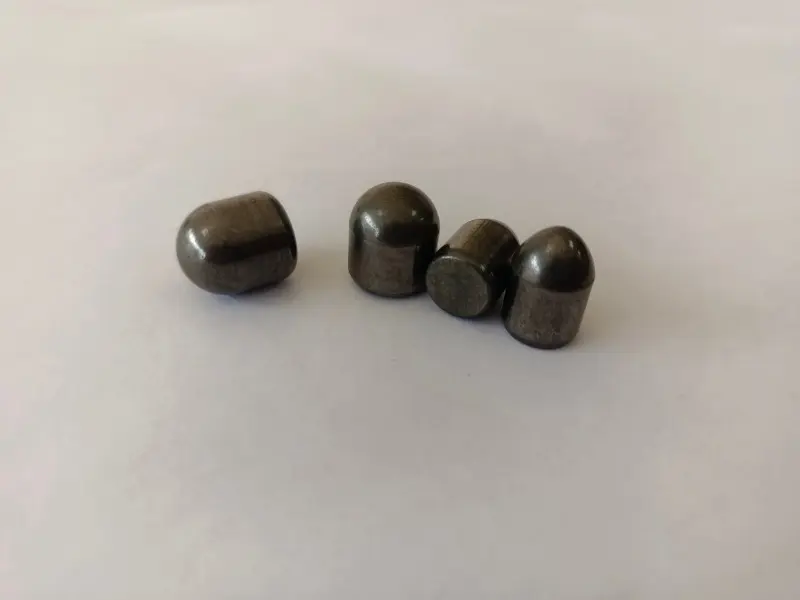
Cemented carbide ball tooth is a multi-functional cemented carbide cutting/crushing component with a spherical head. It has excellent impact toughness, wear resistance and cutting performance. Widely used in mining, tunnel excavation, building crushing and other fields, it is installed on drilling rigs, crushers, excavators and other equipment. It can efficiently crush hard materials such as rocks, ores and concrete, and is a key wearing part in the geology, mining and construction industries.
Valve internals refer to the critical components housed within a valve body that directly control the flow, direction, and pressure of a fluid (liquid or gas). While the valve body contains the pressure, it is the internals that perform the essential work of sealing, modulating, and shutting off the flow. Their performance and durability are paramount to the entire system’s reliability. These components are typically designed as replaceable parts, allowing for maintenance and repair without replacing the entire valve body.
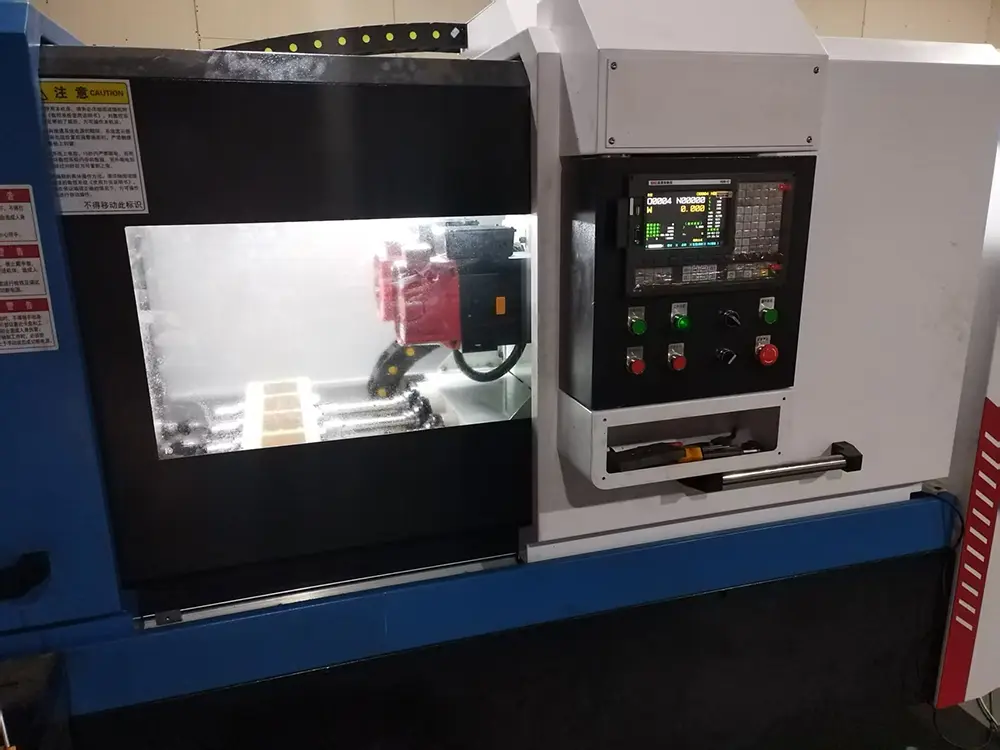
Four Axis CNC Deep Hole Gun Drilling Machine is used for processing automobiles, motorcycles, oil pump, nozzle, engineering machinery, mining machinery, military industry and other industries, small and medium-sized deep hole axial workpiece of special equipment.