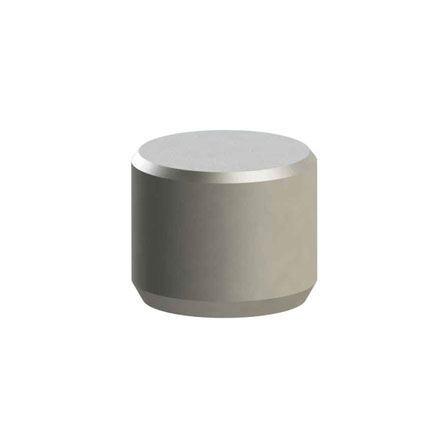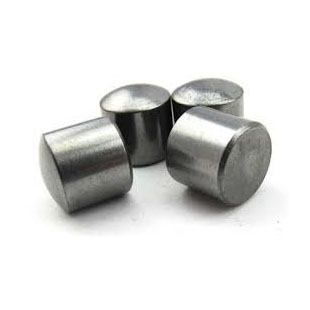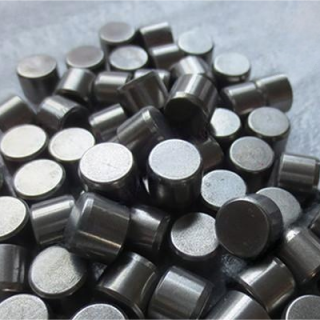


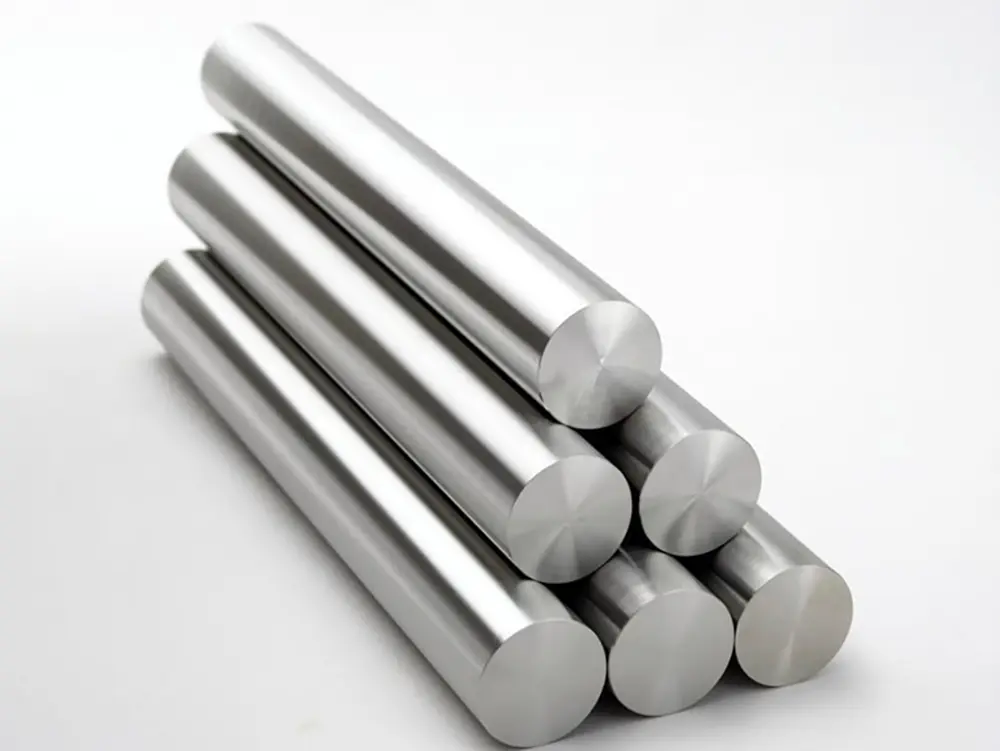
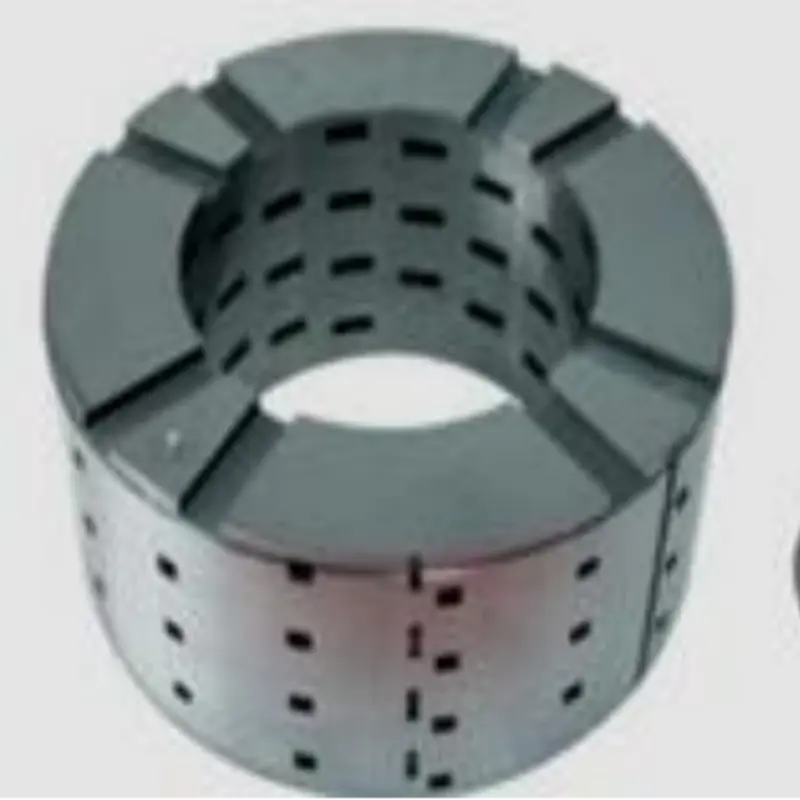
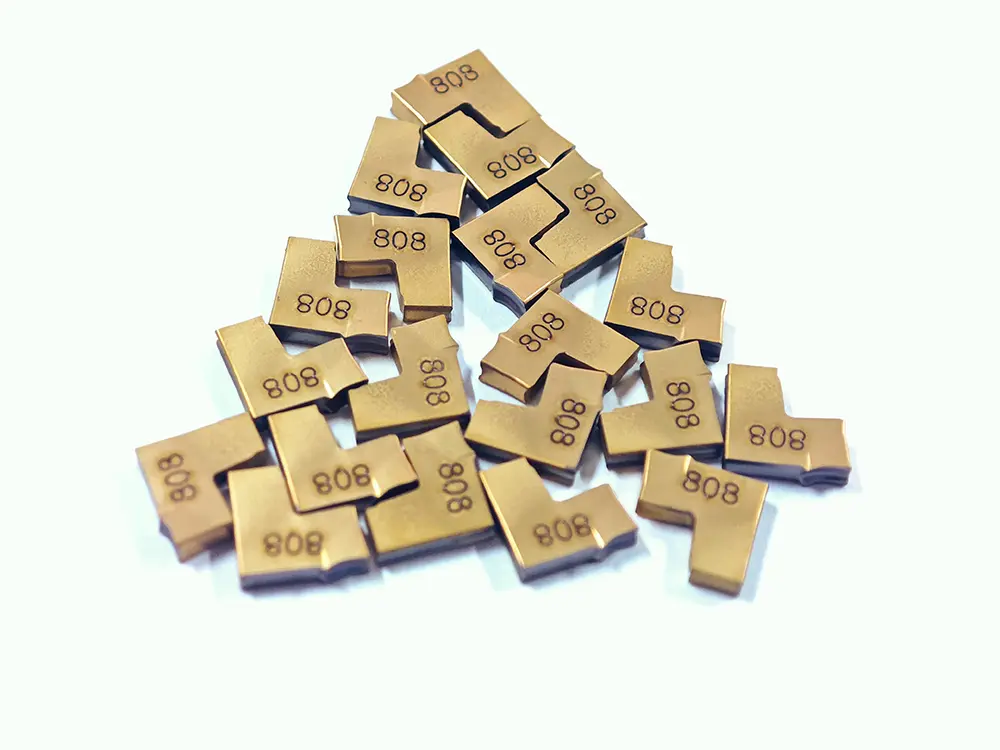
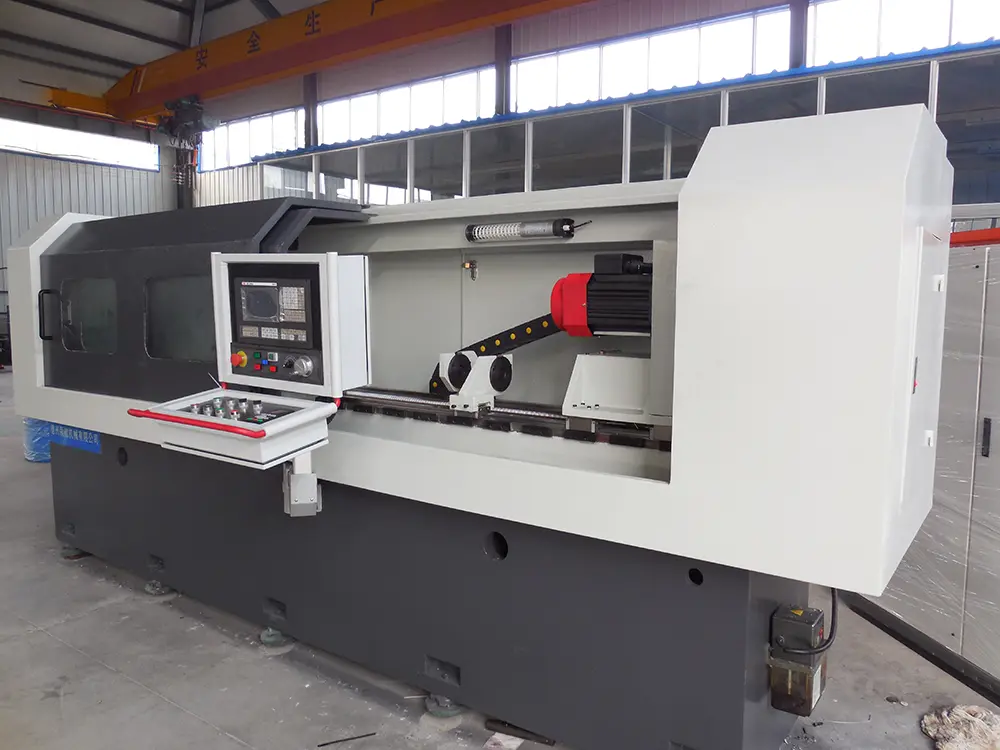
Wear-Resistant Alloys are a class of materials specifically engineered to withstand surface degradation and material loss caused by mechanical wear. This wear can result from abrasion (scraping), erosion (impact by particles), adhesion (galling and seizing), and impact.
Their primary function is to extend the service life of industrial equipment, reduce downtime, and improve operational efficiency in demanding environments.
The Science of Wear Resistance
Wear resistance is not a single material property like density; it's a complex system behavior. The key to a material's wear resistance lies in its ability to resist plastic deformation and fracture. This is primarily achieved through:
High Hardness: Resists penetration and abrasion by hard particles.
Work Hardening: The ability to become harder and tougher at the surface when impacted or stressed (e.g., Hadfield manganese steel).
Toughness: Resists chipping, cracking, and spalling under impact loads.
Microstructure: The presence of hard carbides (e.g., chromium, tungsten, vanadium carbides) embedded in a tough metallic matrix is a common feature.

Wear-resistant alloys are typically based on ferrous metals (iron and steel) or non-ferrous metals, each tailored for specific wear mechanisms.
| Alloy Type / Base | Key Characteristics | Common Grades / Examples | Primary Applications |
| Martensitic Steels | High hardness and good strength; achieved through heat treatment (quenching & tempering). | AR400, AR500, 4140, 4340 | Mining buckets, crusher liners, bulldozer blades, wear plates. |
| Austenitic Manganese Steel | "Hadfield Steel". Extremely tough and work-hardening. Upon impact, its surface hardness increases dramatically while the core remains tough. | A128 Grade C, MN13, MN18 | Jaw crusher liners, railroad frogs, rock drill bits, crawler tracks. |
| High-Chromium White Cast Iron | Exceptional abrasion resistance due to a high volume of hard chromium carbides. Can be brittle under impact. | Ni-Hard, A532 | Slurry pump casings, mill liners, pulverizer rolls, shot blasting equipment. |
| Carbide Composites | Not a monolithic alloy, but a critical wear-resistant material. Hard tungsten carbide particles embedded in a tough metal matrix (like cobalt or nickel). | Tungsten Carbide-Composites, Stellite (Cobalt-based) | Hardfacing wires, wear plates, cutting tools, drill bits, valve seats. |
| Cobalt-Based Alloys | Excellent resistance to a combination of wear, corrosion, and high temperatures (red-hardness). | Stellite, Haynes alloys | Gas turbine blades, high-temperature valves, saw tips, engine components. |
| Nickel-Based Alloys | Similar to cobalt alloys, offering good wear and corrosion resistance, often used where cobalt is not suitable. | Inconel, Colmonoy | Chemical processing equipment, aerospace components, hardfacing overlays. |
These alloys are not always used to make entire components. They are often applied in cost-effective ways to protect a base material:
Cast Components: The part (like a pump casing) is entirely cast from the wear-resistant alloy.
Wear Plates: Sheets of hardened steel (e.g., AR400) are bolted or welded onto vulnerable surfaces.
Hardfacing / Cladding: A layer of wear-resistant alloy is welded or fused onto the surface of a cheaper, tougher base metal. This is a very common and economical method.
Thermal Spray: A coating of the alloy is sprayed onto the surface to create a wear-resistant layer.
In summary, Wear-Resistant Alloys are a diverse and critical family of materials that form the backbone of heavy industry. The selection of the appropriate alloy depends on a precise understanding of the wear mechanism (abrasion, impact, etc.), the operating environment (including temperature and corrosion), and economic considerations.
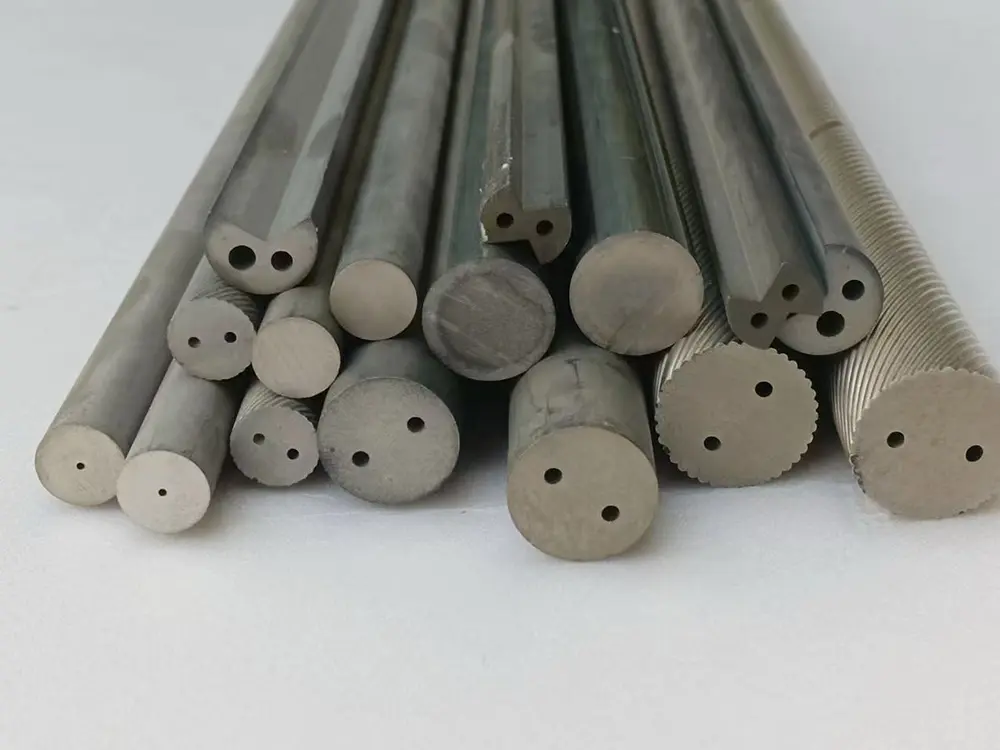
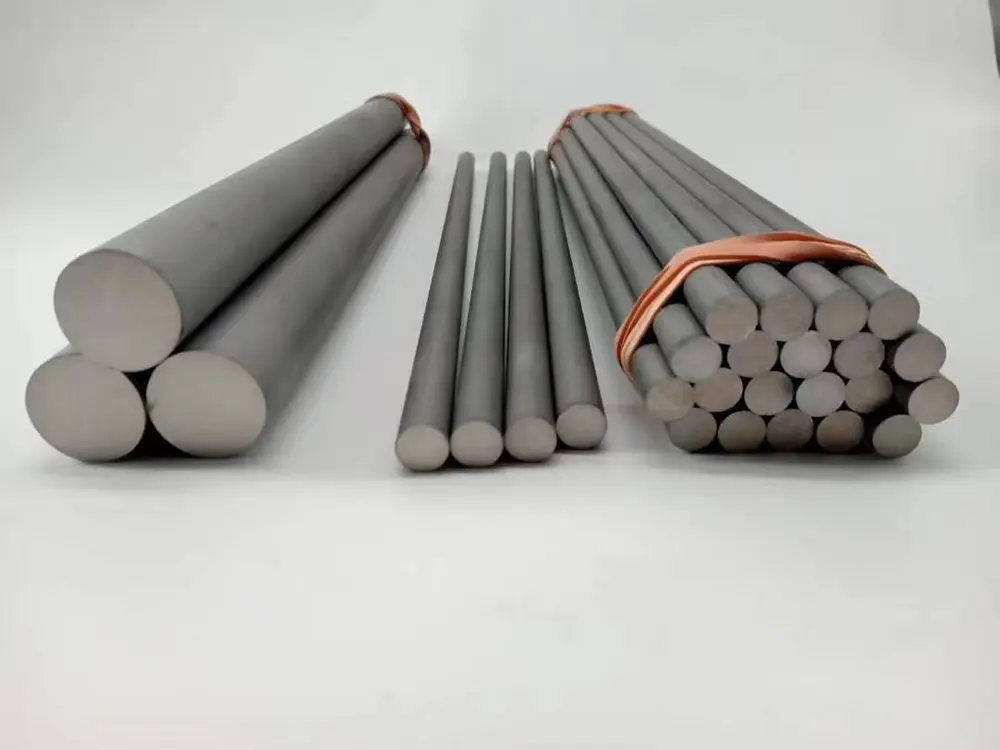
Threaded carbide rod with holes are mainly used for processing tungsten parts or as a tool bit of processing lathe, conductors, steel-making burdening and additives.
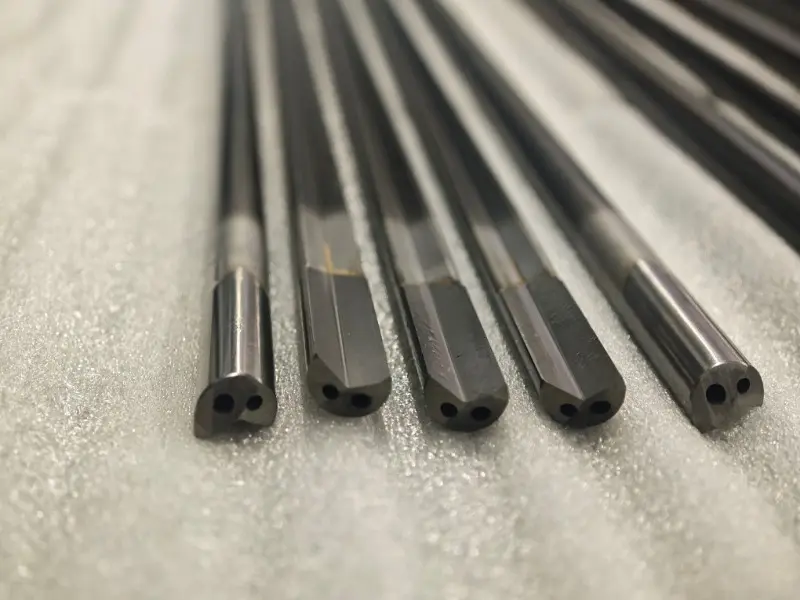
Tip diameter range:2.00mm~45.00mm Three-segment grinding tip:characterized by stable size,high hole surface finish,and high hole straightness and concentricity.It is perfect for applications in automotive shafts,mold cross holes,and hot runners,and has many applicationsin fields with high requirements for holes such as automotive shafts,hot runners,and so on.
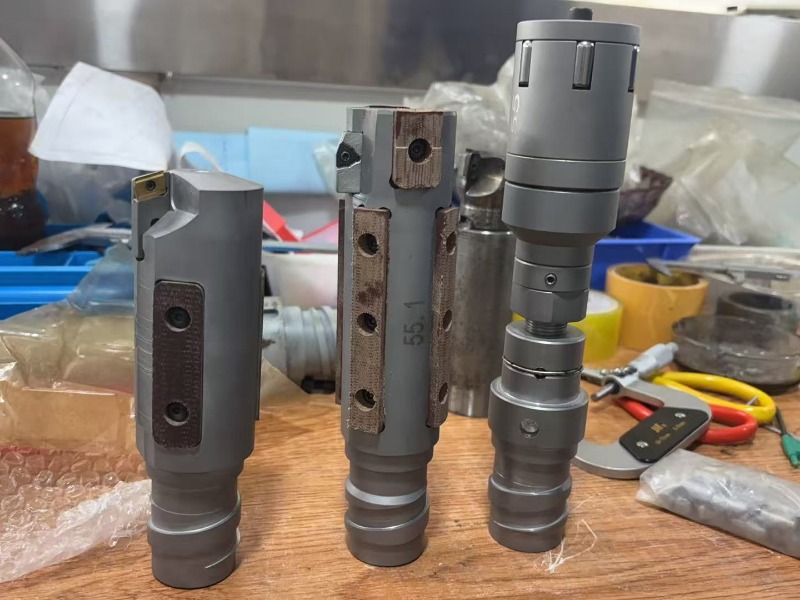
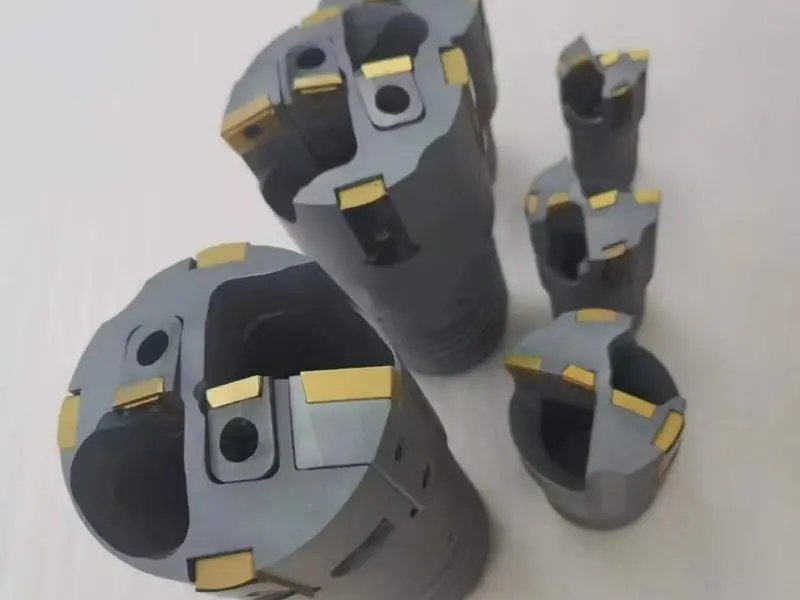
Carbide drill bits are high-performance cutting tools designed for drilling into hard, abrasive, or challenging materials. They are distinguished by their cutting edges or tips, which are made from tungsten carbide, a composite material known for its superior hardness and wear resistance compared to standard high-speed steel (HSS).
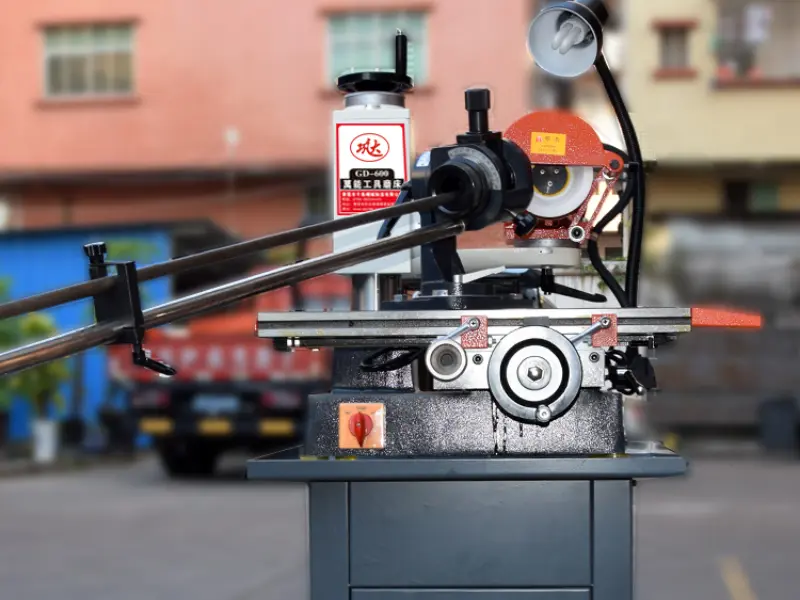
GD-600 Standard gun drill sharpening machine adopt precision rolling track, high-speed motor. The motion is smooth and the friction is small. Grinder can rotate in horizontal and vertical plane. Widely applicable to machine tools with sharpening Fixture canbe accurate and effective grinding a variety of gun drill.50Q Gun Drills Gun Drill Sharpening Fixture is specialized used in dedicated tooling the compact structure, of setup is reasonable and convenient, adjustment is simple, processing is time-saving(once setup to be completed by all angle grinding), the processing of drilling edge, high precision, good accuracy. Grinding range is φ 5-φ 32
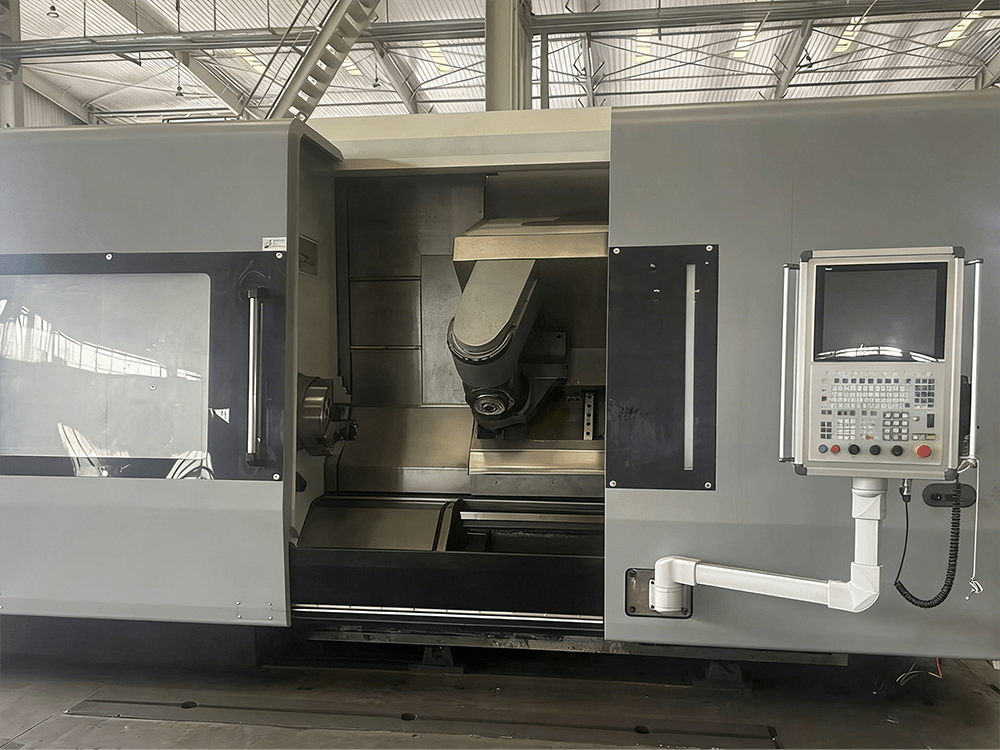
Main instruction Adopting 45°slant bed, the longitudinal and transversal guide way ad...
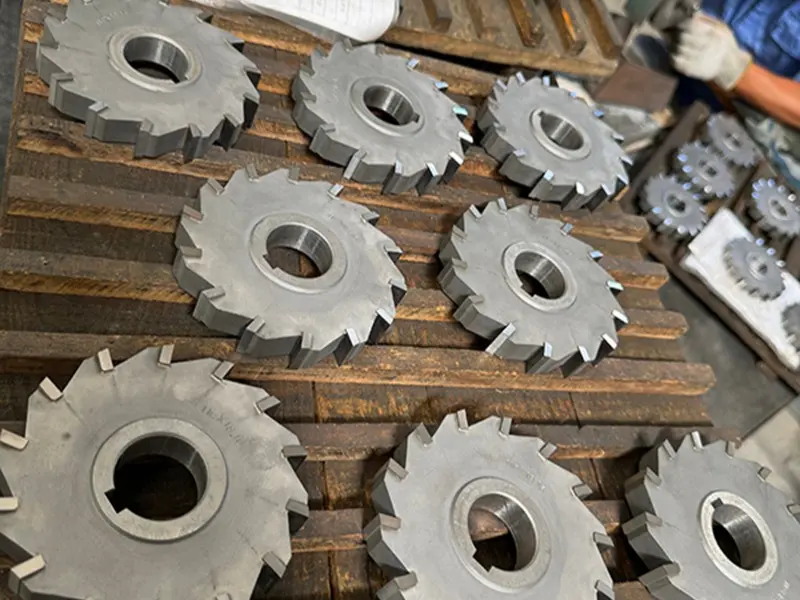
Our triple-blade end mills combine precision manufacturing (5-axis grinding) and premium materials (e.g., YG10X carbide) to deliver consistent performance in industrial production.
Core Definition and Structure Grooving inserts are preformed replaceable cutting unit...
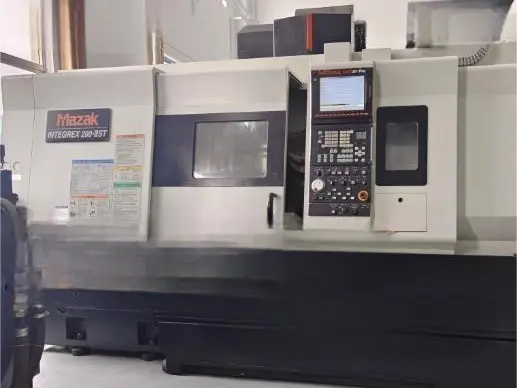
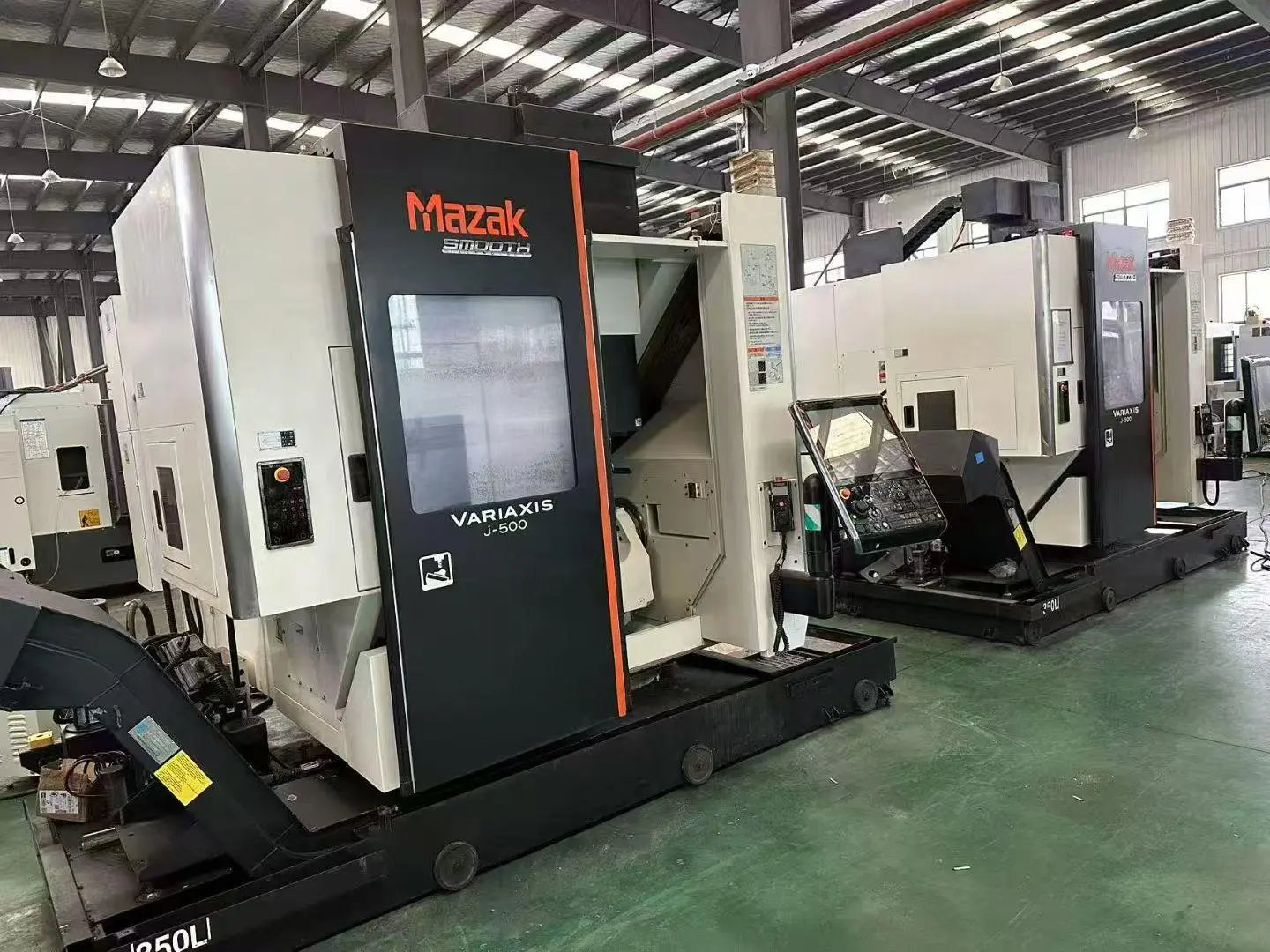
Product parameter Model Basic Configuration INTEGREX200-ⅢST X-axis travel: 580mm...
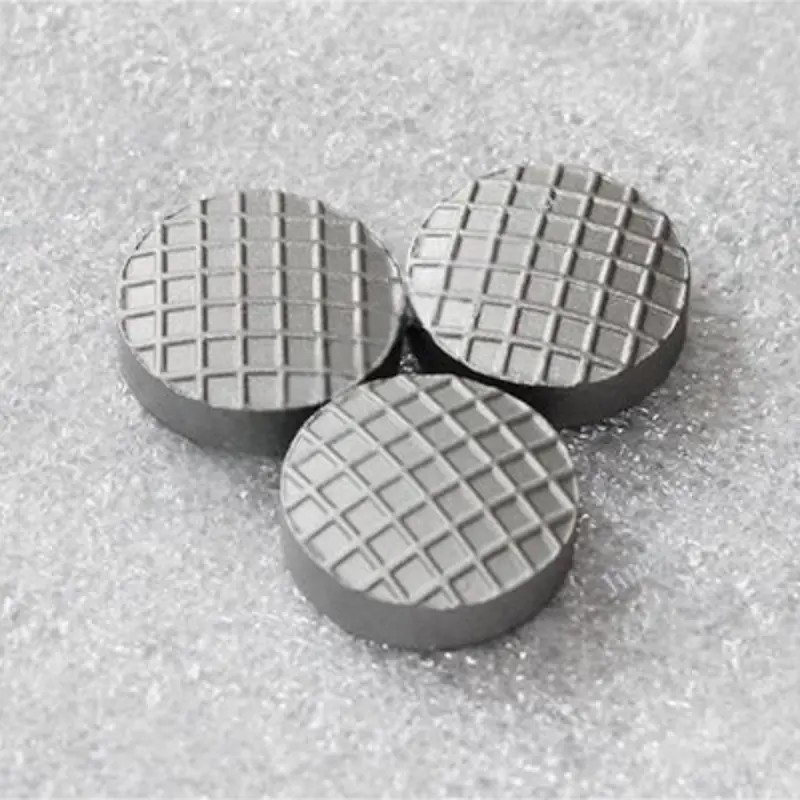
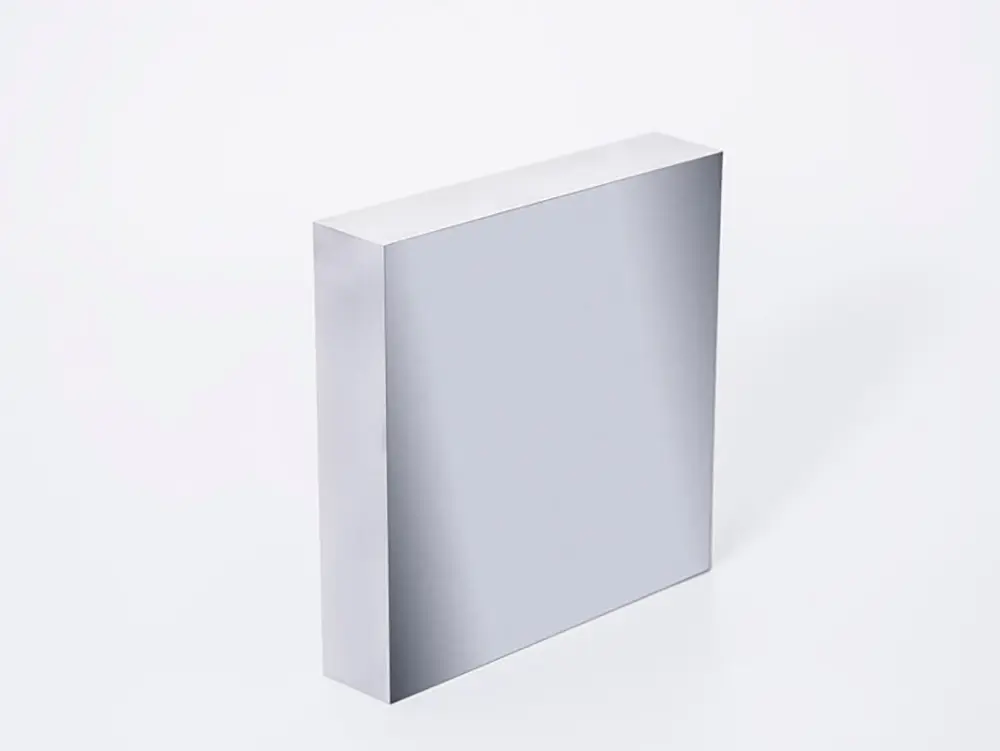
A Composite Sheet Substrate refers to a base material, typically in sheet form, that is composed of two or more distinct physical or chemical phases combined to create a new material with superior properties compared to its individual components. In advanced industrial contexts, this often involves combining a tough, ductile matrix (like a metal or polymer) with a hard, reinforcing phase (like ceramic particles or fibers) to achieve a balance of strength, toughness, and other specific functional properties. These substrates are engineered to serve as a foundational platform for further processing or as a core structural component in demanding applications.
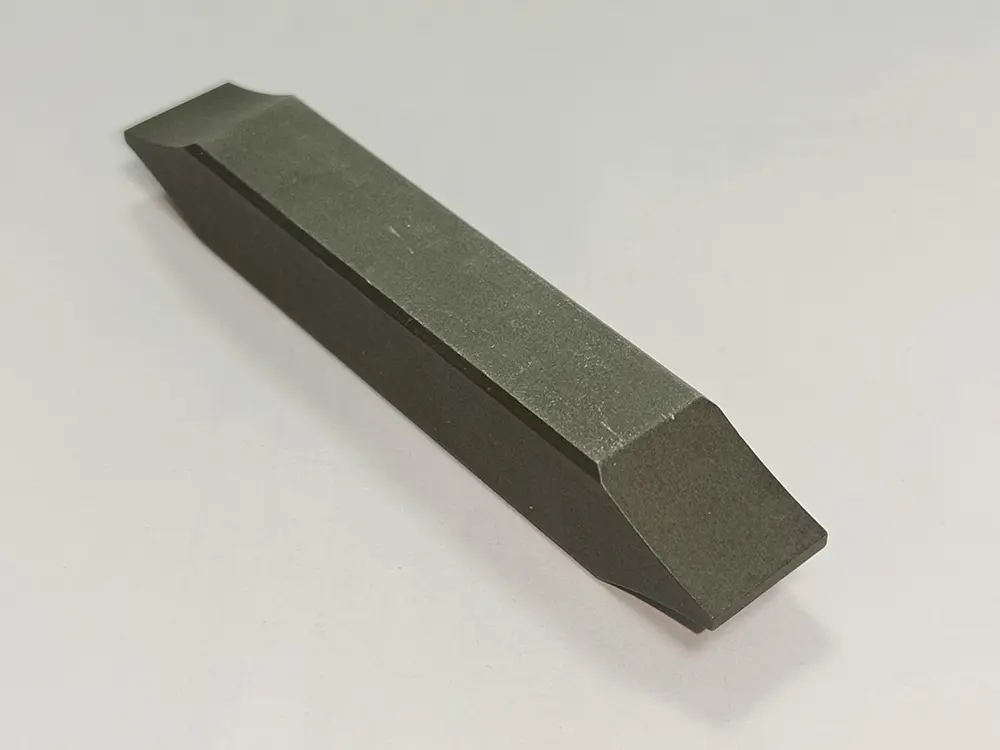
The CD Texture Cutter (Diamond Turning Tool) is a precision cutting tool made of high-quality diamond or cemented carbide substrate with diamond coating. It is mainly used to process uniform and high-gloss CD textures (concentric circular textures) on the surface of metal, composite materials and other workpieces. Widely applied in electronic equipment casings, decorative parts, precision mechanical components and other fields, it features high cutting precision, strong wear resistance and excellent processing surface quality.
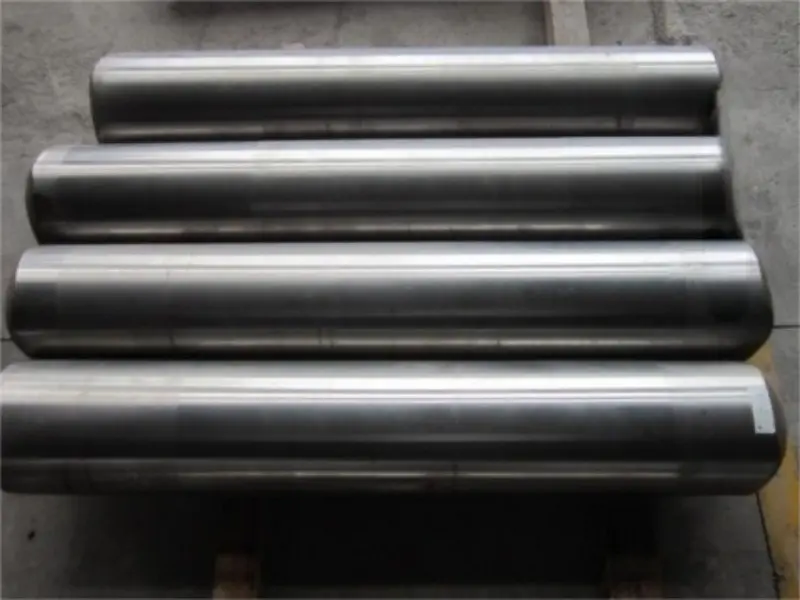
Nickel-based wrought superalloys are a class of high-performance materials designed for exceptional mechanical strength, creep resistance, and structural stability at elevated temperatures, typically above 540°C (1000°F). The term “wrought” signifies that these alloys are shaped into their final form through thermomechanical processes such as forging, rolling, or extrusion, which results in a fine, directional grain structure that provides superior tensile and fatigue properties compared to their cast counterparts. They are the backbone of high-temperature rotating components in aerospace and power generation, where failure is not an option.
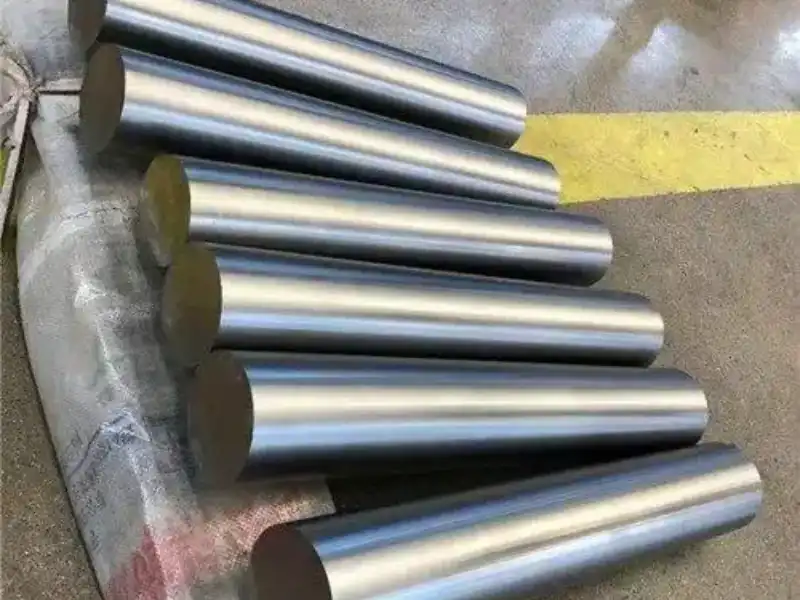
Cobalt-based superalloys are a class of high-performance metallic materials designed to maintain exceptional mechanical strength, surface stability, and corrosion resistance at extremely high temperatures, often exceeding those where nickel-based superalloys begin to weaken. They are a cornerstone material for critical components in the most demanding environments, particularly in aerospace, industrial gas turbines, and medical implants. Their superior performance stems from a strengthened cobalt-chromium matrix and a high volume of hard, refractory carbide particles.
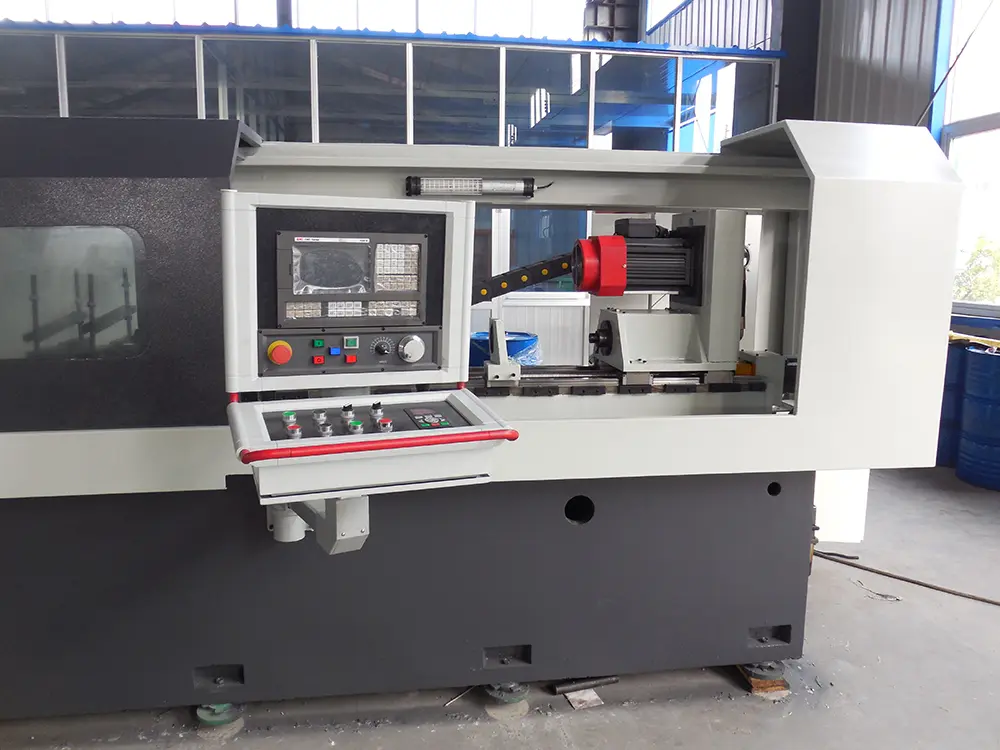
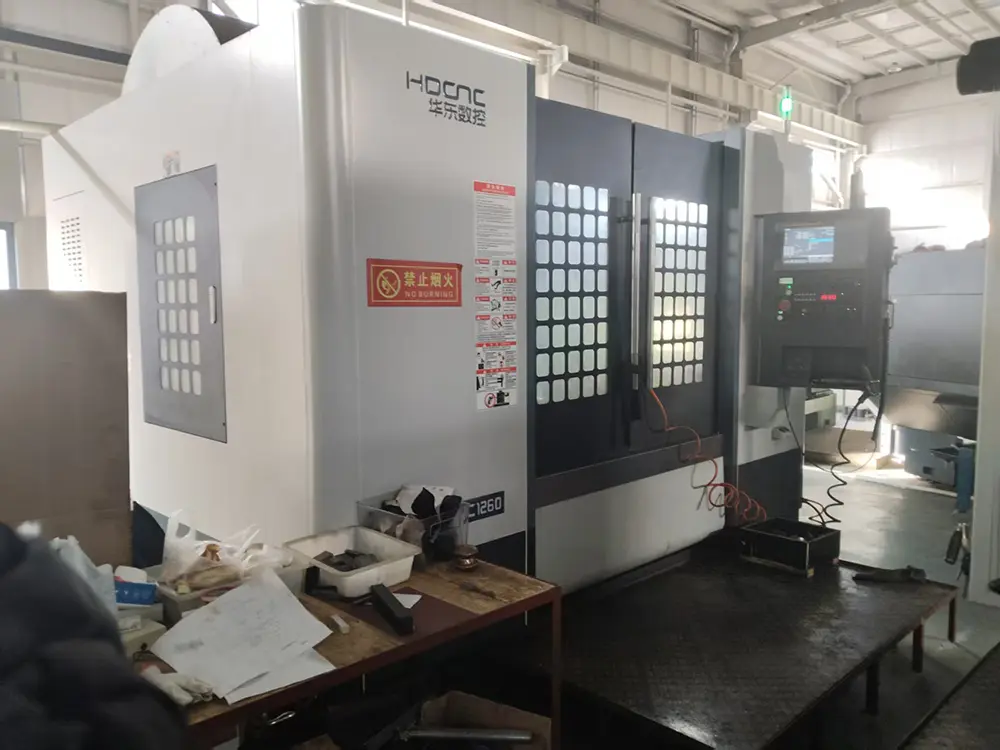
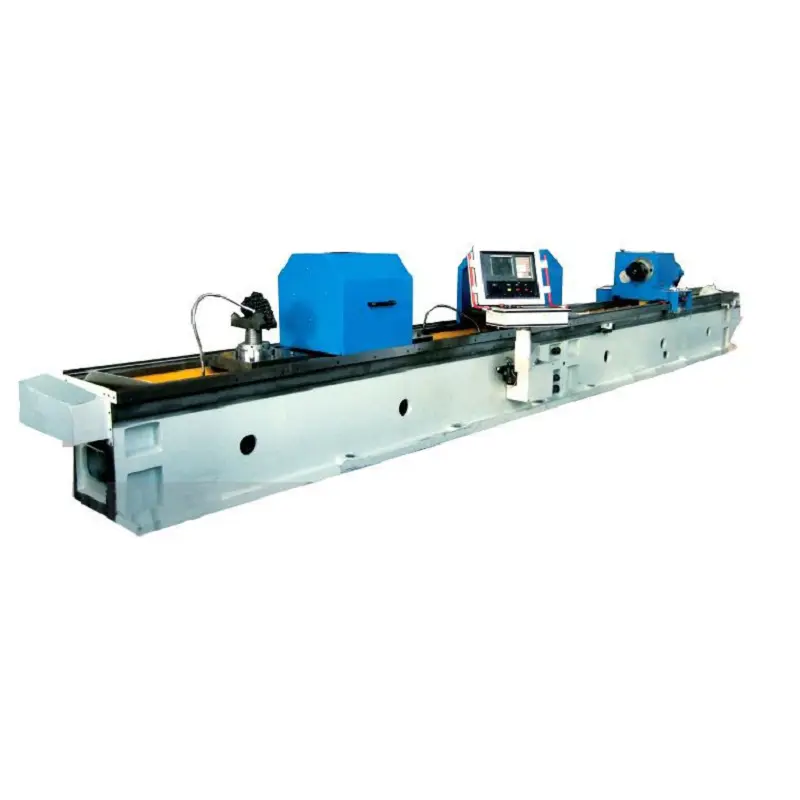
Single axis CNC Deep Hole Gun Drilling Machine is used for processing automobiles, motorcycles, oil pump, nozzle, engineering machinery, mining machinery, military industry and other industries, small and medium-sized deep hole axial workpiece of special equipment.
Product Introduction These machine tools are four-axis, four-linkage CNC turning and ...
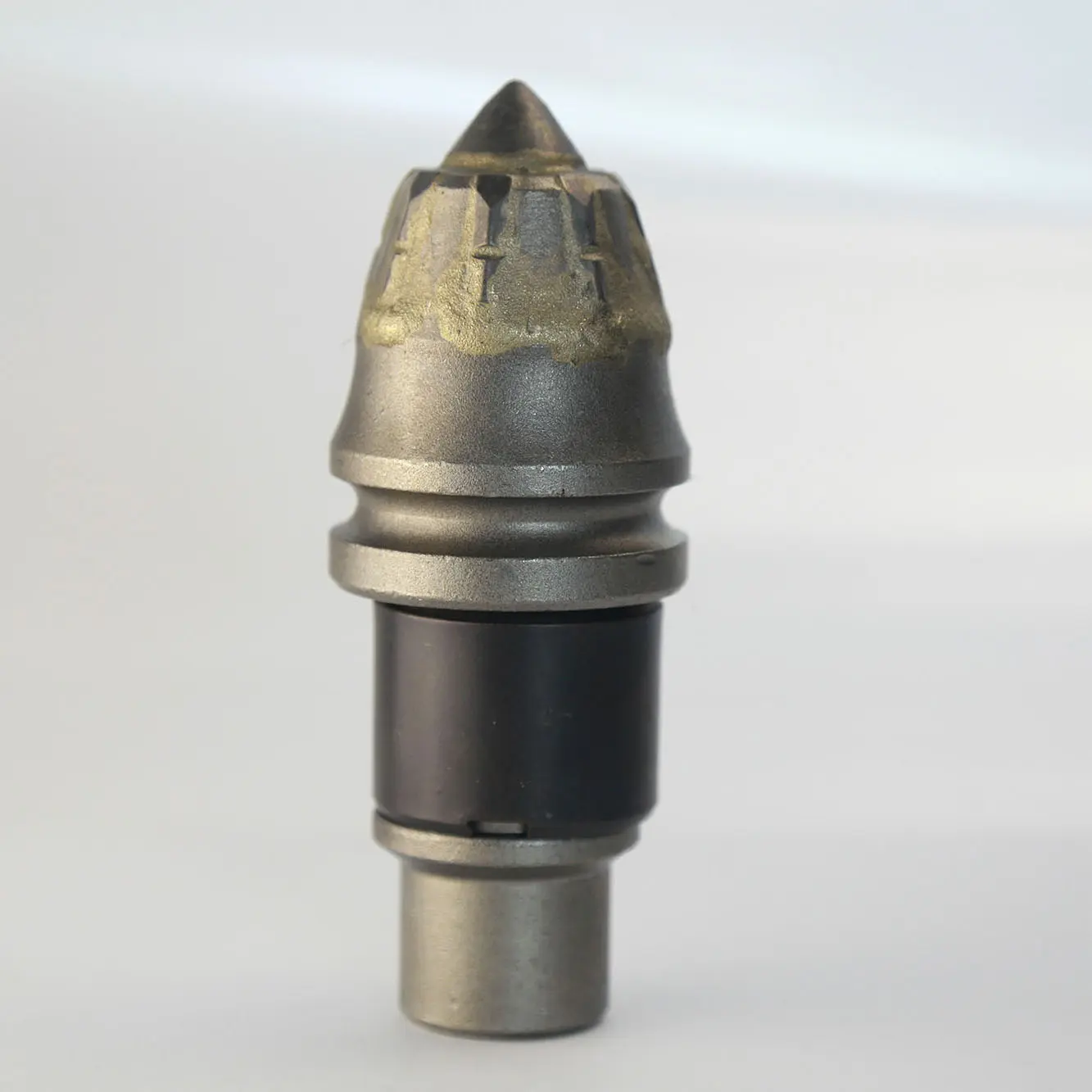
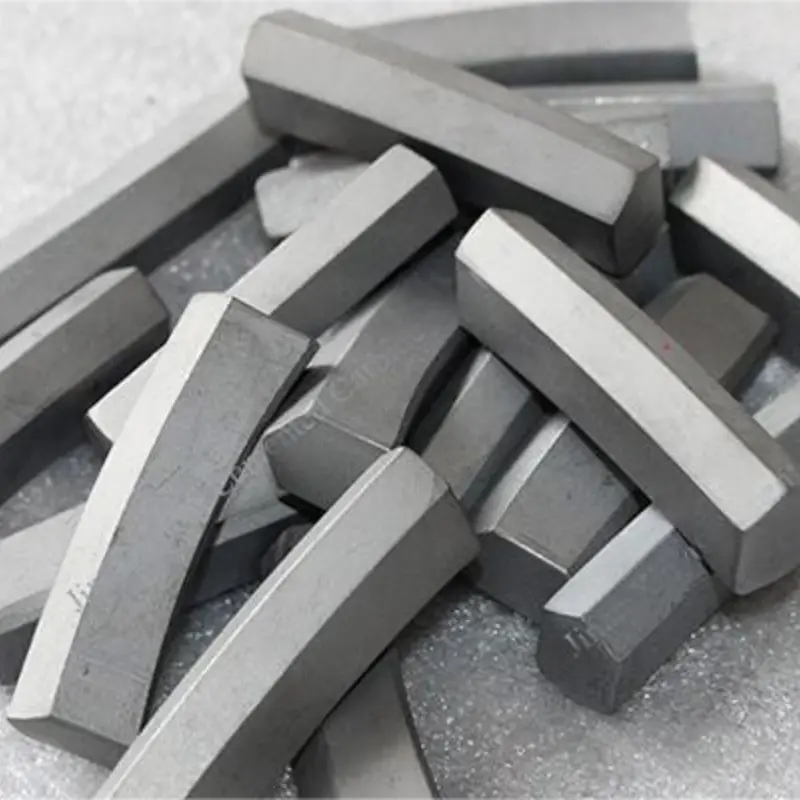
Rotary digging teeth are heavy-duty, replaceable cutting tools mounted on the rotating drums or heads of excavation machinery. They are the primary interface that engages with and breaks up soil, rock, and other materials. Their design is optimized for applications involving a continuous rotary motion combined with high impact and abrasion.
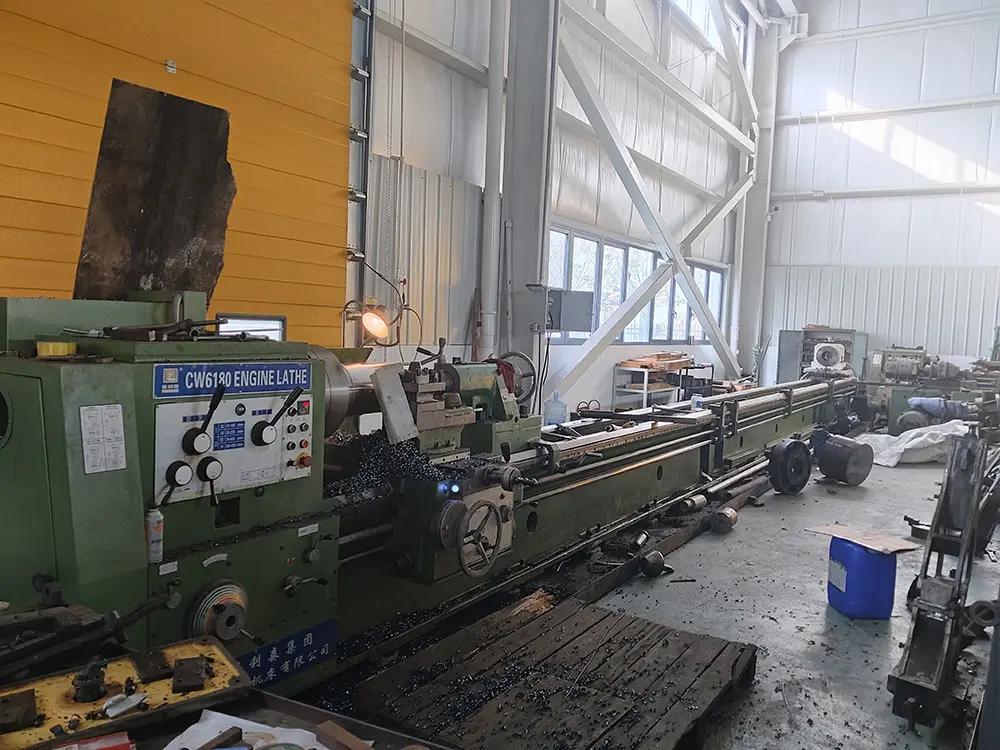
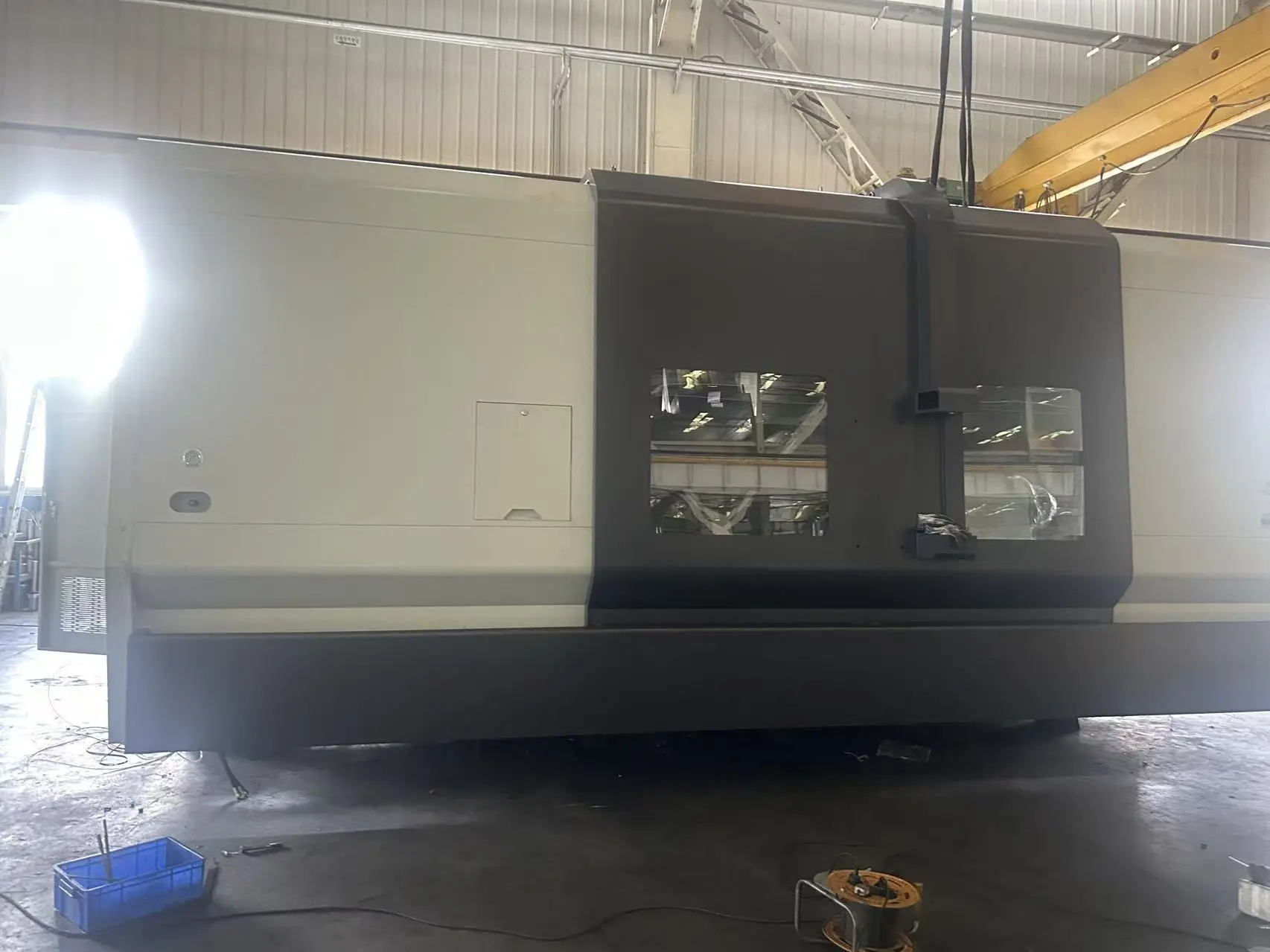
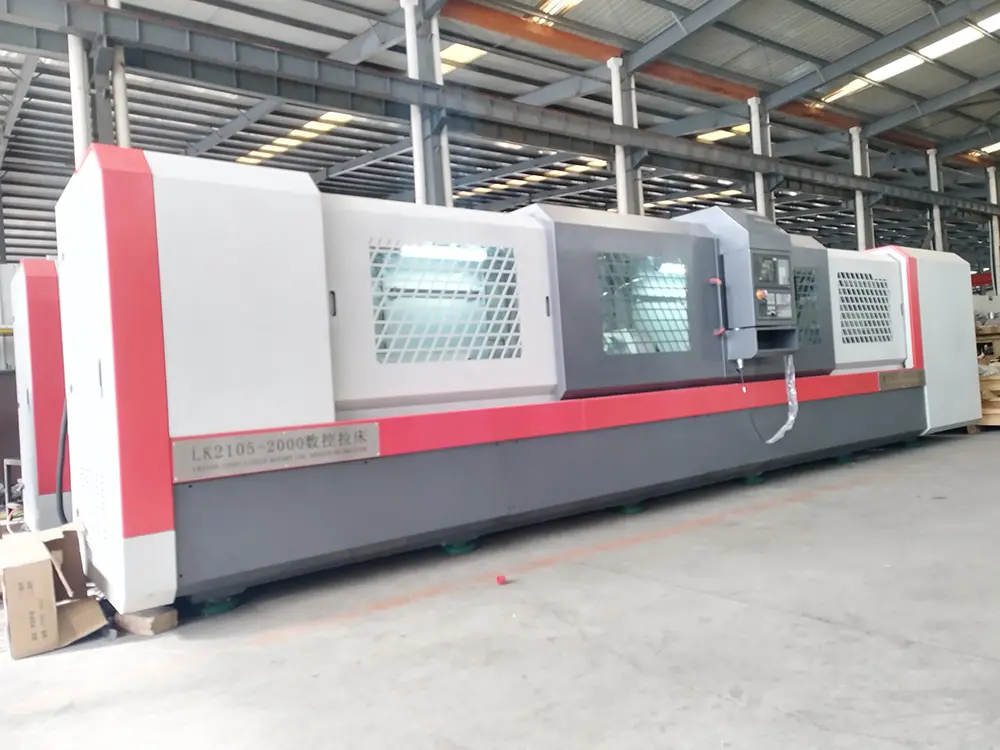
The lathes are suitable for machining various small and medium-sized steel parts. They can turn the inner holes, outer circles, end faces, cones and various threads – metric, imperial, module and diametral pitch threads – of various workpieces, and can also undertake drilling and boring functions.