The world of transportation is shifting gears faster than ever before. From traditional internal combustion designs to advanced electric drivetrains, understanding how we build the modern motor vehicle is absolutely vital. This article is worth reading because it breaks down the entire supply chain, the profound impact of automation, and the rigorous tooling required to thrive in this high-stakes sector. If you want your shop to stay competitive, you need to understand the nuts and bolts of today’s fast-paced automotive industry. The modern automotive industry requires extreme precision, and knowing how these pieces fit together gives you a distinct edge.
How did mass production shape the early automobile industry?
The development of the automobile changed modern society forever. Before the rise of the automobile captured the public’s imagination, early attempts like steam-powered steam automobiles and heavy steam vehicles roamed the streets. However, they were incredibly clunky, dangerous, and highly impractical for the average person. It wasn’t until pioneers like ford motor introduced true mass production that things took off. This created a completely new industry entirely focused on volume, speed, and extreme efficiency.
By utilizing purely standardized products, factories could manufacture a car at a fraction of the traditional, hand-crafted cost. Standardization became the absolute golden ticket for early factories. Instead of skilled artisans hand-fitting every single part, workers simply assembled identical pieces on a moving line. This crucial standardization meant that early car manufacturers could drop prices drastically, making cars affordable for everyday families.
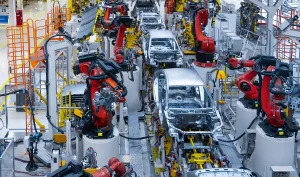
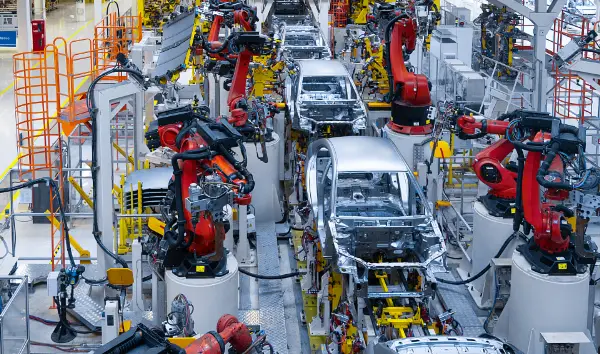
Today, a modern automobile manufacturer still relies heavily on these core principles. Though the production processes have evolved immensely with advanced robotics and precision CNC tooling, the goal remains the same: build it fast and build it right. As Henry Ford famously noted in early industry literature, “There is one rule for the industrialist and that is: Make the best quality of goods possible at the lowest cost possible.”
What roles do supply chains play in the automotive industry?
The modern automotive industry is essentially nothing without its robust supply chains. It is a complex, delicate web of companies and activities involved in turning raw ore into a sleek, fast automobile. From safely mining the raw materials to the final assembly on the floor, supply chain management is a constant high-wire act.
Every single supplier must deliver on time, every time. A single missing bolt from a critical parts suppliers network can halt an entire multi-billion dollar factory. In the u.s, the official establishment of strict classification codes like the north american industry classification system (also known as the naics system) helps economists track this massive engine. The automotive industry includes thousands of smaller firms, machine shops, and toolmakers, not just the big household names.
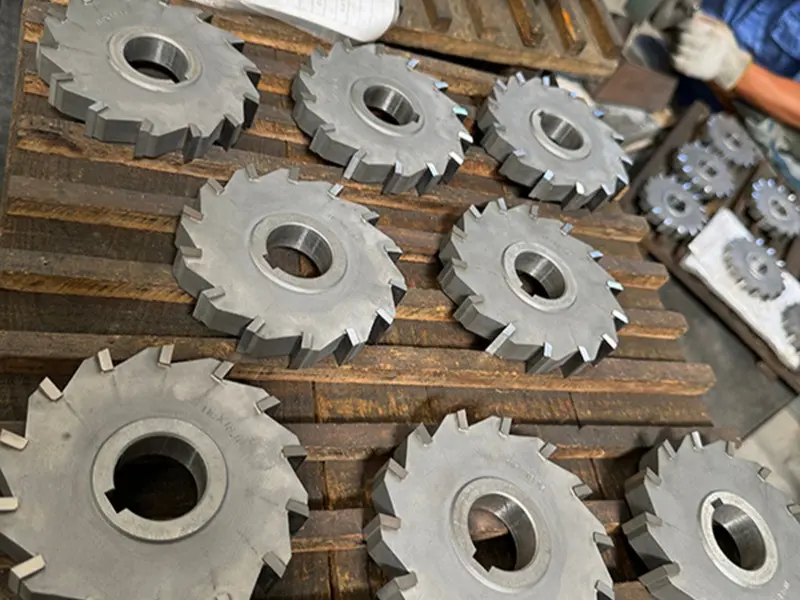
When a procurement manager orders a massive batch of high-precisionSquare CNC turning inserts, they become a vital node in that specific value chain. If those tools fail prematurely or lose their edge, the entire car manufacturing line abruptly stops. This is exactly why the automobile industry as a whole obsesses so intensely over strict quality control and predictable tool life.
Who are the leading car manufacturers and what drives them?
Today’s auto manufacturers are powerful global titans. We see legacy brands like general motors and chrysler sharing the world stage with Asian manufacturing giants like toyota and hyundai. Over in Europe, the innovative renault group constantly pushes aesthetic design boundaries. These massive corporations employ millions of people worldwide.
What actually drives a major car company today? It is a complex mix of intense consumer demand and heavy regulatory pressure. Every single automaker is currently racing to capture lucrative new markets. They must consistently manufacture a wide, appealing array of road vehicles to stay relevant to buyers who want the latest technology.
This intense, cutthroat competition forces all carmakers to innovate constantly. Whether the board of a car companies decides to focus on luxury sedans or budget hatchbacks, the global automotive industry is brutally unforgiving to those who fall behind in crucial research and development. You either invent the future, or you become obsolete.
How does motor vehicle production adapt to changing tastes?
The types of vehicles people want to drive shift constantly due to changing consumer preferences. Decades ago, standard passenger cars absolutely ruled the road. Now, large suvs and rugged light trucks completely dominate the modern automotive market. This massive shift forces huge, expensive changes in motor vehicle production.
To successfully build heavy utility vehicles or specialized commercial vehicles, you need incredibly robust chassis components. This inherently requires heavy-duty machining. The automobile production line must be agile and flexible enough to handle these significantly larger parts. We see this daily when supplying tools; the demand for high-performance Carbide Drills spikes wildly when job shops gear up to manufacture larger engine blocks and heavy suspension arms.
| Vehicle Type |
Machining Requirement |
Common Tooling Needed |
| Compact Cars |
High-speed aluminum cutting |
Diamond-coated end mills |
| Large Trucks |
Deep hole drilling for heavy blocks |
High-pressure coolant drills |
| Luxury SUVs |
Flawless surface finishing |
Precision reamers |
Furthermore, whether the customer wants a compact passenger commuter or a massive pickup truck, vehicle production must pivot smoothly without ever losing line efficiency. This remarkable adaptability is the true hallmark of successful modern automotive manufacturing.
Will autonomous vehicles truly revolutionize the automobile?
We are currently standing right on the brink of the autonomous vehicles era. The sci-fi idea of self-driving autonomous cars smoothly navigating busy city streets is quickly becoming a reality. Advanced artificial intelligence allows an automobile to “see,” predict, and react significantly faster than any human driver ever could.
This groundbreaking tech relies heavily on the internet of things, where vehicles communicate directly with each other and the city infrastructure. Fully autonomous vehicles will likely reshape all future mobility solutions. Instead of actively owning new cars, urban people might increasingly rely on shared mobility, simply hopping into robotaxis on demand.
This massive shift toward convenient car-sharing and automated mobility services could change the auto industry fundamentally. If individuals buy fewer personal cars, the entire automotive sector might shift heavily toward commercial fleet sales, permanently altering traditional automotive market dynamics. The humble automobile transforms into a service, rather than just a parked product sitting in a driveway.
Why are equipment manufacturers crucial to car manufacturing?
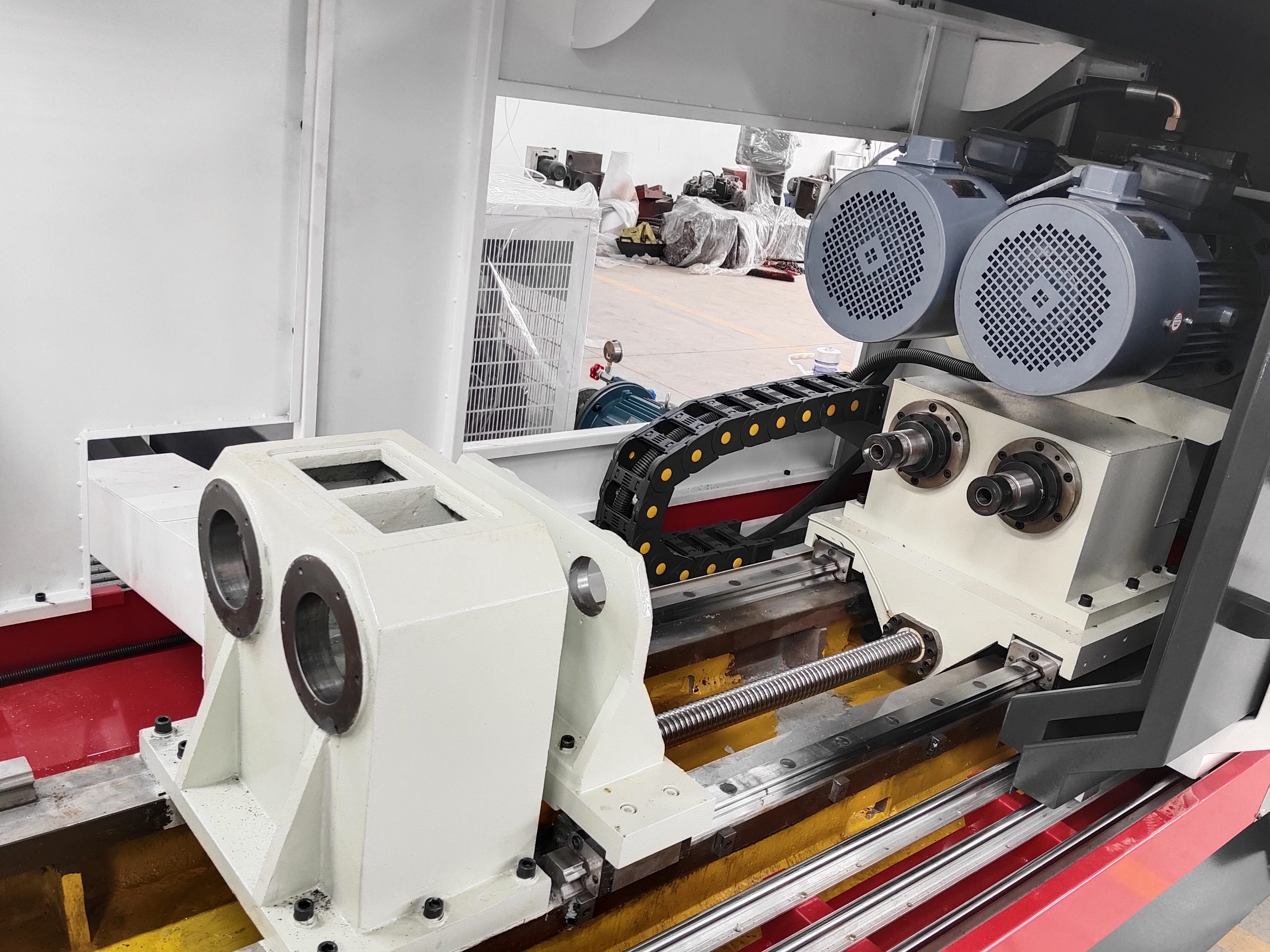
You simply cannot build a reliable automobile without the right tools. Dedicated equipment manufacturers quietly provide the essential backbone for the entire car industry. From giant steel stamping presses to the incredible 5-axis CNC machines that carefully carve out intricate powertrain components, these tools are totally indispensable.
Precision machine tools are specifically designed to handle the rigorous, non-stop demands of global production. We also currently see a rapid rise in additive manufacturing (or simply additive 3D printing processes) heavily complementing traditional subtractive methods. This allows engineers to conduct rapid prototyping of highly complex part geometries before they commit to full-scale metal cutting.
These advanced technologies protect thousands of skilled manufacturing jobs by making domestic factories vastly more competitive globally. When a savvy automobile manufacturer strategically invests in high-end Triple-Blade (3-Flute) End Mill cutters, they dramatically reduce cycle times and significantly increase their overall profit margin on every motor vehicle they manufacture.
What environmental impacts is the automotive industry tackling today?
The severe environmental impacts of daily driving are currently under intense, global scrutiny. Our historical, heavy reliance on combustion engine vehicles (especially older diesel engines) has raised serious environmental concerns everywhere. Consequently, the political push for sustainable development is louder and stronger than ever before.
- Did you know? According to recent environmental studies, transportation accounts for a massive portion of global greenhouse gas emissions.
To effectively combat this, the automotive industry is aggressively pursuing strict zero emission targets. The modern electric vehicle revolution is undeniably here. A properly designed electric car produces absolutely no tailpipe emissions. Industry pioneers like tesla and massive rising stars like byd have decisively proven that consumers deeply want clean energy options.
Transitioning away from a traditional diesel or gas automobile to a modern electric vehicle changes the CNC tooling game completely. EVs have far fewer moving parts, but those specific parts are often made of lighter, significantly harder-to-machine alloys. Dealing with abrasive high-silicon aluminum requires specialized Cemented Carbide Insert solutions to manufacture properly without breaking.
How do automotive firms manage the auto industry value chain?
Let’s look closer at the players. The automotive industry faces incredibly unique logistical challenges primarily because it is so fragmented. We have massive Tier 1, Tier 2, and Tier 3 supplier networks spread across the globe. Getting all these parts to the assembly line exactly when needed is a modern miracle.
The big vehicle manufacturers assemble the final motor vehicle, but they rely totally on countless smaller automotive firms for individual components. The automobile industry acts as a massive, interdependent ecosystem. If a tiny semiconductor supplier faces a sudden shortage, the entire automotive industry feels the intense pain almost immediately.
Therefore, maintaining a strong, trusting partnership with a reliable supplier is strictly non-negotiable. Whether it is sourcing complex microchips or the durable solid carbide tools we manufacture to aggressively cut steel, the auto industry demands unwavering, absolute consistency from its partners.
How are developing economies shaping automobile sales?
Global growth isn’t just happening in traditional western hubs; it is currently exploding in rapidly expanding developing economies. The famous bric countries (Brazil, Russia, India, China) and similar regions represent massive, untapped opportunities for future production and sales.
As the middle class rapidly grows in these specific regions, the desire to own a personal passenger automobile skyrockets. To aggressively meet this, car manufacturers are eagerly setting up local factories to specifically manufacture vehicles perfectly tailored to regional tastes and rougher road conditions.
These strategic automotive sector expansions drive massive local demand for industrial supplies. Whether they are building a basic motor vehicle or a high-end luxury automobile, these new factories require a constant, steady stream of highly reliable tooling to strictly keep their production processes running smoothly without expensive delays.
What does the future hold for the automobile industry?
Looking slightly ahead, automotive technology will undeniably continue to advance at a breakneck, dizzying pace. The clear lines between a Silicon Valley tech company and a Detroit automaker are blurring fast. We are swiftly moving from simply selling new cars to providing comprehensive, intelligent mobility solutions and app-based shared mobility platforms.
Every smart car companies executive inherently knows that the manufacturing strategies of yesterday simply won’t work tomorrow. From the meteoric rise of the electric car to fully connected autonomous fleets, the entire automotive manufacturing landscape is transforming beautifully.
For those of us who supply the vital tools to manufacture these incredible innovations, it is an exceptionally exciting time. The worldwide vehicle manufacturing sector will always inherently need precision, durability, and raw efficiency. As the automobile evolves, so too will the cutting-edge tools that bring it to vibrant life.
- Mass Production Limits: Standardization built the foundation of the modern
automotive industry, but customization is the future.
- Supply Chains: A reliable
supplier network is the absolute lifeblood of the automobile industry.
- Shifting Demands: Manufacturers must remain agile to
manufacture the heavy trucks and SUVs that consumers actually want to buy.
- The Electric Shift: Moving to a clean
electric vehicle requires completely new machining and tooling strategies to handle abrasive lightweight alloys.
- Future Tech: Artificial intelligence and smart
automotive technology will redefine our relationship with the automobile forever.