

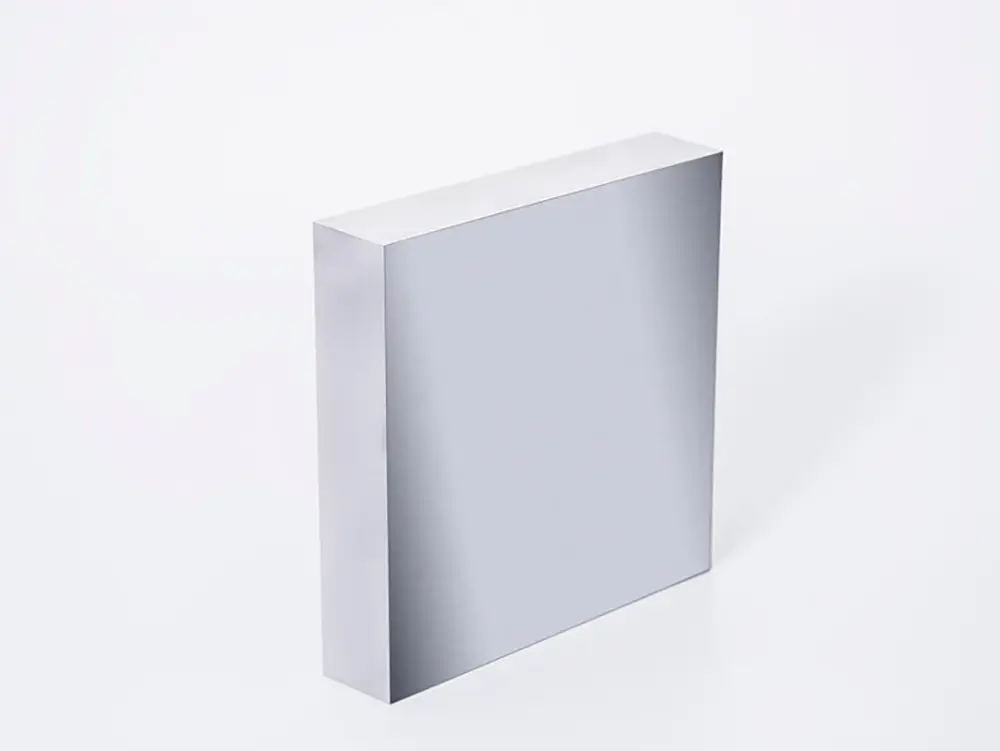
Nickel-based wrought superalloys are a class of high-performance materials designed for exceptional mechanical strength, creep resistance, and structural stability at elevated temperatures, typically above 540°C (1000°F). The term “wrought” signifies that these alloys are shaped into their final form through thermomechanical processes such as forging, rolling, or extrusion, which results in a fine, directional grain structure that provides superior tensile and fatigue properties compared to their cast counterparts.
They are the backbone of high-temperature rotating components in aerospace and power generation, where failure is not an option.
Exceptional High-Temperature Strength: They retain a high fraction of their room-temperature strength at temperatures near their melting point, primarily due to a stable, coherent gamma-prime (γ') precipitate phase [Ni₃(Al, Ti)].
Outstanding Creep Resistance: They resist deformation under constant mechanical stress at high temperatures, a critical property for turbine blades and discs that must maintain precise clearances over long periods.
Superior Fatigue Resistance: The wrought microstructure, with its refined and often directionally aligned grains, provides excellent resistance to crack initiation and propagation under cyclic loading.
Excellent Oxidation & Corrosion Resistance: High chromium content (typically 10-20%) enables the formation of a protective, adherent chromia (Cr₂O₃) scale, resisting degradation in hot, oxidizing environments.
Microstructural Stability: They are designed to resist the coarsening of strengthening precipitates and the formation of detrimental topologically close-packed (TCP) phases during long-term exposure to high stress and temperature.
Nickel-based wrought superalloys are indispensable in the most demanding rotating applications:
Aerospace Jet Engines:
Turbine Discs: The most critical application. Discs operate at high rotational speeds and stresses, requiring a supreme balance of tensile strength, fatigue life, and fracture toughness. Alloys like Inconel 718 and Waspaloy are industry standards.
Shafts, Spacers, and Compressor Components.
Land-Based Gas Turbines: For power generation, used in turbine discs and blades.
Rocket Engines: For turbopump components that require high strength-to-weight ratios in extreme environments.
Nuclear Reactors & High-Temperature Fasteners.
The following table summarizes the key features for a quick overview:
| Feature | Description | Advantage |
| Manufacturing Route | Thermomechanical Processing (Forging, Rolling). | Produces a refined, uniform grain structure for superior low-temperature tensile and fatigue strength. |
| Key Strengthening Phase | Gamma-Prime (γ') [Ni₃(Al, Ti)] precipitates. | Provides the primary mechanism for high-temperature strength and creep resistance. |
| Critical Properties | Tensile & Fatigue Strength, Creep Resistance, Fracture Toughness. | Ideal for high-stress, high-rotation components like turbine discs. |
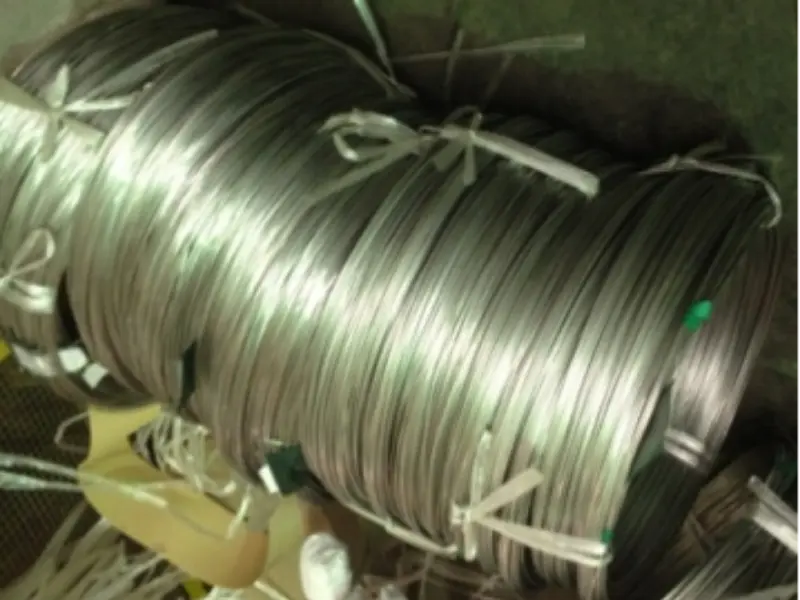
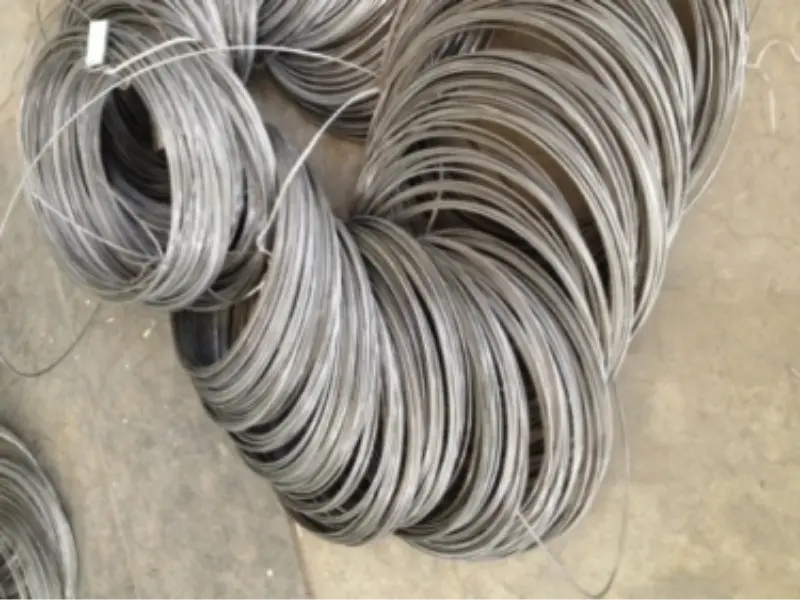
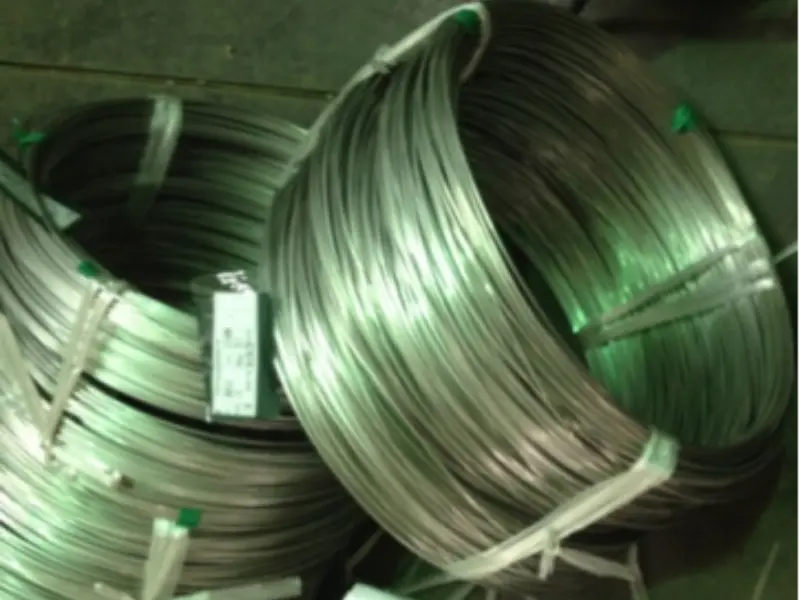
| Typical Forms | Billets, bars, rods, sheets, and rings. | The starting stock for machining critical rotating parts. |
| Iconic Alloys | Inconel 718, Waspaloy, Alloy 720, René 41, Udimet 720. | Represent the evolution of alloy design for increasingly demanding performance. |
| Primary Industries | Aerospace (Jet Engines), Power Generation, Rocketry. | Enable higher engine pressures and temperatures, leading to greater efficiency and thrust. |
In summary, Nickel-Based Wrought Superalloys represent the pinnacle of metallic material science for high-stress, high-temperature rotating components. Their complex chemistry and carefully controlled wrought microstructure make them essential for pushing the boundaries of performance and efficiency in modern aviation and power systems.
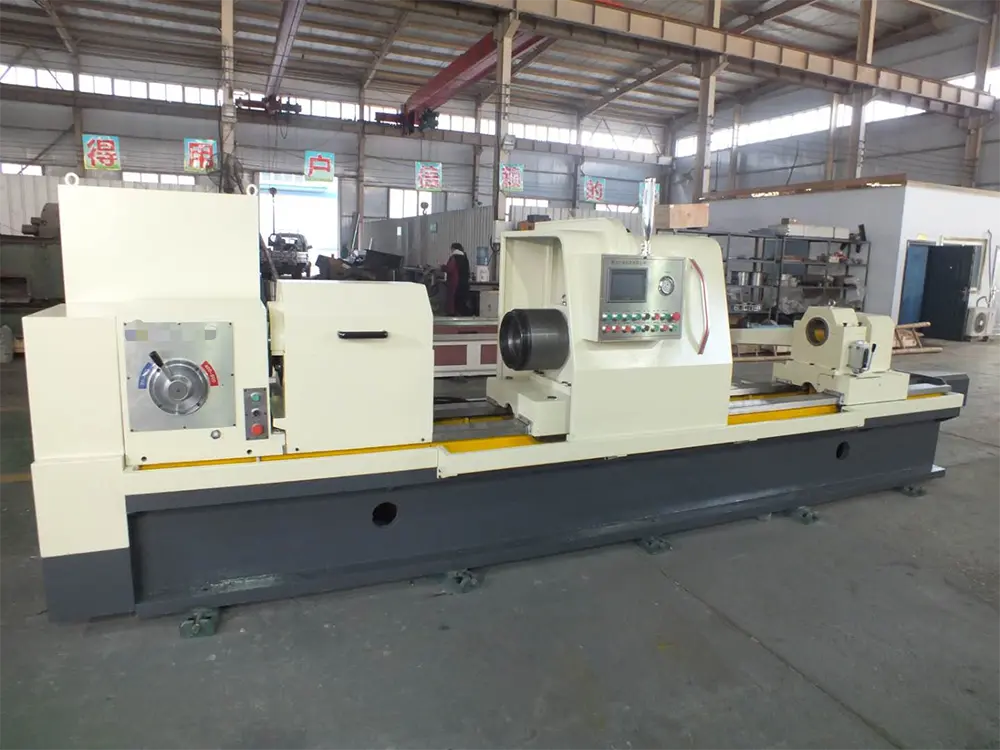
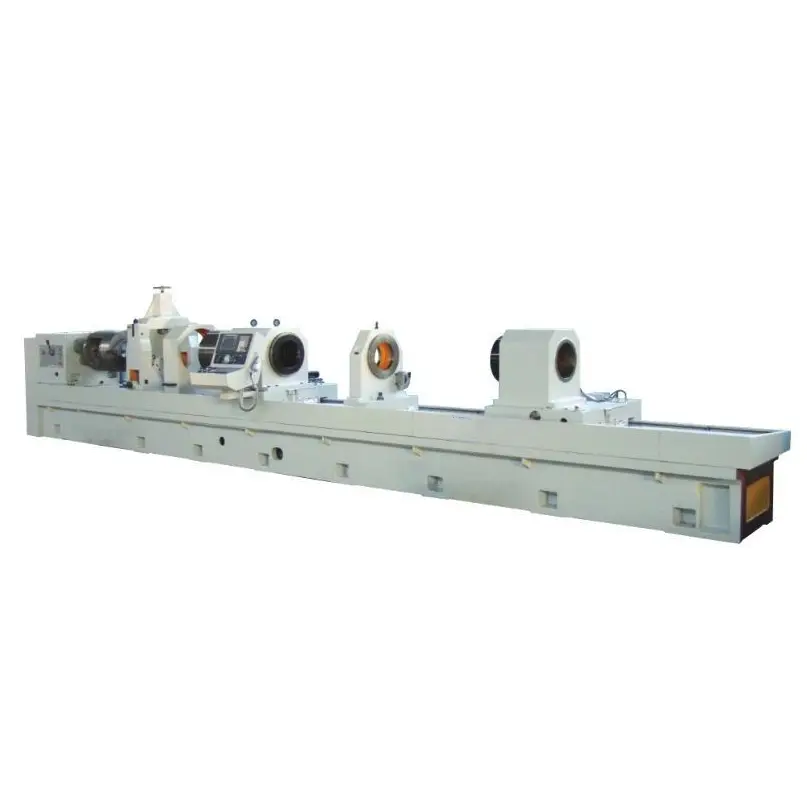
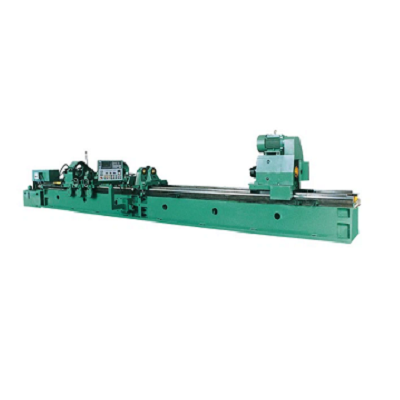
Large aperture deep hole drill i a deep hole machining machine that integrates BTA drill cutter drill,and gun dril,with a driling diameter of up to φ120mm. High efficient,high-precision,and high smoothness machining of large holes,with a smoothness of Ra0.4~0.8.
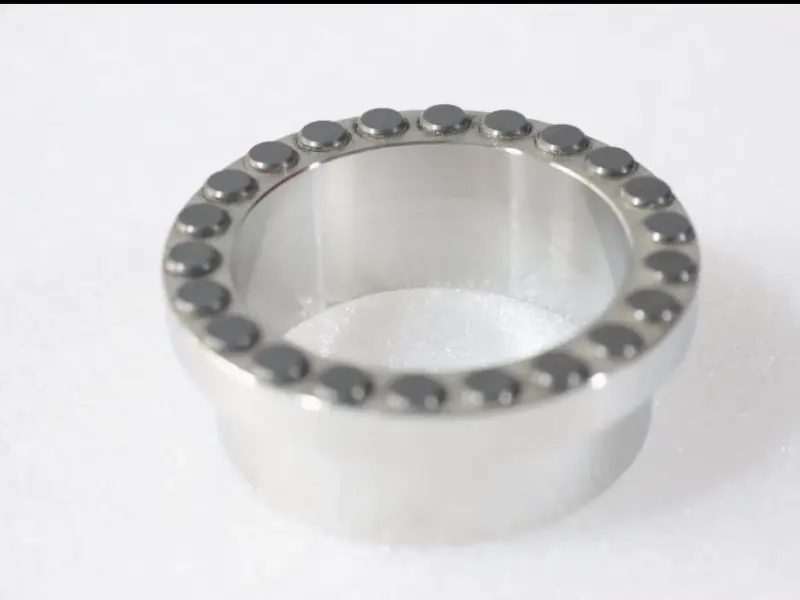
Solving the problem of long service life for core components, improving efficiency and profitability! Service areas: Screw motors, rotary steerable systems, downhole drilling tools, etc.
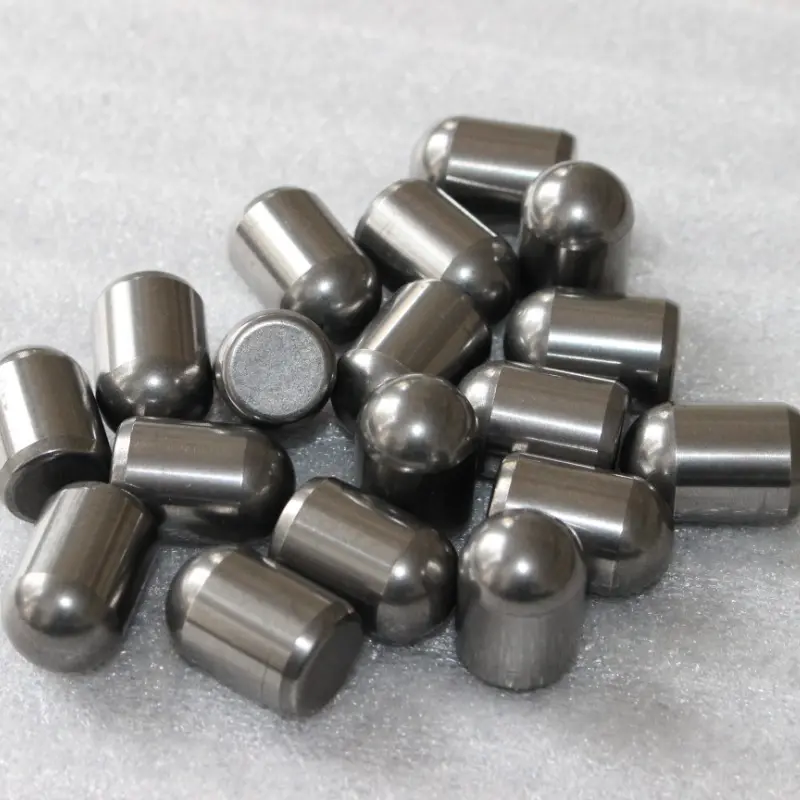
Carbide Ball Teeth, also known as carbide ball inserts, tungsten carbide ball teeth, or conical picks, are a specific type of wear part and cutting tool characterized by their hemispherical (ball-shaped) head made of tungsten carbide. They are primarily designed for robust impact, crushing, and grinding applications, rather than precise shearing or slicing. Their unique design allows them to transmit high point load forces into the material, making them ideal for breaking extremely hard and abrasive substances.
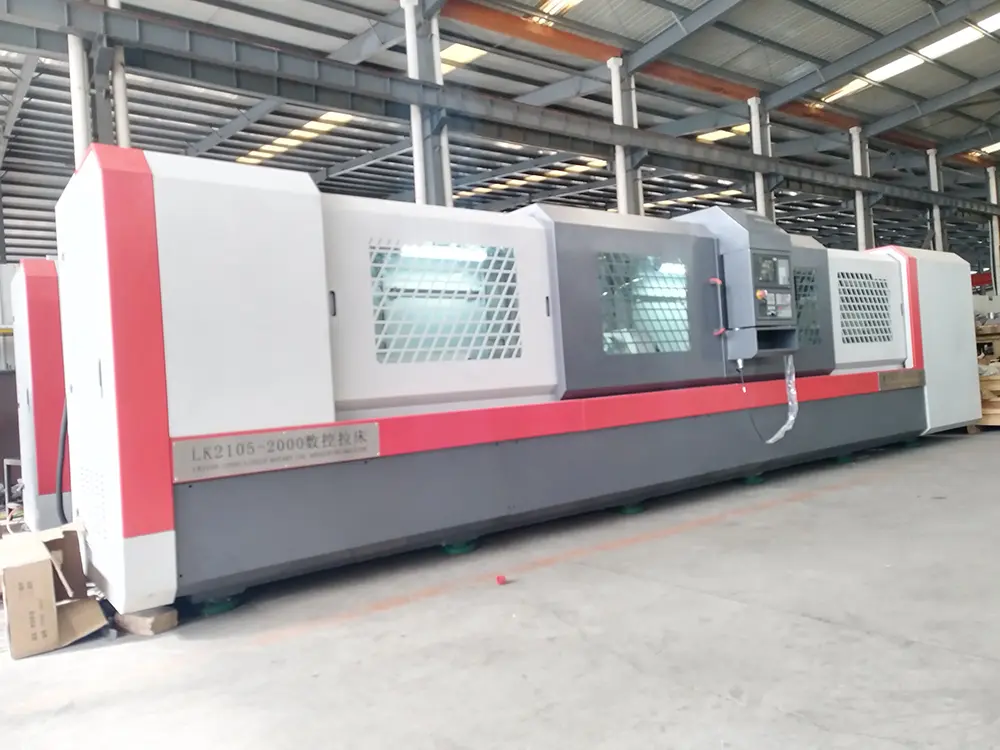
1.Equipment model: LK2120-5000 2. Rated tension: 150kN 3. Maximum stroke: 5000mm 4.Equipment use: The equipment is used to process variable lead and non-variable lead internal spirals, as well as linear grooves, and is suitable for processing products with equal wall thickness stators
HMS25 HMS35 HMS50 Deep Hole Honing Machine is specially used for finishing the inner hole surface of various hydraulic cylinders, cylinders and other cylindrical parts. After machining, the aperture accuracy of the parts reaches above it7, and the surface roughness reaches ra0.2-0.4 μ m。 The machine tool can also carry out local honing to correct the taper and ovality of parts.
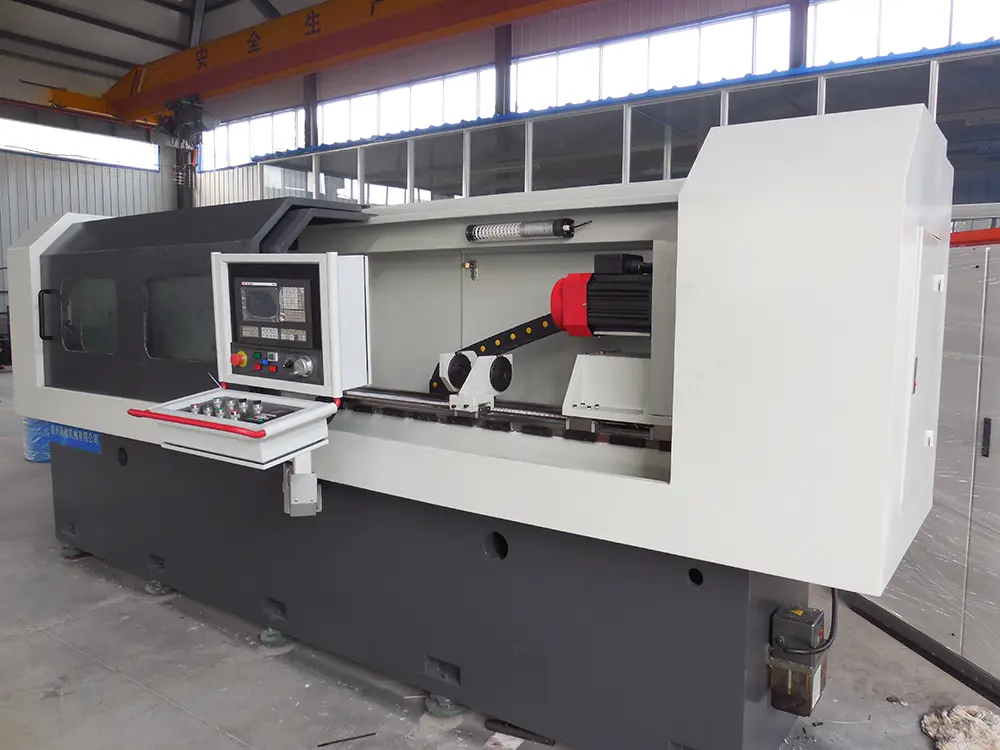
Machining accuracy meausre of skewness: 1mm/1000mm(workpiece is not rorate) 0.5mm/10...
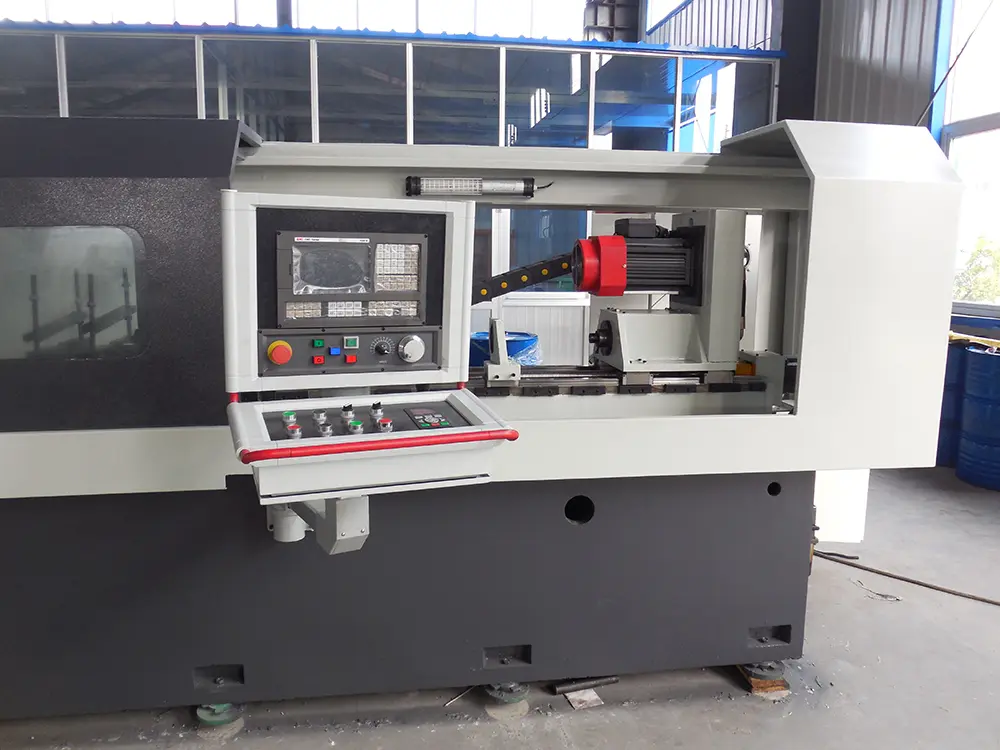
Single axis CNC Deep Hole Gun Drilling Machine is used for processing automobiles, motorcycles, oil pump, nozzle, engineering machinery, mining machinery, military industry and other industries, small and medium-sized deep hole axial workpiece of special equipment.
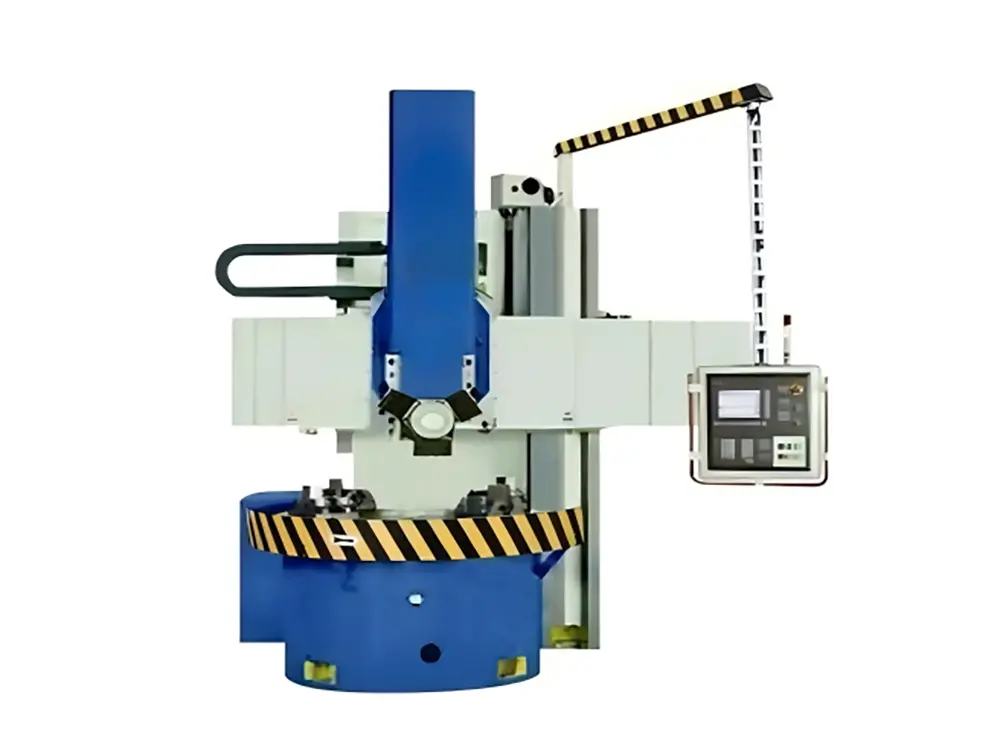
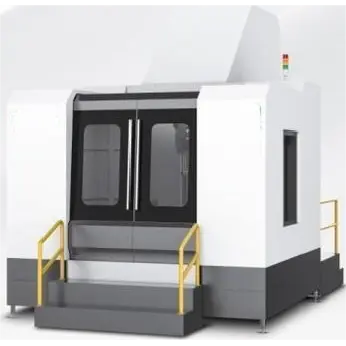
Vertical lathes (VTLs) are specialized machining equipment designed for turning large, heavy, or oversized workpieces—ideal for industries like wind power (turbine hubs), shipbuilding (hull components), mining (equipment parts), and aerospace (large structural parts).
Features: 1.Use high-quality tungsten carbide as raw material. 2.Adopt the world advanced preparation technology. 3.Various types can be produced, with German import automatic extrusion equipment.
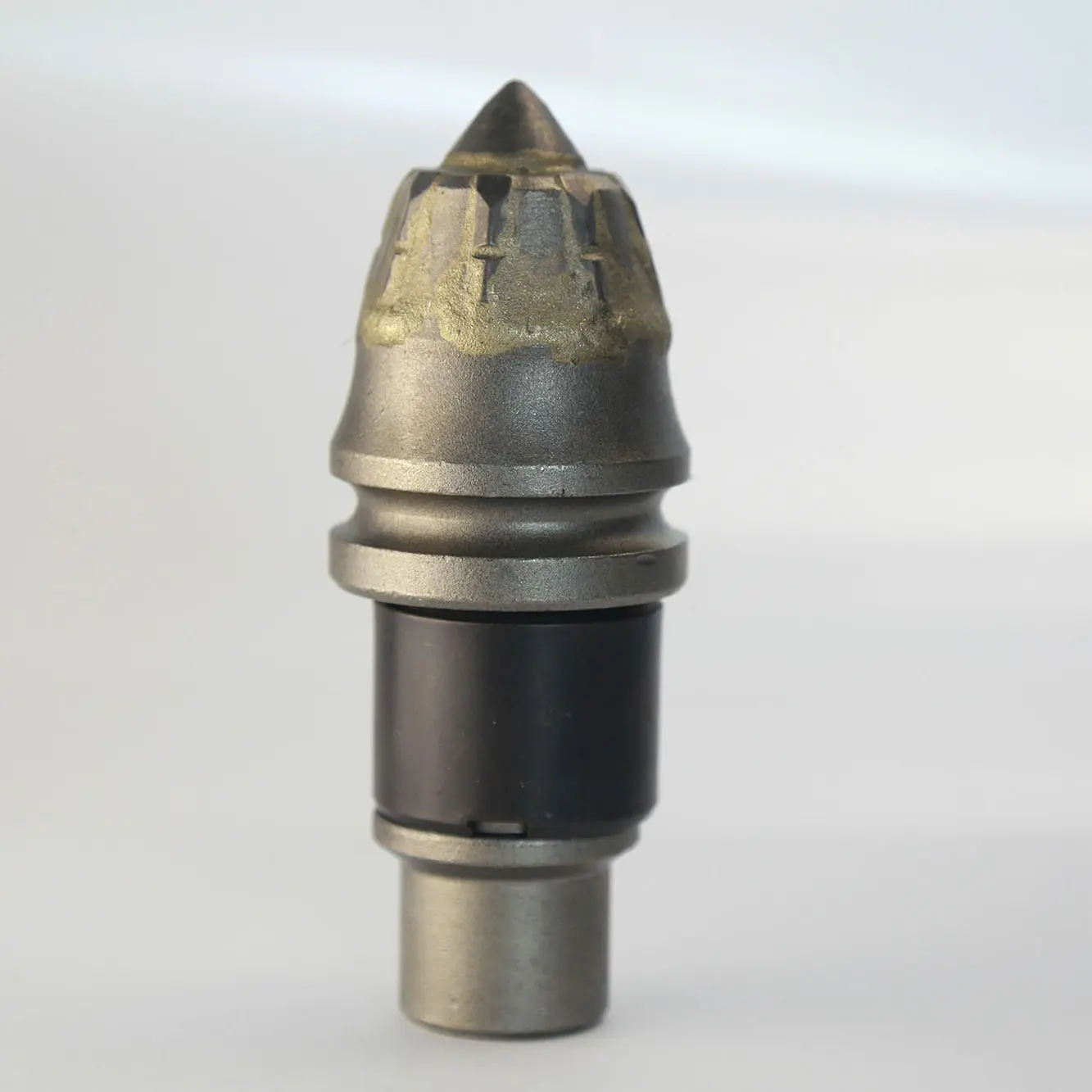
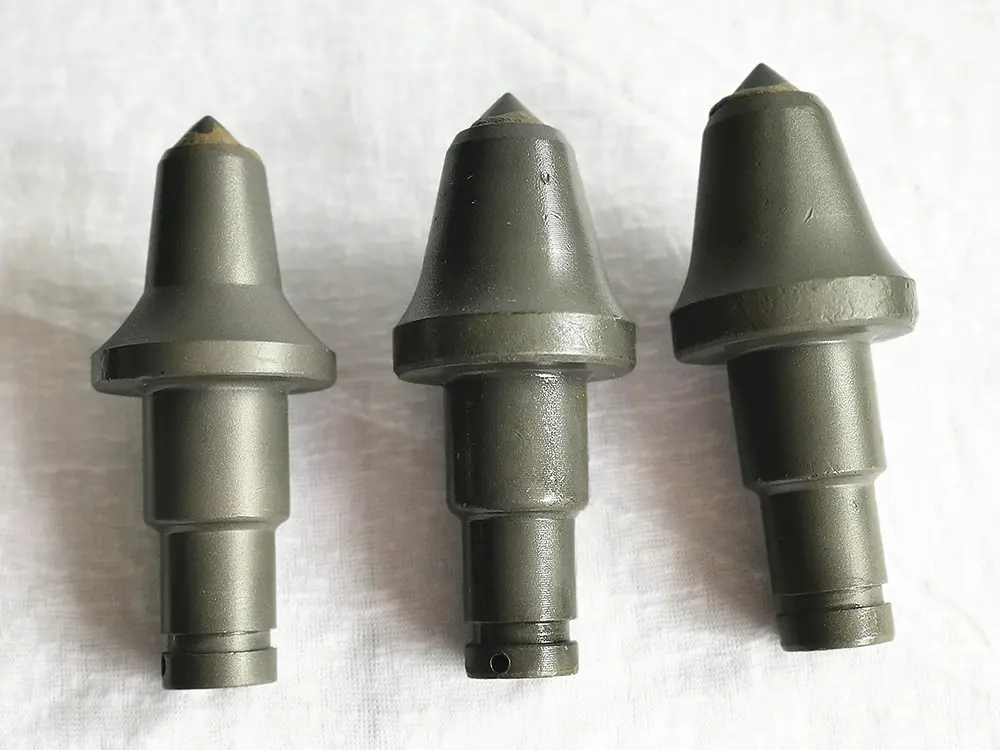
Coal Picks, also known as miner picks, conical picks, or rock picks, are essential cutting tools used in the mining and tunneling industries. They are specifically designed to fracture and excavate materials like coal, soft rock, and other minerals by being mounted on rotating drums of continuous miners, roadheaders, and shearers. Their primary function is to act as the point of attack, transferring the machine’s power into concentrated impact and shear force to break the material.
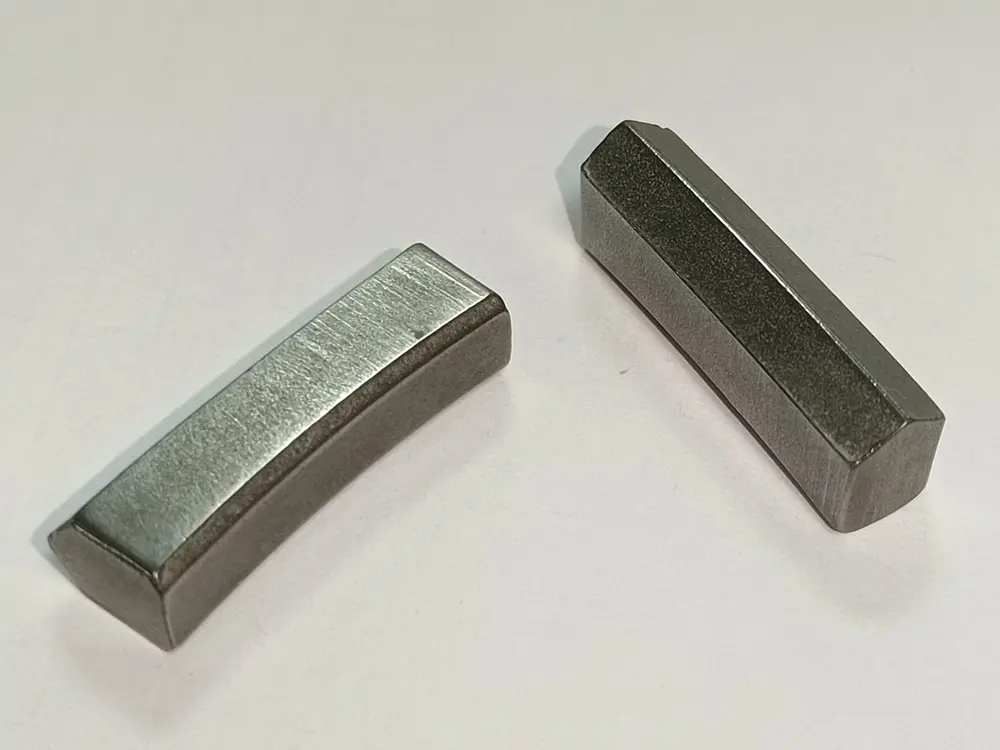
The cemented carbide wear-resistant block for the geology and mining field is a block-shaped cemented carbide component designed for high-wear scenarios in geological and mining operations. It boasts extremely high hardness, wear resistance and impact toughness. It can be directly installed on the wear contact surfaces of mining equipment (such as crusher liners, excavator bucket teeth, scraper conveyor guides, etc.), which can significantly reduce equipment wear, improve operating efficiency, and adapt to harsh working conditions such as rock crushing and ore transportation.
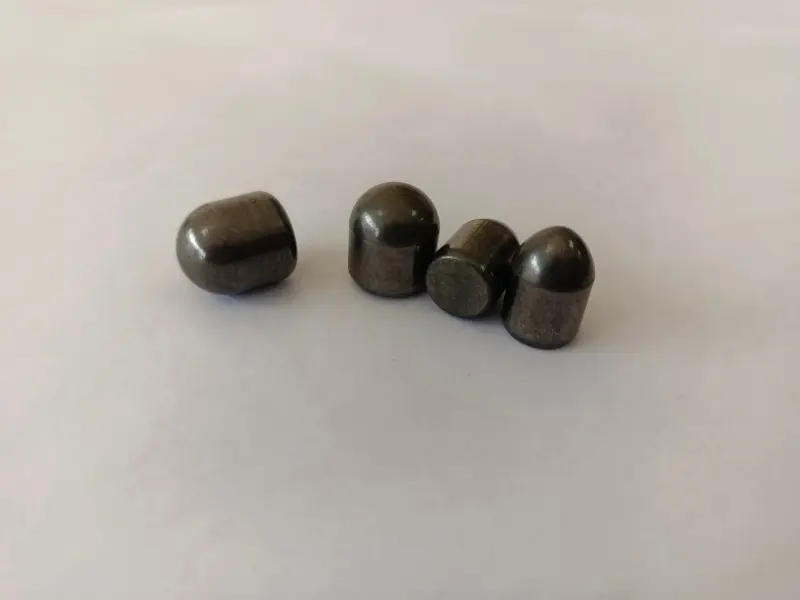
Cemented carbide ball tooth is a multi-functional cemented carbide cutting/crushing component with a spherical head. It has excellent impact toughness, wear resistance and cutting performance. Widely used in mining, tunnel excavation, building crushing and other fields, it is installed on drilling rigs, crushers, excavators and other equipment. It can efficiently crush hard materials such as rocks, ores and concrete, and is a key wearing part in the geology, mining and construction industries.
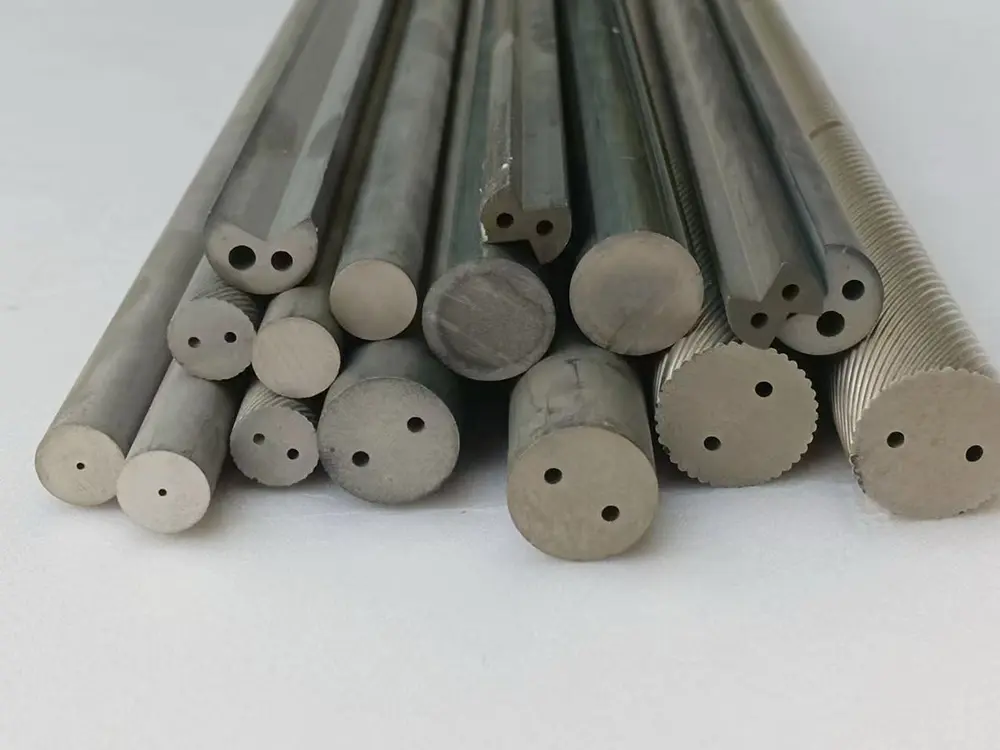
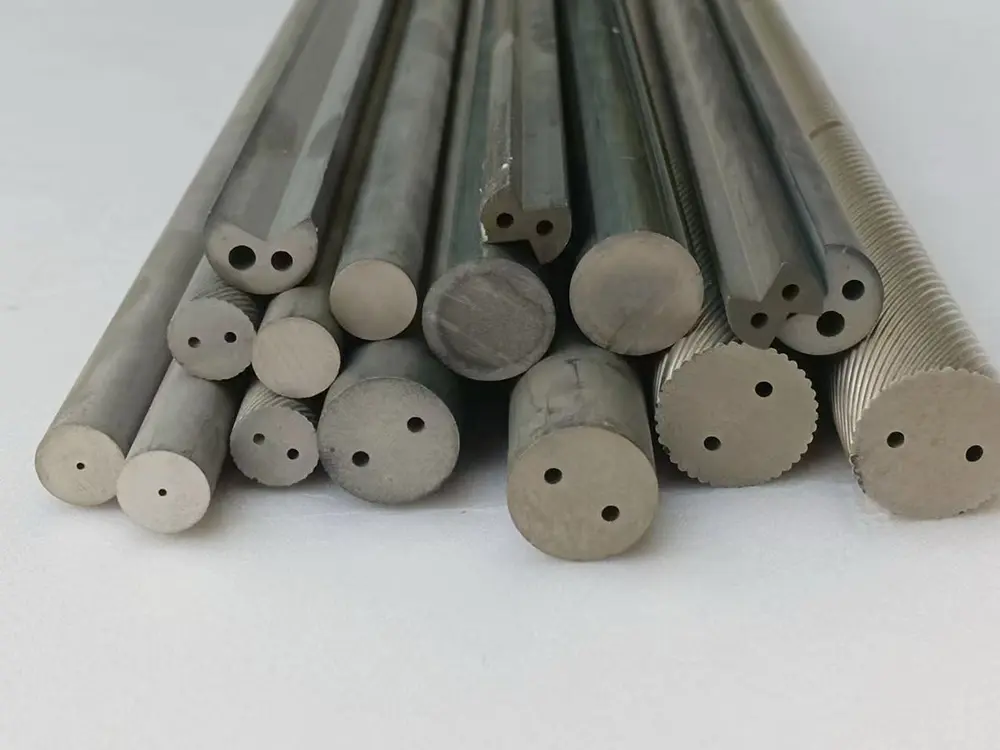
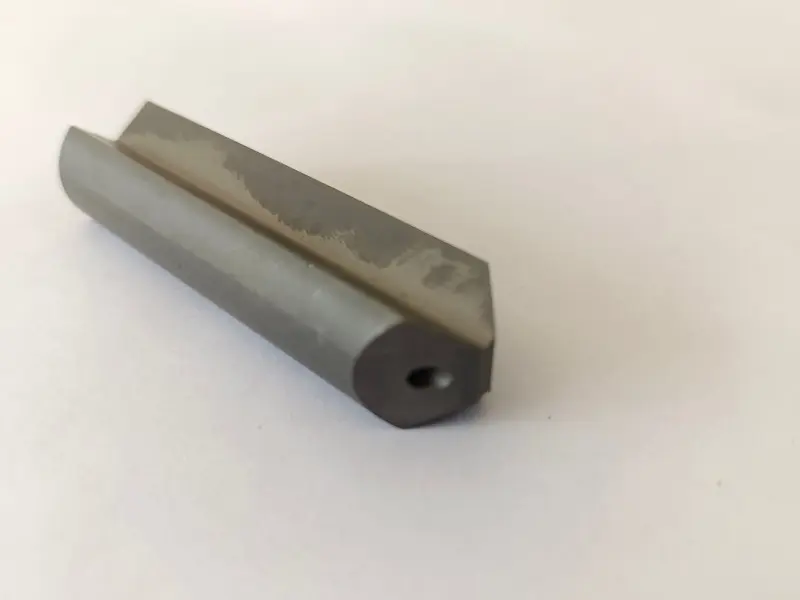
Threaded carbide rod with holes are mainly used for processing tungsten parts or as a tool bit of processing lathe, conductors, steel-making burdening and additives.
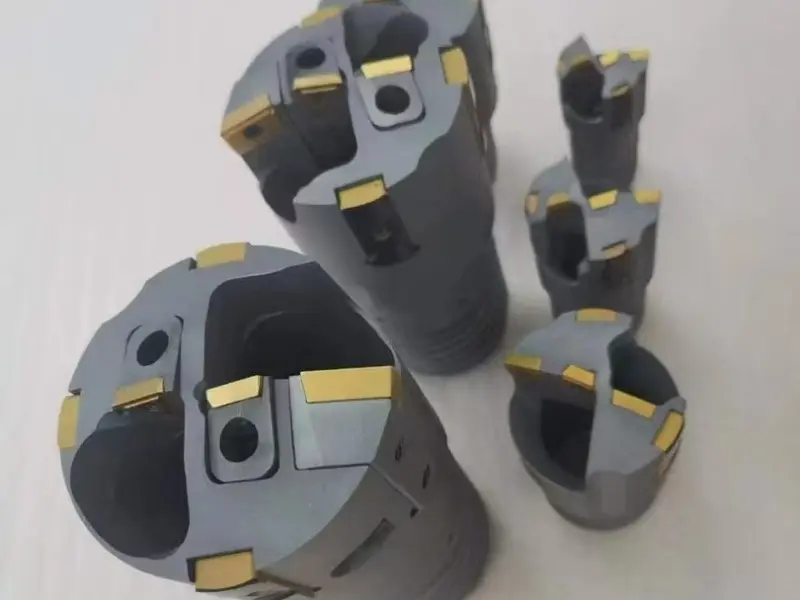
• High quality Sandvick insert and pad • Dia 25mm—65mm,first choose of high efficiency. • Excellent straightness and surface finish.It can maintain good chip removal performance • during the processing of stainless steel and low carbon steel,to keep continuous production. • Easy to install and to use
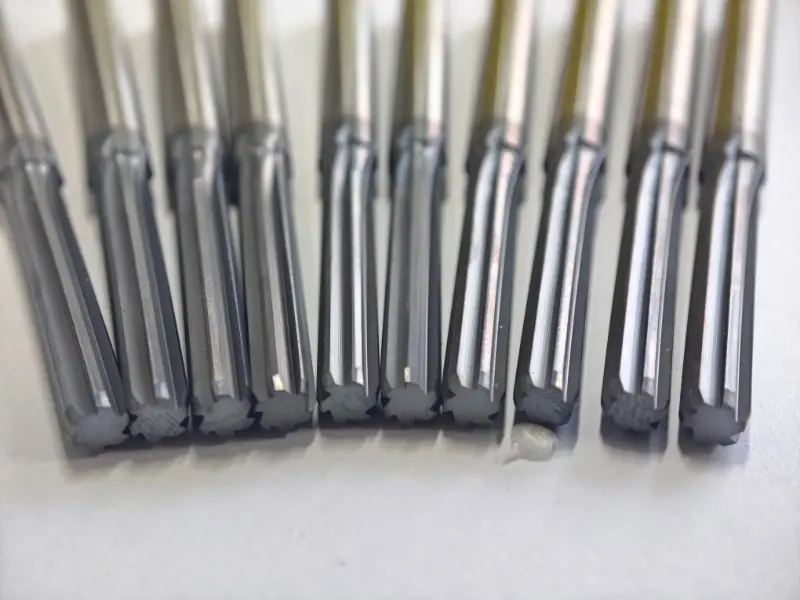
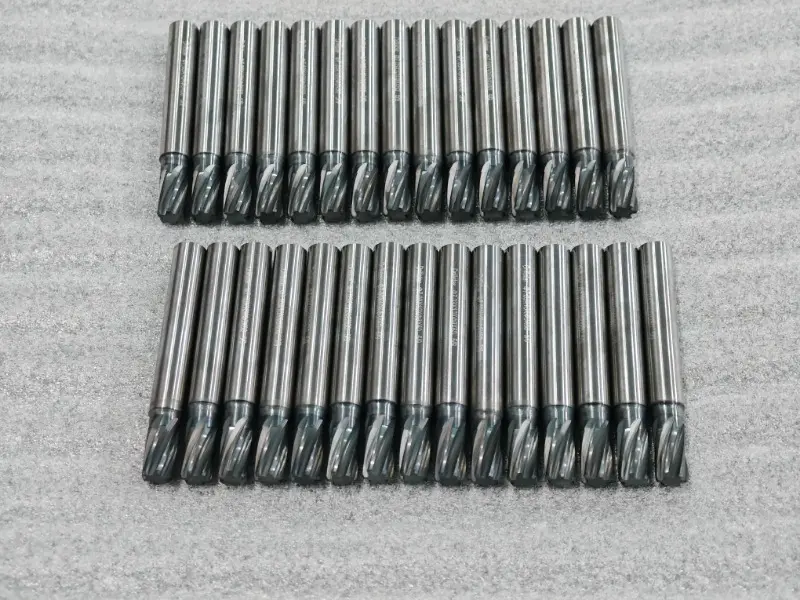
Indexable reamers are precision hole-finishing tools for metalworking, featuring replaceable carbide inserts (no regrinding needed) and modular designs. They deliver high accuracy, efficiency, and cost-effectiveness in mass production, replacing traditional solid reamers for medium-to-large batch machining. Our reamers are engineered with advanced insert clamping, internal coolant systems, and wear-resistant coatings to meet strict tolerance and surface finish requirements.
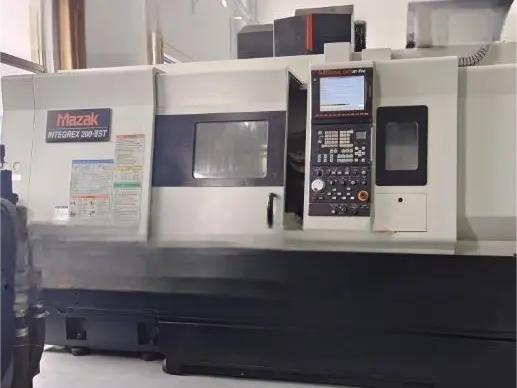
Product parameter Model Basic Configuration INTEGREX200-ⅢST X-axis travel: 580mm...