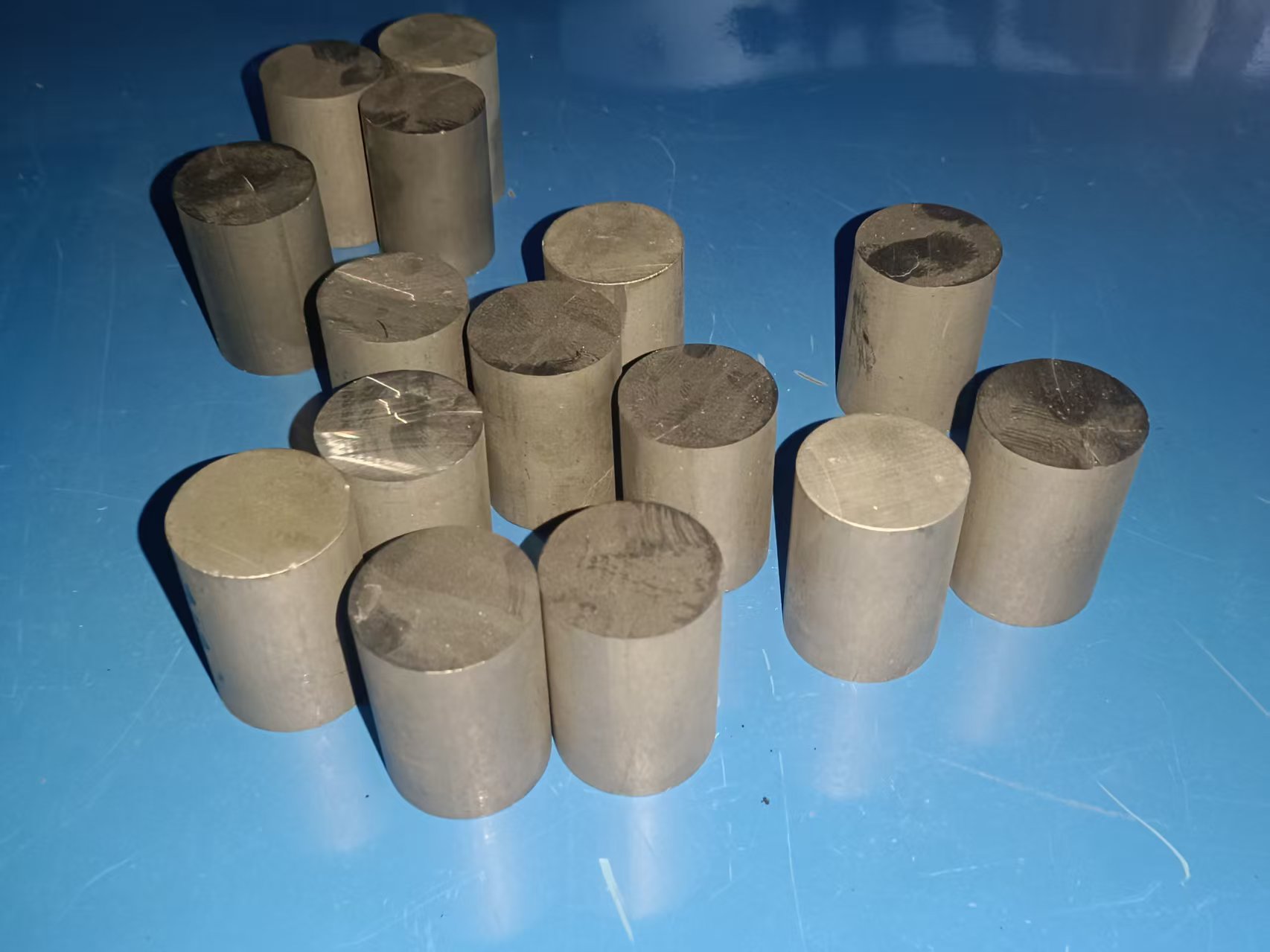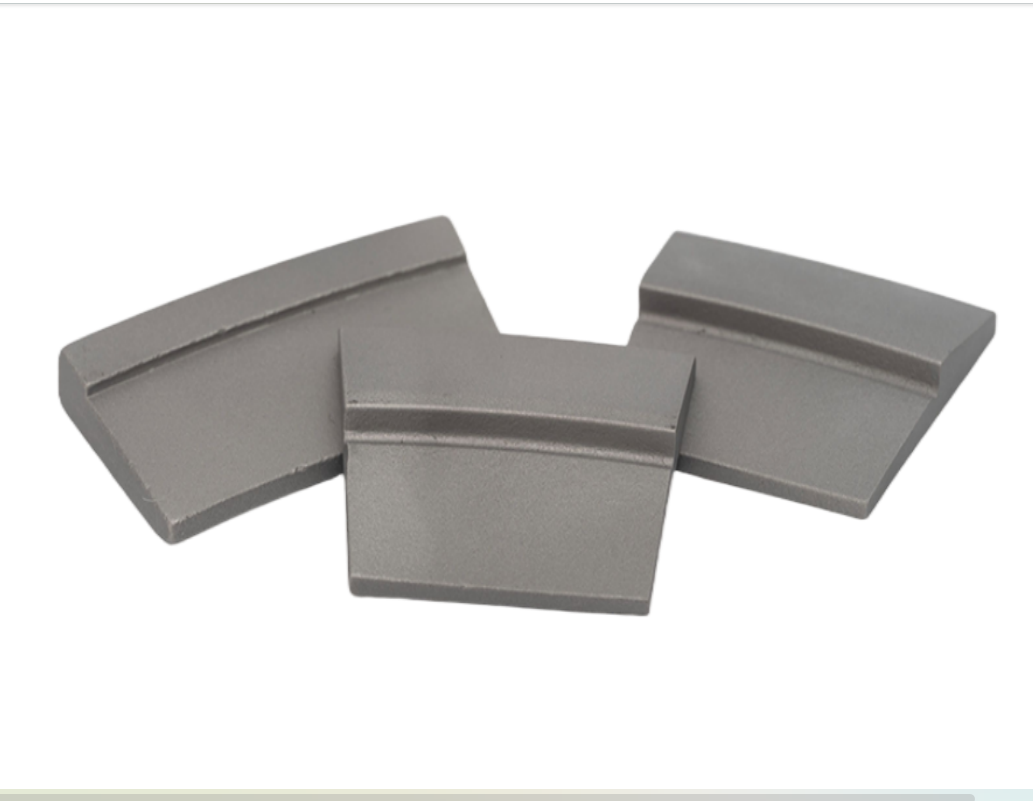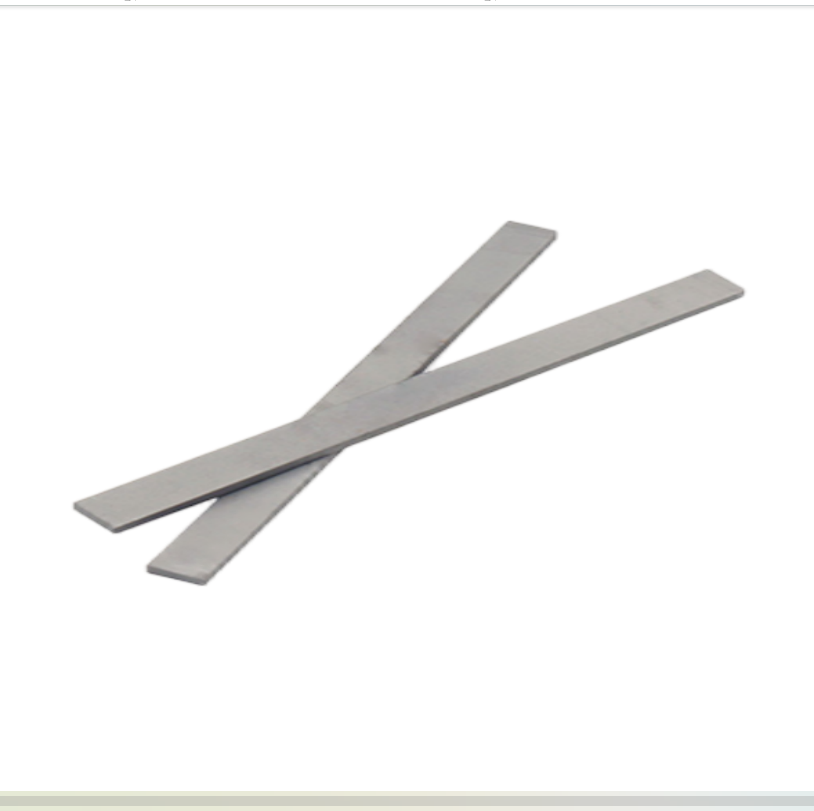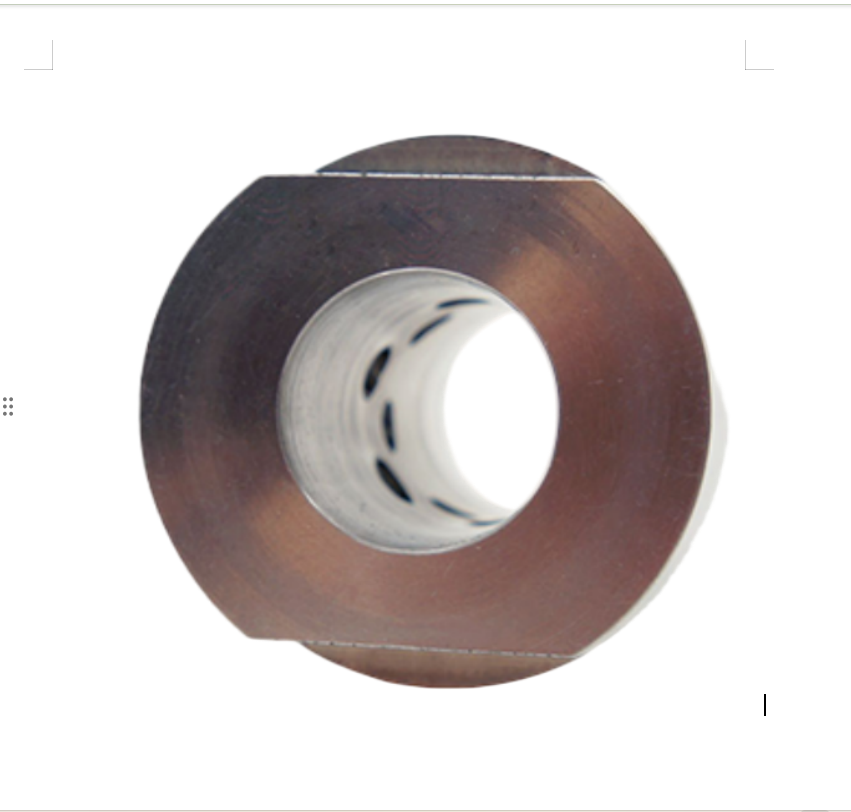
Our Hard Metal STB is a premium sintered carbide blank produced from top-grade WC-Co raw materials through advanced low-pressure sintering technology, ensuring full material density (≥99.8%) and minimal porosity for exceptional performance. The product is pre-processed with precise shaping, featuring high red hardness, corrosion resistance and low thermal expansion, which can withstand high temperature, heavy load and continuous friction in harsh industrial working conditions.
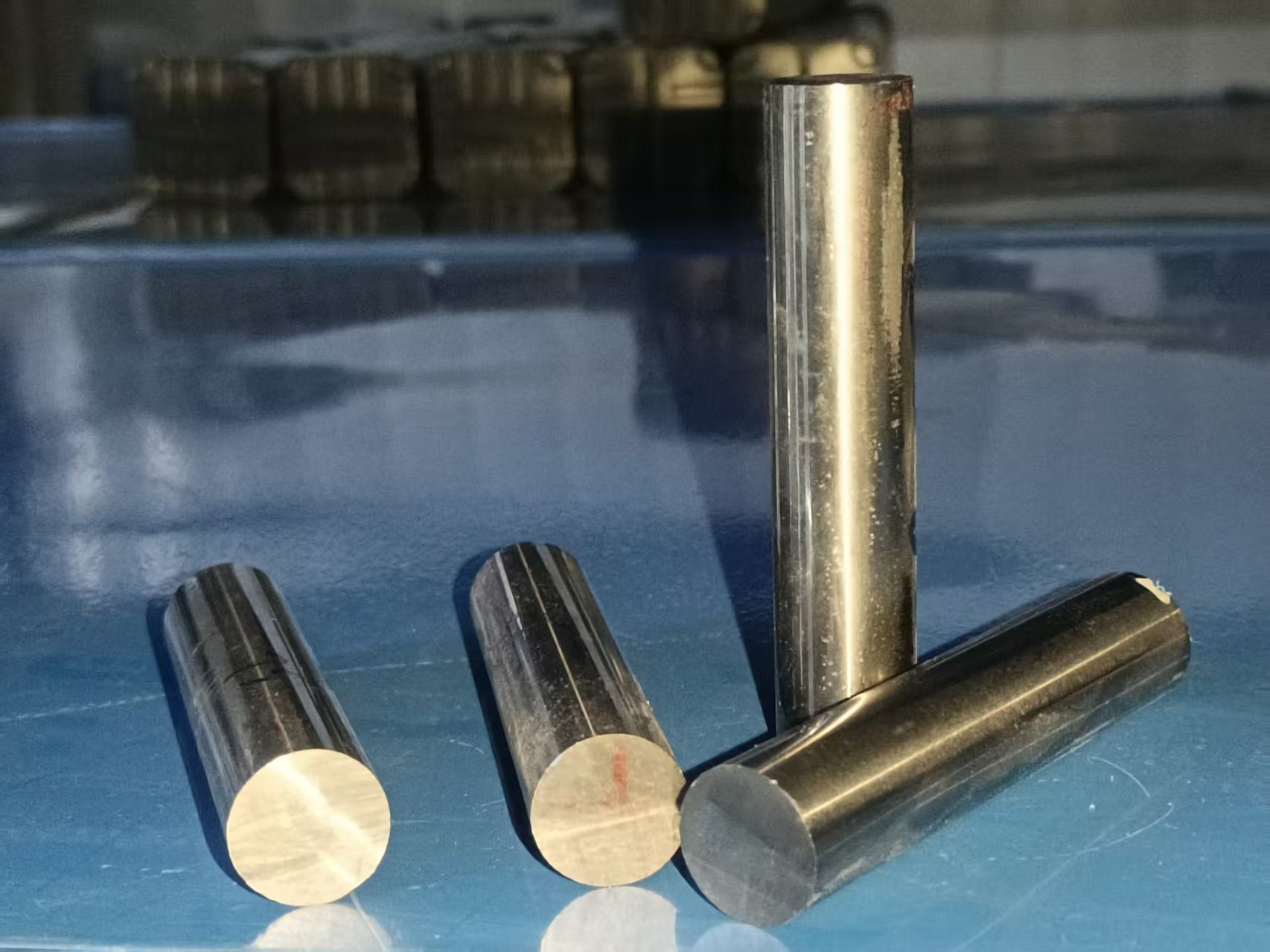
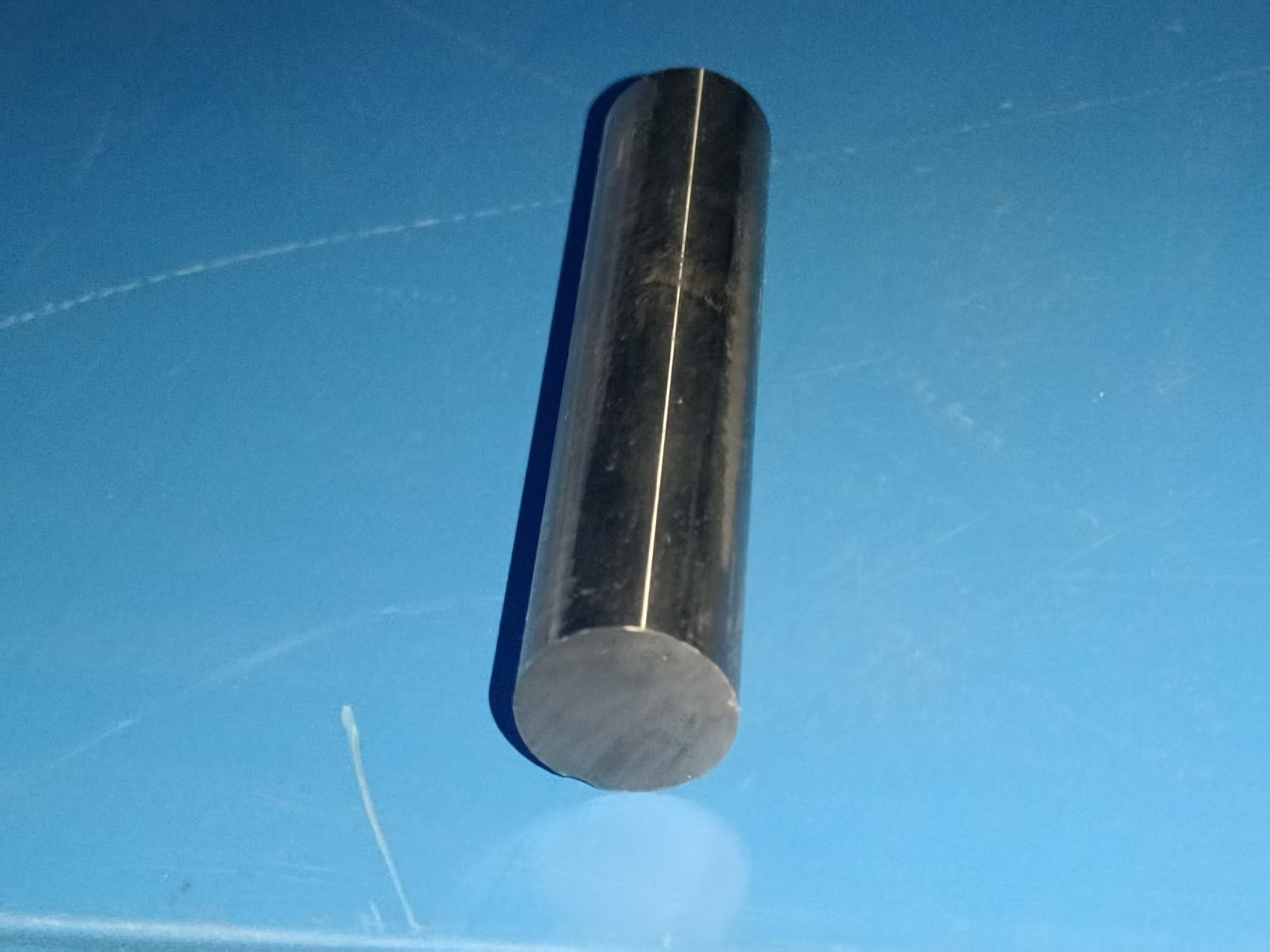
Our Hard Metal Ground Cylinders are made from top-grade WC-Co raw materials, produced via low-pressure sintering to ensure full density and minimal porosity. The precision cylindrical grinding process delivers consistent diameter accuracy, straightness, and concentricity, eliminating surface defects and ensuring excellent dimensional stability even under high temperature and heavy load.
Ground Carbide Cylinder is a high-precision, high-hardness cylindrical product made from tungsten carbide (WC) as the main raw material with cobalt (Co) and other binder phases added. It is manufactured via powder metallurgy sintering followed by precision cylindrical grinding, boasting core advantages of superior dimensional accuracy, excellent surface finish and outstanding comprehensive mechanical properties. As a core base material for precision cutting tools and key components of high-end equipment, it is widely used in industrial machining and precision manufacturing fields.
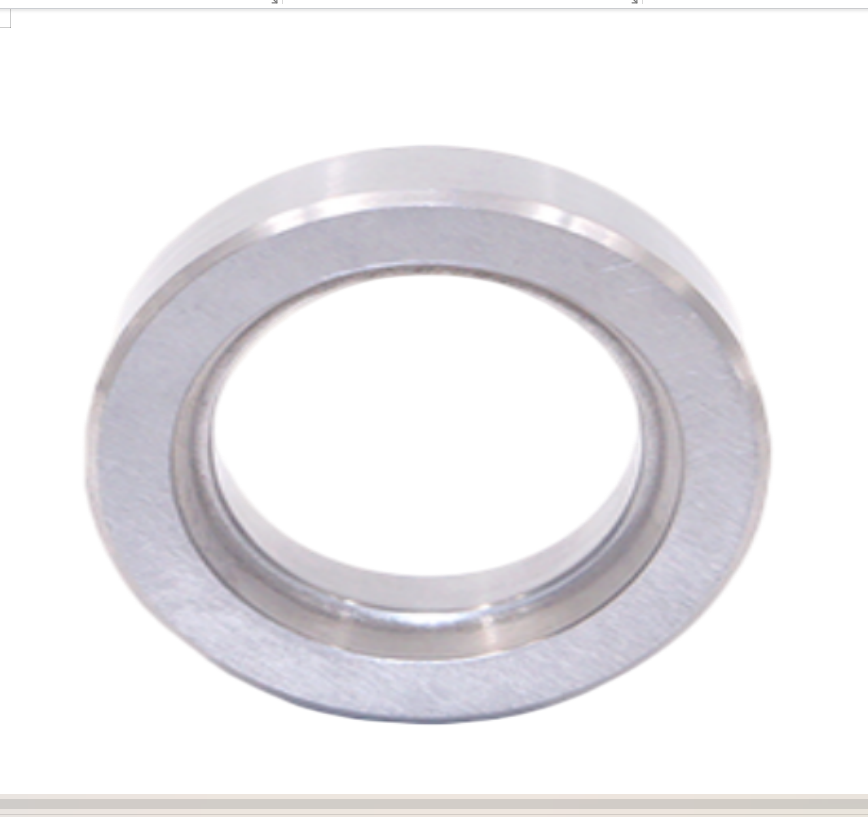
The valve seat is a common component in valves, with an outer diameter ranging from 10 mm to 700 mm and an inner diameter ranging from 5 mm to 600 mm. The Stellite valve seat is a type of hard-faced sealing material, and it is widely used due to its excellent comprehensive properties such as cavitation resistance and corrosion resistance. Our company manufactures Stellite alloy valve seats by adopting atmospheric pressure precision casting, vacuum precision casting or powder metallurgy processes.
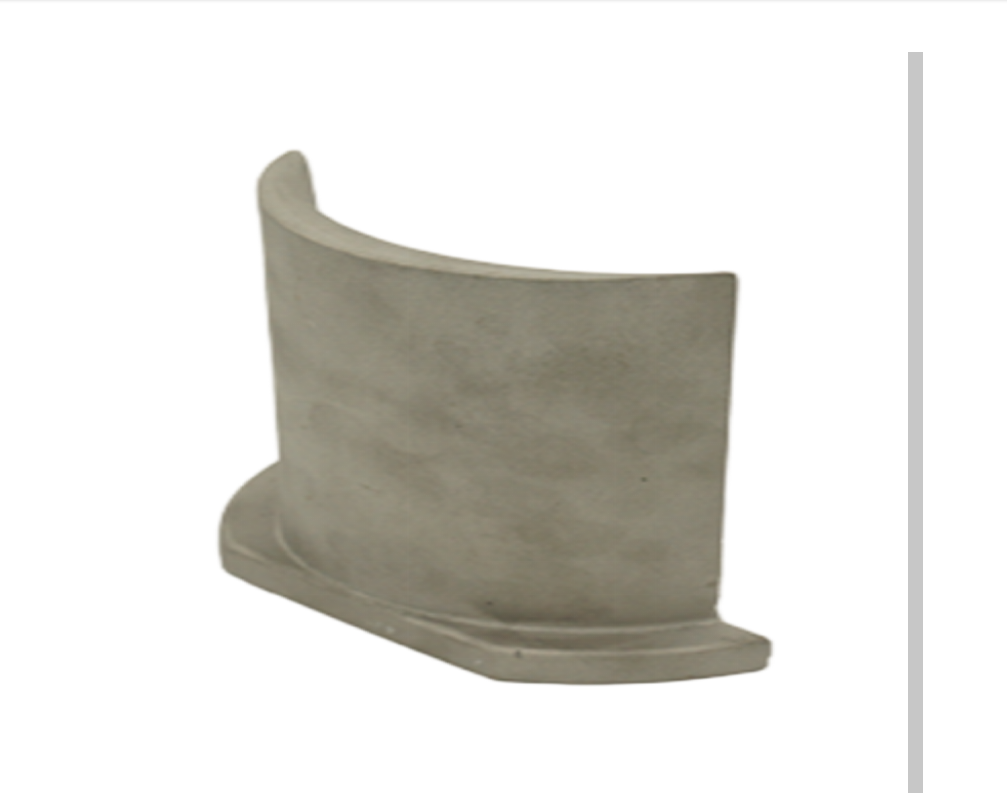
Stellite alloy wear-resistant plates are applied to centrifuge equipment in the food processing industry. Thanks to their excellent wear and corrosion resistance, they serve as high-speed rotating components in the acidic medium environment of the equipment, withstanding severe friction and frequent impact wear between components, which effectively reduces equipment downtime for maintenance.
During operation, the screen plates of paper machines are in long-term contact with corrosive liquids and fluids, while also withstanding intense scouring. As a result, they suffer from severe wear and corrosion, and screen plates made of conventional materials have a short service life.
Water droplets that corrode the leading edges of blades usually form in the L-0 zone of steam turbines. Steam-water corrosion will initiate cracks on the blades and cause them to propagate, leading to catastrophic damage. Welding Stellite 6 alloy protection plates onto the leading edges of blades or overlaying Stellite alloy powder can significantly mitigate water droplet erosion and crack propagation, thus reducing the occurrence of failures. Chemical Composition and Typical Properties
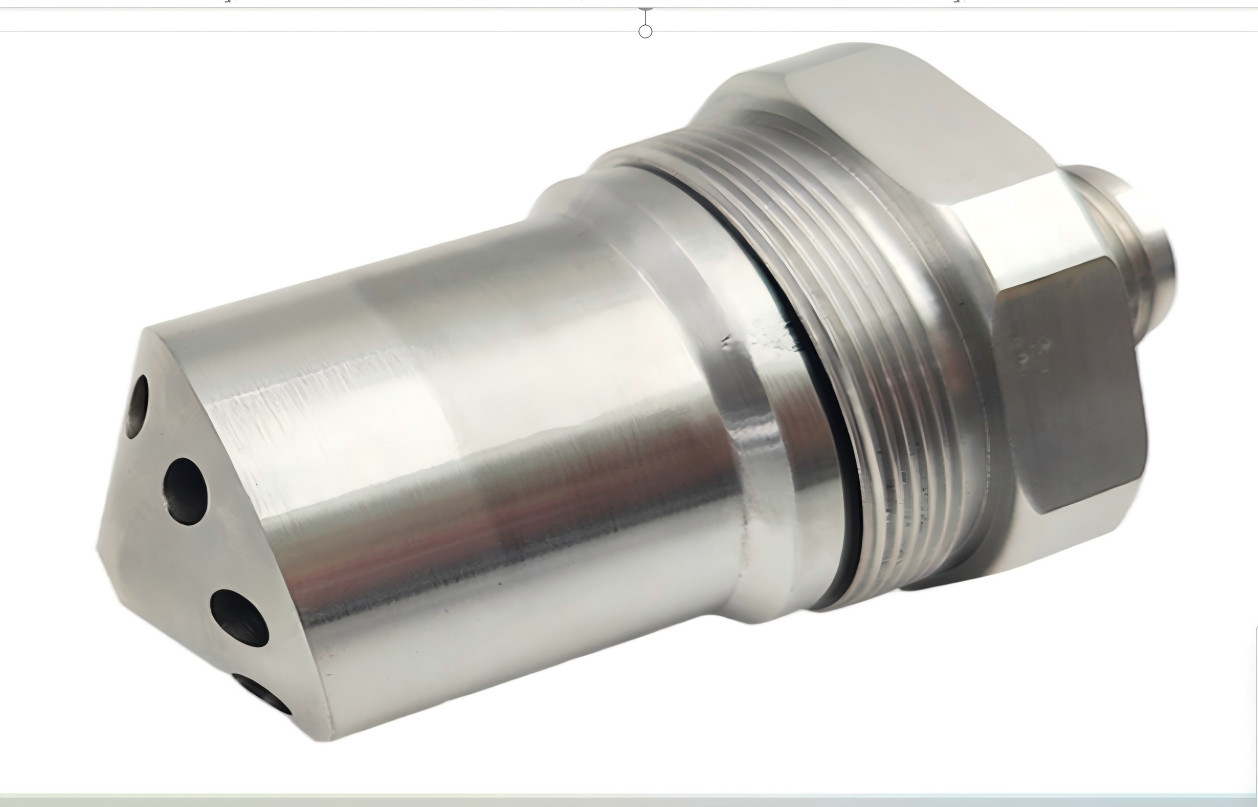
Denitration is a critical environmental protection technology, designed to reduce nitrogen oxide emissions generated by industrial facilities such as coal-fired power plants. In an enterprise’s denitration system, Stellite alloy nozzles serve as highly important components. They are used to spray denitration agents, promoting the reaction between nitrogen oxides and denitration agents to convert them into harmless substances, which improves the efficiency and stability of the denitration system and reduces maintenance costs.
Nozzles typically operate in high-temperature and corrosive environments, so materials with excellent high-temperature resistance and strong corrosion resistance are required. They are usually manufactured from Stellite 6 and Stellite 12. These nozzles are commonly used in the fabrication of components for fluid catalytic cracking unit (FCCU) reactors and regenerators in petroleum refining.
The water nozzle (also referred to as a bushing) is divided into fixed and movable types, and it operates under extremely harsh working conditions. For instance, the medium contains solid particles, features strong impact, and has destructive effects such as abrasion, corrosion and impact. Thanks to its excellent corrosion resistance, wear resistance and impact resistance, Stellite alloy is often used for manufacturing pump and valve fittings.
Our company manufactures Stellite alloy bushings by precision casting or powder metallurgy processes, which are widely used in various valves. The outer diameter of the product ranges from φ10 mm to φ600 mm, and the inner diameter ranges from φ5 mm to 500 mm. Customized production is also available according to customer requirements.
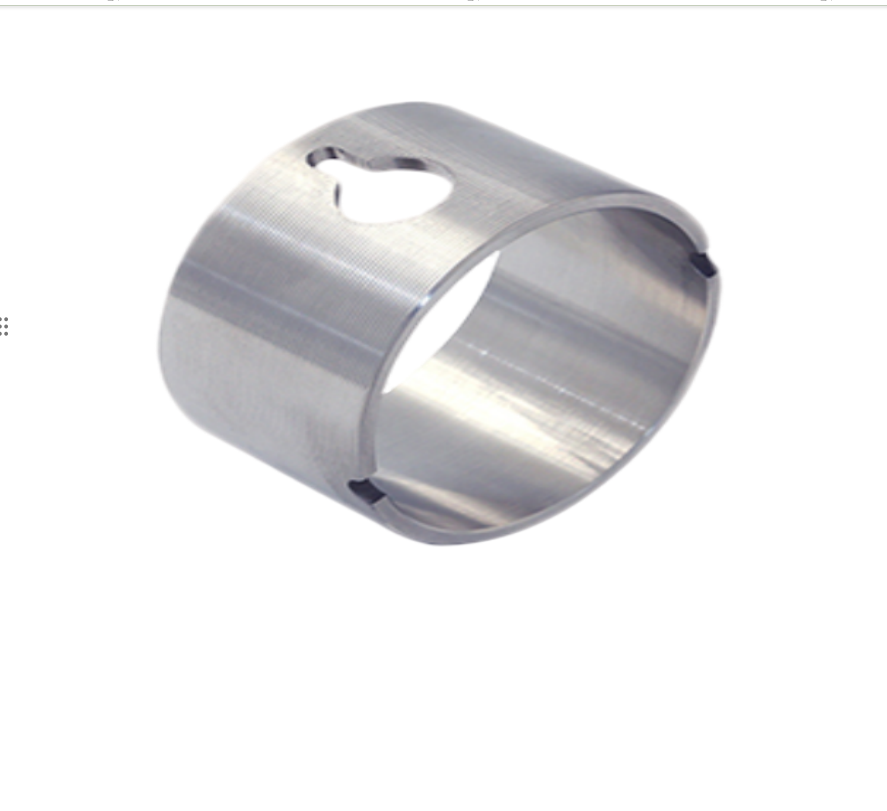
Stellite alloy bushings and sleeves are widely used in galvanizing lines of steel mills for manufacturing galvanized steel sheets, especially those production lines dedicated to steel sheets applied in automobiles and household appliances. Material selection is carried out in accordance with design requirements, which stipulate that bushings and sleeves shall be made of two different grades of Stellite alloys with distinct hardness levels-one featuring high hardness and the other low hardness.