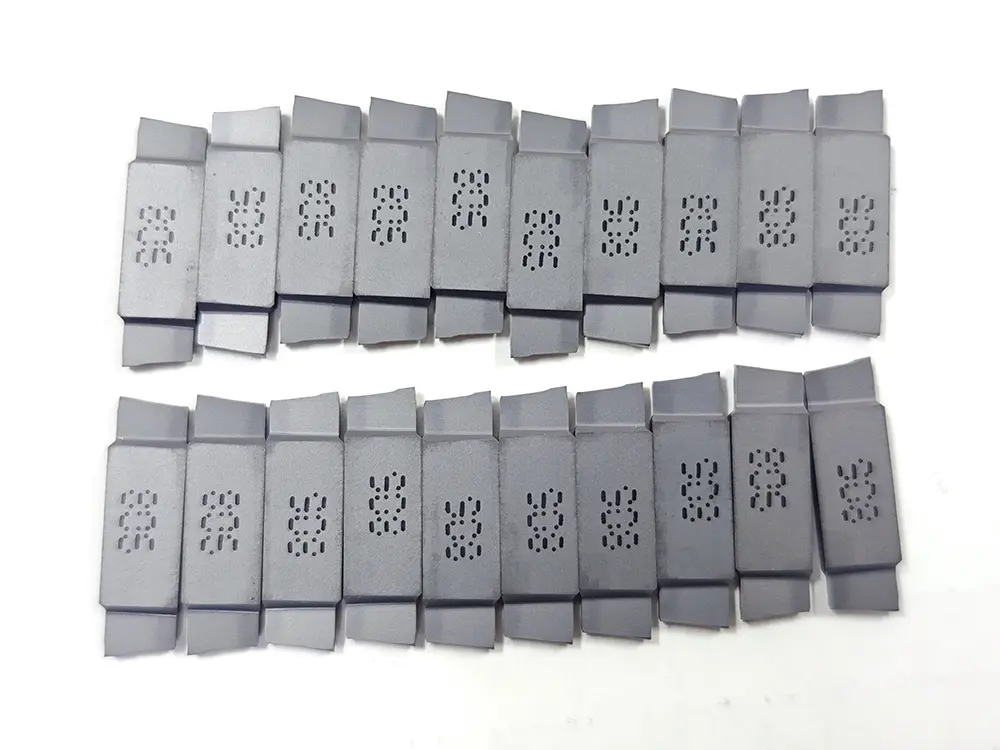
Core Definition and Structure Grooving inserts are preformed replaceable cutting unit...
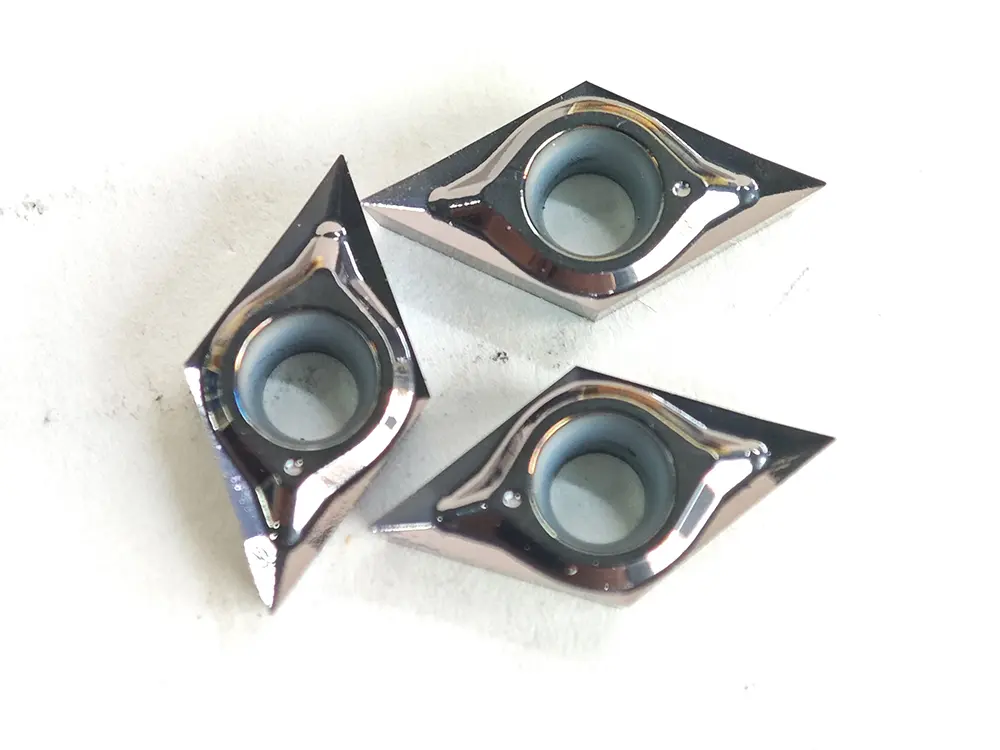
Rhombic CNC inserts are among the most widely used types of indexable inserts in CNC turning and boring processes. They are named for their rhombic shape (a quadrilateral with parallel opposite sides and fixed included angles between adjacent sides), and are primarily suitable for operations such as external turning, internal boring, and face turning.
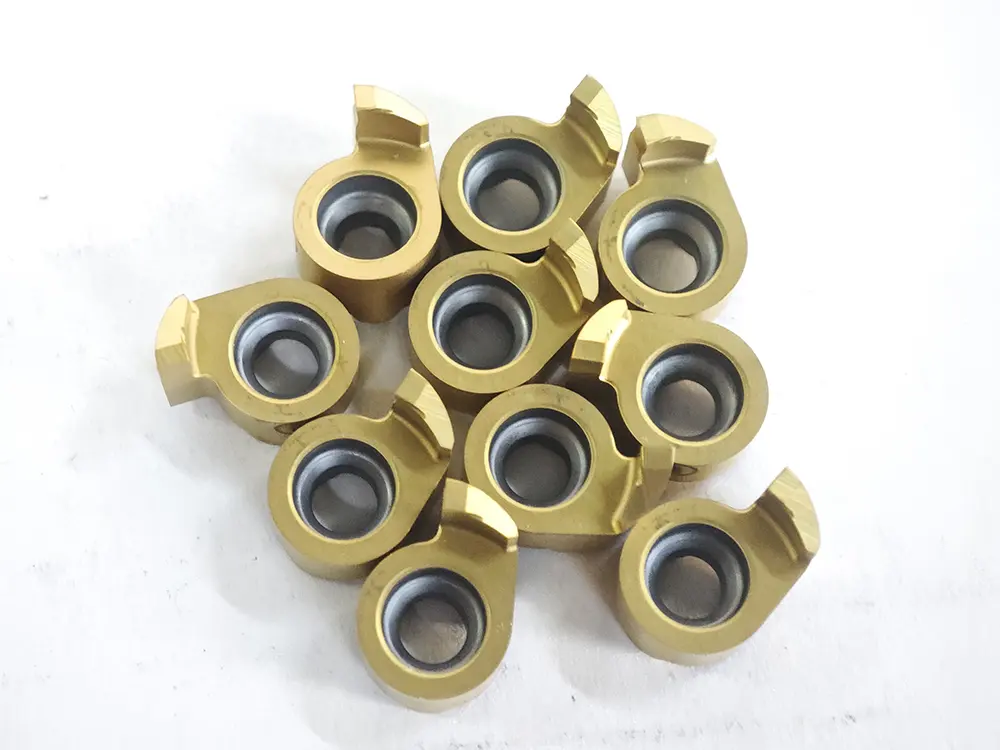
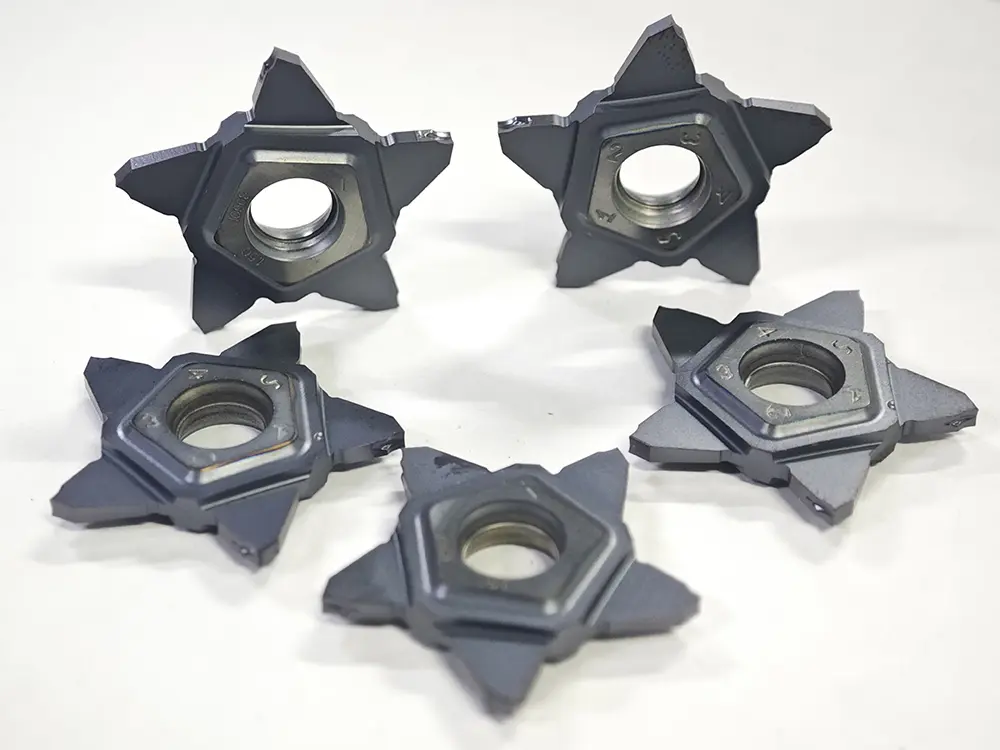
Star-shaped Grooving Cutters (also referred to as Penta Grooving Tools) are cost-effective indexable tools for CNC grooving and parting operations. They are named for their pentagram-shaped insert structure with 5 cutting edges, and are primarily suitable for machining shallow grooves, wide grooves, parting cuts, and shoulder grooves—especially ideal for small part and batch production scenarios.
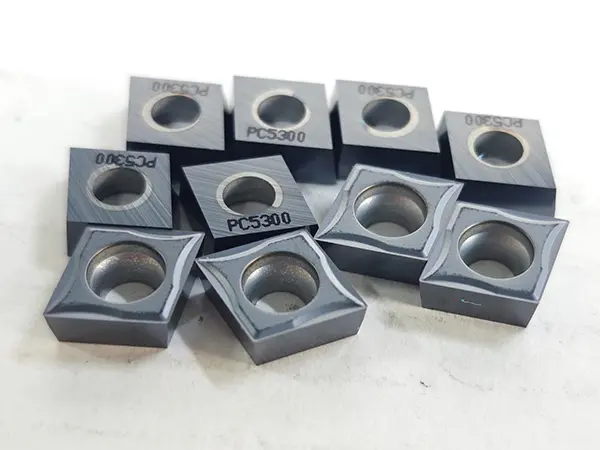
Square CNC turning inserts are one of the commonly used cutting tools in CNC turning processes.
V-CUT knives (also known as V-shaped cutting knives or V-groove knives) are specialized tools for PCB (Printed Circuit Board) processing, metal sheet grooving, and V-groove machining of materials such as acrylic and plastic. Below is a detailed description from the perspectives of core characteristics, classification, parameters, and applications:
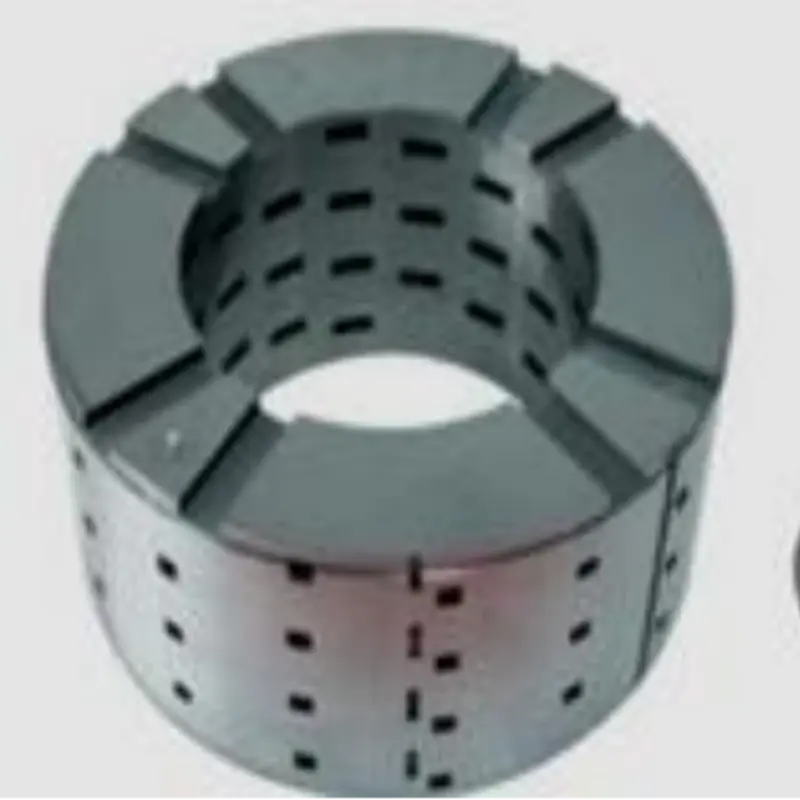
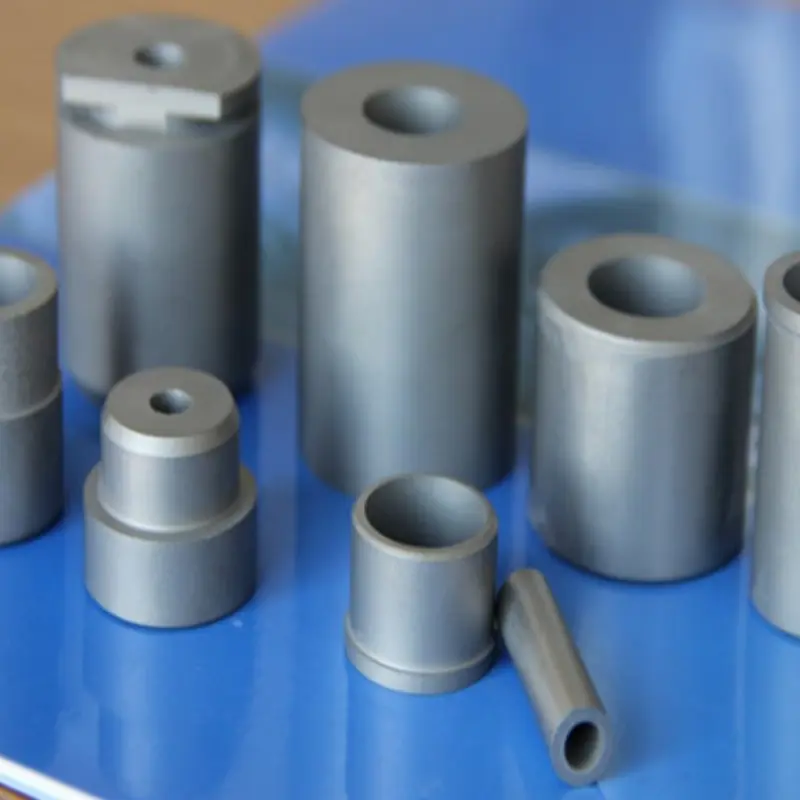
Valve internals refer to the critical components housed within a valve body that directly control the flow, direction, and pressure of a fluid (liquid or gas). While the valve body contains the pressure, it is the internals that perform the essential work of sealing, modulating, and shutting off the flow. Their performance and durability are paramount to the entire system’s reliability. These components are typically designed as replaceable parts, allowing for maintenance and repair without replacing the entire valve body.
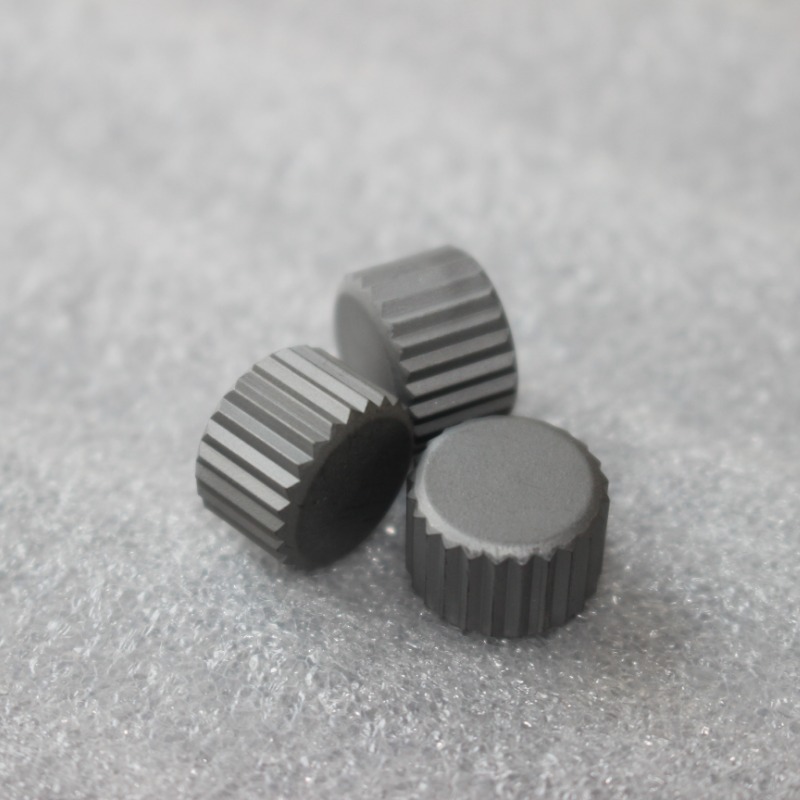
Carbide Plum Blossom Teeth are a specialized type of tungsten carbide cutting tool characterized by their unique, multi-pointed star shape that resembles a plum blossom. These teeth are designed as highly efficient, multi-faceted cutting elements for extreme abrasive and impact conditions, primarily in the mining and construction industries.
The term “Carbide Water Tap” does not typically refer to a standard household faucet. Instead, it describes a specialized tungsten carbide valve component or a wear-resistant tap used to control the flow of water, slurry, or other abrasive fluids in industrial settings. The “carbide” designation indicates that the critical wear-prone parts of this valve are made from or protected by tungsten carbide to ensure extreme durability.
A Composite Sheet Substrate refers to a base material, typically in sheet form, that is composed of two or more distinct physical or chemical phases combined to create a new material with superior properties compared to its individual components. In advanced industrial contexts, this often involves combining a tough, ductile matrix (like a metal or polymer) with a hard, reinforcing phase (like ceramic particles or fibers) to achieve a balance of strength, toughness, and other specific functional properties. These substrates are engineered to serve as a foundational platform for further processing or as a core structural component in demanding applications.
Carbide drill bits are high-performance cutting tools designed for drilling into hard, abrasive, or challenging materials. They are distinguished by their cutting edges or tips, which are made from tungsten carbide, a composite material known for its superior hardness and wear resistance compared to standard high-speed steel (HSS).
Carbide Ball Teeth, also known as carbide ball inserts, tungsten carbide ball teeth, or conical picks, are a specific type of wear part and cutting tool characterized by their hemispherical (ball-shaped) head made of tungsten carbide. They are primarily designed for robust impact, crushing, and grinding applications, rather than precise shearing or slicing. Their unique design allows them to transmit high point load forces into the material, making them ideal for breaking extremely hard and abrasive substances.
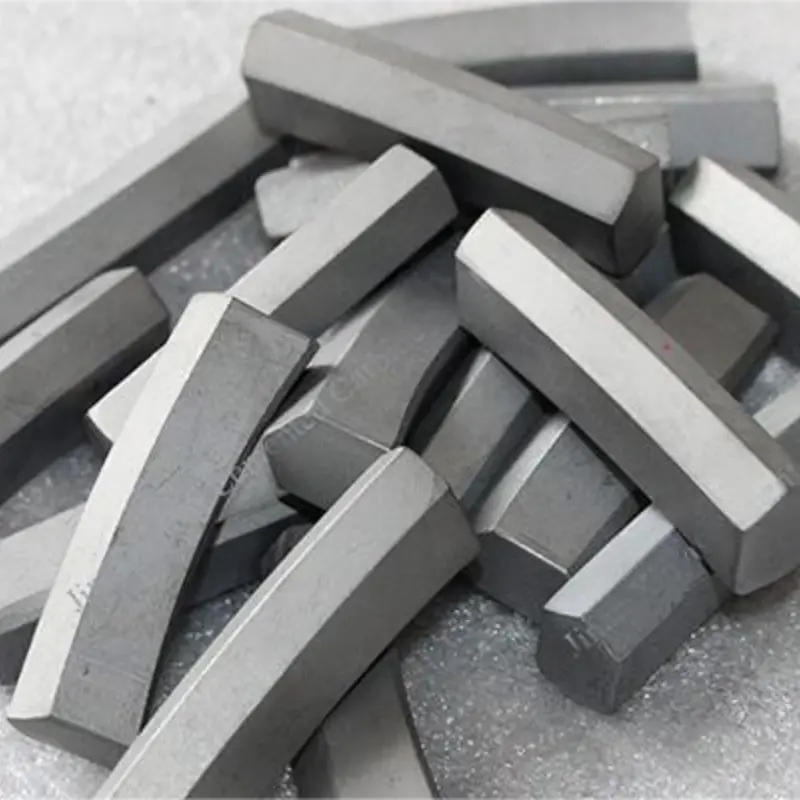
Carbide cutting teeth refer to the tooth-like or tip components made from tungsten carbide, a composite material known for its exceptional hardness, wear resistance, and durability. These teeth are typically brazed or mounted onto various tools and machinery to serve as the primary cutting, drilling, or grinding surface.