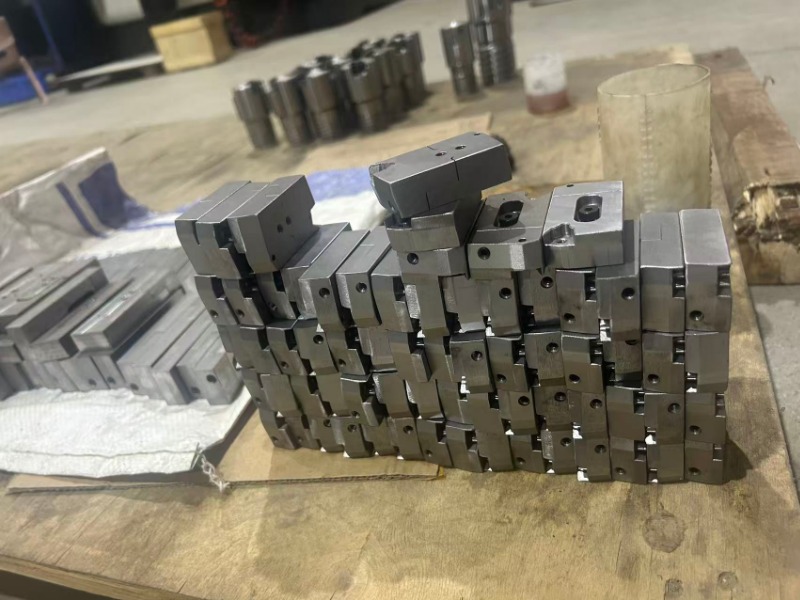
Product Overview
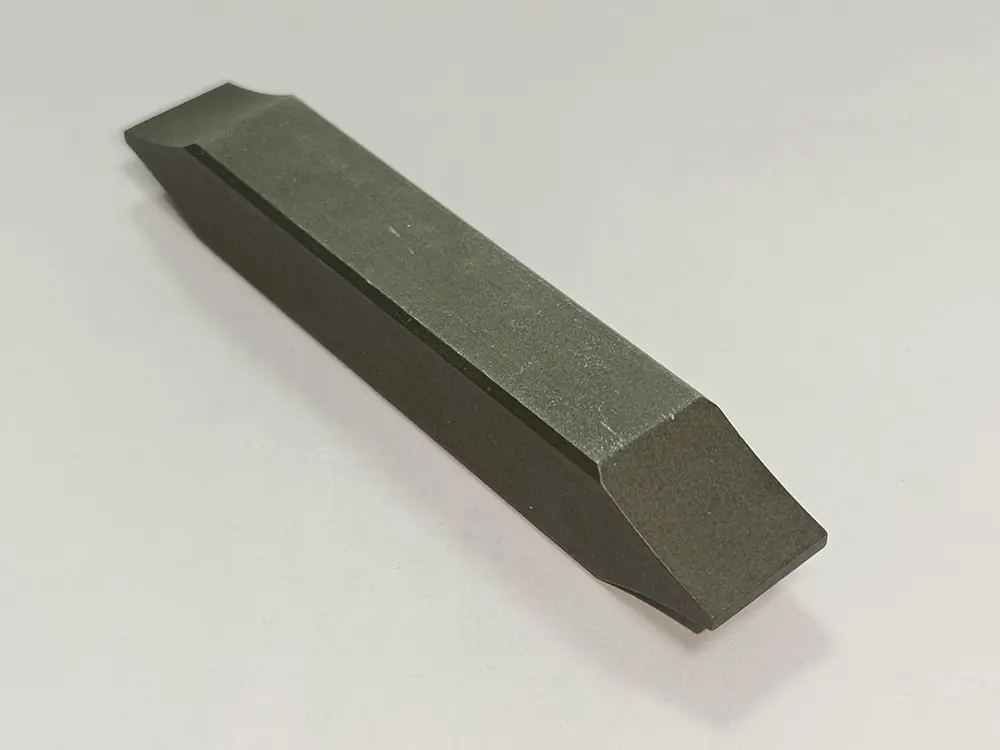
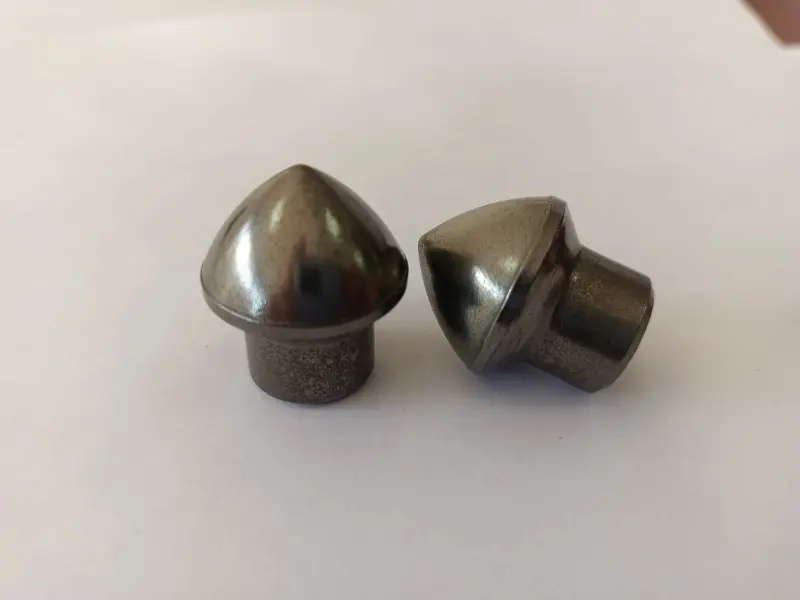
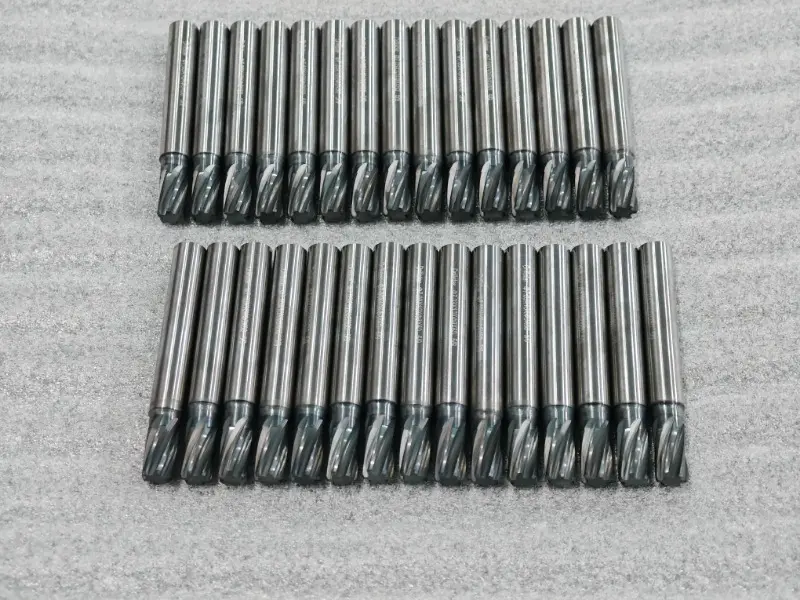
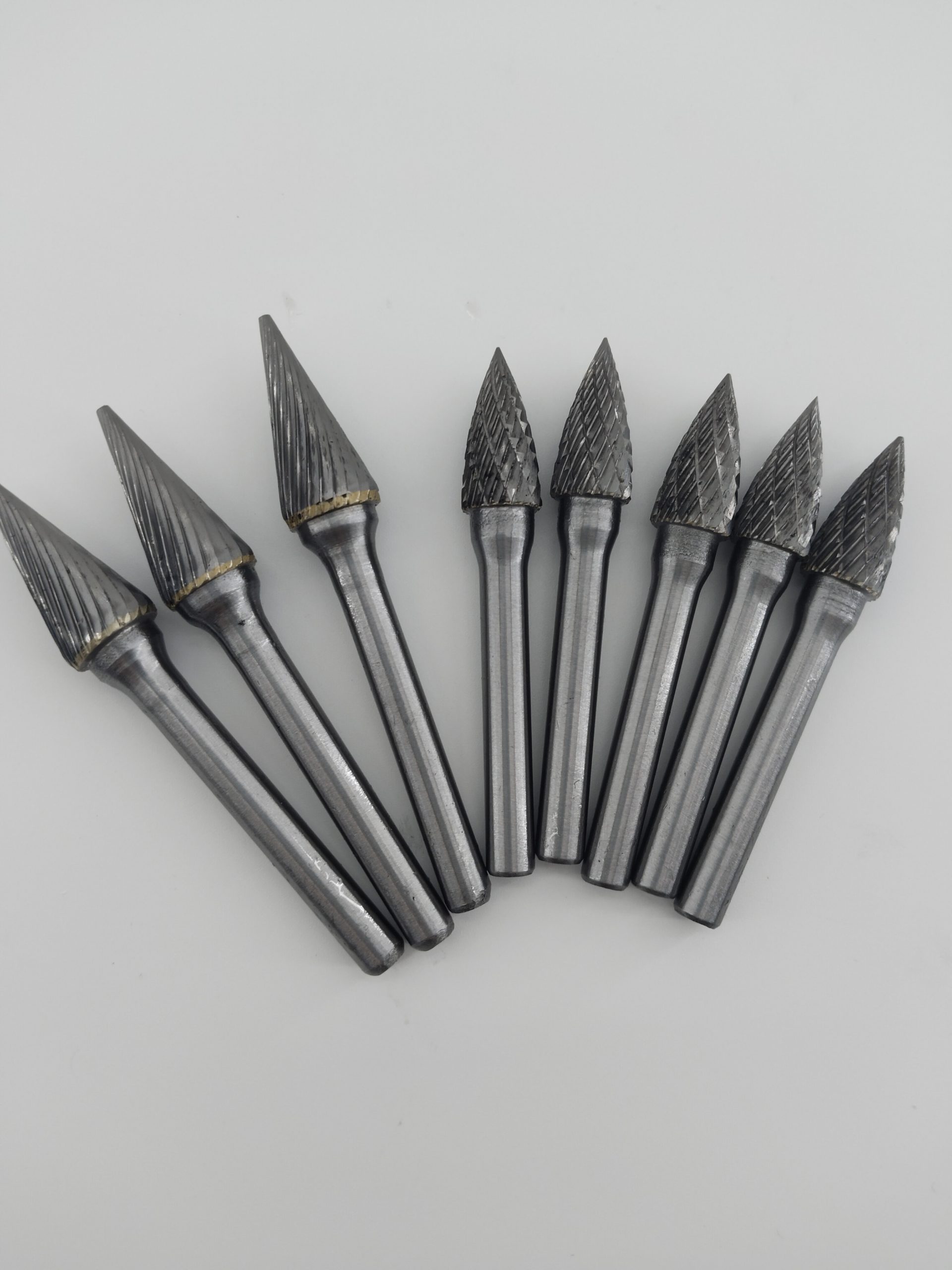
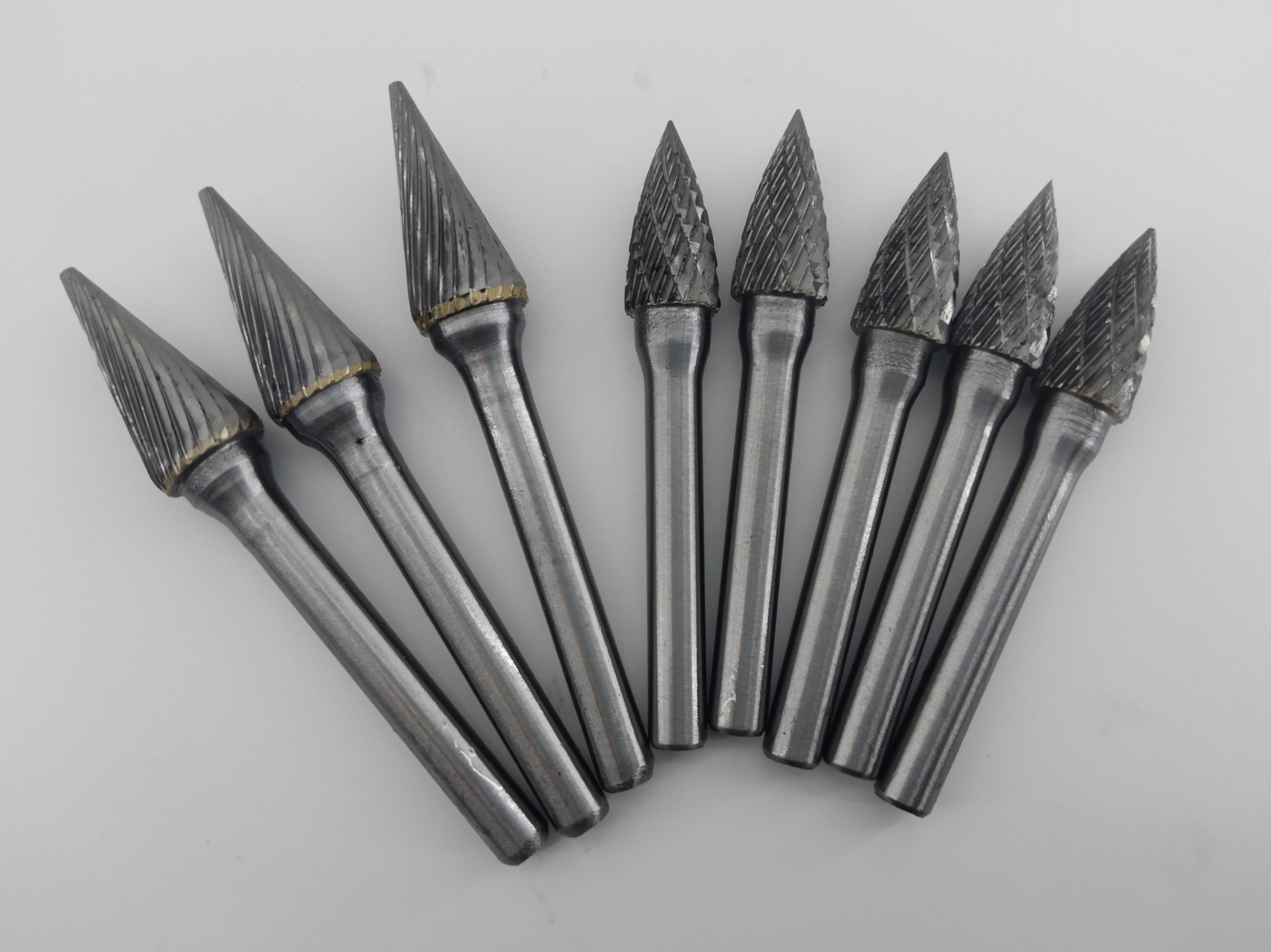
Rotary file is a high-precision metal processing tool widely used for deburring, shaping, chamfering, grooving and finishing of metal workpieces. It is driven by CNC machine tools, milling machines, electric grinders and other equipment to rotate at high speed, realizing efficient processing of complex surfaces and irregular workpieces. Our rotary files are made of high-quality materials and precision machining, with sharp cutting edges, stable performance and long service life, suitable for processing various metal materials such as carbon steel, alloy steel, stainless steel, cast iron, copper alloy and aluminum alloy. They are widely applied in machinery manufacturing, automotive parts, aerospace, mold making, hardware processing and other industries.
Key Features
-
High-Hardness Cutting Edge: The file head is made of high-speed steel (HSS) or cemented carbide,经过 high-temperature quenching and tempering treatment, the hardness can reach HRC 62-65 (HSS) or HRA 90-94 (cemented carbide), ensuring sharpness and wear resistance, and can easily process various hard metals.
-
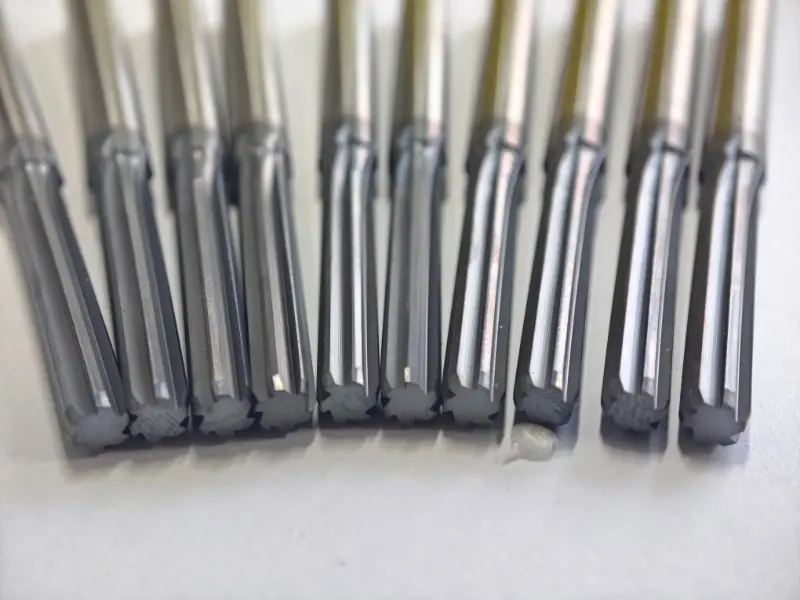
Precision Machining: The file head tooth shape is processed by high-precision CNC grinding equipment, with uniform tooth pitch, smooth surface and strict dimensional tolerance, ensuring stable processing quality and high consistency of workpieces.
-
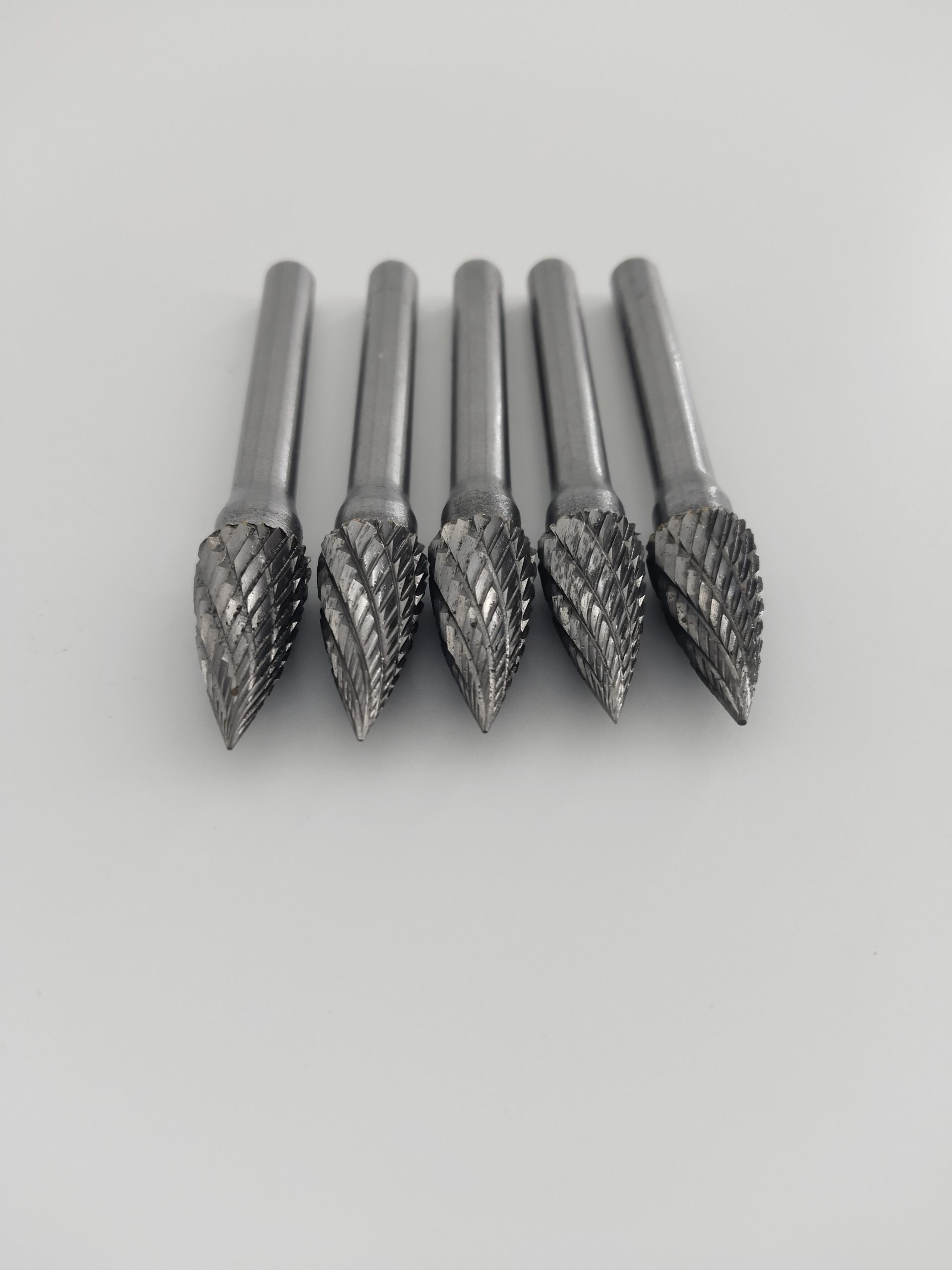
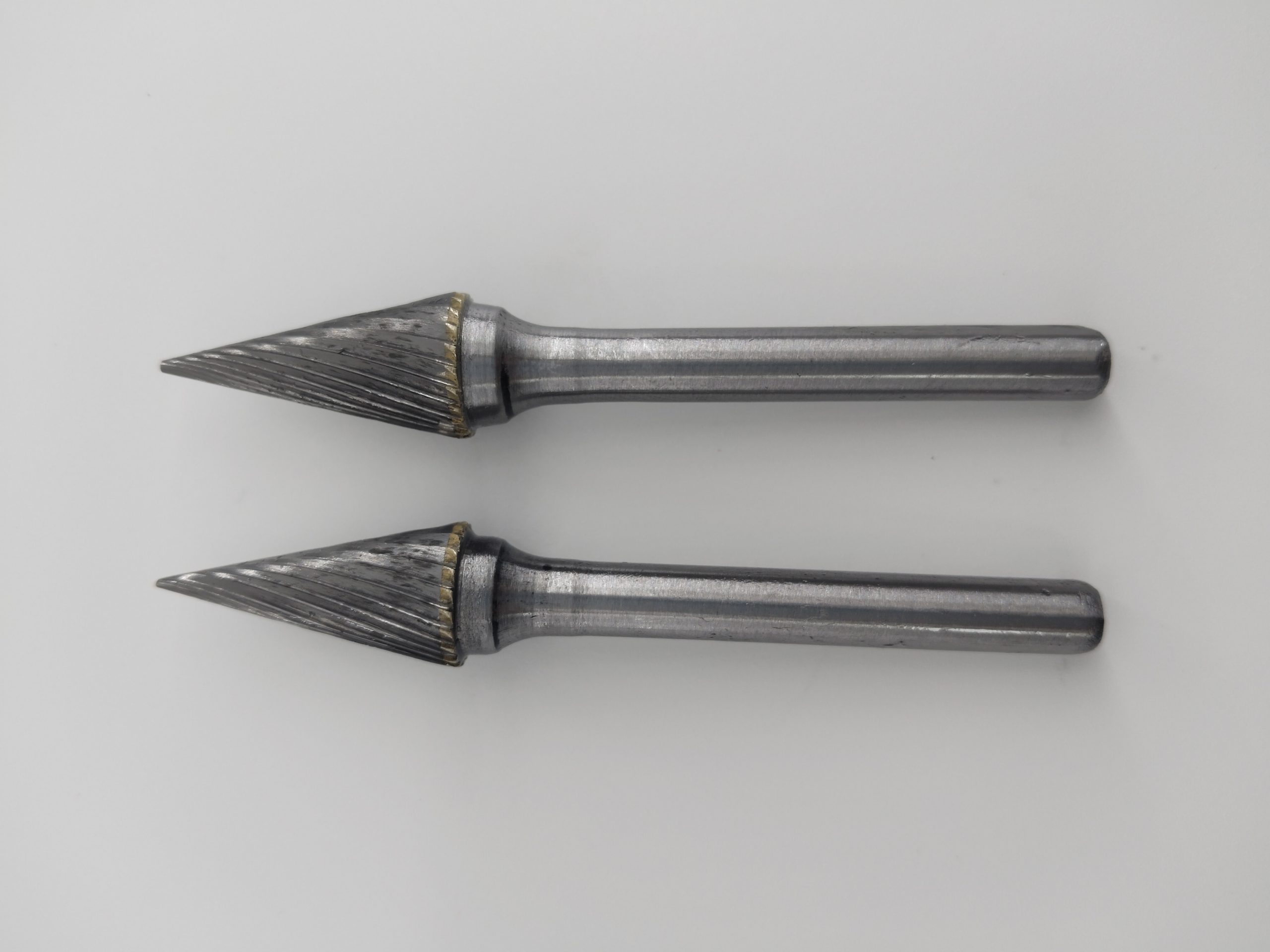
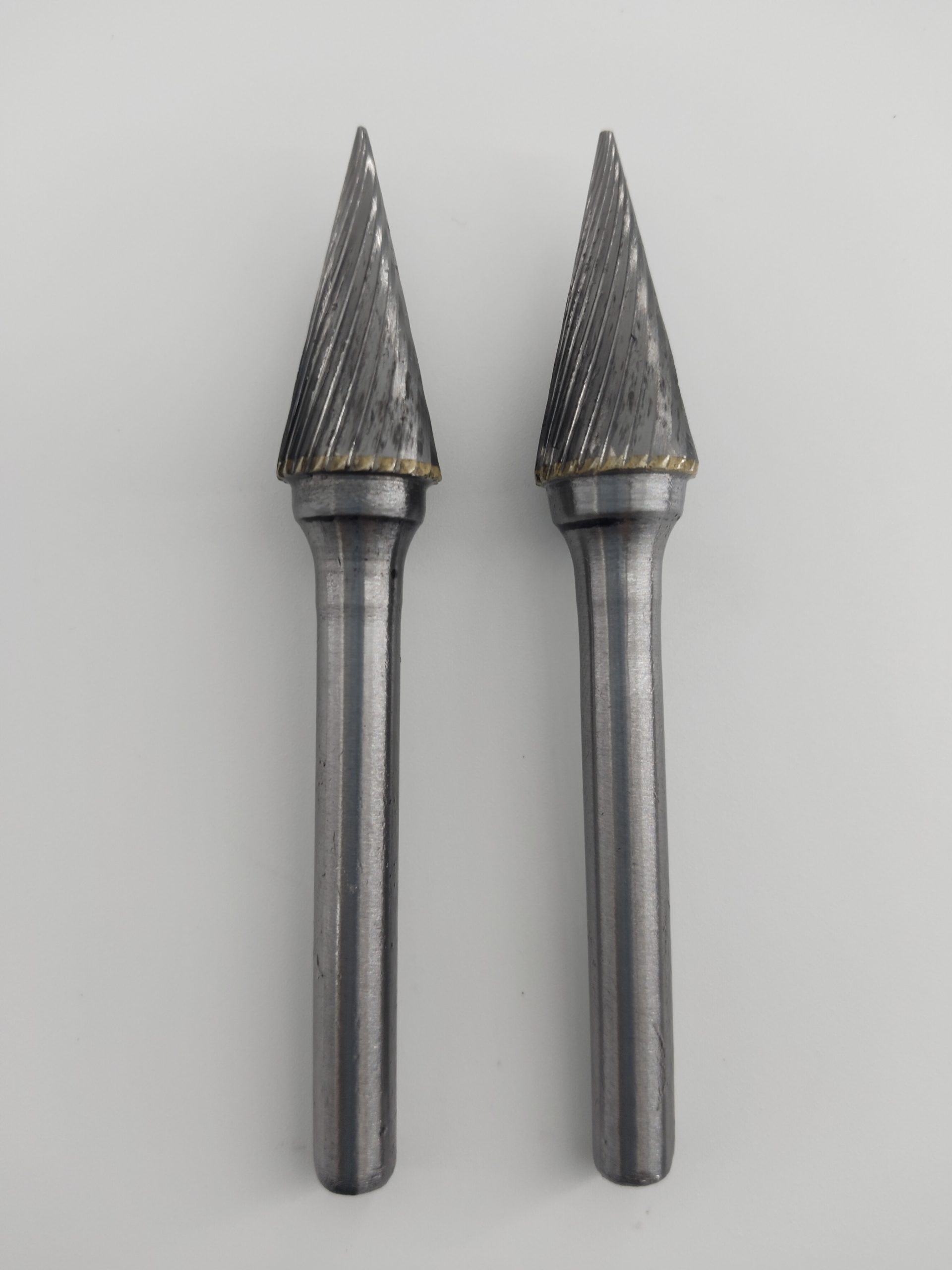
Multiple Types & Specifications: Available in various shapes (cylindrical, conical, spherical, oval, pointed) and sizes, suitable for different processing scenarios and workpiece shapes; customizable specifications can be provided according to customer special needs.
-
Stable Operation: The file shank is made of high-strength carbon steel, with good toughness and concentricity, which can avoid vibration during high-speed rotation, ensure processing accuracy and operator safety.
-
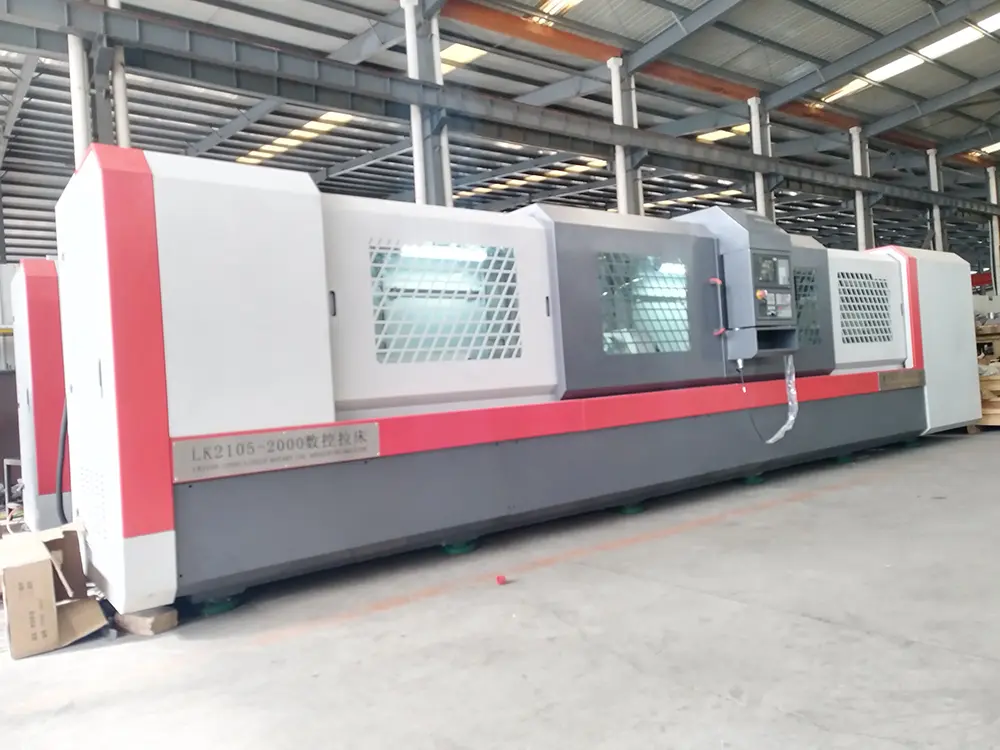
Wide Adaptability: Suitable for both manual and automatic processing, compatible with various equipment such as CNC lathes, milling machines, electric grinders and pneumatic tools, meeting diverse processing needs.
-
Cost-Effective: The cutting edge is wear-resistant and not easy to damage, reducing tool replacement frequency; efficient processing improves production efficiency and reduces overall processing costs.
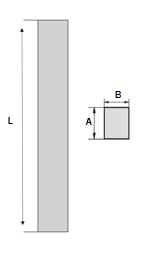
Core Technical Specifications (Table)
Applicable Scenarios
Our rotary files are widely used in various fields that require precision processing of metal workpieces, especially for irregular surfaces and complex shapes that are difficult to process with ordinary tools. Main application scenarios include:
-
Machinery Manufacturing: Deburring, chamfering and shaping of shafts, sleeves, gears, bearings and other mechanical components; processing of internal and external grooves.
-
Automotive Industry: Processing of engine parts, transmission parts, brake parts and other auto parts; finishing of irregular surfaces of auto molds.
-
Aerospace Industry: Precision processing of small metal parts for aerospace equipment; deburring of high-precision components.
-
Mold Making: Finishing of mold cavities, cores and other parts; processing of complex curved surfaces of molds.
-
Hardware Processing: Shaping and finishing of hardware tools, fasteners, handicrafts and other products; deburring of stamping parts.
-
Maintenance & Repair: Repair and finishing of worn metal parts in various equipment; on-site processing of mechanical parts.
Packaging & Usage Notes
1. Packaging Specification
Inner Packaging: Each rotary file is packed in a plastic protective tube or plastic box, with anti-collision foam padding to protect the cutting edge from damage during transportation. Outer Packaging: High-strength corrugated cardboard carton, standard carton size: [e.g. 45cm × 35cm × 25cm], gross weight per carton: [e.g. 18kg], net weight per carton: [e.g. 17kg]; customizable packaging with logo printing for bulk orders.
2. Usage Notes
-
Before use, check whether the file head is intact (no damage, no blunting) and the shank is smooth; ensure that the tool is installed firmly on the equipment chuck to avoid slipping during high-speed rotation.
-
Select the appropriate rotating speed according to the file material, workpiece material and processing requirements; too high or too low speed will affect processing quality and tool life.
-
During processing, keep the tool and workpiece perpendicular or at the specified angle, and feed evenly to avoid overload operation; do not apply excessive force to prevent the file head from breaking.
-
During processing, it is recommended to use cutting fluid (except for cemented carbide files processing non-ferrous metals) to reduce friction and temperature, extend tool life and improve surface finish.
-
After use, clean the file head (remove metal chips), apply anti-rust oil, and store it in a dry and ventilated place; avoid collision between file heads to prevent edge damage.