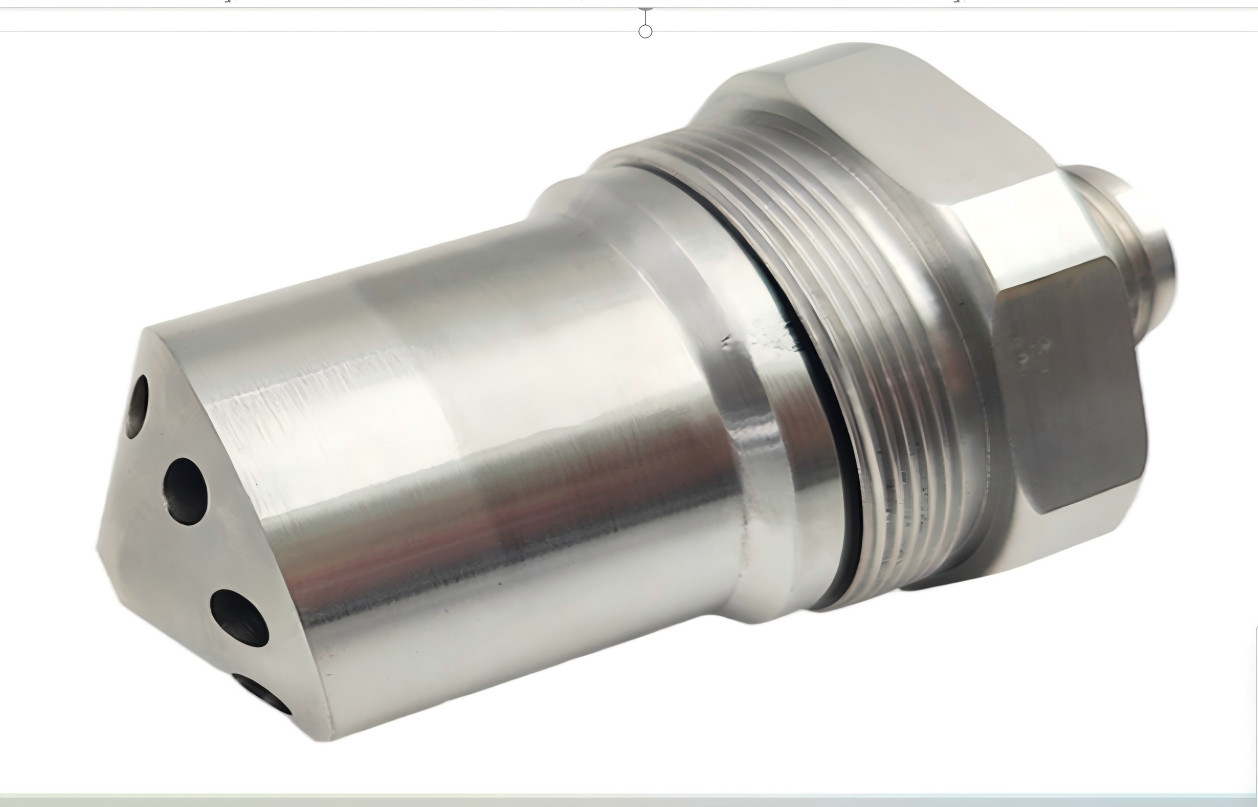
Valve internals operate in extremely demanding environments, facing:
Erosion: Caused by high-velocity or particle-laden fluids.
Corrosion: From chemically aggressive media.
Cavitation: The formation and collapse of vapor bubbles, causing surface pitting.
High-Pressure/Temperature: Leading to galling (adhesive wear) and deformation.
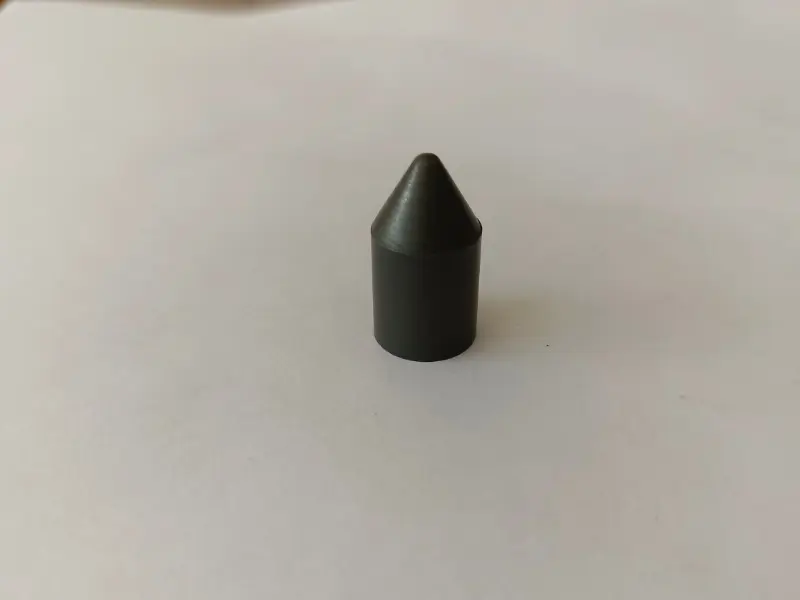
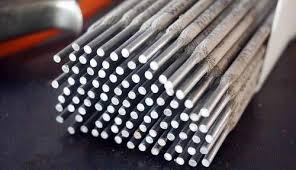
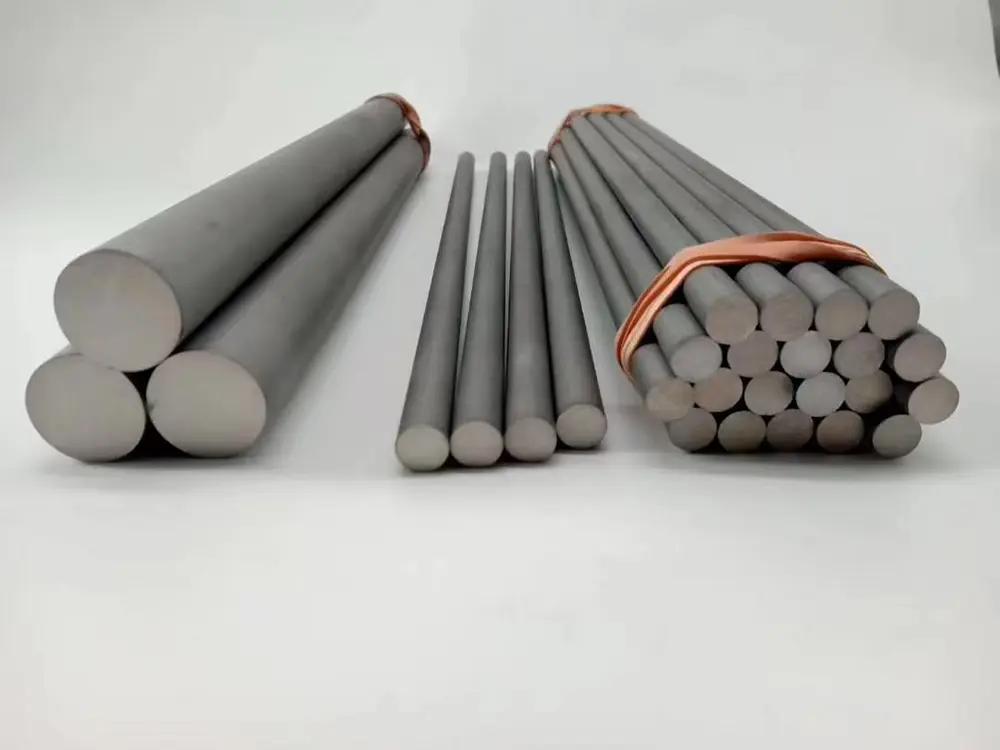
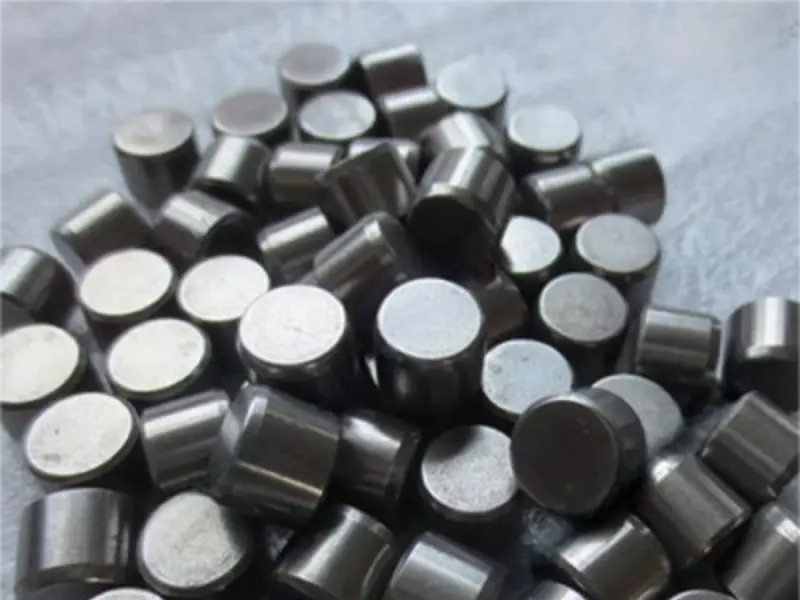
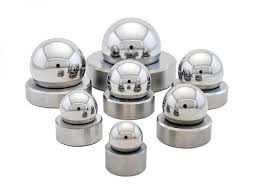
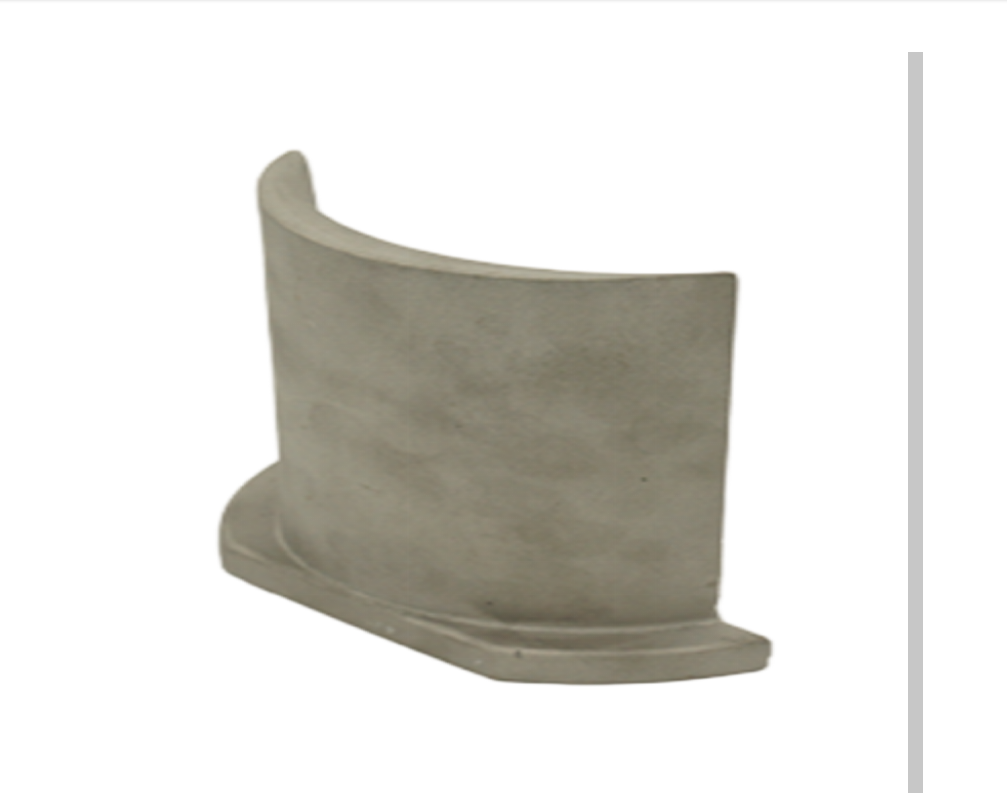
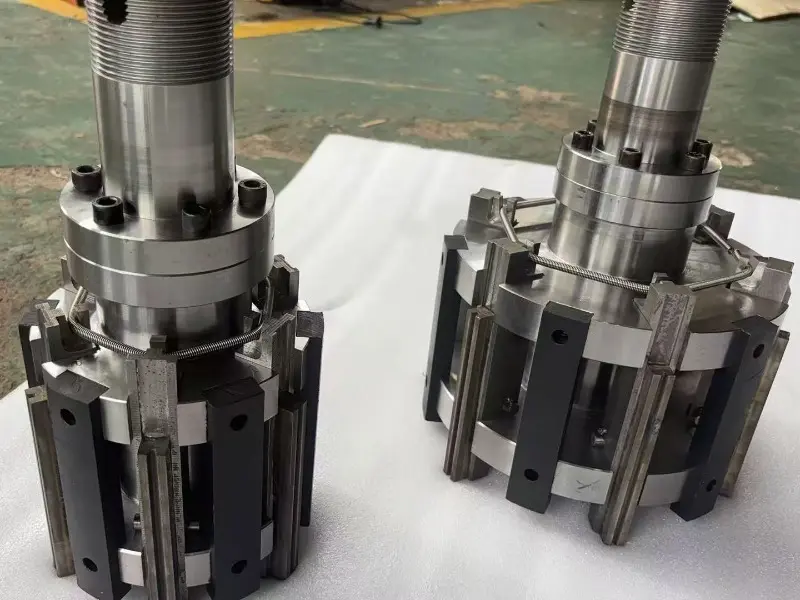
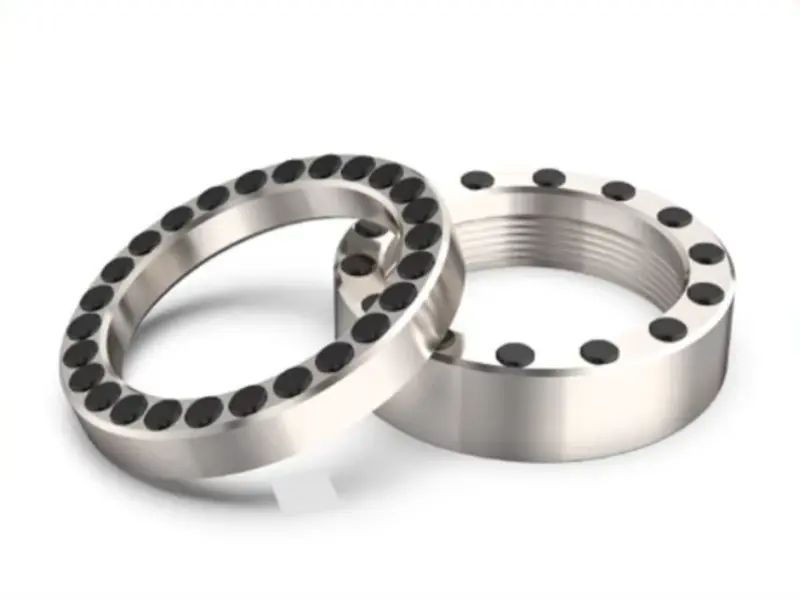
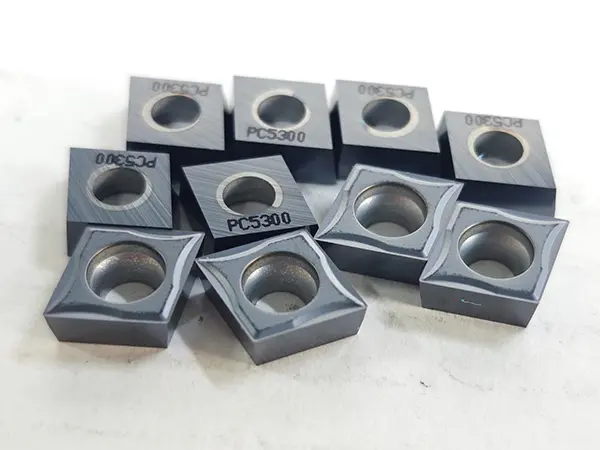
To combat these issues, valve internals are often made from or protected by advanced materials, with tungsten carbide being a top choice for the most severe services.
The following table summarizes common valve internals, their challenges, and typical material solutions:
| Component |
Function |
Common Wear Mechanisms |
Typical Material Solutions |
| Seat |
Provides a sealing surface for shut-off. |
Erosion, Cavitation, Galling, Corrosion. |
Tungsten Carbide, Stellite (Cobalt-Chrome), 316SS, Alloy 6, Ceramics. |
| Closure Member (Plug/Disc) |
Moves to open/close the flow path. |
Erosion, Cavitation, Galling, Corrosion. |
Tungsten Carbide, Stellite, 316SS, Hardened Steels. |
| Stem |
Transmits motion from actuator to closure member. |
Abrasion, Fatigue, Corrosion. |
17-4PH Stainless Steel, Nitrided Steels, Corrosion-Resistant Alloys. |
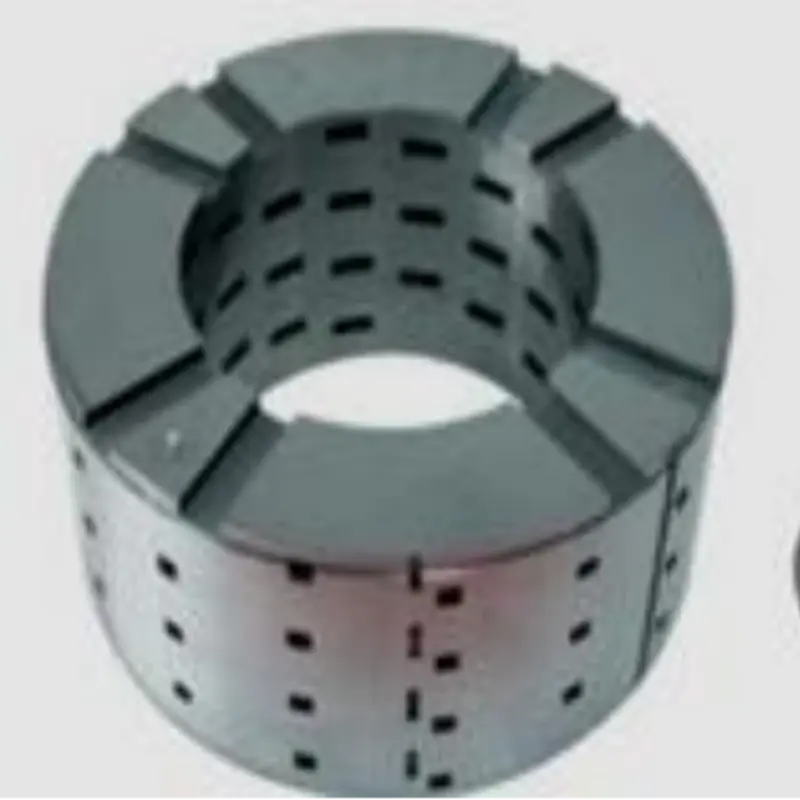
| Cage |
Guides the plug and controls flow characteristics. |
Severe Erosion, Cavitation, Noise/Vibration. |
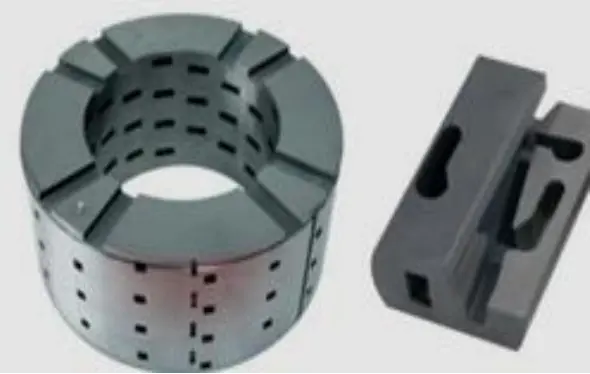
Tungsten Carbide, Stellite, 316SS, Duplex Stainless Steels. |
| Seals & Gaskets |
Prevents external and internal leakage. |
Extrusion, Chemical Degradation, Heat Aging. |
PTFE (Teflon), Grafoil, Elastomers (Viton, EPDM). |
Why Tungsten Carbide for Valve Internals?
In critical applications found in the oil & gas, power generation, and chemical processing industries, tungsten carbide is specified for trim components because of its:
Exceptional Erosion Resistance: To withstand sand and other hard particles in the fluid stream.
Outstanding Cavitation Resistance: Its hardness prevents material loss from imploding vapor bubbles.
High Compressive Strength: To resist deformation under high pressure.
Good Galling Resistance: When paired with a compatible material, it reduces the risk of seizing.
In summary, Valve Internals are the heart of the valve. Their selection, particularly the choice of wear-resistant materials like tungsten carbide for trim parts, is a critical engineering decision that directly determines the valve's performance, service life, and overall system safety in challenging operational conditions.