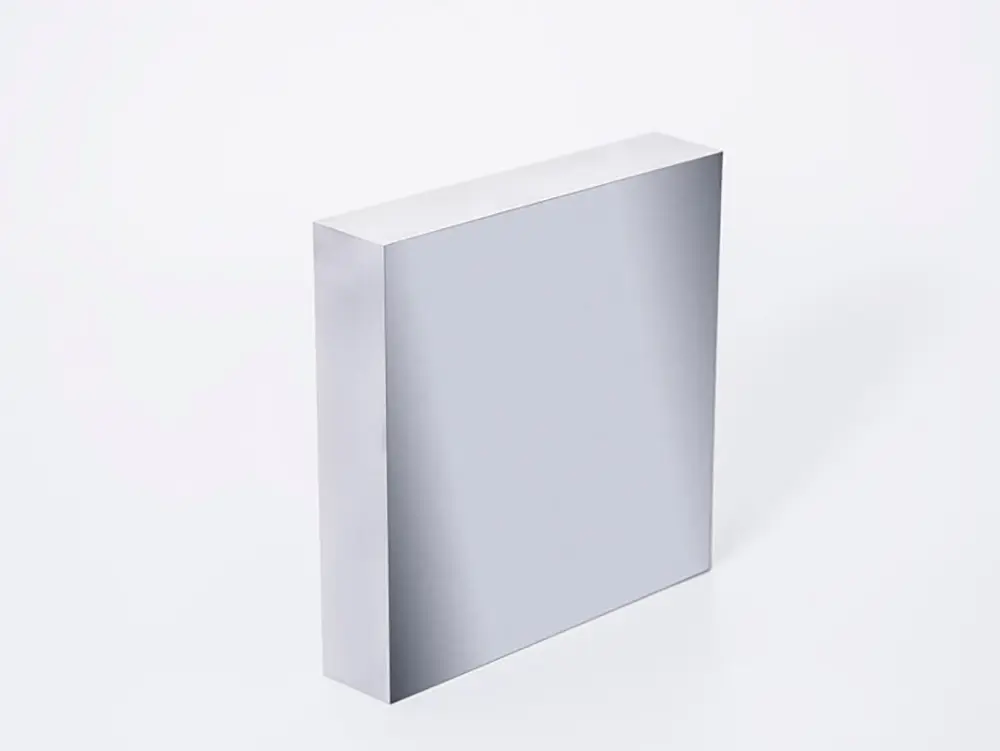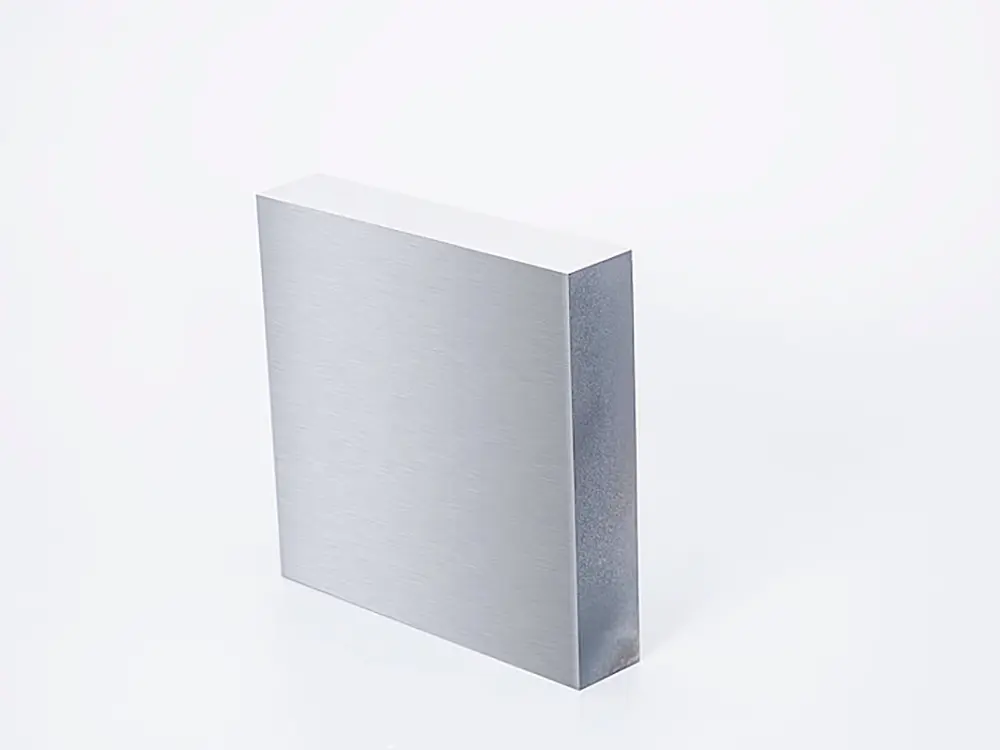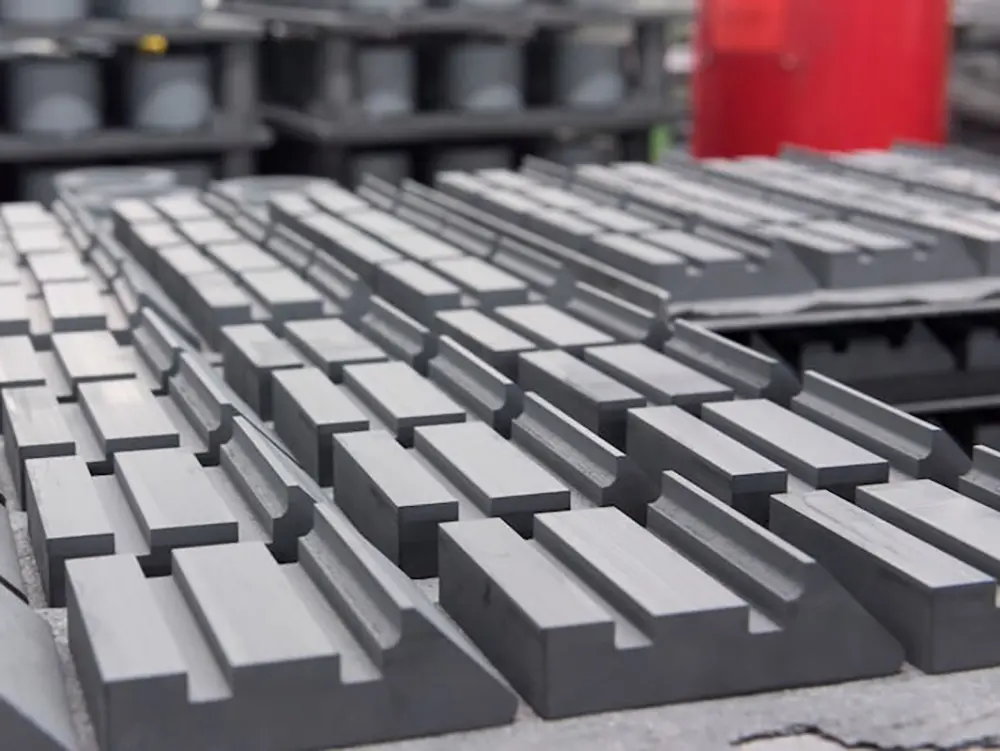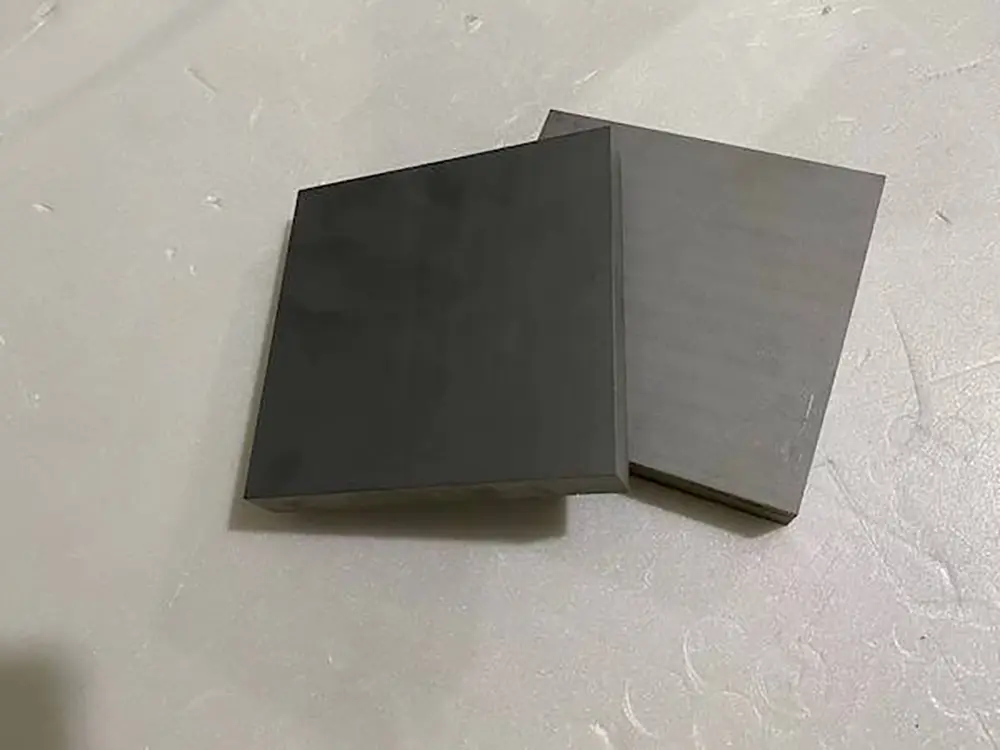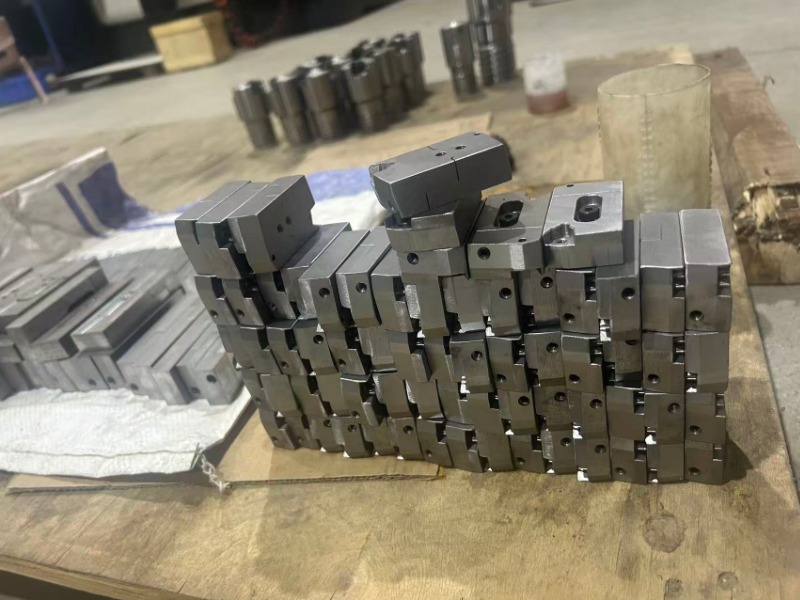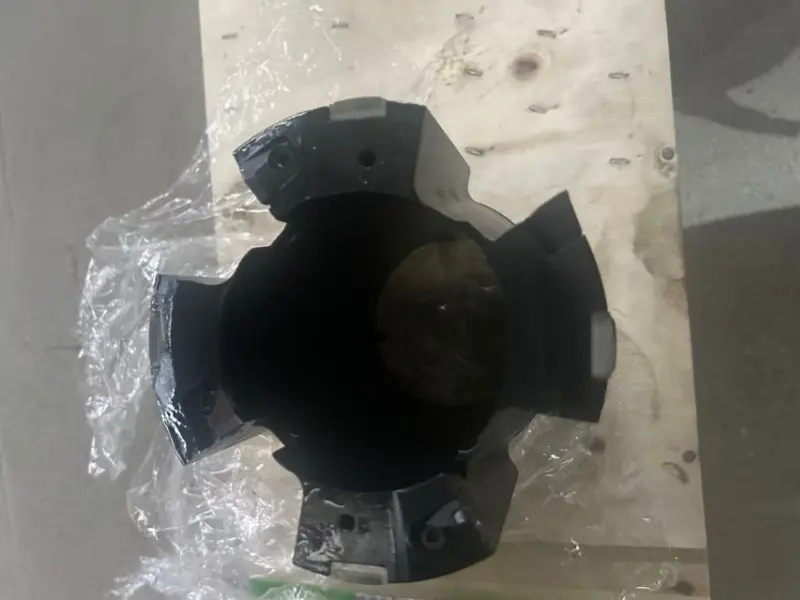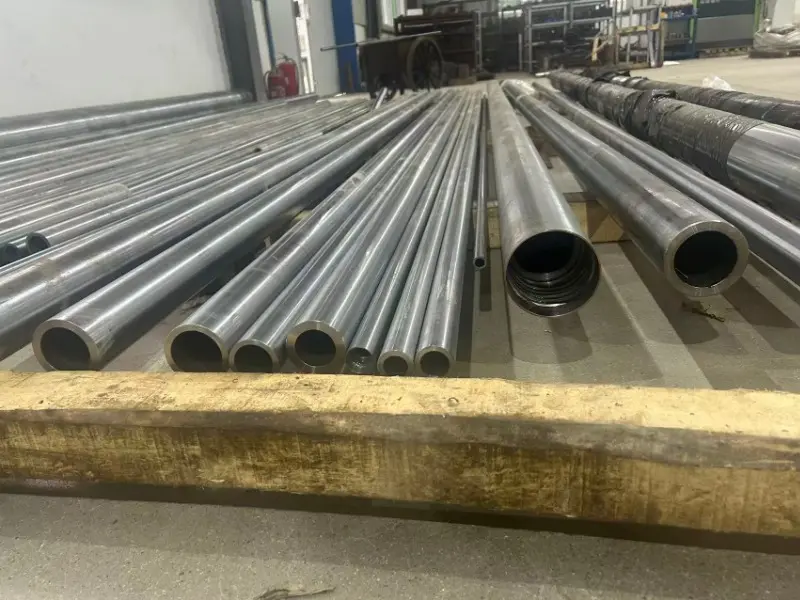


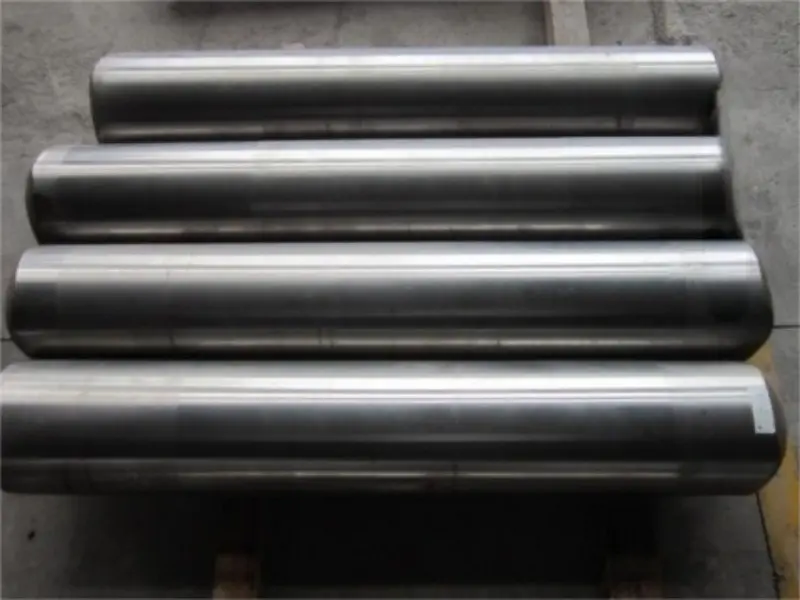
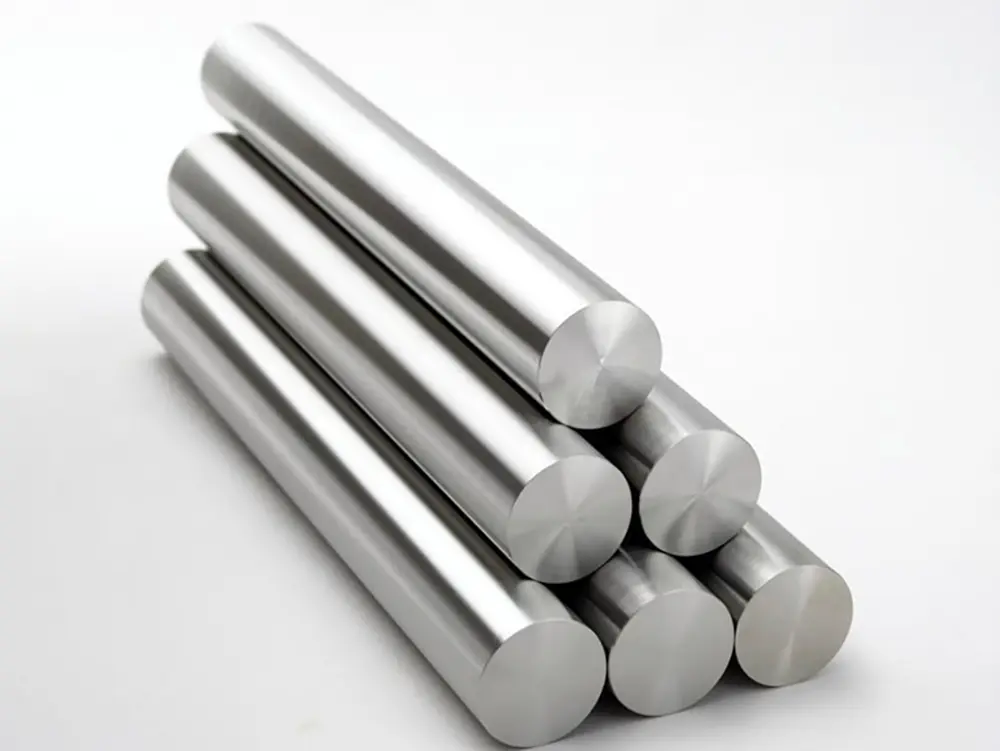
Carbide blocks, also known as tungsten carbide blocks or carbide blanks, are semi-finished, solid blocks of tungsten carbide that serve as raw materials or pre-forms for a wide range of industrial applications. They are prized for their exceptional hardness, wear resistance, and compressive strength, providing a durable base for creating critical wear parts and tools.
Exceptional Hardness & Wear Resistance: As a bulk form of tungsten carbide, these blocks offer superior resistance to abrasion, making them ideal for applications involving constant friction and material flow.
High Compressive Strength: They can withstand immense pressure without deforming, a critical property for use in heavy machinery and tooling.
Good Structural Integrity: Manufactured through powder metallurgy, they provide a uniform and dense structure suitable for further machining.
Versatility in Post-Processing: While extremely hard, they can be ground, wire-cut (by EDM), or brazed into final components with specialized equipment.
Carbide blocks are produced using powder metallurgy techniques:
Pressing: Tungsten carbide powder is mixed with a cobalt (or nickel) binder and pressed into a block form using a mold.
Sintering: The "green" block is then heated in a vacuum furnace at a temperature below its melting point. This process causes the powder particles to bond together, resulting in a dense, solid mass.
Carbide blocks are rarely used as-is. They are most commonly machined into specific components or used as wear-resistant liners.
Wear Parts & Liners: Used in chutes, hoppers, pumps, and cyclones to line surfaces exposed to highly abrasive materials (e.g., sand, ore, coal).
Tooling & Dies: Machined into forming dies, stamping dies, and drawing dies for metalworking and wire production.
Anvils & Rolls: Used in high-pressure processes like diamond synthesis (HPHT anvils) or as rolls in rolling mills.
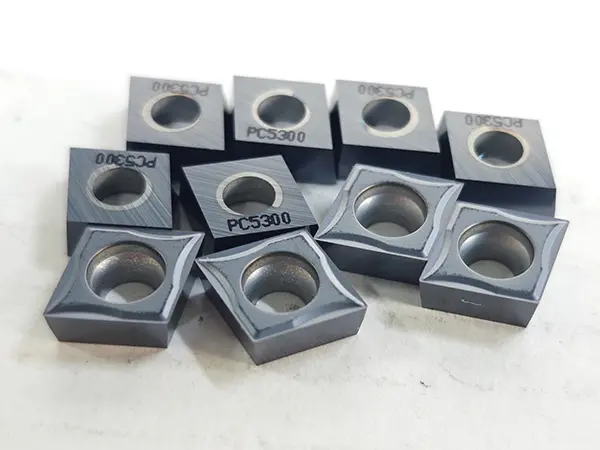
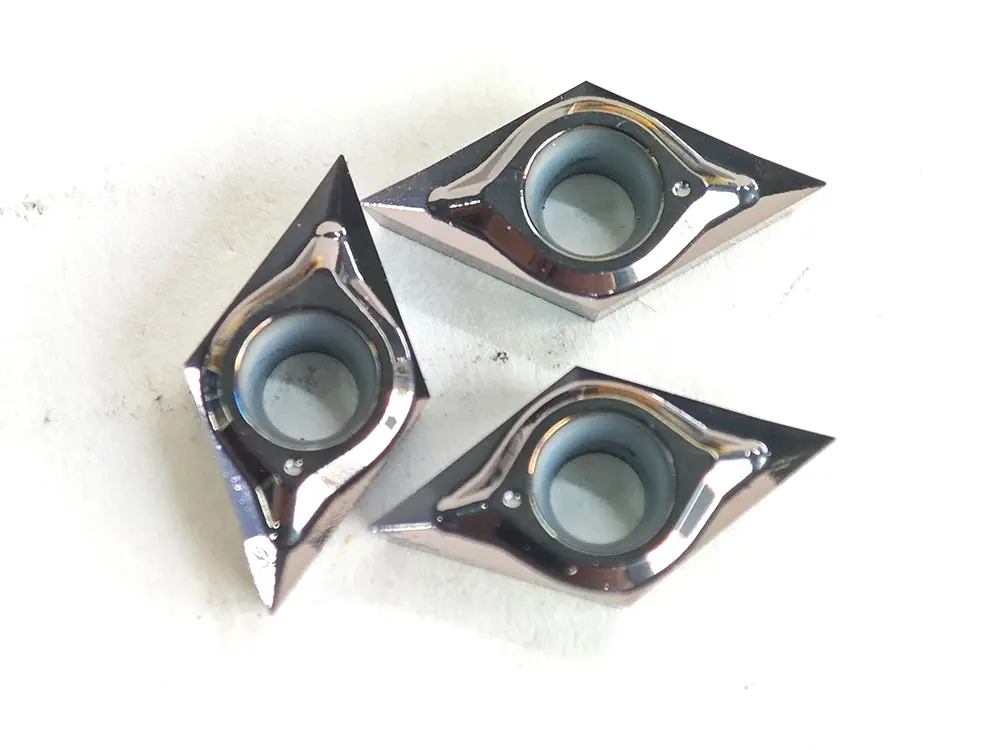
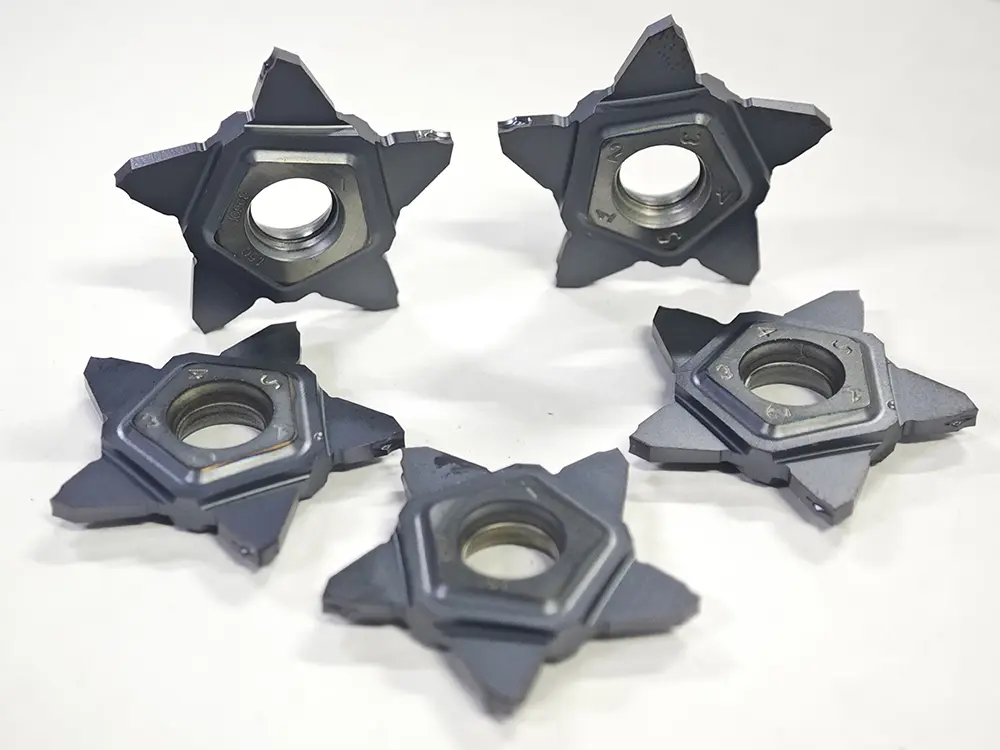
Pre-forms for Cutting Tools: Sintered blocks are cut and ground into indexable inserts, milling cutter blanks, and other custom tool geometries.
The following table summarizes the key features for a quick overview:
| Feature | Description | Advantage |
| Form | Semi-finished solid block or blank. | Serves as a versatile raw material for fabricating custom wear parts. |
| Material | Tungsten carbide with a cobalt/nickel binder. | Provides bulk hardness, wear resistance, and strength. |
| Manufacturing | Powder pressing and sintering. | Creates a dense, uniform, and high-performance material structure. |
| Core Value | Durability and Customization. | Can be machined into complex, long-lasting components for extreme conditions. |
| Key Benefit | Extended Service Life in Abrasive Environments. | Protects machinery and reduces downtime by providing a superior wear surface. |
| Common Applications | Abrasion-resistant liners, tooling dies, anvils, pre-forms for tools. | The foundational material for creating heavy-duty industrial components. |
In summary, Carbide Blocks are the fundamental building blocks of durability in many industries. They offer engineers and designers a robust, high-performance material that can be customized into virtually any shape to solve severe wear problems, ultimately enhancing the longevity and reliability of industrial equipment.
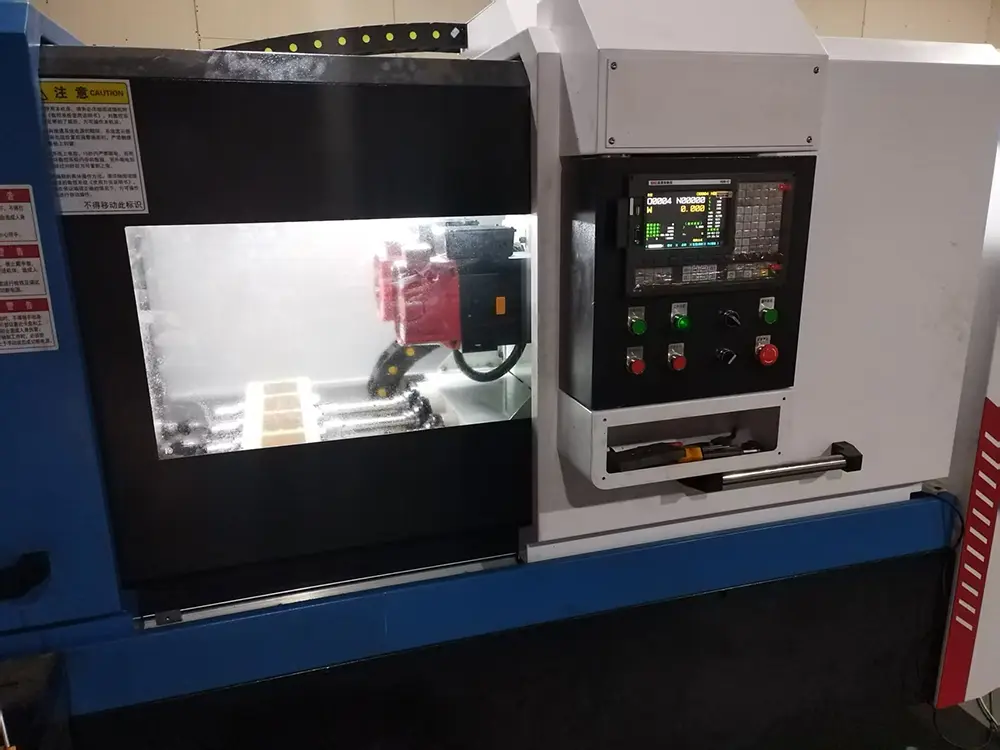
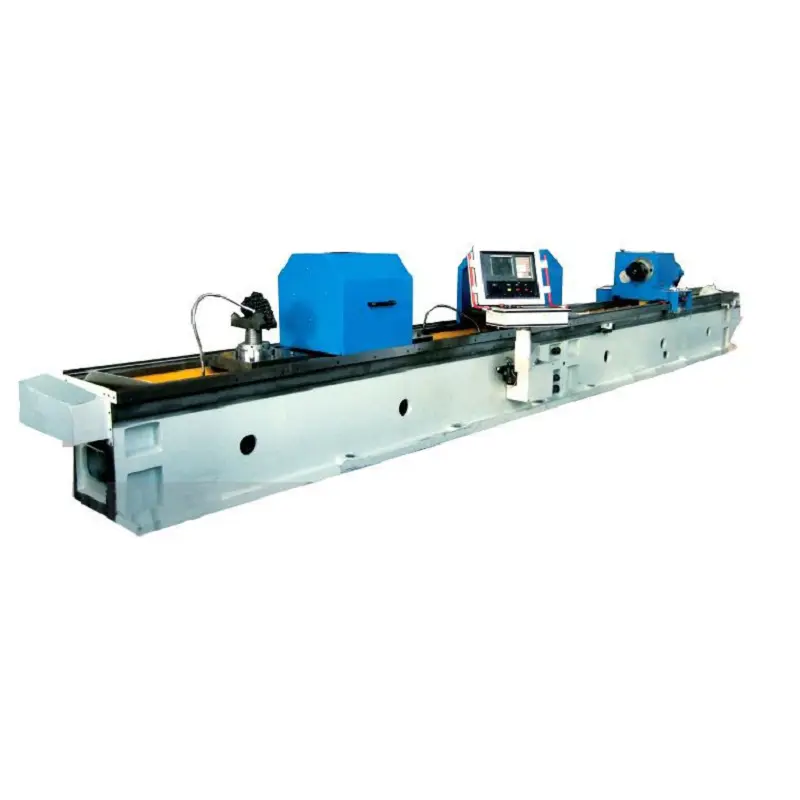
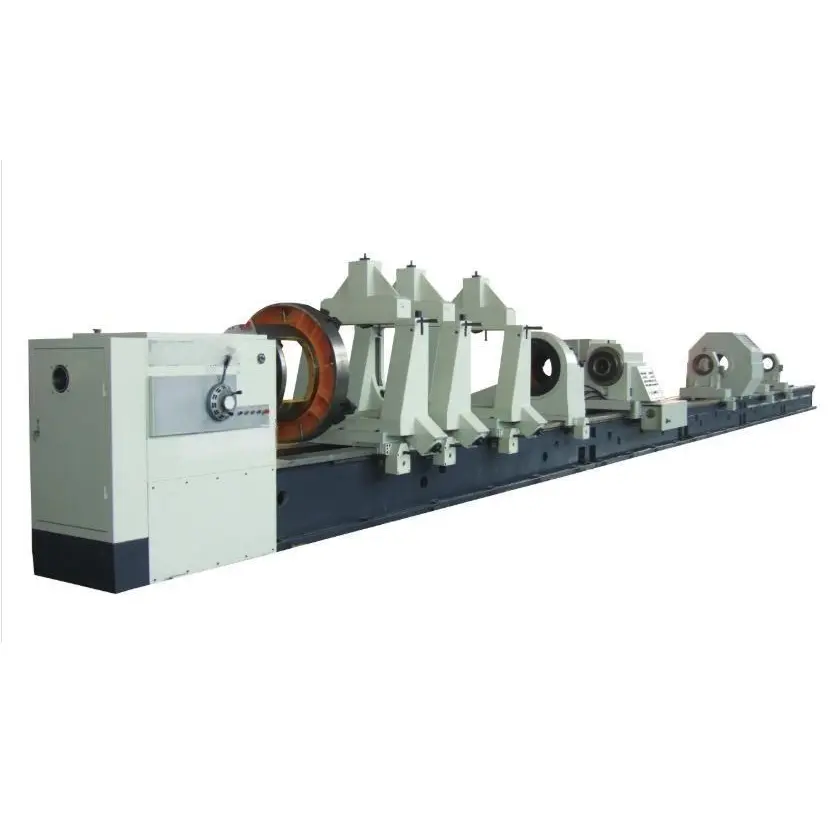
Four Axis CNC Deep Hole Gun Drilling Machine is used for processing automobiles, motorcycles, oil pump, nozzle, engineering machinery, mining machinery, military industry and other industries, small and medium-sized deep hole axial workpiece of special equipment.
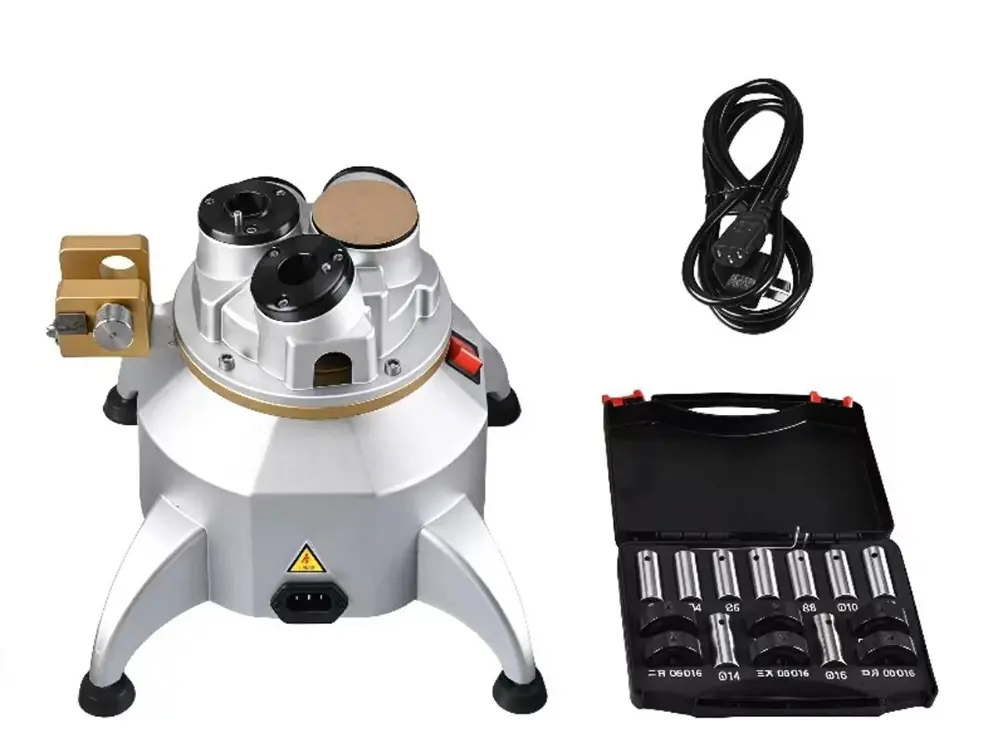
Parameter Model×3 is a portable knife sharpener that can grind 2-blade,3-blade, and 4...
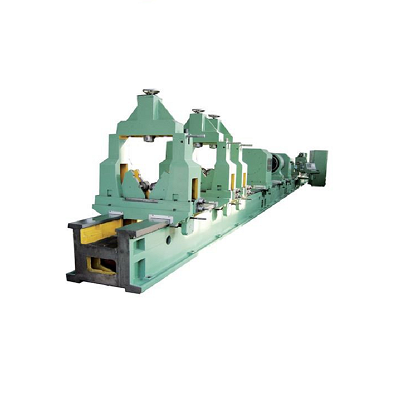
2M2150 deephole honing machine is ideal equipment for deephole machining with high accuracy and high efficiency.This machine is matde with SIEMENS or FANUC CNC system.AC servo motor,honing box adopt stepless speed,and it also mated with Germany ATLANTA high accuracy racks and gears to realize the reciprocating of honing head and it can control the honing position too.This machine is matde with linear guide way and it have service life and high accuracy.
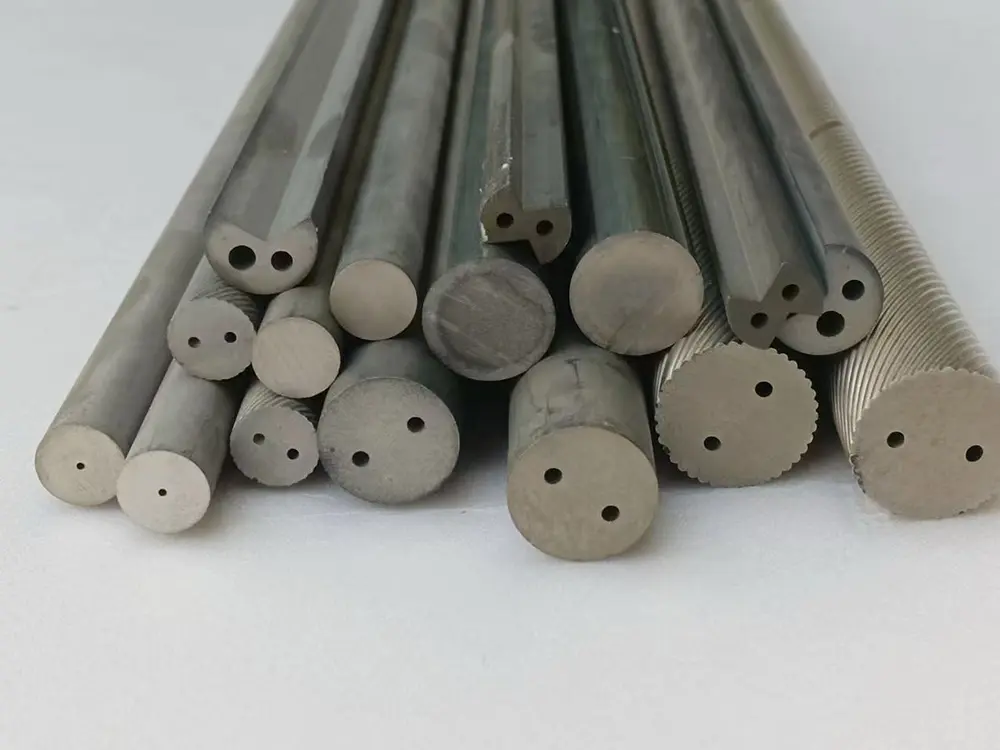
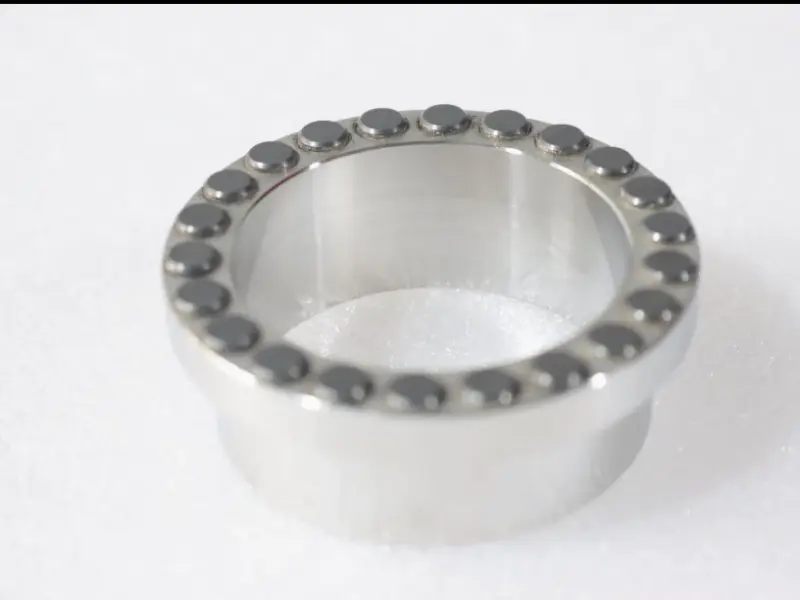
Threaded carbide rod with holes are mainly used for processing tungsten parts or as a tool bit of processing lathe, conductors, steel-making burdening and additives.
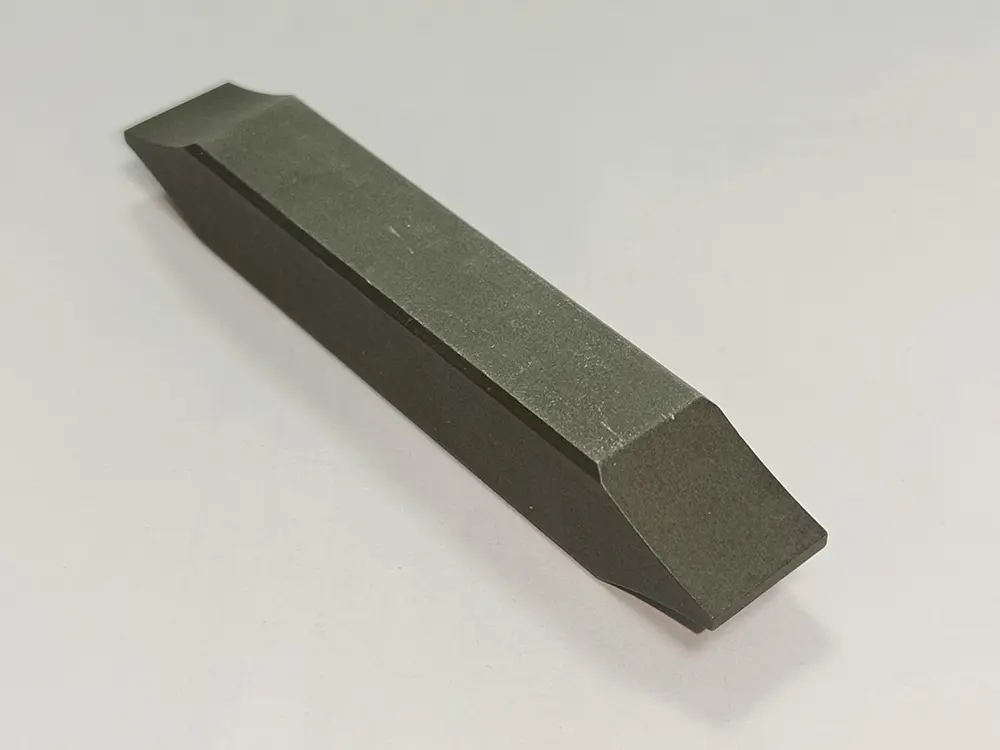
The CD Texture Cutter (Diamond Turning Tool) is a precision cutting tool made of high-quality diamond or cemented carbide substrate with diamond coating. It is mainly used to process uniform and high-gloss CD textures (concentric circular textures) on the surface of metal, composite materials and other workpieces. Widely applied in electronic equipment casings, decorative parts, precision mechanical components and other fields, it features high cutting precision, strong wear resistance and excellent processing surface quality.
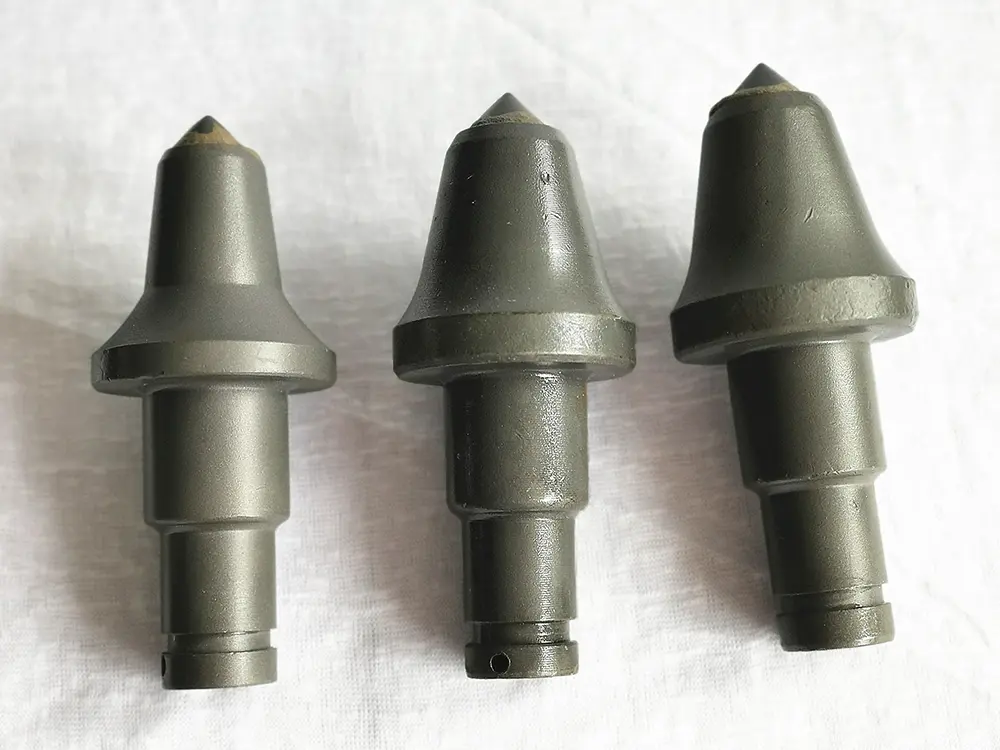
Coal Picks, also known as miner picks, conical picks, or rock picks, are essential cutting tools used in the mining and tunneling industries. They are specifically designed to fracture and excavate materials like coal, soft rock, and other minerals by being mounted on rotating drums of continuous miners, roadheaders, and shearers. Their primary function is to act as the point of attack, transferring the machine’s power into concentrated impact and shear force to break the material.
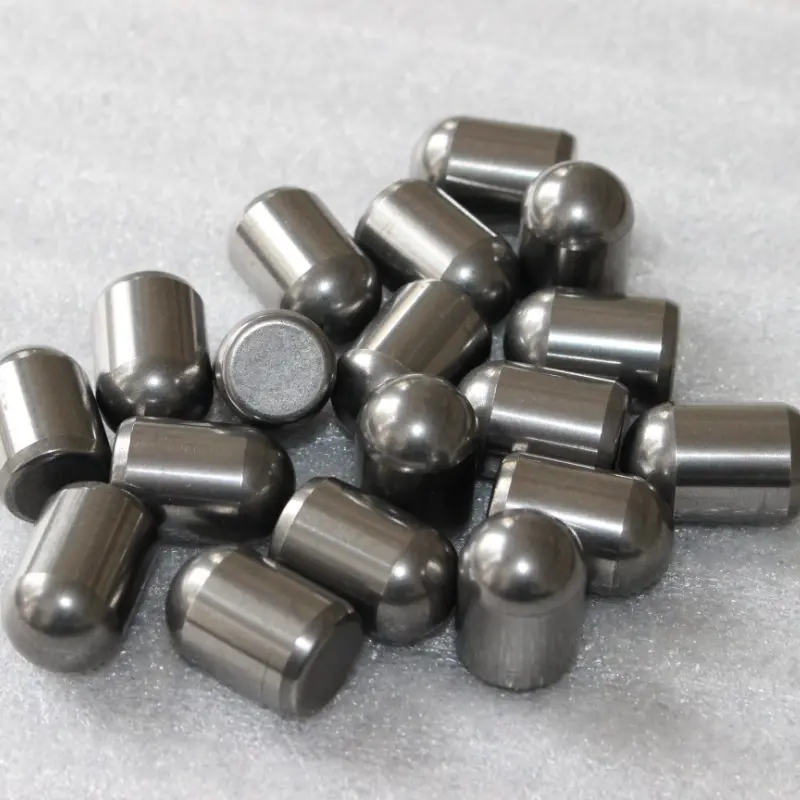
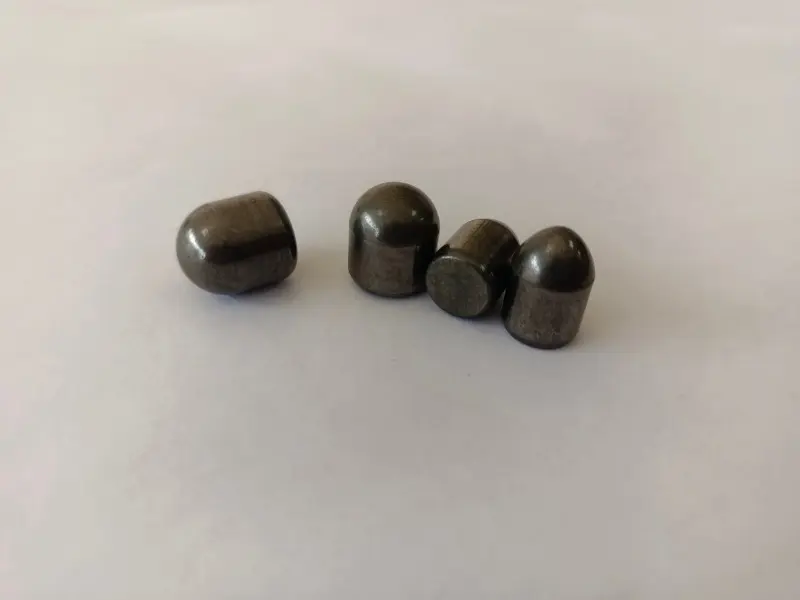
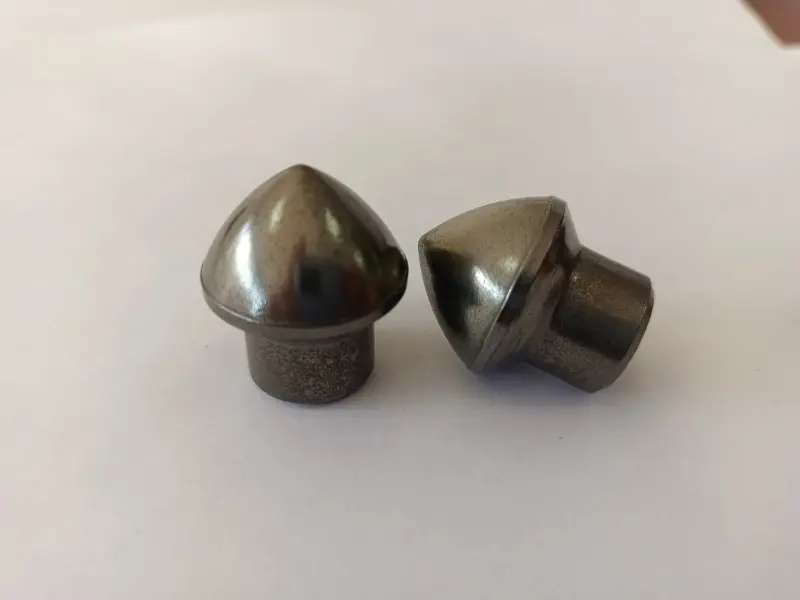
Cemented carbide mushroom-shaped ball tooth is named for its mushroom-like shape. It is an efficient crushing tool component made of cemented carbide material. The head is round and thick, with excellent impact resistance and wear resistance. It is mainly used in crushers, impact drills, roadheaders and other equipment. Suitable for crushing hard materials such as rocks, ores and concrete, it has high crushing efficiency and long service life.
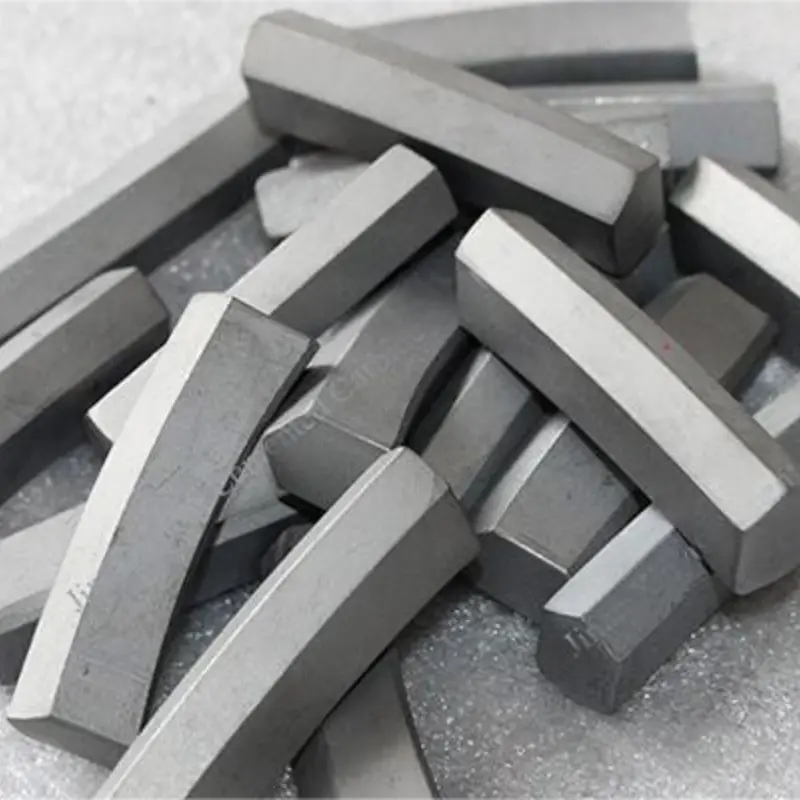
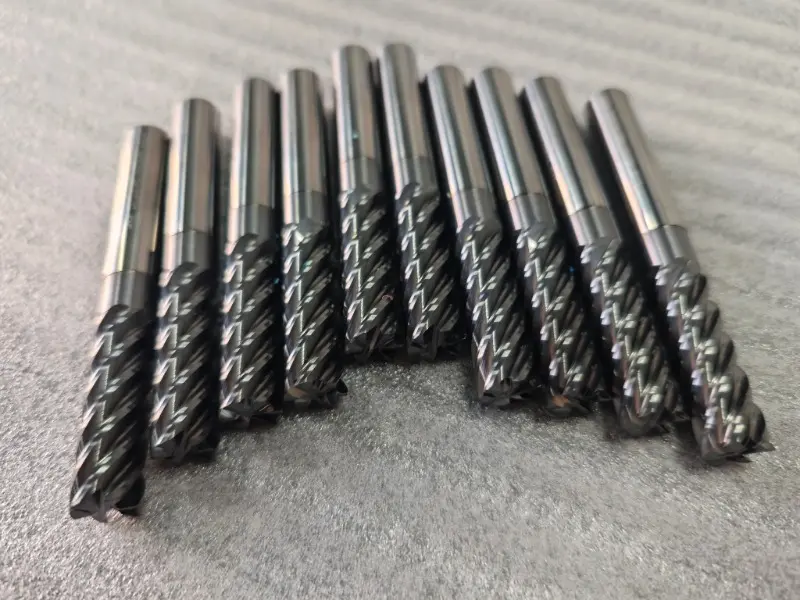
Carbide drill bits are high-performance cutting tools designed for drilling into hard, abrasive, or challenging materials. They are distinguished by their cutting edges or tips, which are made from tungsten carbide, a composite material known for its superior hardness and wear resistance compared to standard high-speed steel (HSS).
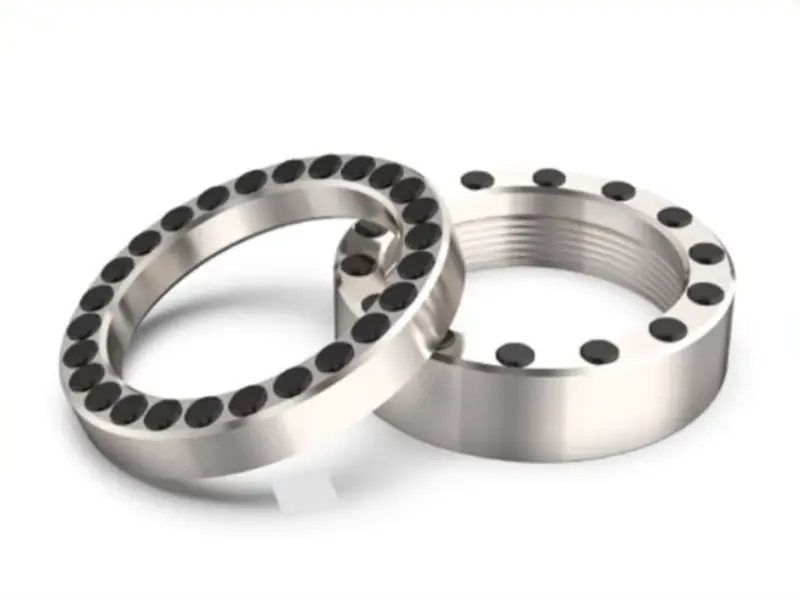
Solving the problem of long service life for core components, improving efficiency and profitability! Service areas: Screw motors, rotary steerable systems, downhole drilling tools, etc.
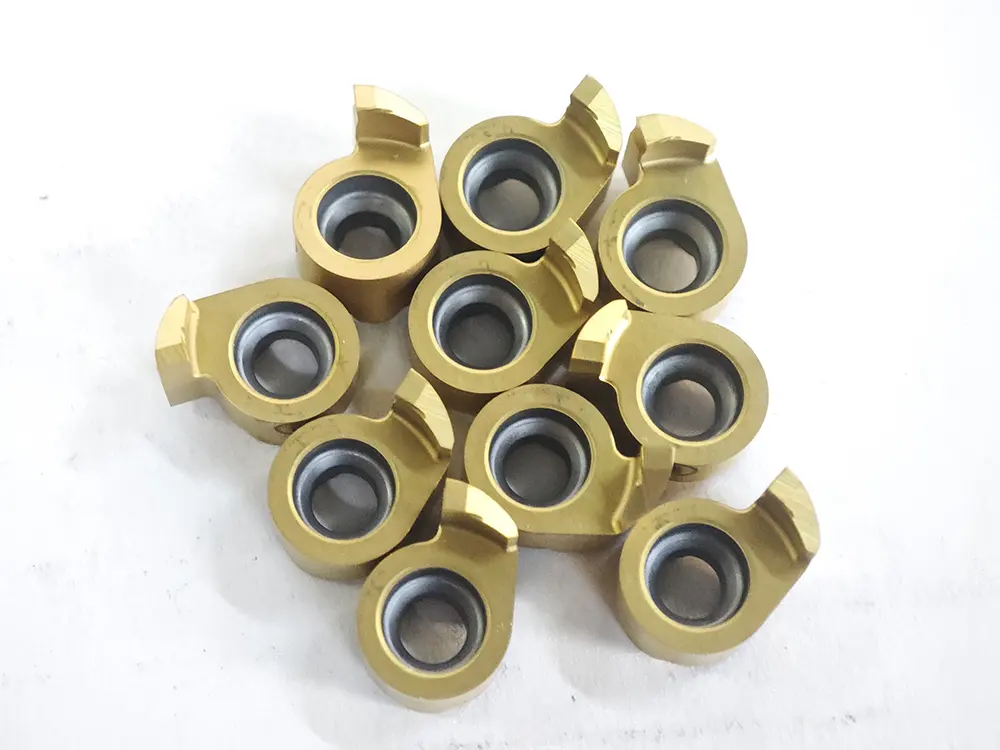
Comma face grooving cutters (also known as comma grooving cutters or face comma cutters) are spec...
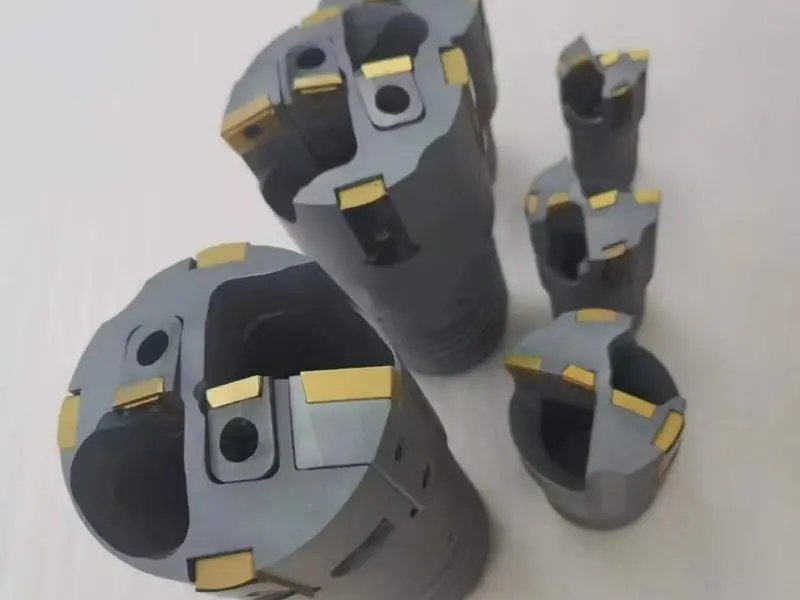
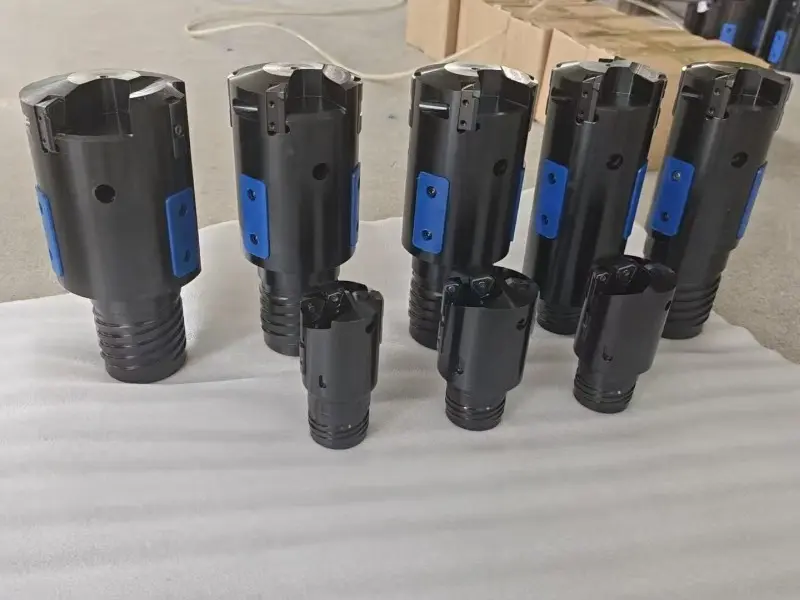
• High quality Sandvick insert and pad • Dia 25mm—65mm,first choose of high efficiency. • Excellent straightness and surface finish.It can maintain good chip removal performance • during the processing of stainless steel and low carbon steel,to keep continuous production. • Easy to install and to use
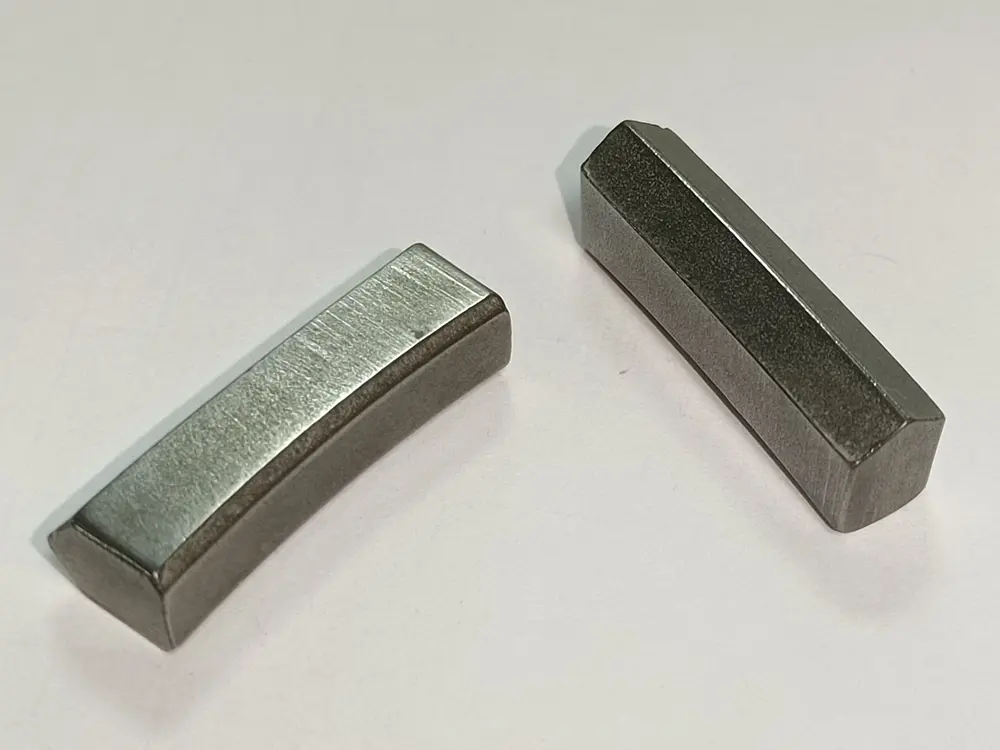
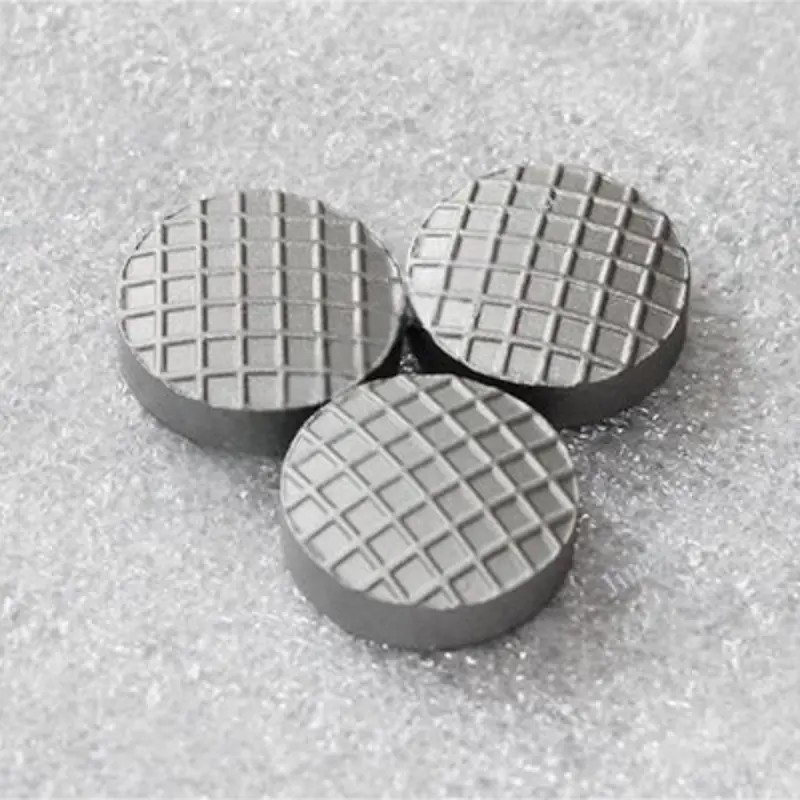
The cemented carbide wear-resistant block for the geology and mining field is a block-shaped cemented carbide component designed for high-wear scenarios in geological and mining operations. It boasts extremely high hardness, wear resistance and impact toughness. It can be directly installed on the wear contact surfaces of mining equipment (such as crusher liners, excavator bucket teeth, scraper conveyor guides, etc.), which can significantly reduce equipment wear, improve operating efficiency, and adapt to harsh working conditions such as rock crushing and ore transportation.
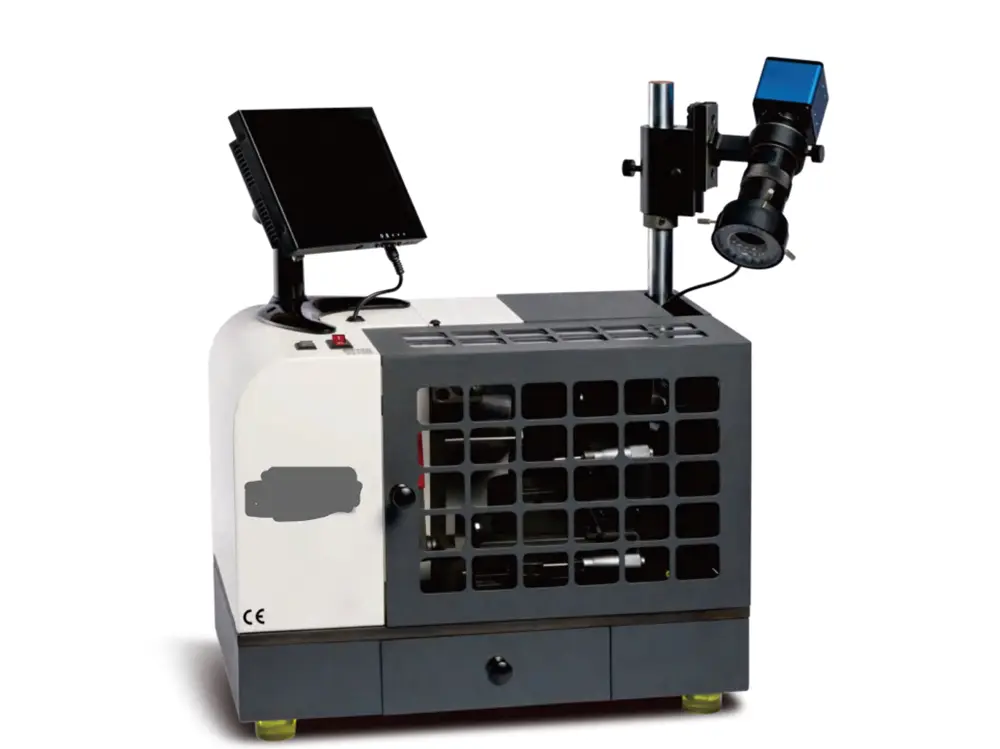
Parameter ■This machine is portable, accurate, and durable, equipped witha diamond gr...