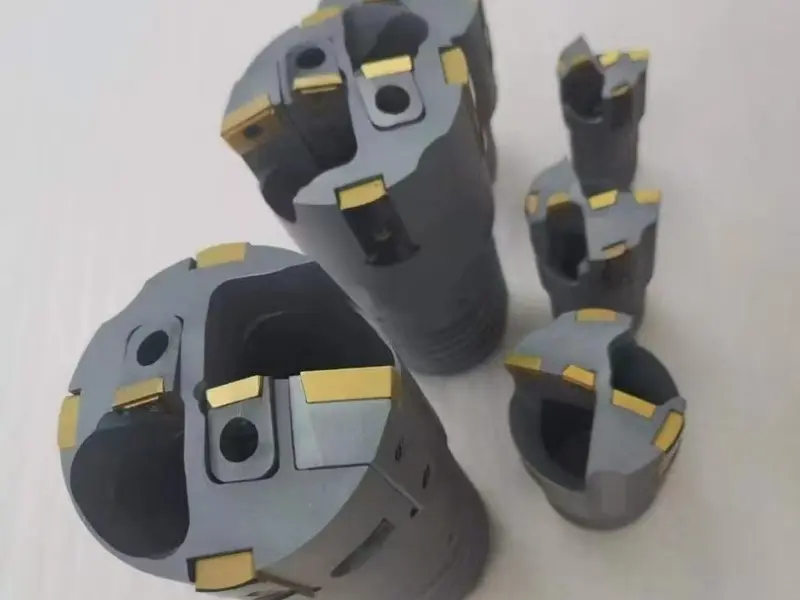
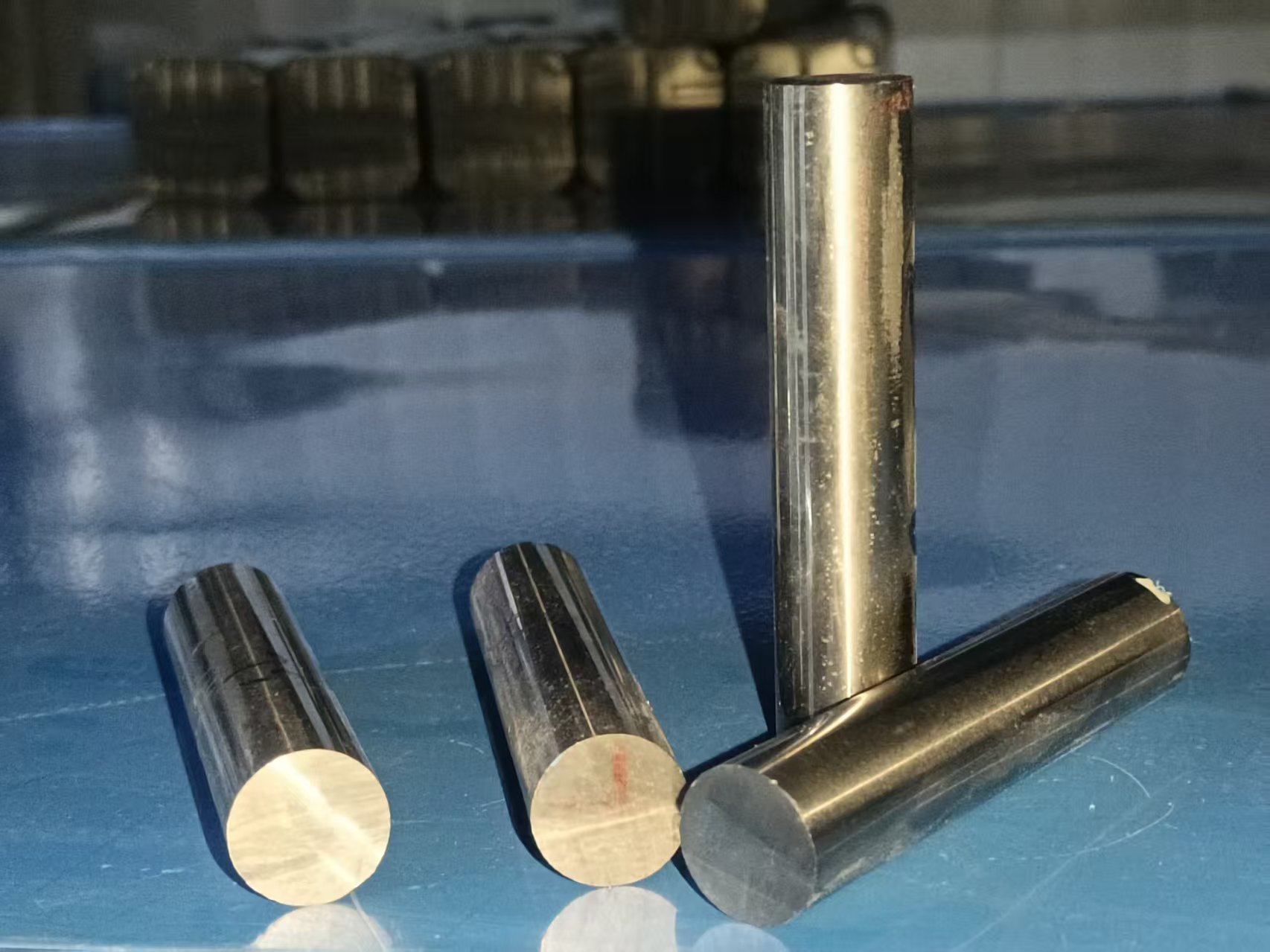
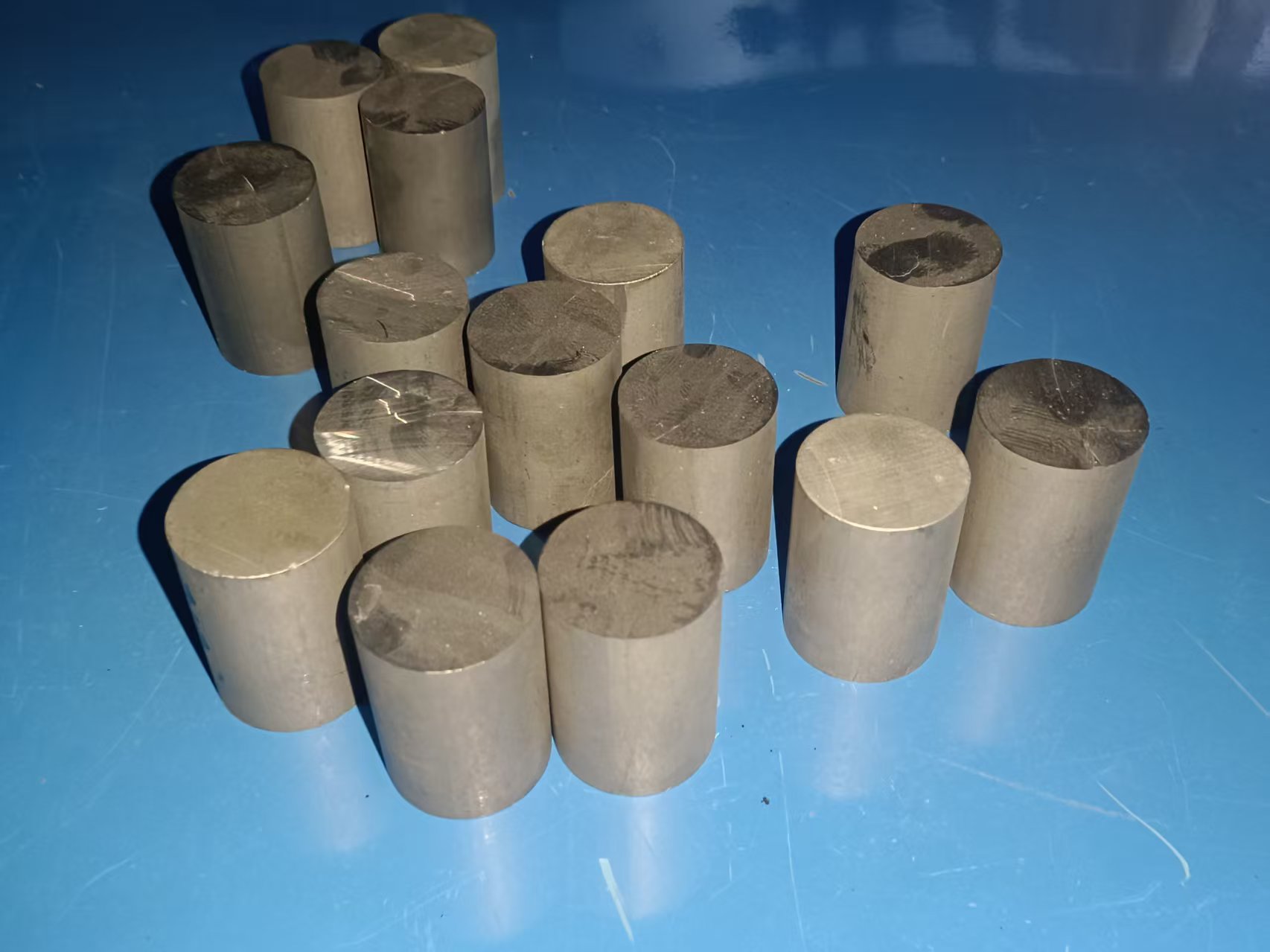
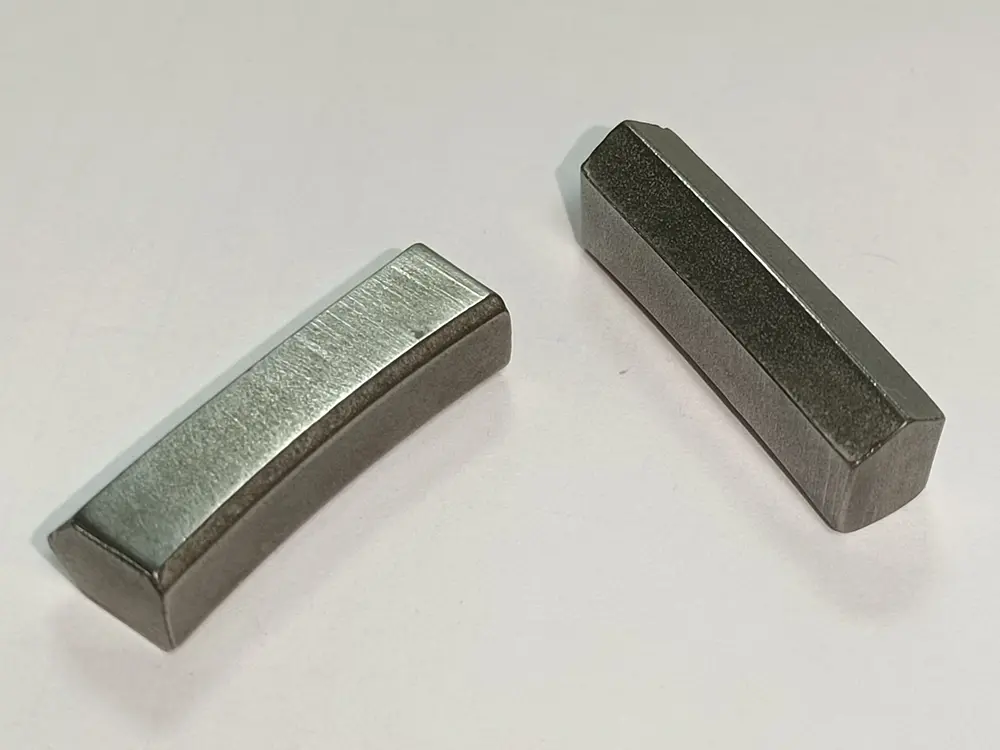
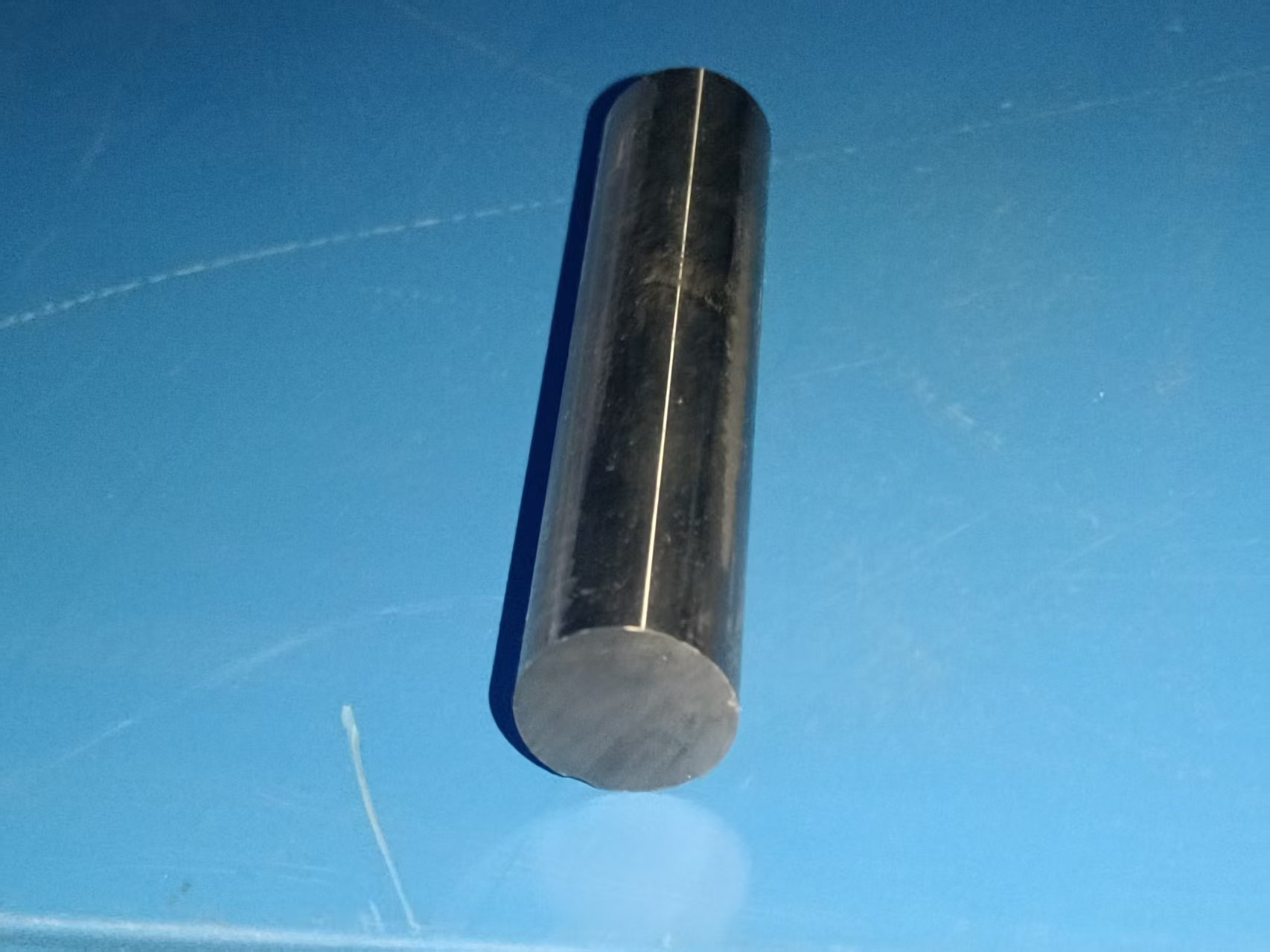
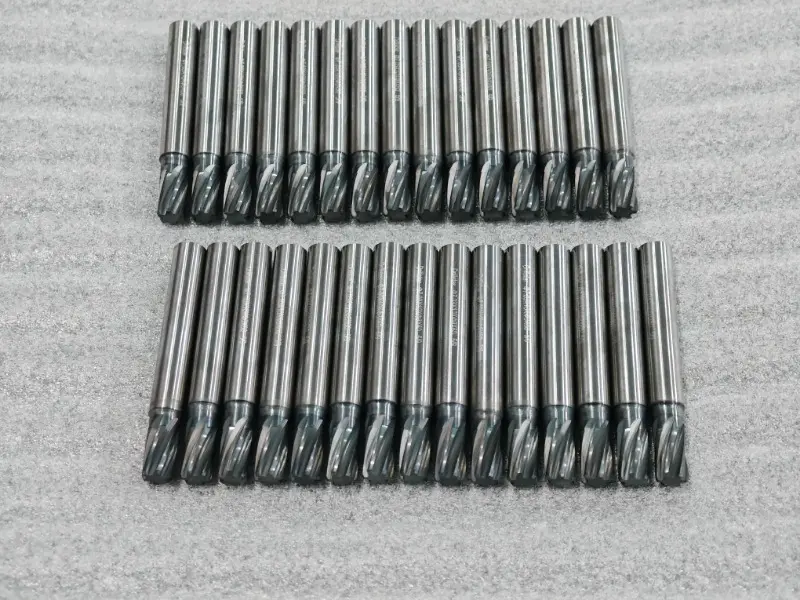
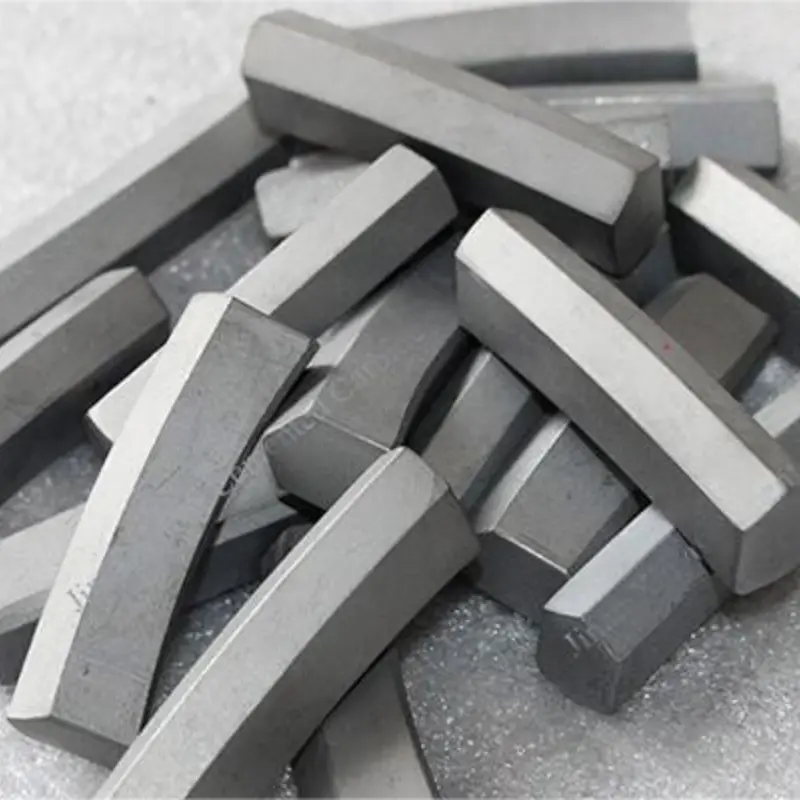
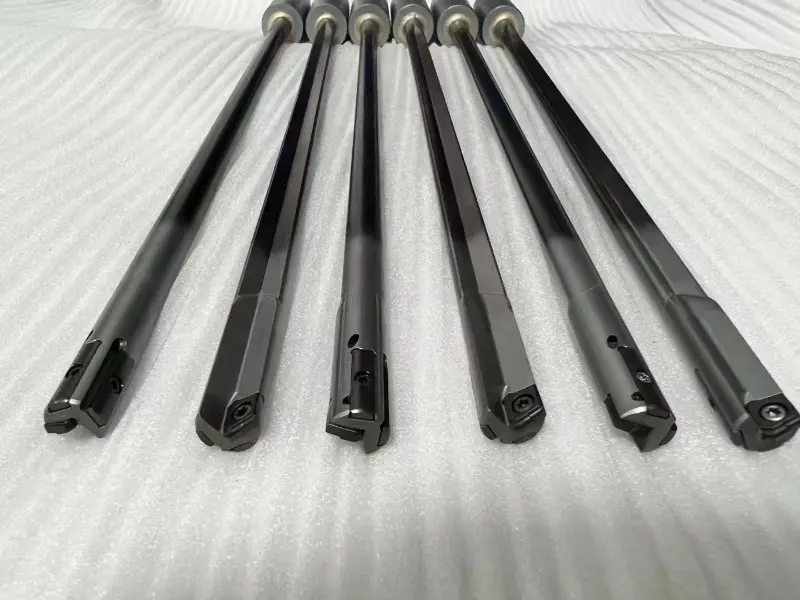
This is a Deep Hole Honing Tool (also known as a Mandrel Honing Tool), a precision finishing tool designed for internal surface refinement of deep holes with high depth-to-diameter ratios. It is ideal for achieving ultra-smooth surfaces and tight dimensional tolerances in industries like aerospace, hydraulics, and mold manufacturing.
Core Function & Working Principle
- Precision Finishing: The abrasive stones (yellow segments) mounted on the expandable mandrel remove minute amounts of material, correcting minor geometric errors (e.g., taper, out-of-roundness) left by prior drilling or boring operations.
- Expandable Design: As the tool rotates and reciprocates, the mandrel expands radially, applying consistent pressure between the abrasive stones and the hole wall. This ensures uniform material removal across the entire hole depth.
- Deep Hole Adaptability: Its slender, rigid construction minimizes deflection during long-stroke honing, making it suitable for holes with depth-to-diameter ratios > 20:1.
Key Structure & Materials
| Component |
Function |
Material/Features |
| Abrasive Stones |
The cutting medium that refines the bore surface. |
Resin-bonded diamond or CBN; grit sizes typically 120–800# for finishing. The yellow color indicates a resin bond for high surface quality. |
| Mandrel Body |
Supports the abrasive stones and transmits expansion force. |
High-strength alloy steel (42CrMo), heat-treated for rigidity and fatigue resistance. |
| Expansion Mechanism |
Controls radial expansion of the stones; may be mechanical, hydraulic, or pneumatic. |
Precision-ground tapered sleeve or wedge block for smooth, repeatable expansion. |
| Drive Shank |
Connects the tool to the honing machine spindle. |
Alloy steel, with a precision-fit interface (e.g., Morse taper or cylindrical shank) to ensure concentricity. |
Technical Parameters (Based on the Model Shown)
| Parameter |
Specification |
Notes |
| Working Diameter Range |
30–35 mm |
As marked on the tool body: “珩磨头 – 30-35”. |
| Abrasive Stone Size |
Typically 10–15 mm width, 5–8 mm thickness |
Customizable based on hole depth and material. |
| Expansion Stroke |
2–5 mm |
Determines the maximum diameter adjustment. |
| Recommended Surface Finish |
Ra 0.1–0.8 μm |
Achievable with fine-grit abrasives. |
| Honing Speed |
30–80 m/min (circumferential), 10–30 m/min (reciprocating) |
Adjust based on workpiece material and desired finish. |
| Coolant |
Water-soluble emulsion or neat oil |
Essential for chip evacuation and heat dissipation. |
Application Scenarios & Selection Guide
- Primary Applications:
- Hydraulic cylinder bores, fuel injector nozzles, and gun barrels requiring mirror finishes.
- Mold guide pins and precision bearing holes needing tight tolerance (IT6–IT7).
- Deep holes in stainless steel, titanium, and heat-resistant alloys where conventional reaming is ineffective.
- Selection Criteria:
- Abrasive Type: Diamond for hard materials (≥ HRC 45), CBN for ferrous metals, and silicon carbide for general-purpose use.
- Grit Size: 120–240# for rough honing, 320–600# for semi-finishing, 800# and above for super-finishing.
- Stone Bond: Resin bond for heat-sensitive materials, metal bond for heavy stock removal.
Advantages & Maintenance
- Core Advantages:
- Delivers superior surface finish and dimensional accuracy compared to reaming or grinding.
- Self-compensates for minor tool deflection, ensuring straightness in deep holes.
- Modular design allows quick replacement of abrasive stones, reducing downtime.
- Maintenance Tips:
- Clean the expansion mechanism and abrasive stones after each use to prevent clogging.
- Inspect stone wear regularly; replace when stones are worn to 70% of their original height.
- Use filtered coolant (≤ 10 μm) to avoid scratching the workpiece surface.