



Cobalt-based superalloys are a class of high-performance metallic materials designed to maintain exceptional mechanical strength, surface stability, and corrosion resistance at extremely high temperatures, often exceeding those where nickel-based superalloys begin to weaken. They are a cornerstone material for critical components in the most demanding environments, particularly in aerospace, industrial gas turbines, and medical implants.
Their superior performance stems from a strengthened cobalt-chromium matrix and a high volume of hard, refractory carbide particles.
Exceptional High-Temperature Strength: Cobalt alloys exhibit higher melting points and better hot hardness and creep resistance than nickel alloys at temperatures above 1000°C (1832°F). This means they resist softening and deformation under stress at near-melting-point temperatures.
Outstanding Wear & Galling Resistance: Their inherent hardness, often enhanced by a network of hard carbides, provides excellent resistance to abrasive wear, adhesive wear (galling), and fretting. This makes them ideal for wear-facing applications.
Excellent Hot Corrosion & Oxidation Resistance: The high chromium content (often over 20%) forms a protective, adherent chromium oxide (Cr₂O₃) scale that resists degradation in oxidizing and sulfidizing atmospheres.
Superior Thermal Fatigue Resistance: They can withstand repeated cycles of heating and cooling without cracking, a critical property for components like turbine vanes.
The performance of cobalt superalloys is derived from several key mechanisms:
Solid-Solution Strengthening: Elements like tungsten (W) and molybdenum (Mo) dissolve in the cobalt matrix, impeding dislocation movement.
Carbide Precipitation: The formation of hard carbides (e.g., Cr₇C₃, Cr₂₃C₆, WC, TaC) throughout the microstructure provides immense resistance to creep and wear. The size, type, and distribution of these carbides are critical to performance.
The Cobalt Allotropy: Cobalt undergoes a phase transformation upon heating, and this characteristic is exploited to enhance properties through heat treatment and thermo-mechanical processing.
Cobalt-based superalloys are indispensable in applications where failure is not an option.
Aerospace & Power Generation Turbines: Used for stationary components like:
Turbine Vanes & Nozzle Guide Vanes: Where the highest gas temperatures are encountered and creep resistance is paramount.
Industrial Wear Components: The basis for Stellite™ alloys, used for:
Valve Seats & Trim in high-pressure, high-temperature valves.
Hardfacing Wires & Rods to coat critical wear surfaces on tools and machinery.
Pump Sleeves, Shafts, and Cutting Knives.
Medical Implants: Used in orthopedic implants (especially for metal-on-metal bearing surfaces) due to their excellent biocompatibility, wear resistance, and corrosion resistance in the human body.
The following table summarizes the key features for a quick overview:
| Feature | Description | Advantage |
| Base Element | Cobalt (Co), with a high Chromium (Cr) content. | Provides the fundamental matrix for high-temperature performance and corrosion resistance. |
| Key Strengtheners | Tungsten (W), Molybdenum (Mo), and Carbon (C) for carbide formation. | Imparts high-temperature strength, creep resistance, and wear resistance. |
| Operating Temperature | Very high, excelling above 1000°C (1832°F). | Enables higher engine efficiencies and performance in extreme environments. |
| Key Properties | Hot Hardness, Creep Resistance, Wear & Corrosion Resistance. | A unique combination for the most severe service conditions. |
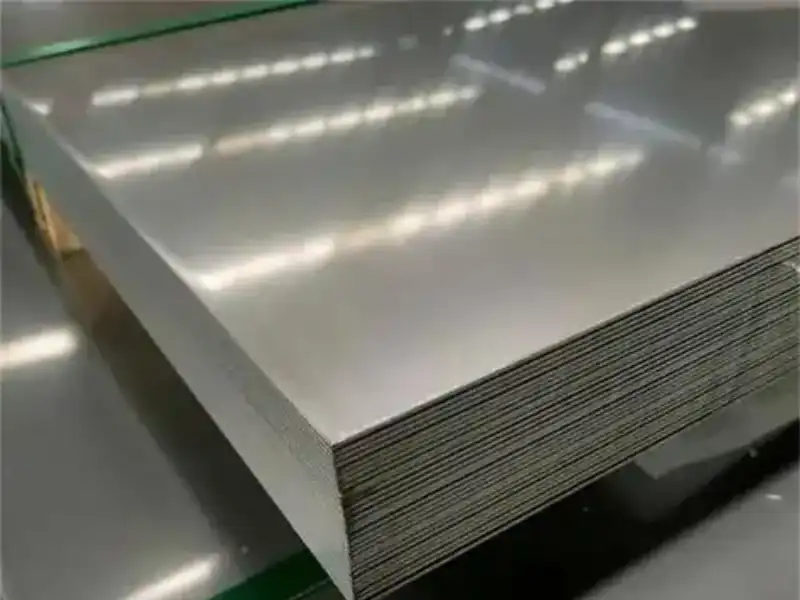
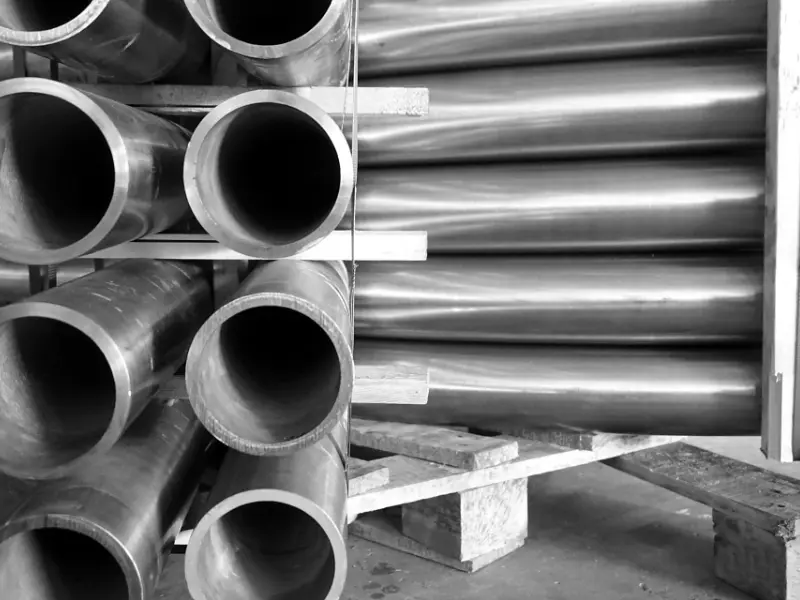
| Common Forms | Cast components, wrought bar/plate, powder for HIP, hardfacing alloys. | Versatile manufacturing for both complex near-net-shape parts and protective coatings. |
| Primary Industries | Aerospace, Power Generation, Medical, Chemical & Petrochemical. | The material of choice where extreme temperature and wear converge. |
In summary, Cobalt-Based Superalloys are niche but critical materials that push the boundaries of high-temperature engineering. While often more expensive and denser than nickel superalloys, their unmatched performance in specific areas—particularly very high-temperature strength, thermal fatigue, and wear resistance—secures their vital role in advanced technology.
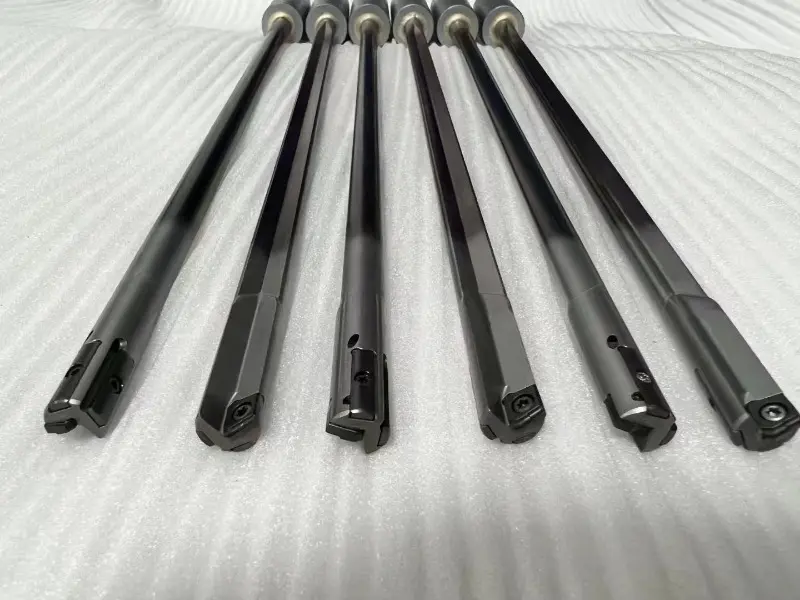
The cemented carbide gun drill bit for the geology and mining field is the core component of the gun drill tool. It is made of high-strength and high-wear-resistant cemented carbide material. Suitable for deep hole drilling operations in geological and mining exploration, it can perform efficient drilling in hard geological bodies such as rocks and ores. It features high drilling precision, smooth chip removal and long service life, and is compatible with various geological drilling rigs.
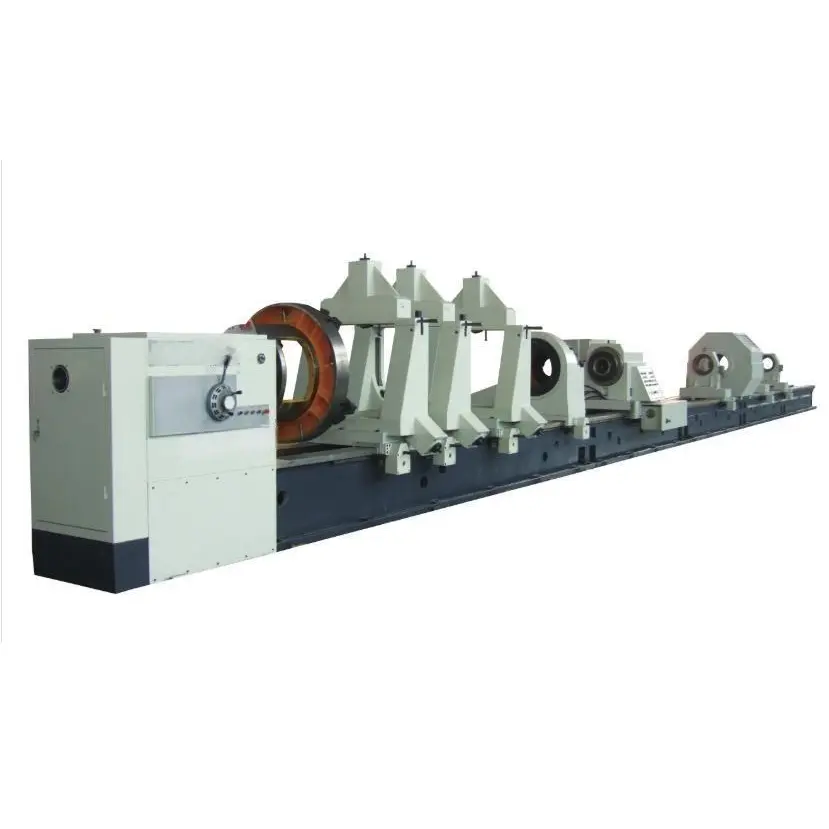
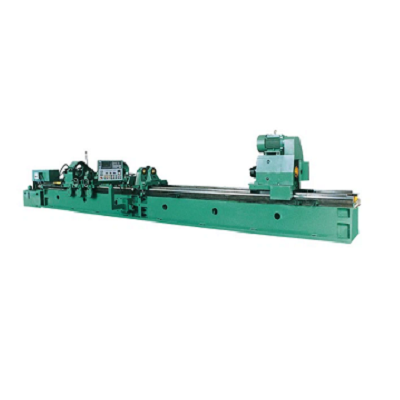
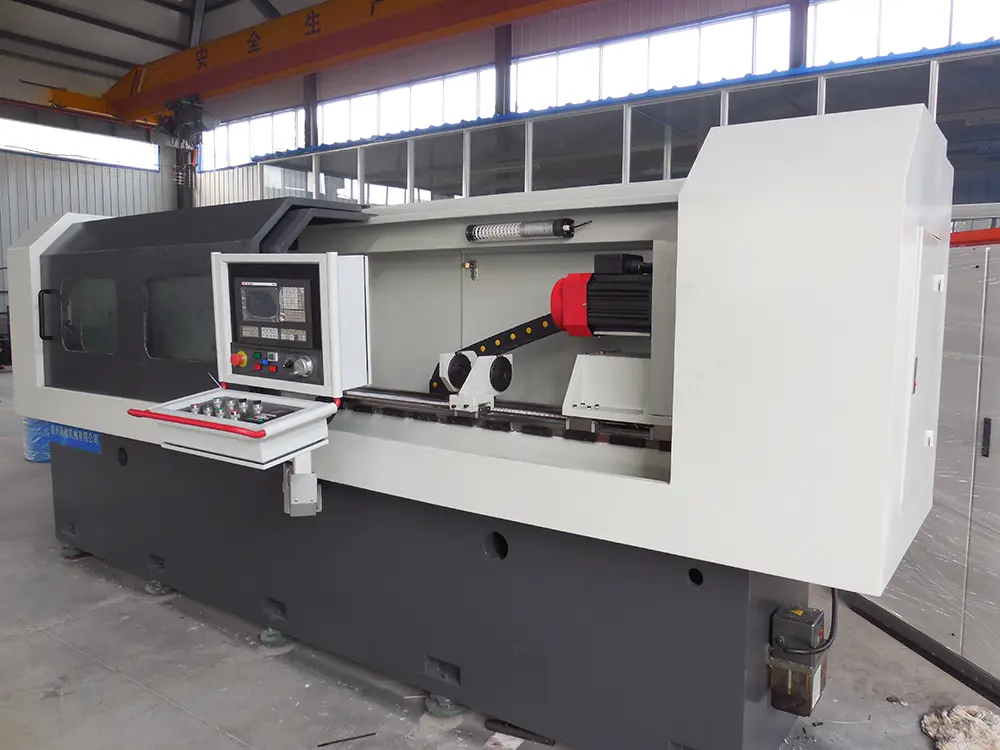
This machine tool is a specialized machine tool for machining cylindrical deep-hole parts, suitable for drilling and boring of cylindrical deep-hole workpieces. During drilling, an internal chip removal method (BTA method) is used, i.e., oil is supplied by an oil feeder, and the cutting chips are discharged from inside the drill rod to the chip hopper at the rear of the machine head through the cutting zone. During boring, oil is supplied from the tail end of the boring bar, and the chips are discharged to the chip hopper at the head of the machine head through the cutting zone.
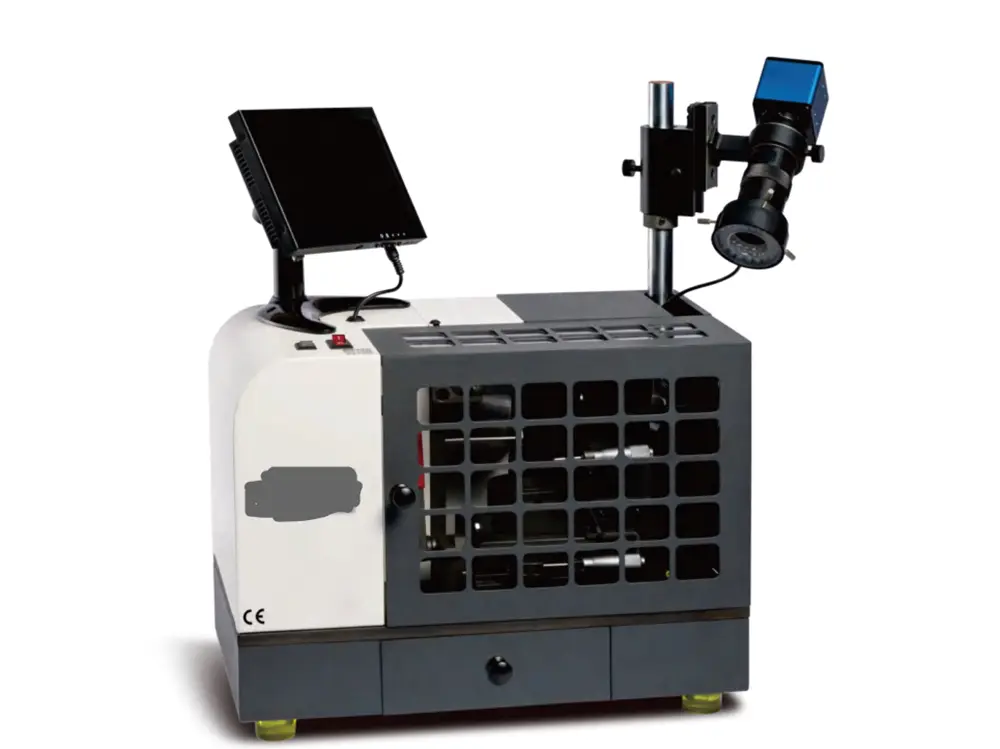
Parameter ■This machine is portable, accurate, and durable, equipped witha diamond gr...
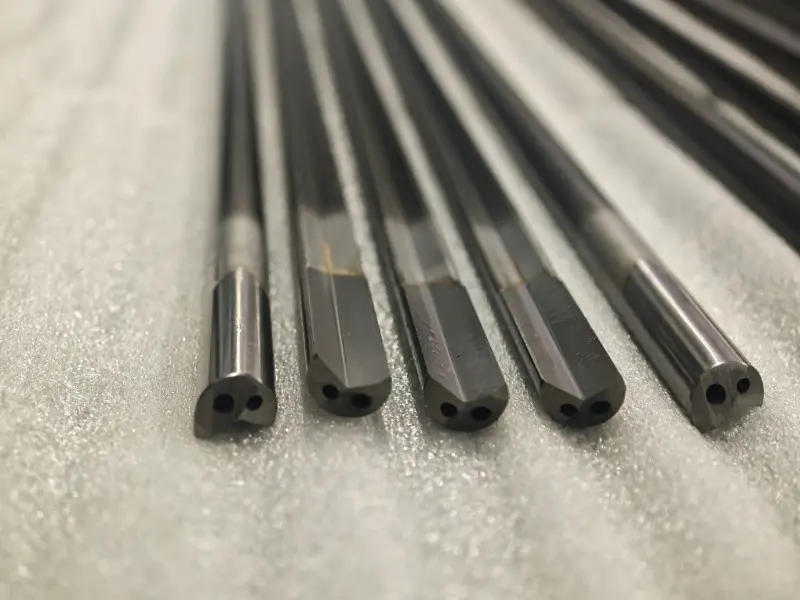
Tip diameter range:2.00mm~45.00mm Three-segment grinding tip:characterized by stable size,high hole surface finish,and high hole straightness and concentricity.It is perfect for applications in automotive shafts,mold cross holes,and hot runners,and has many applicationsin fields with high requirements for holes such as automotive shafts,hot runners,and so on.
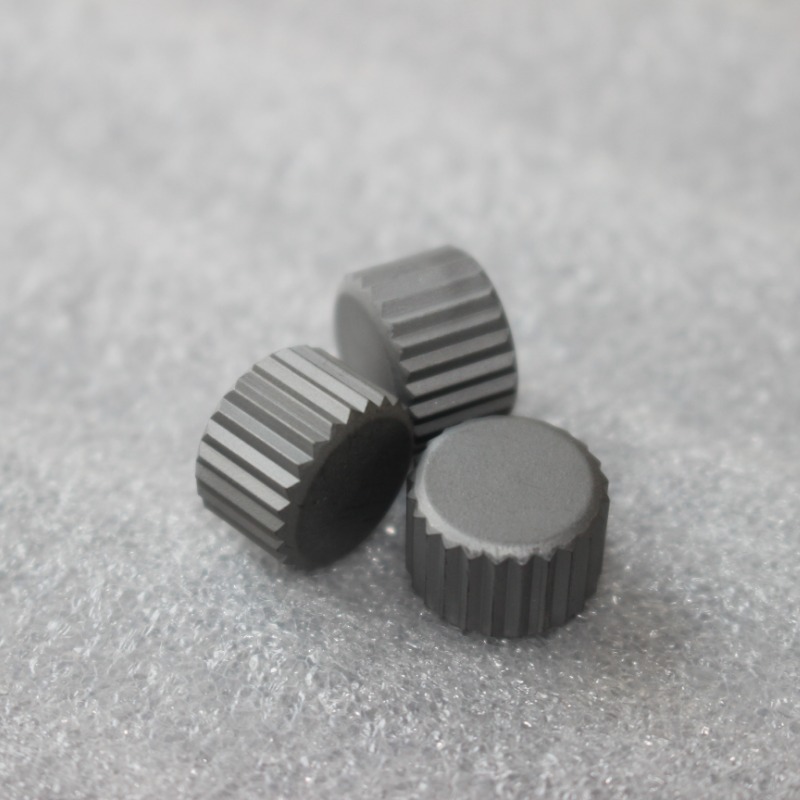
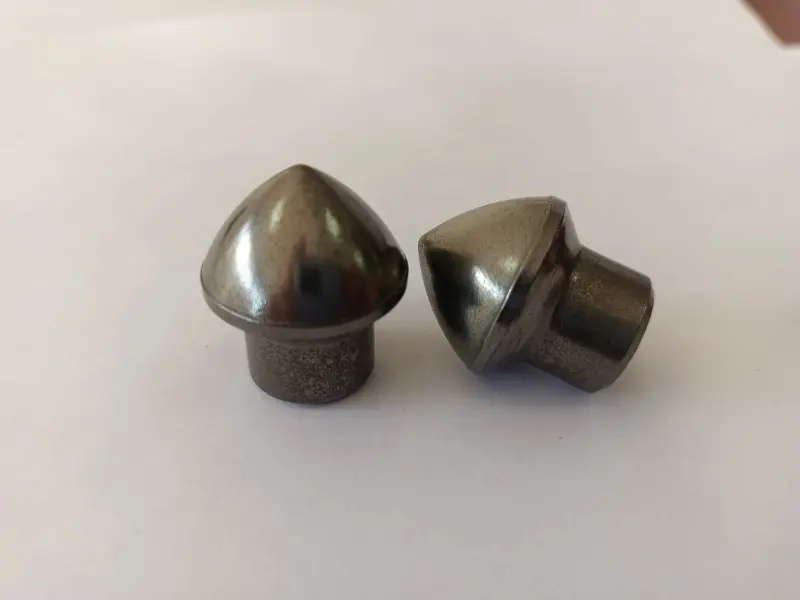
Cemented carbide mushroom-shaped ball tooth is named for its mushroom-like shape. It is an efficient crushing tool component made of cemented carbide material. The head is round and thick, with excellent impact resistance and wear resistance. It is mainly used in crushers, impact drills, roadheaders and other equipment. Suitable for crushing hard materials such as rocks, ores and concrete, it has high crushing efficiency and long service life.
Machining accuracy meausre of skewness: 1mm/1000mm(workpiece is not rorate) 0.5mm/10...
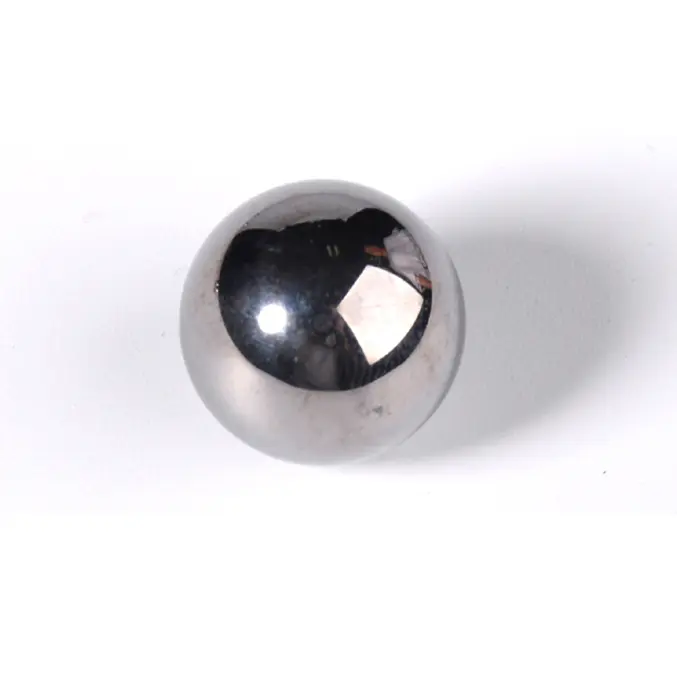
Cemented carbide ball is a spherical cemented carbide product made by high-precision forming and sintering processes. It has extremely high hardness, wear resistance, corrosion resistance and dimensional accuracy. Widely used in bearings, valves, precision instruments, abrasive media and other fields, it can be used as rolling elements, seals, grinding media, etc., with the characteristics of long service life and stable operation.
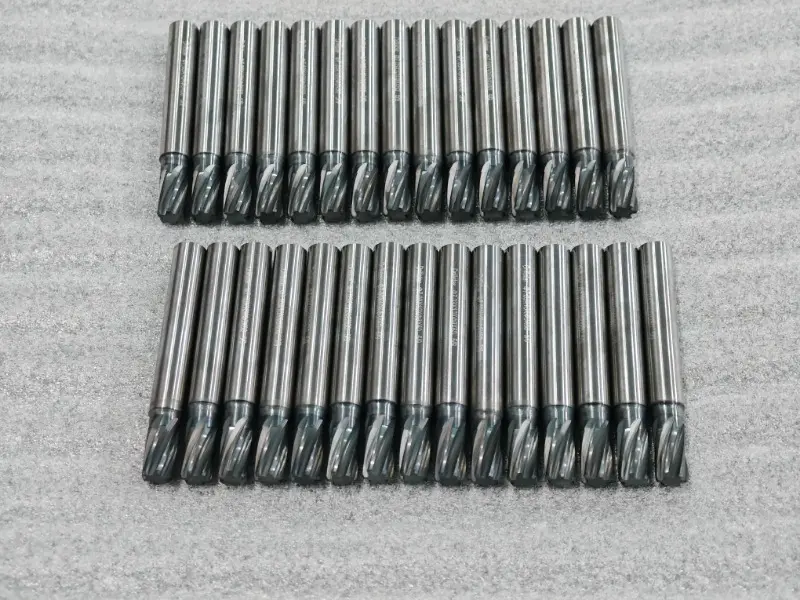
Depending on your application, a number of holemaking tools may give you consistent and precise results. For some jobs, a multi-task tool or holemaking mill may do the trick, while others require a high-performance indexable bit or tap. Regardless of your business objectives, AG Carbide continues to service our customers in offering hole-making solutions using tough and durable tungsten carbide-based materials.
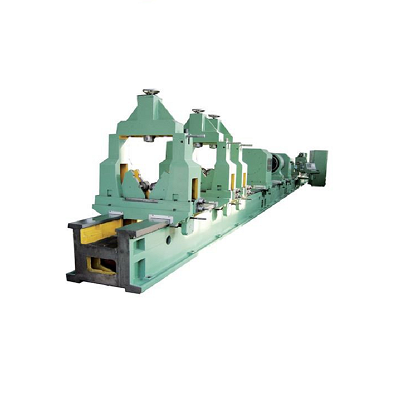
2M2150 deephole honing machine is ideal equipment for deephole machining with high accuracy and high efficiency.This machine is matde with SIEMENS or FANUC CNC system.AC servo motor,honing box adopt stepless speed,and it also mated with Germany ATLANTA high accuracy racks and gears to realize the reciprocating of honing head and it can control the honing position too.This machine is matde with linear guide way and it have service life and high accuracy.
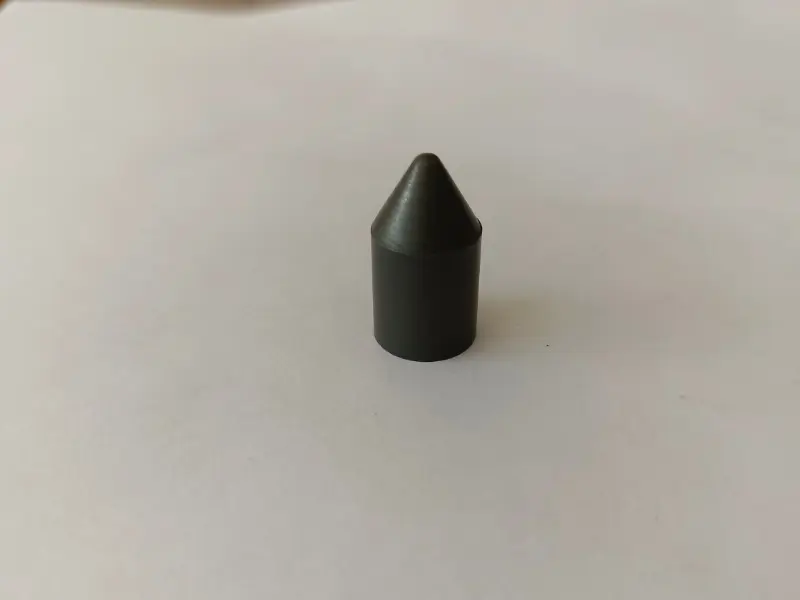
Cemented carbide tapered ball tooth is a key cutting component of geological and mining equipment (such as DTH drills, roller cone drills). It adopts a tapered structure design, and the ball head has excellent impact toughness and wear resistance. It can effectively crush hard rocks and ores, and is suitable for drilling, blasting and other operations. It has the advantages of high crushing efficiency, strong impact resistance and being not easy to damage.
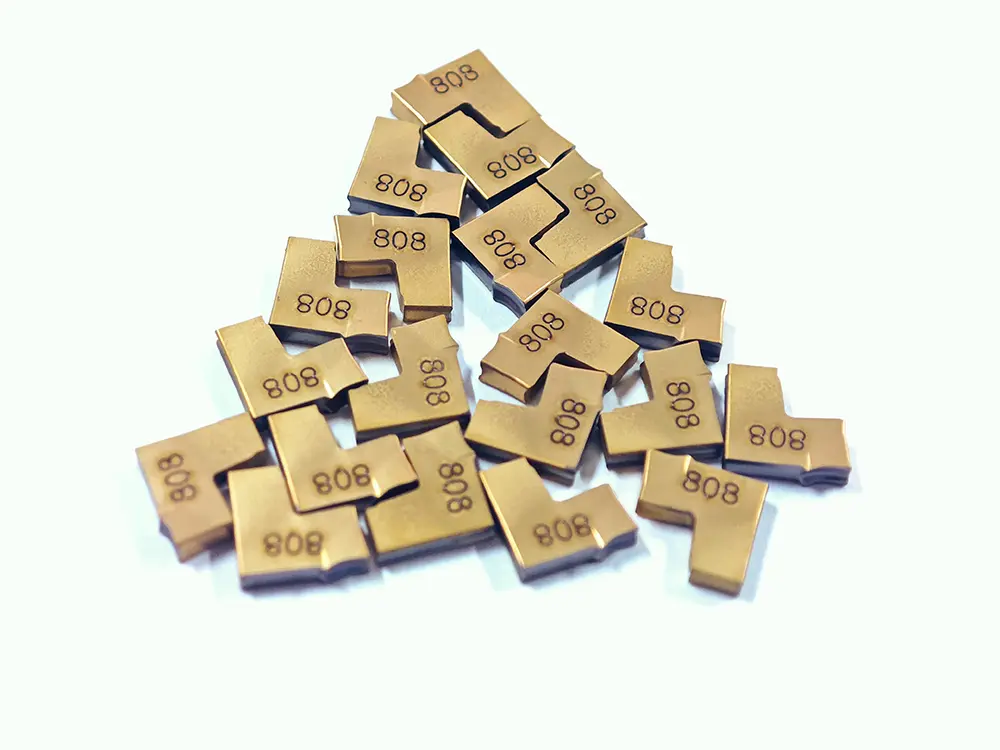
Core Definition and Structure Grooving inserts are preformed replaceable cutting unit...
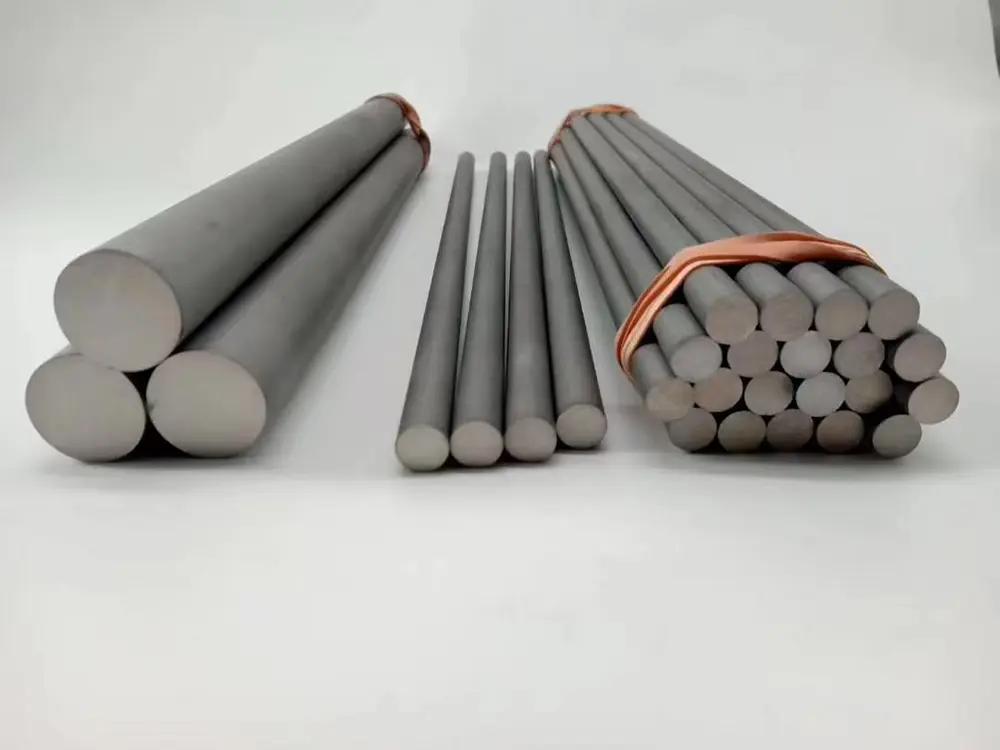
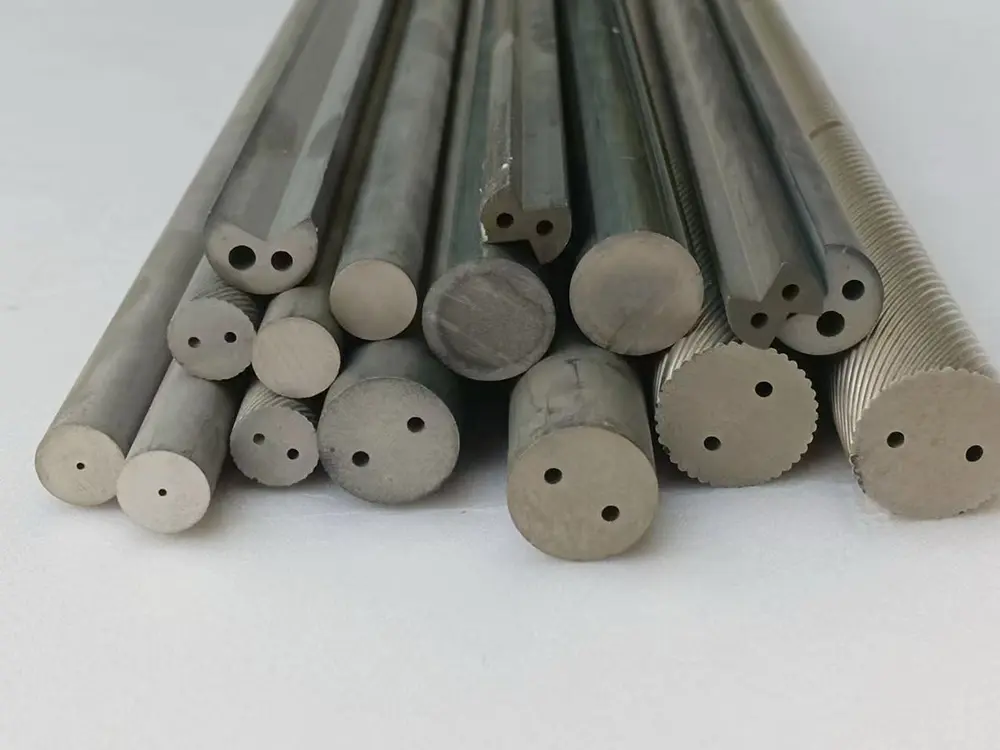
A Grade Carbide manufactures solid tungsten carbide rods in a wide range of carbide grades, lengths, and diameters. We offer both ground(h5 and h6) and as sintered (unground) solid rods, length 330mm and 310mm, and cut to length.
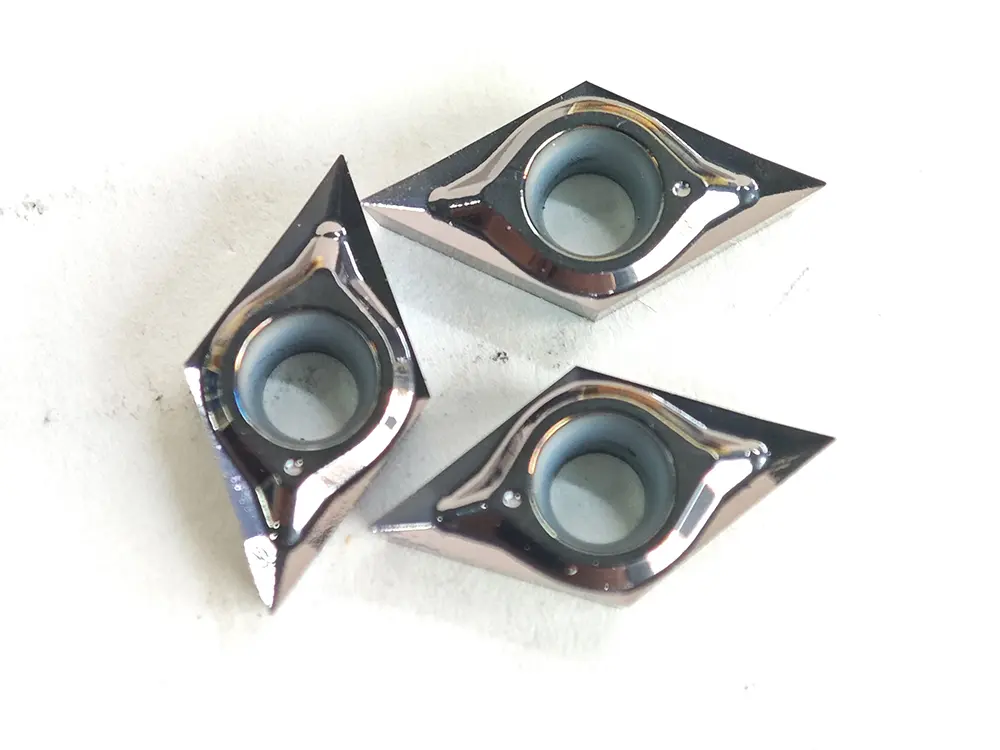
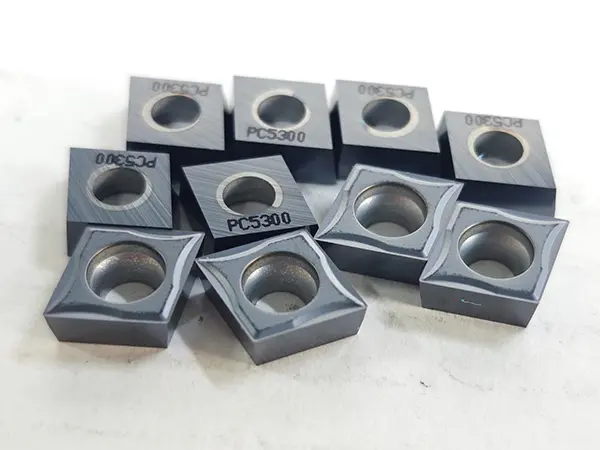
Rhombic CNC inserts are among the most widely used types of indexable inserts in CNC turning and boring processes. They are named for their rhombic shape (a quadrilateral with parallel opposite sides and fixed included angles between adjacent sides), and are primarily suitable for operations such as external turning, internal boring, and face turning.
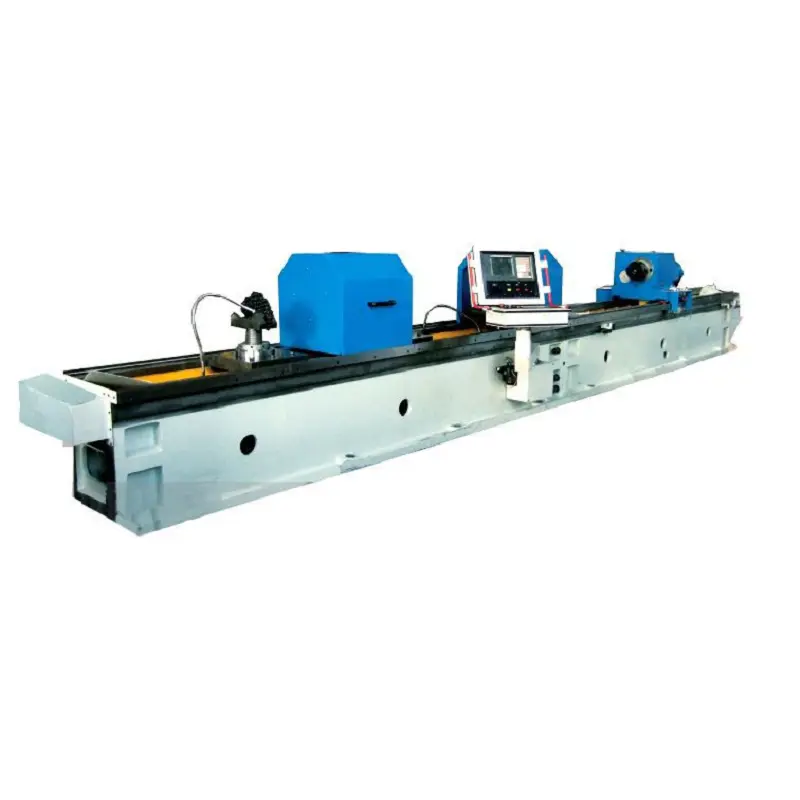
The usage of 2M2125A 2M2135A Deep Hole Honing Machine is a special equipment used for honing cylindrical deep hole parts such as various hydraulic oil cylinders and cylinders. Hole Diameter accuracy of machined workpieces can be up to or over IT7 and surface roughness Ra0.2-0.4μm. It can also repair and maintain taper and ellipticity of machined workpieces with the help of partial honing.

DR series cutting tools are mainly used for processing cold drawn rubes, precision drawn rubes and cold rolled rubes-