In heavy manufacturing and commercial settings, operational precision is everything. You understand better than anyone that a tiny mechanical deviation in fluid delivery can completely ruin an entire production run, costing thousands of dollars in scrap and severe downtime. This comprehensive article deeply explores the fascinating world of fluid dynamics, specifically focusing on the humble yet absolutely critical nozzle. We will thoroughly dive into how a spray nozzle works, the various nozzle types available, and how nozzle size directly impacts your daily operations.
This guide is exceptionally worth reading because mastering how to choose the right components will drastically reduce your mechanical downtime, save expensive chemical mixtures, and elevate the overall quality of your finished products. Whether you need a robust water stream to clean heavy parts or a very fine mist to cool overheated machinery safely, understanding these specialized tools gives you a massive competitive advantage. From complex automotive coating systems to massive agricultural setups, the right component acts as the crucial gatekeeper for your entire system.
How do nozzles work to control fluid and gas?
At its most fundamental level, a nozzle is a specially designed mechanical tube that meticulously modifies the directional flow of a fluid or gas. Have you ever placed your thumb tightly over the end of a flowing garden hose to make the water shoot further across the yard? You instinctively created a simple, improvised nozzle. As the fluid passes through the internal channel toward the specialized outlet, the physical cross-sectional area intentionally shrinks. This deliberate mechanical restriction forces a rapid and dramatic change in the behavior of the flow.
According to Bernoulli’s principle in physics, this physical change must successfully convert one form of energy into another. As a direct result of the restriction, the flow speed of the fluid will sharply increase, while the internal static pressure will simultaneously decrease. This simple, brilliant conversion trades pressure for rapid velocity. You essentially convert static energy directly into kinetic energy and pressure dynamics. This allows the nozzle to direct the pressurized stream precisely where it needs to go, striking the target with calculated force.
Understanding exactly how nozzles work helps engineers design much better, far more efficient delivery systems. If your specific application requires a strong, highly abrasive cleaning force to strip material from steel, you desperately want a fast, concentrated stream. You successfully achieve this by designing a nozzle with a specific, highly tuned internal geometry engineered to maximize that raw velocity. A well-designed nozzle guarantees that every single drop hits the designated target with the maximum possible mechanical impact.
What are the different types of nozzles used in industry?
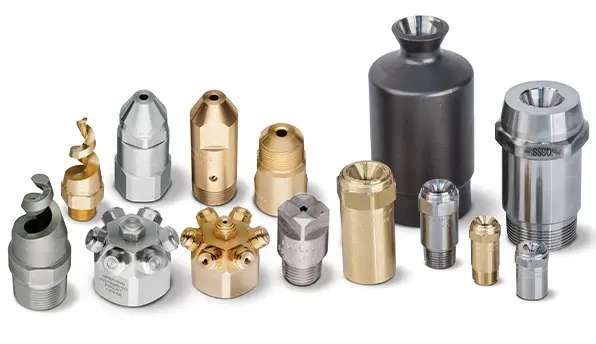
When you closely examine modern factory setups, you will instantly notice many different nozzle designs performing various highly specialized tasks. The specific types of nozzles you ultimately select depend entirely on what you want the pressurized fluid to do upon exit. Some harsh operations require a solid, highly concentrated stream of water to break apart stubborn dirt. This is exactly where a standard jet nozzle excels flawlessly. A solid jet nozzle produces a powerful, straight-line mechanical force that is absolutely perfect for heavy washing, intense descaling, or even precise water cutting.
Other manufacturing applications require spreading the liquid out over a wide area gently. This is the primary function of a spray nozzle. There are many complex nozzle types contained within this broad category, such as the widely used flat fan nozzle and the intricate spiral design. A flat fan creates a wide, surprisingly thin sheet of fluid that acts like a liquid scraper. Alternatively, a spiral nozzle creates a sweeping cone shape, offering excellent volume coverage. Each individual nozzle possesses fundamentally different functions based directly on how it mathematically distributes the working material.
Choosing carefully among these different nozzle options is a critical engineering decision. A common nozzle might be somewhat suitable for basic, everyday washing tasks, but highly specialized types of nozzles are strictly required for complex chemical mixing or aggressive scrubbing. Every single application demands the absolutely crucial final physical link between your expensive pumping equipment and your valuable workpiece.
How does a spray nozzle atomize liquid into a fine mist?
Sometimes, you simply do not want a heavy, destructive stream of water. Instead, your delicate application requires you to safely produce a soft, gently floating mist that won’t damage fragile components. To do this correctly, you must mechanically atomize the fluid completely. This means violently breaking a solid fluid stream into thousands of distinct, tiny drops. Specialized atomizing nozzles are custom-engineered specifically for this exact, delicate purpose.
These advanced atomizing nozzles often cleverly use high-pressure compressed air mixed directly with the liquid supply inside the body. The incredibly fast-moving air violently crashes into the relatively slow-moving fluid inside the internal mixing chamber of the nozzle. This brutal internal collision completely shatters the stream, allowing the nozzle to seamlessly produce extremely fine droplets. This rapid, continuous physical process is universally called atomization.
When you successfully atomize a substance, you drastically and immediately increase its overall exposed surface area. A fine, thoroughly atomized mist will evaporate very quickly into the surrounding atmosphere, making it incredibly effective to rapidly cool dangerously hot process gases or heavily heated environments. A notably smaller droplet size practically ensures that the discharged spray hangs suspended in the air significantly longer, which is the ideal scenario for large-scale greenhouse humidification.
How does nozzle size impact flow rate and coverage?
The actual physical size of the discharge opening is perhaps the single most critical determining factor in overall system performance. The specific nozzle size directly determines the total maximum volume of liquid that can escape the pressurized system. If you intentionally increase the orifice size, you immediately increase the maximum flow rate. Conversely, if you tightly restrict and decrease the size, the total flow rate will inevitably decrease accordingly.
However, the size of the nozzle also fundamentally affects the resulting droplet size. A very large, high-capacity nozzle will typically output larger, much heavier drops that fall quickly. A tiny, highly restrictive nozzle will naturally output a much finer, lighter spray. You must carefully and continuously balance the chosen nozzle size with your available pump pressure to get the absolutely perfect mechanical result for your application.
Selecting the wrong mathematical size for your operation can waste thousands of gallons of expensive proprietary chemicals. It can also quickly flood your delicate system or miserably fail to provide nearly enough coverage. Calculating the exact necessary flow rate allows you to correctly select a standard size that operates perfectly and efficiently within your expensive pump’s rated capacity. Every professional-grade spray nozzle comes equipped with a detailed engineering chart detailing exactly how varying pressure and orifice size physically interact to change the output.
How to choose the right spray pattern and shape for your application?
When you rigorously evaluate a delivery system, you must closely look at the resulting shape of the fluid output. To properly select the correct tool, you must match the delivered shape directly to the physical application target. For washing a flat, moving conveyor belt, a flat fan nozzle is absolutely ideal. The flat fan effectively applies the fluid evenly across a wide, perfectly flat line. If you properly line up several of these units in a row, they will completely coat the entire passing surface uniformly.
The discharge angle of the spray also heavily dictates the total coverage area. A very wide angle covers significantly more area but naturally delivers substantially less physical impact. A tight, narrow angle hits a much smaller targeted area but strikes it much harder, acting almost like a jet. You must carefully and methodically regulate this crucial balance to successfully meet your specific desired goal without causing unwanted collateral damage to the parts.
Some demanding application scenarios strictly demand a full cone shape, where the entire circular projected area is completely filled with flying drops. Other processes might simply need a hollow cone. The carefully machined geometry of the spray nozzle strongly dictates this final fluid form. When you manage to distribute the necessary water evenly, you completely prevent unwanted dry spots and actively avoid wasteful, expensive pooling on the surface of your finished products.
What role do nozzles spray play in dust removal and cooling?
Heavy extractive operations constantly generate a truly massive amount of hazardous airborne pollution. Strictly controlling this dangerous pollution is absolutely vital for maintaining acceptable worker safety standards. Nozzles spray systems are heavily and continuously used in large-scale dust removal operations. By constantly spraying a very fine, invisible curtain of water, the spray physically captures the floating dirt particles in mid-air and forces them safely down to the ground.
In harsh, unforgiving environments like deep underground mining, massive heavy equipment constantly kicks up incredibly thick clouds of dangerous particulate matter. A robust, highly reliable dust removal system utilizes a high-capacity nozzle array to aggressively suppress these airborne hazards. In modern mining, the ambient dust is not simply an annoying nuisance; it is a very serious respiratory health hazard and a catastrophic explosion risk that must be neutralized by a reliable nozzle.
Additionally, a tough, heavy-duty spray nozzle is frequently used to rapidly cool overworked machinery. In massive steel rolling mills, a continuous, heavy water spray forcefully hits the red-hot metal continuously to strictly regulate its critical core temperature. A finely tuned, continuous mist will rapidly absorb massive amounts of radiant heat and quickly evaporate, offering a highly efficient, low-cost way to safely cool dangerous systems without cracking the hot metal.
How are spray nozzles used in the automotive industry and coating?
Walk onto the floor of any modern, high-tech car factory, and you will instantly see automated robots wielding incredibly advanced spray guns. The precision spray nozzle used in the automotive industry is a true marvel of modern engineering precision. These highly specialized robotic tools smoothly apply chemical primer, colorful base coats, and shiny clear coats with absolute, unyielding perfection.
In the highly competitive automotive industry, a completely flawless exterior finish is absolutely mandatory to sell cars. A high-end spray nozzle ensures the expensive paint adheres perfectly and smoothly to the prepared metal surface. If the microscopic droplet size varies even slightly, the expensive color will look terribly bumpy or awkwardly run down the side of the door panel. The fluid coating must be applied rapidly, consistently, and entirely without error.
Beyond mere aesthetics, applying a thick coating also provides extremely vital structural protection. Harsh anti-corrosion chemicals are sprayed forcefully via a durable spray nozzle directly to the vehicle’s exposed undercarriage. This sticky, protective spray heavily shields the raw metal from destructive road salt and corrosive winter moisture. A high-quality, evenly applied coating drastically extends the functional life of the vehicle.
What is a common nozzle used to spray in agriculture and processing?
Large-scale commercial farming has quietly become an incredibly highly technical endeavor. A highly reliable, perfectly calibrated common nozzle used for spraying chemical fertilizers and toxic pesticides is absolutely central to modern, high-yield agriculture. A massive modern tractor will confidently deploy a very wide mechanical boom heavily equipped with dozens of individual, identical spray tools. Each distinct spray nozzle is precisely and individually calibrated to constantly deliver a specific, measured dose of chemicals.
The fluid used to spray a vulnerable crop must be distributed perfectly evenly across the entire field. If a single nozzle accidentally clogs, the sensitive plants in that specific row might be entirely ruined by hungry pests. If the malfunctioning spray nozzle accidentally delivers too much chemical, it foolishly wastes significant money and actively harms the underlying soil. In modern agriculture, rigorously applying the exact, prescribed chemical solution saves the farmer immense money and proactively protects the local environment from harmful runoff.
Similarly, in massive, hygienic heavy food processing plants, a sanitary, easy-to-clean nozzle is heavily and continuously used. A specialized stainless steel spray nozzle will forcefully clean giant mixing vats, gently wash harvested vegetables, or even precisely apply a very thin, delicious coating of artificial flavorings onto baked goods. In food processing, the constant ability to reliably clean the machinery efficiently prevents highly dangerous bacterial contamination. The installed equipment must continually and reliably disperse boiling water and harsh sanitizing agents thoroughly across every single exposed steel surface.
How do specialized nozzles handle oil injection and inkjet printing?
The simple word nozzle certainly does not always exclusively mean a large, heavy water pipe. Deep inside your personal vehicle’s engine block, sophisticated high-pressure fuel injectors utilize a microscopic, laser-drilled nozzle to perfectly handle the oil or highly explosive gas injection. This aggressive, high-heat injection process strictly requires a very durable, heat-resistant nozzle to instantly atomize the raw fuel inside a scorching, high-temperature combustion cylinder.
Another incredibly fascinating, highly delicate application is modern inkjet printing. A standard desktop printer uses microscopic, piezoelectric technology to literally shoot thousands of tiny ink droplets per second precisely onto a moving sheet of paper. The delicate discharge nozzle is incredibly tiny, practically invisible to the human eye, and must rapidly fire with staggering, unimaginable speed without ever clogging.
This high-speed, demanding application absolutely demands unbelievably precise microsecond timing and strict electronic control. The viscous fluid (in this case, the colored ink) must consistently form a perfect, spherical micro-drop every single time. Any microscopic physical variation ruins the printed image entirely. Whether you are dealing with a heavy fuel burner in a factory or a delicate head in an office, the basic, underlying physics of the nozzle remain exactly the same: strictly controlling a substance with ultimate, unwavering precision.
Why is working with a reliable manufacturer a critical factor?
Foolishly choosing a cheap, low-quality spray nozzle is a remarkably fast way to completely ruin expensive, delicate machinery. Massive equipment relies entirely on exact, unwavering specifications to function properly. If a poorly made, cheap nozzle rapidly wears out under high pressure, its internal machined channel slowly and inevitably widens. This internal erosion completely ruins the designed spray pattern and utterly destroys your overall operational efficiency.
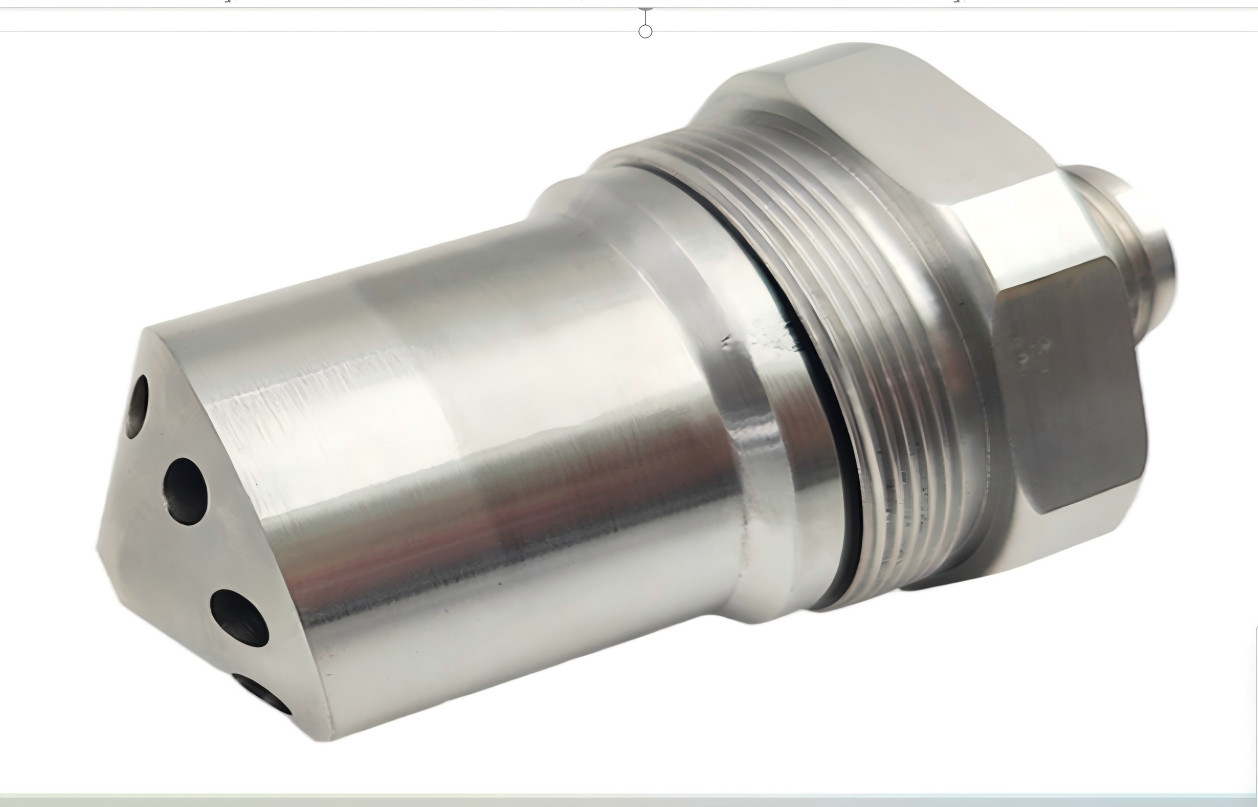
A truly reputable, experienced manufacturer deeply understands the incredibly punishing, abrasive conditions of the modern factory floor. They expertly utilize highly advanced metallurgy and tough materials to produce highly durable, long-lasting components. For instance, Drillstar provides top-tier industrial nozzle solutions that robustly resist intense physical abrasion and severe chemical attack. If your specific application requires exceptional, long-term wear resistance, utilizing a specialized stellite alloy water nozzle strongly guarantees a massive, noticeable increase in your total service life.
We also proudly provide extreme-duty denitration nozzle components explicitly designed specifically for aggressive, high-heat environmental scrubbing. Just like our highly reliable wear-resistant components, every single precision nozzle we carefully produce is strictly engineered to perform consistently under intense pressure. Partnering with the absolute right manufacturer is the ultimate deciding factor in achieving long-term, trouble-free, and highly profitable manufacturing operation.
Key Takeaways for Nozzle Selection and Fluid Control
- Understand the Physics: A nozzle transforms fluid pressure into velocity by forcing the liquid through a restricted orifice.
- Match Shape to Function: Choose a flat fan for even surface coverage, a solid jet for high-impact cleaning, and a spiral for wide volume distribution.
- Prioritize Size: The size of the orifice dictates the total maximum flow volume; selecting the wrong capacity will severely hinder your pumping system.
- Embrace Atomization: Use specialized air-assisted models to break liquids into a fine mist for rapid cooling and superior gas scrubbing.
- Invest in Durability: A high-quality, wear-resistant nozzle from a trusted source prevents premature internal erosion, saving you money and preserving your exact required flow characteristics.