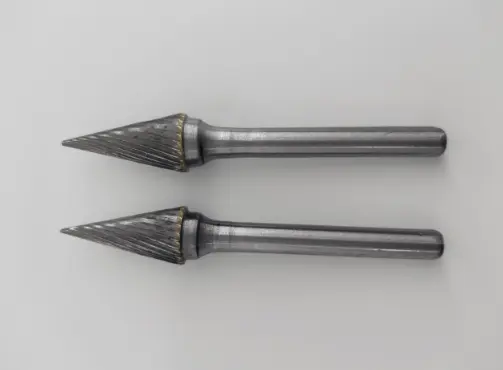
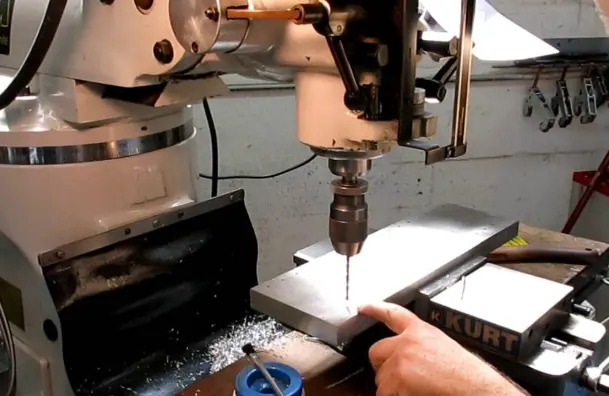
Carbide is one of the hardest and most wear-resistant materials used for drill bits, but it is not always accurate to call it the “strongest” in every sense. Carbide drill bits are extremely hard, hold a sharp cutting edge well, and can drill tough materials at high speeds. However, carbide is also more brittle than high-speed steel or cobalt steel, which means it can chip or break if used incorrectly.
In machining, strength is not only about hardness. A drill bit must resist wear, heat, bending, vibration, impact, and cutting forces. Carbide performs very well in hardness and heat resistance, while cobalt and high-speed steel may offer better toughness for unstable or hand-held drilling conditions.
For precision tool manufacturing, materials such as Carbide Rods with straight holes are often used to produce coolant-through drills, milling tools, and high-performance cutting tools designed for demanding machining environments.
What Is a Carbide Drill Bit?
A carbide drill bit is a cutting tool made either from solid carbide or from a steel body with a carbide tip. The carbide material is usually tungsten carbide combined with a metallic binder such as cobalt. This creates a very hard composite material capable of cutting metals, composites, cast iron, hardened materials, and abrasive workpieces.
Carbide drill bits are commonly used in:
- CNC machining
- Aerospace manufacturing
- Automotive production
- Mold and die work
- Precision metal drilling
- Printed circuit board drilling
- Cast iron machining
- Stainless steel drilling
- High-volume production
They are valued for accuracy, tool life, and cutting speed.
Hardness vs. Strength
The word “strongest” can be confusing. Carbide is harder than most common drill bit materials, but hardness is not the same as toughness.
Hardness
Hardness means resistance to wear, scratching, and deformation at the cutting edge. Carbide is excellent in this category.
Toughness
Toughness means resistance to cracking, chipping, and breaking under impact or vibration. High-speed steel and cobalt steel are usually tougher than carbide.
Heat Resistance
Heat resistance matters because drilling generates friction and high temperature. Carbide can maintain cutting performance at higher temperatures than many steel drill bits.
So, carbide may be the best choice for hard and abrasive materials, but not always the best choice for rough, unstable, or interrupted drilling.
Carbide vs. HSS Drill Bits
High-speed steel drill bits are common, affordable, and versatile. They are easier to sharpen and more forgiving in hand drills or general workshop use.
HSS drill bits are good for:
- Mild steel
- Wood
- Plastic
- Aluminum
- General repair work
- Manual drilling
- Low to medium-speed applications
Carbide drill bits are better for:
- Hardened materials
- Abrasive materials
- High-speed CNC drilling
- Precision holes
- Long production runs
- Better wear resistance
For casual DIY use, HSS may be more practical. For industrial precision drilling, carbide may perform much better.
Carbide vs. Cobalt Drill Bits
Cobalt drill bits are made from high-speed steel with cobalt alloy content. They offer better heat resistance and hardness than standard HSS, while still keeping more toughness than carbide.
Cobalt bits are commonly used for stainless steel, harder steels, and maintenance drilling. They are often preferred when the setup is less rigid than a CNC machine.
Carbide drill bits can outlast cobalt in the right conditions, but they require better rigidity, accurate alignment, and proper feed and speed control.
Why Carbide Can Break
Carbide drill bits can break when exposed to bending, vibration, side loading, or poor setup. Because carbide is brittle, it does not tolerate abuse as well as steel drills.
Common causes of carbide drill failure include:
- Hand drilling with poor alignment
- Excessive feed pressure
- Too much runout
- Unstable workholding
- Interrupted cuts
- Wrong speed
- Lack of coolant
- Drilling at an angle
- Chip packing
- Using the wrong drill geometry
For best results, carbide drills should be used in rigid machines with accurate spindles and stable workholding.
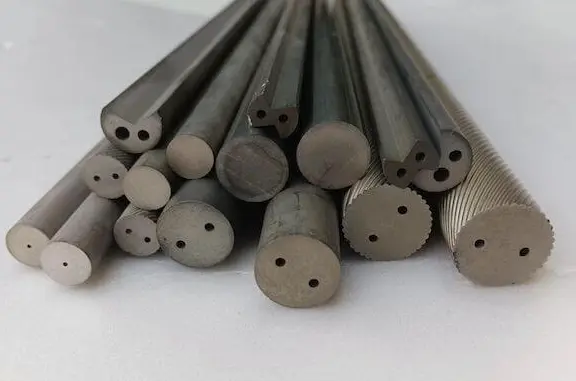
What Are Carbide Rods with Straight Holes?
Carbide Rods with straight holes are cylindrical carbide blanks with one or more straight internal holes running along the length of the rod. These holes are often used as coolant channels in finished cutting tools.
During tool manufacturing, the carbide rod is ground into a drill, end mill, reamer, or other precision tool. The straight holes allow coolant to flow through the tool body and reach the cutting edge.
This can help:
- Reduce cutting temperature
- Improve chip evacuation
- Extend tool life
- Improve hole quality
- Support deep-hole drilling
- Increase machining efficiency
Coolant-through carbide tools are especially useful in high-performance drilling and milling applications.
When Is Carbide the Best Drill Bit Choice?
Carbide is often the best choice when the application requires high hardness, high wear resistance, precision, and heat resistance.
Good applications include:
- CNC drilling
- Hardened steel machining
- Cast iron drilling
- Abrasive composite materials
- High-volume production
- Deep hole drilling with coolant
- Small precision holes
- High-speed machining
Carbide is less ideal for casual hand drilling, unstable fixtures, low-cost repair work, or situations where the tool may be dropped, bent, or misaligned.
How to Choose a Carbide Drill Bit
Before choosing carbide, consider:
- Workpiece material
- Machine rigidity
- Hole diameter
- Hole depth
- Coolant availability
- Required tolerance
- Production volume
- Drill geometry
- Coating
- Shank type
- Feed and speed
- Tool holding accuracy
A high-quality carbide drill used in the wrong conditions may fail quickly. A properly selected carbide tool used in the right setup can deliver excellent performance.
Maintenance and Handling Tips
Carbide drill bits should be handled carefully. Avoid dropping them on hard surfaces. Store them in protective cases or tool holders. Inspect the cutting edge before use, and replace or regrind damaged tools when needed.
Use proper coolant, stable clamping, and correct spindle speed. If the drill squeals, overheats, or produces poor chips, stop and check the setup.
Conclusion
Carbide is one of the hardest and most wear-resistant drill bit materials, making it excellent for high-speed, precision, and industrial drilling. But it is not always the “strongest” if strength means toughness or impact resistance. Carbide can be brittle and may break under vibration, bending, or poor alignment.
For advanced cutting tool production, Carbide Rods with straight holes support coolant-through drill and milling tool designs that improve heat control, chip removal, and machining performance. The best drill bit material depends on the workpiece, machine setup, accuracy requirement, and production goal.
For carbide rods and drilling tool product information, visit Drill Star Global.