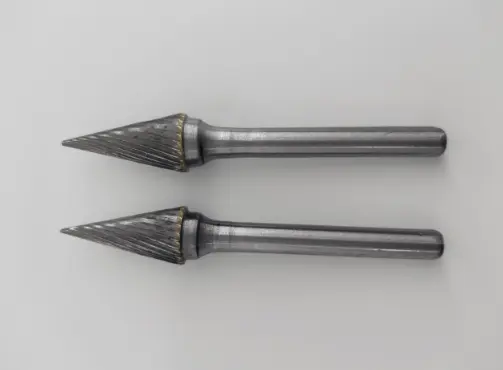
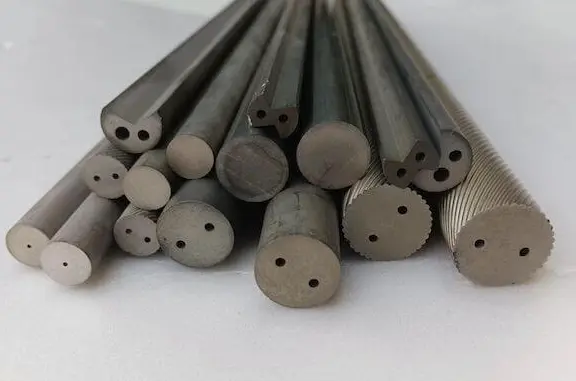
Grinding machines are essential equipment in modern manufacturing, tool repair, metalworking, and precision machining. They use abrasive wheels or belts to remove material from a workpiece, improve surface finish, sharpen cutting tools, and achieve accurate dimensions.
The four common types of grinding machines are surface grinding machines, cylindrical grinding machines, centerless grinding machines, and tool and cutter grinding machines. Each type is designed for a different machining purpose, workpiece shape, and accuracy requirement.
For workshops that handle drilling, threading, re-sharpening, and maintenance work, a Tapping and grinding machine can also be part of the wider equipment group used to improve productivity and tool performance.
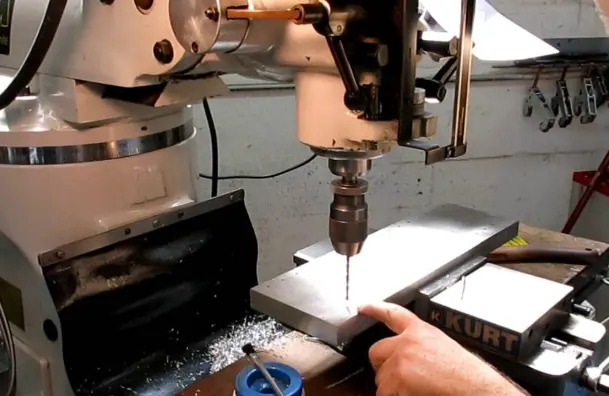
What Is a Grinding Machine?
A grinding machine is a mechanical tool that removes material using an abrasive cutting surface. Unlike milling or turning, which usually remove larger chips with a cutting edge, grinding removes very small amounts of material with many abrasive grains.
Grinding is used when a part needs:
- Better surface finish
- Accurate dimensions
- Sharpened cutting edges
- Roundness correction
- Flatness correction
- Fine tolerance control
- Hard material processing
- Tool repair or reconditioning
Because grinding can work on hardened steel, carbide, ceramics, and other tough materials, it is widely used after heat treatment or in final finishing operations.
1. Surface Grinding Machine
A surface grinding machine is used to produce flat, smooth, and accurate surfaces. The workpiece is usually held on a magnetic chuck or fixture, while the grinding wheel moves across the surface.
Surface grinders are commonly used for:
- Flat plates
- Molds
- Dies
- Machine bases
- Precision blocks
- Tooling components
- Metal fixtures
- Parallel surfaces
The main goal is to improve flatness, smoothness, and thickness accuracy. Surface grinding is common in tool rooms, mold shops, precision machining workshops, and industrial repair facilities.
Key Features
Surface grinders may have manual, semi-automatic, or CNC control. They may use a horizontal spindle, vertical spindle, reciprocating table, or rotary table. The correct design depends on workpiece size, production volume, and accuracy requirements.
2. Cylindrical Grinding Machine
A cylindrical grinding machine is used to grind the outside or inside diameter of round workpieces. The workpiece rotates while the grinding wheel removes material.
Cylindrical grinders are used for:
- Shafts
- Pins
- Rollers
- Bushings
- Bearing seats
- Hydraulic rods
- Spindles
- Sleeves
- Precision round parts
External cylindrical grinding improves the outer diameter, while internal cylindrical grinding is used for holes and bores. These machines are important when roundness, straightness, and surface quality must be tightly controlled.
Key Features
Cylindrical grinders may include workhead, tailstock, grinding wheel head, table movement, and dressing systems. CNC cylindrical grinders can produce highly repeatable results for complex shaft profiles.
3. Centerless Grinding Machine
A centerless grinding machine grinds cylindrical parts without holding them between centers or in a chuck. Instead, the workpiece is supported by a work rest blade and controlled by a regulating wheel while the grinding wheel removes material.
Centerless grinding is commonly used for high-volume production of small round parts, such as:
- Pins
- Needles
- Bearing rollers
- Bolts
- Rods
- Tubes
- Shafts
- Fastener components
Because the workpiece does not need center holes or clamping, centerless grinding can be fast and efficient for repetitive production.
Key Features
The process requires careful setup. Work rest height, regulating wheel angle, grinding wheel condition, and feed method all affect accuracy. When properly adjusted, centerless grinding can produce excellent roundness and surface finish.
4. Tool and Cutter Grinding Machine
A tool and cutter grinding machine is used to sharpen and recondition cutting tools. It can grind drills, end mills, milling cutters, taps, reamers, countersinks, and other tool forms depending on the machine design and accessories.
This type of machine is important for tool rooms, maintenance departments, and manufacturers that want to extend cutting tool life.
Common uses include:
- Drill bit sharpening
- End mill regrinding
- Cutter profile correction
- Relief angle grinding
- Point angle restoration
- Tool edge repair
- Custom tool shaping
A Tapping and grinding machine may be used in workshops where tapping operations and tool grinding support each other. For example, accurate tap preparation and drill sharpening can improve thread quality and reduce tool breakage.
Other Grinding Machine Categories
Although the four types above are commonly recognized, grinding equipment can also be classified in other ways. Specialized machines include bench grinders, belt grinders, gear grinders, thread grinders, jig grinders, knife grinders, and CNC tool grinders.
Each machine serves a specific purpose. A bench grinder may be suitable for basic sharpening, while a CNC tool grinder may be needed for advanced tool geometry and high-precision production.
How to Choose the Right Grinding Machine
Choosing the right grinding machine depends on the workpiece and production goal.
Important factors include:
- Workpiece shape
- Material hardness
- Required tolerance
- Surface finish requirement
- Production volume
- Tool type
- Grinding wheel size
- Machine rigidity
- Operator skill level
- Automation needs
- Available floor space
- Maintenance requirements
- Budget
For flat parts, a surface grinder is often the right choice. For round shafts, a cylindrical grinder may be needed. For high-volume small round parts, centerless grinding may be more efficient. For cutting tools, a tool and cutter grinder is usually the best option.
Grinding Wheel Selection Matters
The grinding wheel affects speed, accuracy, heat generation, and surface quality. Wheel selection depends on abrasive type, grit size, bond material, hardness, structure, and workpiece material.
Common abrasive materials include aluminum oxide, silicon carbide, cubic boron nitride, and diamond. Harder materials may require specialized wheels, while general steel grinding often uses aluminum oxide wheels.
A good grinding result requires both the correct machine and the correct wheel.
Safety Considerations
Grinding machines operate at high speed and can create sparks, dust, noise, and wheel fragments if used incorrectly. Operators should use eye protection, guards, hearing protection, and suitable dust control.
Before operation, inspect the grinding wheel, confirm speed ratings, check guards, secure the workpiece, and avoid excessive pressure. A damaged wheel should never be used.
Conclusion
The four main types of grinding machines are surface grinding machines, cylindrical grinding machines, centerless grinding machines, and tool and cutter grinding machines. Each type serves a different purpose, from producing flat surfaces and round shafts to high-volume part finishing and cutting tool sharpening.
For workshops focused on tool maintenance, drilling, and threading support, a Tapping and grinding machine can help improve tool preparation, reduce downtime, and support more accurate machining operations.
For tapping and grinding machine product information, visit Drill Star Global.