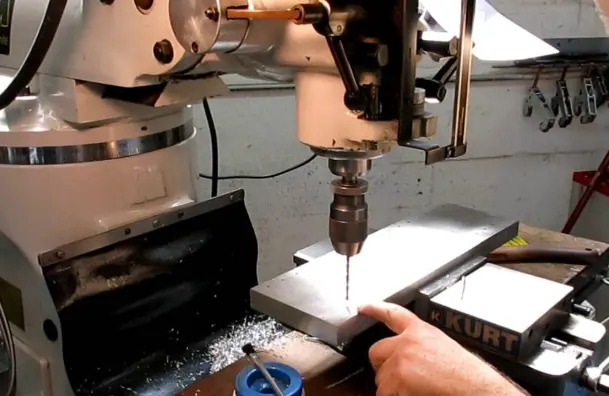
A drill bit grinder is a machine used to sharpen, reshape, and restore worn drill bits. Instead of throwing away dull bits, operators can use a grinder to renew the cutting edges, correct the point angle, and improve drilling performance. It is widely used in metalworking shops, fabrication plants, maintenance departments, tool rooms, construction supply centers, and industrial drilling operations.
In simple terms, a drill bit grinder helps bring a used drill bit back to a usable cutting condition. A high-quality Drill bit grinding machine can improve hole accuracy, reduce drilling force, extend tool life, and lower replacement costs.
What Does a Drill Bit Grinder Do?
A drill bit grinder removes a small amount of material from the drill tip to recreate the proper cutting geometry. When a drill bit becomes dull, chipped, uneven, or overheated, it may produce rough holes, wander during drilling, create excess heat, or require more pressure from the operator.
The grinder helps correct these problems by restoring:
- Cutting lips
- Point angle
- Relief angle
- Chisel edge
- Web thinning when supported
- Symmetry between both cutting edges
The goal is not simply to make the bit sharp. The goal is to restore the correct shape so the drill cuts efficiently and stays centered during use.
How a Drill Bit Grinder Works
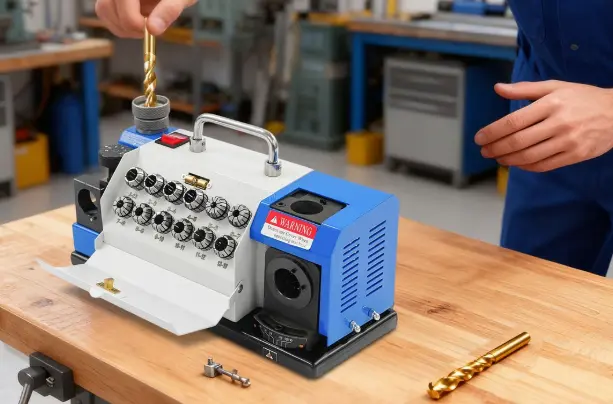
Most drill bit grinders use an abrasive grinding wheel to remove metal from the cutting end of the bit. The drill bit is placed in a collet, chuck, fixture, or guide system that holds it at the correct angle.
The operator then follows a grinding process that may include positioning, grinding one lip, rotating the bit, grinding the second lip, and checking symmetry. Some machines include preset angle controls, automatic feed, or dedicated fixtures for different drill sizes.
A typical grinding process includes:
- Selecting the correct collet or holder
- Setting the point angle
- Positioning the drill bit
- Grinding the first cutting edge
- Rotating or indexing the bit
- Grinding the second cutting edge
- Inspecting the drill point
- Adjusting if needed
A precise Drill bit grinding machine helps reduce operator error and provides more consistent results than freehand grinding.
Why Drill Bits Become Dull
Drill bits lose sharpness during normal use. The cutting edges experience friction, heat, pressure, and contact with hard materials. Over time, the edge becomes rounded, chipped, or uneven.
Common causes of dull drill bits include:
- Drilling hard metals
- Insufficient cutting fluid
- Excessive speed
- Too much feed pressure
- Poor chip evacuation
- Incorrect drill geometry
- Repeated overheating
- Contact with abrasive materials
- Misalignment during drilling
When a drill bit is dull, it can damage the workpiece and increase stress on the drilling machine. Sharpening the bit can restore performance and reduce avoidable waste.
Common Types of Drill Bit Grinders
Portable Drill Bit Grinders
Portable models are compact and suitable for workshops, maintenance teams, and small production environments. They are often used for common twist drill sizes and quick sharpening tasks.
Bench-Top Drill Bit Grinders
Bench-top machines are more stable and usually provide better control. They are a good choice for tool rooms, machine shops, and regular sharpening work.
Automatic Drill Bit Grinding Machines
Automatic or semi-automatic machines improve consistency and productivity. They may support larger drill sizes, repeated sharpening, and more precise geometry control.
CNC Tool Grinders
CNC tool grinders are used for advanced tool manufacturing and high-precision regrinding. They can handle complex geometries, carbide drills, step drills, and specialty tools.
What Drill Bits Can Be Sharpened?
A drill bit grinder is most often used for twist drills, but machine capability varies by model.
Depending on the equipment, it may sharpen:
- High-speed steel drills
- Cobalt drills
- Carbide drills
- Split-point drills
- Step drills
- Center drills
- Masonry bits in some cases
- Custom drilling tools
Not every grinder can handle every drill material or geometry. Buyers should confirm the supported bit diameter, material type, point angle range, and grinding wheel specification before purchasing.
Benefits of Using a Drill Bit Grinder
Lower Tooling Cost
Sharpening drill bits can reduce the need for frequent replacement. This is especially valuable when using larger, specialty, or high-quality drill bits.
Better Drilling Accuracy
A properly sharpened drill bit cuts more evenly and is less likely to wander. This can improve hole position, roundness, and surface quality.
Higher Productivity
Sharp tools drill faster and require less force. Operators can complete work more efficiently and reduce downtime caused by poor cutting performance.
Reduced Machine Wear
A dull drill bit increases load on the spindle, motor, chuck, and workholding setup. Keeping tools sharp can help reduce unnecessary machine stress.
Improved Safety
Dull bits can slip, overheat, bind, or break more easily. A well-maintained cutting-edge supports safer drilling when used with proper procedures.
How to Choose a Drill Bit Grinder
When selecting a Drill bit grinding machine, consider the following factors:
- Drill diameter range
- Drill material compatibility
- Point angle adjustment
- Grinding wheel type
- Collet or chuck accuracy
- Machine rigidity
- Ease of operation
- Sharpening repeatability
- Motor power
- Dust control
- Replacement wheel availability
- Maintenance requirements
- Operator skill level
- Production volume
For occasional maintenance, a compact bench-top grinder may be enough. For high-volume industrial use, a more precise automatic machine may provide better long-term value.
Important Grinding Angles
The most common twist drill point angle is 118 degrees for general-purpose drilling. A 135-degree split point is often used for harder materials and better centering. Other angles may be required for aluminum, stainless steel, cast iron, plastics, or specialized applications.
Relief angle is also important. Too little relief can cause rubbing and heat buildup. Too much relief can weaken the cutting edge. A good grinder helps maintain the correct balance.
Maintenance and Safety Tips
A drill bit grinder should be used with proper safety practices. Operators should wear eye protection, avoid loose clothing, keep guards in place, and follow the machine instructions.
Basic maintenance includes:
- Keeping the grinding wheel clean
- Replacing worn wheels
- Checking collets and holders
- Removing grinding dust
- Inspecting power cords and switches
- Avoiding excessive grinding pressure
- Keeping the work area dry and stable
Grinding should remove only the material needed to restore the edge. Over-grinding wastes tool length and may overheat the drill bit.
Conclusion
A drill bit grinder is a practical machine for sharpening worn drill bits and restoring cutting performance. It helps reduce tool replacement cost, improve drilling accuracy, increase productivity, and support safer operation.
The right Drill bit grinding machine should match the drill sizes, materials, accuracy requirements, and production volume of the workshop. For businesses that use drill bits regularly, investing in a reliable grinder can improve both efficiency and long-term tooling economy.
For drill bit grinding equipment and company information, visit Drill Star Global.