Cars are amazing machines. But without a dedicated network to provide liquid energy, they are just heavy metal boxes. This guide explains exactly how these setups function. It is worth reading because whether you drive a truck every day or run a CNC shop making parts for the transportation industry, knowing the mechanics behind how fluids move helps you understand everything from engine performance to precision manufacturing. Let’s look closely at the components operating inside your car.
What exactly is a fuel system and what system needs does a vehicle running have?
The primary goal is simple. You must get the liquid energy from the back of the car to the front. You need to transport fuel efficiently. The overall fuel system manages this entire process. It stores the liquid safely, cleans it properly, and shoots it directly into the engine. A modern vehicle is incredibly heavy and highly complex. Therefore, the system needs absolute precision to keep the vehicle running properly over thousands of miles.
When you step on the gas pedal to pass a truck, the amount of fuel entering the block instantly changes. If the delivery network fails to match this sudden demand, the car will hesitate or stall out completely. A proper setup is designed to respond in milliseconds. Boom. Power on demand.
Why is the fuel tank so crucial for keeping your vehicle running smoothly?
The journey always begins in the fuel tank. This part is essentially a safe, secure storage box. But it is actually much more complex than a simple bucket. It has to safely hold the liquid, whether that is gasoline or diesel, without letting any harmful fumes escape into the air. This protects the environment, keeps you safe, and helps lower your vehicle’s overall emission levels.
Modern tanks are built from high-density plastics or reinforced metals designed to withstand heavy impacts during crashes. They also use special internal baffles. These baffles stop the liquid from sloshing around too much when you take a sharp corner, which helps maintain steady fuel delivery at all times. Keeping your commute running smoothly starts with a solid foundation right at the back of the car frame.
How does the fuel pump pull fuel from the tank to feed the engine?
To move the heavy liquid, you need a very strong heart. That heart is the fuel pump. In most modern cars, this unit is located inside the fuel tank. Being completely submerged helps keep the electric motor cool and prevents it from overheating during long trips. The pump creates a steady fuel flow that pushes the liquid forward aggressively.
The device must grab fuel from the tank and send it rapidly down the line. It ensures the engine gets a steady, uninterrupted supply. If you have a failing fuel pump, the car’s engine will hesitate, lose power on hills, or refuse to start entirely. At Drillstar, we understand the precision required to manufacture these pumps; our clients use specialized Indexable Gun Drills to create the perfectly straight deep holes required in strong pump housings.
Why is a fuel filter placed between the tank and the engine?
Dirt and grit are terrible for high-performance motors. A tiny piece of rust or sand can ruin everything. That is why you absolutely need a fuel filter. This important part traps dirt long before it ever reaches the delicate moving parts. It is typically positioned securely somewhere between the tank and the engine.
This filter grabs any speck of dirt or microscopic solid contaminant. The goal is very clear: use the clean fuel to protect the expensive metal parts up front. You want the liquid entering the engine to be as cleaner as humanly possible. A high-quality filter ensures that only pure liquid makes it to the final destination, safeguarding the entire fuel system.
What is the role of the fuel lines in keeping the fuel system healthy?
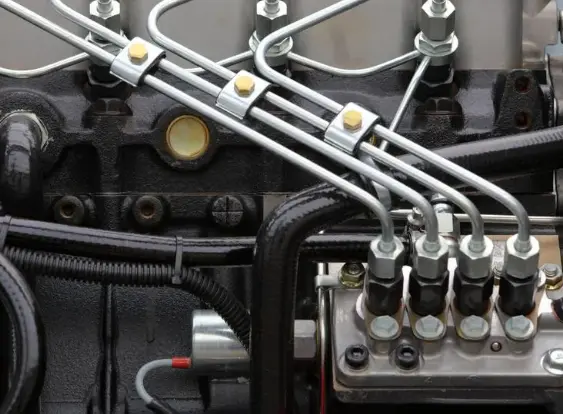
Now that you have the fuel pump and the tank, you need a secure highway. The fuel lines act as the vital piping that connects everything together. They carry the highly pressurized liquid all the way from the fuel tank to the engine. These pipes are usually made of strong, corrosion-resistant steel or tough, flexible plastic.
They have to flex slightly with the bumps in the road without cracking or breaking. A simple leak in these hoses can be exceptionally dangerous. A single drop of gasoline hitting a hot exhaust pipe can easily start a devastating fire. Using high-quality lines and filters is absolutely essential for your safety and vehicle longevity.
How does electronic fuel injection deliver the exact fuel required?
Old classic cars used a mechanical carburetor. A carbureted vehicle mixed air and gas using basic suction. But today, we use advanced electronic fuel injection. This modern method uses a smart computer, known as an engine control unit (or ecu). The computer constantly calculates the precise amount of liquid needed by the engine.
The ecu triggers the fuel injector. This precise part sprays the fine mist directly into the intake manifold or right into the engine block. A modern fuel injection system might even use advanced sequential firing. This means it sprays exactly when the specific valve opens, providing the right amount of fuel at the exact right time. It is a marvel of modern engineering.
What happens inside the motor cylinder during the spark cycle?
When the fine mist finally enters the engine’s combustion chamber, it mixes rapidly with incoming air. The spark plug ignites the volatile mixture. This tiny, controlled explosion, or combustion, pushes the heavy metal piston down. This repetitive action creates the torque and horsepower that physically moves the heavy vehicle forward.
Modern setups like direct injection spray the liquid straight into the cylinder at extremely high pressure. This makes the burn much more efficient. When you use top-tier liquid, the explosion leaves almost no carbon deposit behind. This means much better performance, improved fuel economy, and lower fuel prices for you at the gas station since your vehicle burns less gas to go the same distance.
How do pressure regulators ensure the engine gets the right amount?
A fuel pump pushes hard, but sometimes it pushes way too hard for the engine to handle safely. The regulator manages the fuel pressure directly. It acts exactly like a careful gatekeeper. It controls the pressure of the fuel in the entire network. Most pressure regulators are securely mounted near the fuel rail, which is the heavy metal pipe that feeds the individual injectors.
If the pressure is too high, the engine runs rich, wastes gas, and harms your fuel economy. If the pressure is too low, the motor runs lean and dangerously hot. The regulator ensures the fuel pressure stays perfectly balanced. This guarantees the engine gets the right amount no matter how fast you are driving on the highway.
What are the main fuel system components and how do sensors help?
A modern vehicle has several sensors actively monitoring everything. An oxygen sensor, for instance, constantly checks the exhaust gas leaving the car. It talks directly to the ecu so the computer can adjust the air-to-liquid mixture on the fly. All of these vital fuel system components work seamlessly together as one big, coordinated team.
Whether you drive a standard gasoline car or a heavy-duty diesel truck, the core parts are quite similar. The fuel pump, the fuel lines, the fuel filter, and the fuel injector are all electronically controlled. Together, they form a high-pressure loop that never stops working while you drive. Machining these complex blocks often requires tools like an End mill (with indexable inserts) to face the tough metal surfaces perfectly flat.
How does scheduled servicing stop potential issues and costly repairs?
You must practice keeping your fuel setup in top shape at all times. If you completely ignore it, vital parts will eventually become clogged. A dirty, neglected filter will force the fuel pump to work entirely too hard and burn out prematurely. If you notice a rough, shaking motor or have difficulty starting your vehicle in the morning, see a trusted mechanic right away.
It is incredibly important to swap out the fuel filter exactly as the manufacturer suggests. Using good gas can prevent a nasty clog from forming in your expensive fuel injector. A quick visual check can catch small potential issues early. Buying a simple replacement fuel part today definitely saves you from massive, costly repairs tomorrow. Performing scheduled servicing drastically increases the lifespan of your vehicle. And remember, since fuel creates extreme internal forces, many automotive manufacturers rely on super-tough materials—similar to our Stellite Alloy Valve Probe for the Petrochemical Industry—to ensure valves and pumps don’t fail under stress.
Summary: Critical Takeaways for Understanding the System
The fuel system is an incredible piece of engineering. Keeping a vehicle operating perfectly requires a lot of precise parts working in harmony. Here is a quick summary of the most important things to remember:
- The fuel system safely stores and transports the liquid from the back of the car directly to the engine.
- The fuel tank is a durable storage unit designed to survive impacts and trap harmful fumes.
- A high-quality fuel pump creates the high-pressure flow that pushes the liquid forward.
- The fuel filter catches every impurity to ensure only pure liquid reaches the motor.
- Strong fuel lines carry the highly pressurized liquid without leaking or breaking.
- The ecu calculates the exact volume of liquid needed for optimal acceleration and power.
- An advanced fuel injector provides the fuel at the right time for perfect spark ignition.
- A faulty setup can cause a rough idle or complete failure.
- Always replace your fuel filter to avoid blockages and prevent a failing pump.
- regular maintenance is the absolute key to preventing expensive engine damage.
- Monitoring the car’s health regularly keeps the performance peaking for years.