When an engine runs, it breathes in fresh air and expels hot exhaust gases thousands of times every single minute. The mechanical symphony that controls this breathing is known as the valve train. This article is absolutely worth reading because mastering the mechanics of the valvetrain gives you a massive advantage in diagnostics and maintenance. By understanding how to properly adjust the valve components and recognizing the vital differences between solid and fluid-filled lifters, you can prevent expensive breakdowns and keep your machinery running at maximum profitability.
What exactly is a tappet in an internal combustion engine?
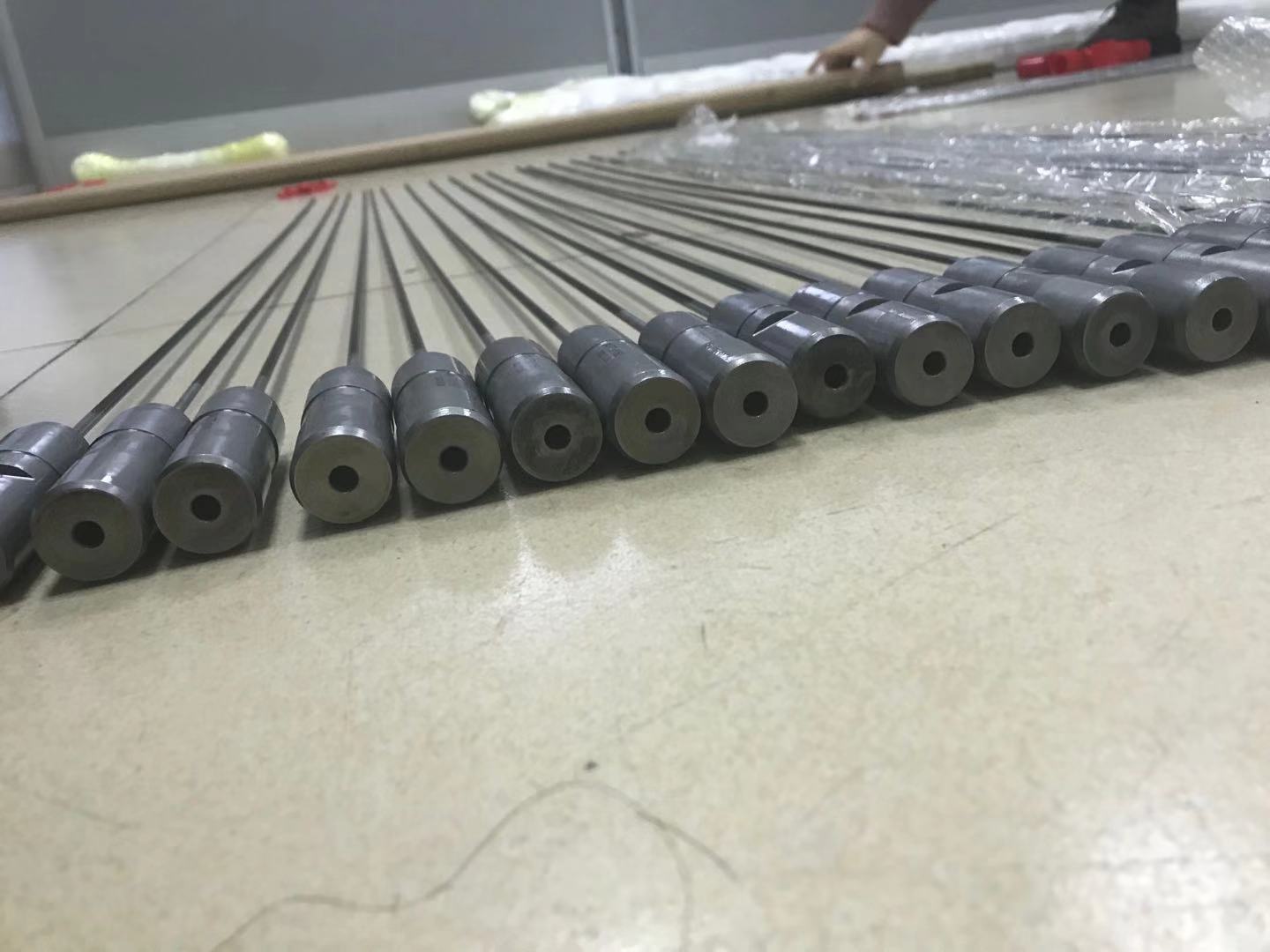
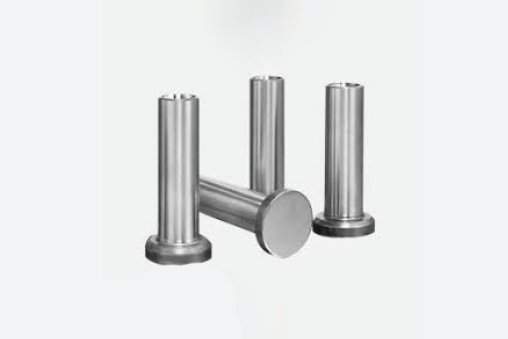
If you tear down a classic engine block, you will find an array of small, cylindrical metal cups. A tappet, which is also frequently called a lifter or a cam follower, is the critical middleman in the valvetrain architecture. It sits securely inside a precisely machined bore located in the engine block or the cylinder head.
The primary job of the tappet is to continuously and smoothly follow the cam as it rotates. As the eccentric shape of the cam rotates around, the tappet rides its profile. The tappet takes that spinning rotational movement and instantly translates it into linear, up-and-down motion. Without this incredibly durable component acting as a buffer, the aggressive sliding friction of the spinning cam would quickly destroy the softer metal of the other components.
Because the top of the tappet faces immense frictional wear, it is usually hardened or manufactured from highly wear-resistant materials. In fact, when we manufacture specialized cutting tools at Drillstar, such as the Cemented Carbide Insert, we utilize the exact same metallurgical principles of extreme hardness to ensure the tool outlasts the abrasive materials it cuts.
How does the cam actuate the rest of the valve train?
The entire breathing process begins at the bottom of the motor with the heavy crankshaft. As the crankshaft spins, it uses a thick timing belt or a steel chain to drive the cam shaft. Along this shaft are several egg-shaped bumps known as lobes. Every single cam lobe is mathematically designed to control exactly when a specific cylinder breathes.
As the shaft rotates, the protruding lobe pushes aggressively against the face of the tappet. In older pushrod designs, the tappet forces a long metal push rod upward. This rising push rod then pivots a metal rocker arm. The opposite side of the rocker arm swings down and presses hard against the top of the valve stem.
This downward force must be strong enough to compress the heavy, coiled valve springs and physically push the traditional poppet style valve open. Once the peak of the cam rotates past the tappet, the massive stored energy in the valve springs violently snaps the valve shut again, perfectly sealing the combustion chamber. To successfully actuate this sequence smoothly at 6,000 RPM requires flawless machining.
Why is precise valve clearance so incredibly crucial?
Heat changes everything in mechanics. When an engine fires up and reaches its optimal operating temperature, the immense heat causes the metal parts to expand physically. The cylinder, the valves, and the block all grow in size. If engineers built the valvetrain with zero gap when the motor was cold, this thermal expansion would cause the parts to bind up tightly.
If there is no room left for the metal to expand, the expanding components will actually hold the valve slightly open even when it is supposed to be fully shut. This loss of a tight seal instantly destroys engine compression. Worse, superheated combustion gases will torch their way past the tiny gap, literally burning a hole right through the edge of the exhaust valve.
To prevent this disaster, mechanics leave a tiny, calculated gap in the linkage. This essential gap is called the valve clearance. Maintaining the perfect clearence is the absolute foundation of standard motor vehicle maintenance. If the clearance is too tight, you burn valves. Conversely, if the clearance is too loose, the parts literally hammer against each other. This loose condition creates an annoying, rapid tapping noise and leads to severe, premature wear on the cam face.
What are hydraulic lifters, and how do they reduce motor vehicle maintenance?
To eliminate the tedious chore of constantly adjusting clearances by hand, brilliant engineers invented hydraulic lifters. A hydraulic tappet uses the engine’s pressurized oil supply to automatically and continuously take up any slack in the system.
Inside the body of a hydraulic tappet, there is a tiny internal piston and a one-way check valve. When the cam rotates away and takes the pressure off the lifter, pressurized engine oil rushes inside. This hydraulic pressure pumps the internal piston upward until all the loose clearance is completely gone.
Because hydraulic tappets adapt dynamically to temperature changes and physical wear, they perfectly maintain zero valve lash at all times. Hydraulic lifters create a beautifully quiet, smooth-running machine and entirely remove the need for manual adjustment. For the average daily driver, this “install it and forget it” reliability is an absolute game-changer.
How do manual solid tappets compare to a hydraulic setup?
While a hydraulic setup is flawless for a commuter car, it has a distinct weakness in high-speed racing applications. At extreme RPMs, the rapid pulsing of the oil can cause a fluid-filled lifter to “pump up” and hold the valves open, leading to a catastrophic loss of power. To combat this, race engine builders rely exclusively on solid tappets.
Solid lifters are exactly what they sound like—solid metal cylinders. They cannot collapse or pump up under extreme stress. This rigidity guarantees the valve follows the cam profile exactly, even at 9,000 RPM. This completely prevents a highly destructive condition known as valve float, where the heavy valve simply cannot close fast enough to keep up with the spinning cam.
However, running solid lifters means accepting a heavy maintenance burden. They require frequent, meticulous manual tappet adjustment. Mechanics must regularly open the valve covers and physically measure the gap between the cam and valve components to ensure it remains within factory specifications.
What role do pushrods and the rocker arm play in older designs?
If you pop the hood on a classic American V8 muscle car, you are looking at a traditional overhead valve (OHV) pushrod engine. In this layout, the single camshaft is buried deep down inside the dark center of the engine block.
Because the camshaft is located so far away from the valves located up in the cylinder head, the engine relies on long, hollow metal pushrods to bridge the massive distance. The lifter rides the cam down in the block, shoves the push rod upward, and the rod tips the rocker up top.
These older valvetrains are incredibly compact and famously robust. They produce massive low-end torque. However, all those heavy, moving steel parts create a lot of valvetrain mass. Moving heavy metal rapidly requires energy, and that excess mass severely limits how fast a pushrod engine can safely rev before the heavy parts start flexing and bouncing out of control.
How do overhead cam (OHC) designs differ from traditional pushrod engines?
To solve the weight problem and unlock higher engine speeds, the automotive industry shifted toward the overhead cam design. By pulling the camshaft out of the block and placing it directly on top of the cylinder head, engineers eliminated the need for heavy pushrods.
In a single overhead cam (sohc) layout, one single camshaft sits directly above the valves, typically using a small rocker to actuate both the intake and exhaust sides. In a more advanced double overhead cam (dohc) setup, there are two separate camshafts per cylinder bank—one exclusively for the intake valves and one exclusively for the exhaust valves.
The biggest advantage of ohc and specifically sohc and dohc layouts is the drastic reduction in moving parts. The distance between the camshaft and the valve is incredibly short. In direct-acting cam engines, the lobe presses straight down onto a bucket-style cam follower that sits directly over the valve stem. This ultra-light, rigid setup allows modern sports cars to scream past 8,000 RPM with flawless reliability.
If you own a motorcycle or a high-performance machine with solid lifters, performing a tappet adjustment is a mandatory skill. The goal is to perfectly set the gap so that when the engine is hot, the clearance naturally closes up to near zero without binding.
First, you must rotate the main crankshaft by hand until the specific piston you are working on reaches Top Dead Center (tdc) on its compression stroke. At tdc, both valves are completely closed, and the lifter is resting on the flat, base circle of the cam. This is the only safe position to measure the gap.
Next, you take a thin, precision-ground steel measuring tool called a feeler gauge. You slide the feeler straight between the tip of the valve and the actuating rocker. It should slide through with a slight, smooth dragging resistance. If a feeler guage feels too loose or totally binds up, the gap is wrong.
If you need to adjust the tappet, you usually take a small wrench, loosen the locking nut on the rocker, and turn the threaded center adjuster screw until the clearance matches the exact factory spec.
Not all solid lifters use a convenient threaded adjuster screw. Many high-revving direct-acting overhead cam engines use solid bucket lifters. In this setup, to adjust the valve clearance, you must physically change the thickness of a small metal disc called a shim.
The shim sits either directly on top of the bucket or underneath it, resting on the valve stem. If your measurement shows the clearance is too tight, you must remove the existing shim and replace it with a slightly thinner one.
Swapping these shims often requires a special tool to physically compress the heavy springs down so you can carefully pluck the shim out with a magnet. It is a tedious, highly mathematical process. You must carefully measure the old shim, calculate the difference needed, and install the new one. However, once set, a shim-under-bucket design is incredibly stable and rarely goes out of adjustment.
What happens during valve overlap between the inlet and exhaust strokes?
Engine timing is an incredibly intricate, high-speed dance. There is a very brief, highly engineered moment when the piston approaches the top of the cylinder at the very end of the exhaust stroke, where both the inlet valve and the exhaust valve are actually forced open at the exact same time.
This specific fraction of a second is called valve overlap. Why would you want both valves open at once? It has everything to do with fluid dynamics. The rapidly exiting hot exhaust gases create a powerful vacuum behind them. This scavenging effect actually helps physically suck the fresh, cold air-fuel mixture right through the open inlet port, filling the cylinder far more efficiently.
The traditional spring-loaded poppet valve handles this beautifully. However, some exotic Italian superbikes take it a step further by using highly complex desmodromic valves. A desmodromic system utilizes a second, dedicated rocker arm to physically pull the valve shut, entirely eliminating springs and absolutely guaranteeing the valve closes exactly when the cam dictates, completely eliminating any chance of float.
Consider the immense mechanical stress happening inside the cylinder head. The long, thin steel valve must slide up and down millions of times without ever leaking a single drop of oil or losing its perfect concentricity. The brass or bronze valve guide it slides through must be machined to microscopic, flawless tolerances.
The circular metal seats where the valves slam shut to seal the cylinder must perfectly match the angle of the valve face. If they are off by even a fraction of a degree, hot gases will instantly torch the metal. This is exactly where advanced CNC manufacturing and premium cutting tools become the absolute heroes of the automotive industry.
At Drillstar, we engineer the incredibly sharp, rigid tools required to build these modern marvels. When an engine manufacturer needs to bore out a flawless valve guide hole, they rely on ourModular Indexable Reamers (High-Precision Boring & Reaming Tools) to achieve a mirror-like finish. Just as a master mechanic relies on a precision shim to set the perfect tappet clearance, automotive factories rely on our solid carbide tools to guarantee that the camshaft spins freely and the engine breathes effortlessly.
Summary: Key Takeaways for Mastering Valvetrain Mechanics
Understanding the brutal, high-speed mechanics inside a motor gives you a profound respect for modern engineering and manufacturing. Here are the most critical points to remember:
- The Middleman: The tappet acts as a crucial, wear-resistant buffer between the aggressively spinning cam and the rest of the valvetrain.
- Heat Expansion: Because metals expand significantly when hot, maintaining proper valve clearance is an absolute necessity to prevent burned valves and lost compression.
- Zero Maintenance: Hydraulic lifters brilliantly use pressurized engine oil to automatically maintain zero lash, eliminating the need to manually adjust the valve.
- Racing Rigidity: High-revving engines demand solid lifters to completely prevent dangerous valve float at extreme RPMs.
- Weight Reduction: Moving from heavy pushrod designs to modern overhead cam setups significantly reduces moving mass, allowing the motor to rev much faster.
- Precision is Everything: Whether you are carefully sliding a feeler gauge between a cam and valve or utilizing advanced CNC cutting tools to bore a valve guide, absolute precision dictates success.
By taking the time to understand exactly how to open the valve efficiently and when to adjust the tappet correctly, you ensure your heavy machinery delivers maximum horsepower, ultimate reliability, and a long, profitable service life.